Siouxon Unit Backcountry Hunting
The call of the deep woods, the promise of untouched wilderness, and the challenge of true backcountry hunting often lead Washington hunters to places like the Siouxon Unit. But this isn't a casual stroll; it's rugged, unforgiving territory that demands serious preparation and a clear understanding of its unique characteristics. This guide will walk you through what it takes to successfully plan and execute a backcountry hunt in the challenging Siouxon Unit, helping you navigate its terrain, understand its game, and come home with an experience—and hopefully, some meat—to remember.
Understanding the Siouxon Unit's Unique Backcountry Character
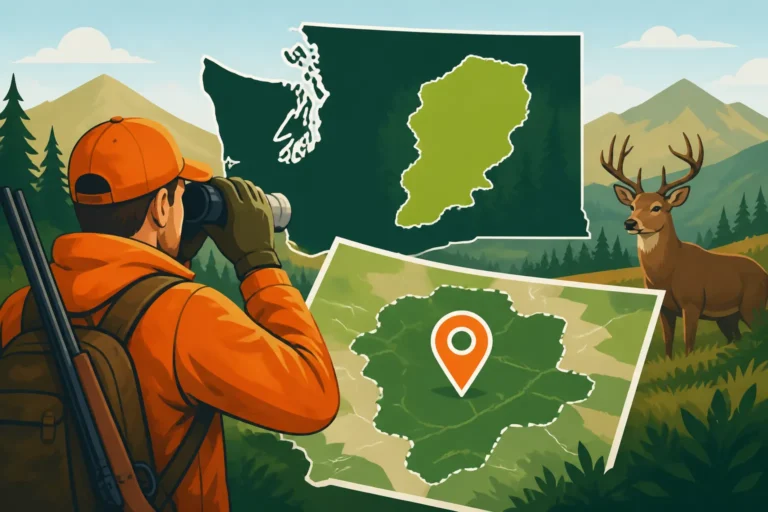
The Siouxon Unit (GMU 560), nestled within the vast expanse of the Gifford Pinchot National Forest in southwest Washington, isn't just another hunting unit; it's an immersive backcountry experience. When you commit to hunting the Siouxon, you're signing up for dense, towering timber, relentless elevation changes, and the ever-present likelihood of Pacific Northwest moisture. It's a place where the landscape itself becomes your biggest challenge and your greatest reward, often pushing hunters to their physical and mental limits.
This isn't the wide-open, long-distance glassing country found east of the Cascades. Here, your effective visibility might be limited to 50-100 yards in many areas, sometimes less in the thickest reprod. The forest floor is often a mosaic of moss-covered rocks, downed timber, and dense underbrush like salal and devil's club, making silent travel a near impossibility for the unprepared. The countless steep canyons and drainages, carved by the Siouxon Creek and its tributaries, demand strong legs and a determined spirit. You'll gain and lose hundreds, if not thousands, of feet in elevation repeatedly throughout a day's hunt. This constant up-and-down not only saps your energy but also makes packing out an animal an epic undertaking.
The primary big game species here are Roosevelt Elk of Western Washington and Columbian blacktail deer. Roosevelt elk are renowned for their ability to thrive in such dense, rugged environments. They don't typically travel in the massive herds you might find with Rocky Mountain elk; instead, smaller, tighter family groups often stick to the darkest timber, moving silently and using the cover to their advantage. Their bugles, though present during the rut, often sound muted and travel less distance in the thick air, adding to the challenge of locating them. Blacktail deer are equally adept at disappearing, melting into the shadows and holding tight, making them incredibly difficult to spot until you're practically on top of them. Understanding these species' behavior in this specific habitat is the first crucial step to success. Expect wet weather, even outside the rainy season, and prepare for cold, damp conditions that can penetrate inadequate gear quickly.
Navigating Access and Regulations in the Siouxon Unit
Successfully hunting the Siouxon starts long before you set foot in the woods; it begins with meticulous planning of your access and understanding the local regulations. The Siouxon Unit is part of the Gifford Pinchot National Forest Units, and like many federal lands in Washington, it has a mix of open, gated, and decommissioned roads. Relying solely on older maps or anecdotal advice can lead to frustrating dead ends and wasted time, which is why current, verified information is your best friend. Navigating the complex web of forest service roads and land ownership boundaries is often one of the biggest initial hurdles for hunters eyeing this area.
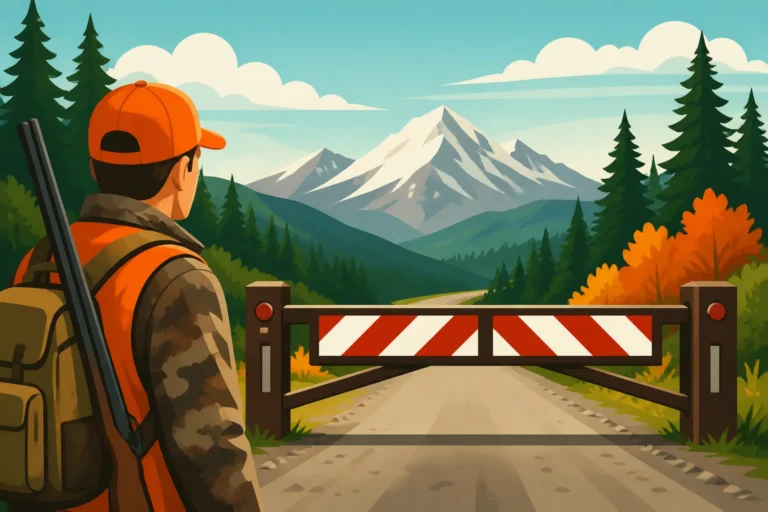
Your most valuable tools for this phase are the official Motor Vehicle Use Maps (MVUMs) provided by the U.S. Forest Service for the Gifford Pinchot. These maps explicitly state which roads are open to motorized vehicles, which are seasonally closed, and which are permanently decommissioned or gated. They are the definitive guide for vehicular access. Complementing these, the Washington Department of Fish and Wildlife (WDFW) hunt pamphlets provide specific GMU boundary information, weapon restrictions, and season dates. Always cross-reference these sources before you leave home. Many a hunt has been derailed by an unexpected gate closure or a road that's no longer passable. For a broader understanding of how Washington organizes its hunting grounds, looking into Washington Game Management Units Explained is very helpful.
When it comes to navigating the terrain itself, especially once you're on foot, digital mapping applications like onX Hunt are game-changers. I can't stress this enough: download offline maps for the entire GMU (and surrounding areas) to your phone or dedicated GPS unit before you lose cell service, which will happen quickly once you leave major highways. These apps allow you to see topography, private land boundaries (crucial for avoiding accidental trespass), water sources, and even historical satellite imagery that can reveal old clearcuts or natural openings that might otherwise be invisible on the ground. You can mark potential camp spots, known game trails, and escape routes. GoHunt is another excellent resource for broader planning, offering insights into draw odds and unit breakdowns, which can indirectly inform your strategy for managing the limited access points and understanding the hunting pressure in various parts of the Siouxon. The deeper you plan to go, the more critical these tools become. Remember, many of the "trails" you'll encounter are often old logging grades or faint game trails that require constant attention to follow, especially in low light or fog. For critical tips on securing your navigational capabilities, Downloading Offline Maps for Washington is a must-read for anyone heading into this kind of country.
| Access Type | Description | Key Considerations |
|---|---|---|
| Designated Open Roads | Primary Forest Service roads, often gravel, providing vehicle access. | Check USFS MVUMs for current status; seasonal closures are common, especially in winter or during fire season. These roads typically lead to trailheads or provide limited roadside hunting opportunities. |
| Gated Roads/Trails | Old logging roads or administrative routes that are permanently or seasonally gated. | Expect significant foot or non-motorized travel (e.g., mountain bike for approach). These gates often push hunters deeper into quieter areas but add considerable time and physical effort to your hunt. Always respect gate closures and never block access. |
| Wilderness Areas | Portions of the Siouxon Unit either border or include designated Wilderness (e.g., Indian Heaven Wilderness). | Strict regulations apply: no motorized vehicles, mountain bikes, or mechanical transport. Camping and fire restrictions may also be in place. Washington Wilderness Areas Open to Hunting details these specific rules; know them precisely to avoid violations. |
| Private Timber Lands | Some sections of the unit may abut private industrial timber holdings. | Critical: Always verify land ownership using GPS apps like onX Hunt. Many private timber companies require permits (sometimes paid) for access, or prohibit it entirely. Trespass is a serious offense. |
| Walk-In Access | Reaching prime hunting grounds often means leaving roads and designated trails. | This is the essence of backcountry hunting in the Siouxon. Expect rugged, off-trail travel through dense brush, steep slopes, and thick timber. Physical fitness and superior navigation skills are paramount. While less common here than elsewhere, understanding Washington Green Dot Road Systems is always good general knowledge. |
Essential Gear and Preparation for a Siouxon Backcountry Hunt
A successful backcountry hunt in the Siouxon isn't just about finding game; it's about being prepared for everything this rugged, wet environment throws at you. Your gear isn't just a collection of tools; it's your survival kit, your comfort zone, and your means of extraction. Skimping here isn't just uncomfortable; it can be dangerous. Many hunters underestimate the toll the constant moisture and relentless terrain take on both body and equipment.
Let's talk about the absolute essentials. Your feet are your most important assets. Invest in high-quality, waterproof, and extremely durable hunting boots with excellent ankle support. This isn't the place for lightweight hikers. You'll be traversing slippery, uneven terrain, crossing small creeks, and slogging through mud and thick vegetation. Pair these with stout gaiters to keep out moisture and debris, especially when pushing through wet brush. Break them in well before your hunt – a blister in the backcountry can ruin your trip, turning a challenging trek into an agonizing ordeal. For more detailed advice on choosing the right footwear, Boots and Packs for Washington Backcountry is an invaluable resource.
Next, your layering system is paramount. The weather in southwest Washington can change rapidly. You might start with a crisp, clear morning only to be engulfed in a cold, driving rain by afternoon. A quiet, bombproof rain jacket and pants are non-negotiable. Don't go cheap here; a system that truly keeps you dry and breathes enough to prevent you from getting soaked from the inside out is worth every penny. Underneath, multiple layers of merino wool or high-quality synthetics are key. They manage moisture, retain warmth even when damp, and dry relatively quickly. Always pack a dry change of clothes for camp or the ride home. After a long day in the damp, pulling on something dry is a huge morale booster and crucial for preventing hypothermia. You’ll find more specific guidance on this in Rain Gear and Layering for Washington Hunts.
For hauling gear in and, more importantly, meat out, a robust backpack with an internal or external frame is critical. It needs to be comfortable with heavy loads, durable enough to withstand brush and snags, and have sufficient capacity for all your necessities, including a substantial first-aid kit, water filter, food for several days, emergency shelter, and game bags. Think about a pack with a dedicated meat shelf if you're planning for elk, as the gutless method often means several heavy loads. A good headlamp with fresh batteries (and spares!) is also non-negotiable for early morning starts or late-night packing. For navigation, while your smartphone with onX Hunt is amazing, always carry a physical map and compass, and know how to use them. Electronics can fail, get wet, or run out of battery. Power banks are a good idea for charging devices, but they won't replace a paper map. Lastly, remember that Packing an Elk Out of Washington's Backcountry is a monumental task, and your gear selection should reflect that reality.
Finally, consider your weapon and ammunition. Washington has specific rules for equipment, including minimum calibers for rifles and broadhead widths for archery. Ensure your Washington's Legal Equipment Rules by Weapon are in compliance. For elk, you'll want a rifle cartridge capable of delivering significant energy at closer ranges, as long shots are rare in this dense timber. Practice shooting quickly and accurately in varying positions, as opportunities can be fleeting and shot windows tight. Being physically prepared means not just being able to hike, but being able to hike with your pack and rifle/bow and then shoot accurately when the moment comes. Your physical conditioning needs to be top-notch to handle the Siouxon effectively.
Hunting Strategies for Success in the Siouxon Backcountry
Given the Siouxon's dense cover and rugged terrain, your hunting strategies will differ significantly from those employed in more open country. Spot-and-stalk as you might know it from eastern Washington is rare here; instead, think slow, deliberate still-hunting, glassing small openings, and focusing intently on fresh sign. Patience, stealth, and an intimate understanding of animal behavior in thick timber are your greatest assets.
Still-hunting is your primary tool in the Siouxon. This means moving at an almost imperceptibly slow pace, taking only a few steps, then stopping to scan, listen, and observe for several minutes. Your eyes should be constantly searching for horizontal lines (an animal's back or belly) in a vertical world (trees). Look for subtle movements, flicking ears, or patches of hide. Listen intently for snapping twigs, shifting leaves, or the soft sounds of an elk moving through the underbrush. Early mornings and late evenings, when elk and deer are most active, are prime times for this strategy. Focus on terrain features that funnel animals, like saddles, benches, natural openings along steep ridges, or the edges where old growth meets younger clearcuts. Still-Hunting Blacktails in Wet Washington Brush offers great insights into this technique that can be applied to elk as well, as both species leverage the dense cover.
During the archery season, understanding elk vocalizations can be a powerful asset. While herd bulls might not be bugling constantly like their Rocky Mountain cousins, subtle cow calls or chirps can sometimes draw a curious bull close, especially if he's alone or a satellite bull trying to cut in on a herd. You'll often be trying to Bugling and Cow Calling in Washington's Archery Elk Season into a thicket, so prepare for close-range encounters and have your bow ready. Be mindful of the wind at all times; a slight shift can instantly give away your position. The thick cover that makes visibility challenging also allows you to get incredibly close to animals if you move quietly and thoughtfully. Sometimes, sitting quietly near a wallow or a heavily used game trail can be more effective than constant movement.
For modern firearm hunters, the challenge shifts to finding elk that have been pushed into the thickest, nastiest cover after initial hunting pressure. They'll often seek refuge in the deepest, most inaccessible canyons or climb to the highest, steepest slopes. This means you need to be willing to go where most others won't. Utilize natural features that make travel easier, such as game trails or old, overgrown skid roads, but always be ready to bust brush. Scouting remotely with tools like GoHunt or onX Hunt can help you pinpoint these potential sanctuary areas and plan your routes to them, looking for isolated pockets of timber or steep draws that offer security. Look for fresh sign: beds, tracks, droppings, and rubs. The freshest sign will often lead you to active feeding or bedding areas, providing crucial clues to their current whereabouts and movement patterns.
Finally, success in the Siouxon often comes down to sheer tenacity and mental toughness. This isn't a hunt for the faint of heart. It will be physically demanding, wet, and often frustrating due to the limited visibility and the elusiveness of the game. But the reward of harvesting an animal from such truly wild country, or even just experiencing the raw beauty of it, is unparalleled. Focus on the process, enjoy the challenge, and celebrate every small victory. The Siouxon is a testament to the wildness of Washington Elk Herds and Where They Live and demands that hunters adapt their methods to their environment, embracing the struggle as part of the reward.
Disclaimer
This article is for general informational purposes only and does not constitute professional advice. Laws, prices and regulations vary by location and change over time. Consult a qualified professional for guidance on your specific situation.