Joint Base Lewis-McChord Hunting
Hunting on Joint Base Lewis-McChord (JBLM) in Washington State is a completely different ballgame than heading out to your typical national forest or state land. Many hunters feel overwhelmed by the additional layers of rules, unique permit systems, and the ever-present reality of military operations that can shut down access without much notice. It’s certainly not "just show up and hunt" territory, but it offers some fantastic opportunities if you understand and navigate the system correctly. This guide will walk you through everything you need to know to hunt successfully and safely on JBLM, from permits to protocols.
Understanding the Unique Landscape of JBLM Hunting
Joint Base Lewis-McChord isn't your average hunting spot. It's a sprawling military installation, home to thousands of service members and critical training operations. While it offers a surprising amount of huntable land, it's paramount to remember that its primary purpose is national defense, not recreation. This fundamental difference dictates everything about hunting there.
JBLM as a Controlled Access Area
Unlike the vast, relatively open spaces of the Gifford Pinchot National Forest or DNR lands, JBLM is a controlled access area. This means you can't just drive onto the base, park your truck, and start hiking. There are strict entry requirements, security checks, and specific gates you must use. The sheer scale of the base is impressive, covering over 90,000 acres, much of it forested and ideal habitat for big game. However, because it's an active military training area, certain sections can be off-limits at any given time due to live-fire exercises, troop movements, or other security concerns. This dynamic environment is a constant for hunters and requires a level of flexibility and preparedness not always found on traditional public lands. You're not just dealing with wildlife; you're also navigating a complex operational landscape.
The Ecosystem of JBLM
Despite its military function, JBLM boasts a surprisingly rich and diverse ecosystem that provides excellent habitat for various game species. The base is predominantly covered in a mix of coniferous forests, particularly Douglas fir, with significant areas of clearcuts in various stages of regeneration – perfect for blacktail deer. You'll also find riparian zones along creeks and rivers, scattered wetlands, and some open prairie lands that break up the timber. This varied terrain supports a healthy population of Columbian Blacktail Deer in Western Washington, making it a popular destination for deer hunters. While less common, a small population of Roosevelt elk also calls parts of JBLM home, though these opportunities are often highly regulated and limited. For bird hunters, there are decent populations of upland birds like grouse, and certain wetland areas can attract waterfowl during migration. Understanding these habitats is crucial for successful scouting, even with the access restrictions. It’s not a wilderness area, but it provides a surprisingly wild experience right outside of bustling communities.
Required Permits, Licenses, and Training for JBLM
Hunting on JBLM means dealing with a dual layer of bureaucracy: Washington State regulations and JBLM's own specific rules. Skipping any one of these steps will not only ruin your hunt but could also land you in serious trouble. Think of it as needing two keys to unlock the same door.
JBLM Base Access and Recreation Permits
Before you even think about buying a state hunting license, you need to ensure you can legally access JBLM. This starts with getting a base access pass, which involves a background check and registration process. Once you have base access, you'll need specific recreation permits issued by JBLM's Directorate of Public Works (DPW) Environmental Division. These are typically handled through an online system called iSportsman. This system is critical; it’s where you register as a recreational user, purchase specific hunting permits (which are separate from your state tags), and, most importantly, check in and out of hunting areas daily. The fees for these JBLM-specific permits are generally quite reasonable and directly support the management of the recreational program on base. It's a small price to pay for the access you gain, but it's an extra step many new hunters might not anticipate. Always make sure your permits are current before venturing out.
Washington State Hunting License and Tags
Even with all your JBLM-specific passes in order, you still need to comply with all Washington State hunting regulations. This means having a valid Washington State hunting license for the current season, along with the appropriate species tags (e.g., general deer tag, elk tag) for whatever you intend to hunt. JBLM hunting opportunities are subject to statewide season dates, bag limits, and legal equipment rules. For instance, if you're planning to hunt deer with a rifle, you'll need to ensure your rifle meets Washington's Legal Equipment Rules by Weapon and that you have a valid deer tag. This is where it’s essential to consult the annual Washington Department of Fish and Wildlife (WDFW) hunting pamphlet in addition to JBLM’s specific regulations. Don't assume that just because you have a JBLM permit, you're exempt from state law. The two systems work in tandem, and compliance with both is non-negotiable.
Mandatory Safety Briefings and Hunter Education
JBLM often requires hunters to complete an annual safety briefing specific to hunting on the base. This isn't just a formality; it covers unique hazards like unexploded ordnance (UXO), military vehicle traffic, and specific communication protocols in emergencies. These briefings are usually available online through the iSportsman portal. Beyond JBLM's specific briefing, if you're a new hunter, you'll also need to have completed Washington State's Washington Hunter Education and Licensing requirements. Hunter education teaches basic firearm safety, ethical hunting practices, and wildlife conservation principles, which are universal and vital regardless of where you hunt. Never underestimate the importance of these safety trainings; they exist for a reason and are designed to keep you, and everyone else on the base, safe.
Navigating the JBLM iSportsman System
The iSportsman system is the nerve center for all recreational activities on JBLM, especially hunting. It's a robust online portal designed to manage access, communicate closures, and ensure everyone is accounted for. Mastering this system is not just helpful; it's absolutely mandatory for hunting on the base.
Registering and Creating Your iSportsman Account
Your journey begins by creating an account on the JBLM iSportsman website. This typically involves providing personal information, verifying your identity, and undergoing any necessary background checks required for base access. Once your account is active, you'll use this portal to purchase your annual JBLM recreation permit and any specific hunting endorsements. It's crucial to keep your personal information updated and to review the JBLM hunting regulations posted on the iSportsman site. Think of it as your virtual hunting warden and information desk all rolled into one. Without a properly registered and active iSportsman account, you won't be able to proceed with checking into hunting areas.
Checking Open Areas and Booking Hunts
This is where the rubber meets the road. Each day you plan to hunt, you must log into iSportsman to check which training areas are open for recreation. Military operations take precedence, so areas can open and close with little notice. The system provides a map interface showing open and closed zones. You then "check-in" to the specific hunting area you intend to use. This step is vital for safety, as it lets base authorities know who is where. Once you’ve completed your hunt, you must "check-out" through the same system, even if you didn't harvest anything. Failing to check out can trigger a search and may result in losing your hunting privileges. It's not a suggestion; it's a hard rule. Many seasoned JBLM hunters will tell you that their morning routine involves coffee and checking iSportsman, because access can change overnight.
Understanding Training Area Closures
The most significant frustration for JBLM hunters often revolves around unpredictable training area closures. You might have a perfect plan, an ideal spot identified, and then log into iSportsman only to find your chosen area is closed for live-fire exercises or maneuvers. This is simply part of hunting on a military installation. The best way to mitigate this is to have backup plans. Scout multiple areas across different zones if possible. E-Scouting Washington GMUs Before the Draw principles apply here, but with an added layer of checking real-time closures. Use resources like the iSportsman maps and overlay them with your own scouting information from tools like onX Hunt to identify alternative zones. Sometimes, a closure might only be for a day, while others can last for weeks. Embracing flexibility is key to avoiding disappointment and making the most of your limited time in the field.
Game Species and Hunting Seasons on JBLM
JBLM offers opportunities for a variety of game, but its primary draw for most hunters is deer. The unique environment, with its mix of mature timber and clearcuts, provides excellent habitat for blacktails. While elk are present, their numbers are much smaller, making those opportunities more exclusive.
Deer Hunting Opportunities
Columbian blacktail deer are the most prevalent big game species on JBLM. The consistent logging operations create a mosaic of clearcuts, young reprod, and mature timber that blacktails thrive in. This terrain is similar to much of western Washington, and hunters often find success still-hunting through the younger growth or setting up on travel corridors between feeding and bedding areas. JBLM observes standard Washington State deer seasons, which typically include archery, muzzleloader, and modern firearm general seasons. Washington Modern Firearm Deer Seasons usually provide the longest window for rifle hunters, but bowhunters often appreciate the early Washington Archery Deer and Elk Dates for a chance at deer before the general seasons. Many of the base's regulations for deer hunting mirror state rules, including antler point restrictions in certain units, so always confirm those specifics within the annual WDFW pamphlet. Remember that the dense cover means you often need to be close to spot deer, and patience is a virtue when Reading Clearcuts and Reprod for Blacktail Bucks.
Elk Hunting on JBLM
Elk hunting opportunities on JBLM are much more limited than deer. The base is home to a portion of the Willapa Hills Elk Herd, primarily Roosevelt elk, known for their larger body size compared to their Rocky Mountain cousins. These hunts are often managed through special permits or lottery draws, rather than general season tags, due to the lower population density and the need to balance harvest with herd health and military operations. If you are fortunate enough to draw an elk permit for JBLM, be prepared for a challenging but rewarding hunt. Elk on the base are typically wary, accustomed to human activity, and will often seek refuge in the densest timber or remote, hard-to-access areas. As with deer, you'll need a valid Washington State elk tag in addition to your JBLM permits. Always check the current year's WDFW hunting pamphlet for specific JBLM elk regulations and draw opportunities, as these can change annually.
Other Game Species
Beyond deer and elk, JBLM also offers some opportunities for small game and birds. You might find ruffed grouse and blue grouse in the forested areas, and with the right permits, you can pursue them. Certain wetlands and open water areas can attract ducks and geese during fall migration, providing waterfowl hunting opportunities. However, these are often subject to very specific rules regarding blind placement, shooting hours, and potentially even specific hunt dates separate from general state seasons. While not typically a primary target for most JBLM hunters, these smaller game species can offer a fun way to extend your time afield. Always double-check the iSportsman rules and the WDFW pamphlet for seasons and regulations on these species.
Rules, Regulations, and Safety Protocols Specific to JBLM
Hunting on a military installation means adhering to a more stringent set of rules than you might find on typical public land. These regulations aren't there to make your life harder; they're in place for the safety of both hunters and military personnel, and to protect sensitive areas.
Firearm and Archery Restrictions
While most Washington State legal equipment rules apply, JBLM might have additional restrictions or nuances. For instance, specific caliber restrictions beyond the state's minimums might be in place for certain zones, or there could be areas designated "shotgun/archery only" even during modern firearm seasons. It's absolutely crucial to review JBLM's specific regulations on the iSportsman site regarding Washington's Legal Equipment Rules by Weapon for each area you plan to hunt. This includes broadhead width requirements for archers and specific bullet types for firearms. Furthermore, all firearms must be unloaded and encased when transporting them on base, except when actively hunting in a designated area. Never have a loaded firearm in your vehicle outside of active hunting. This is a non-negotiable safety rule on any military installation.
Vehicle Access and Parking
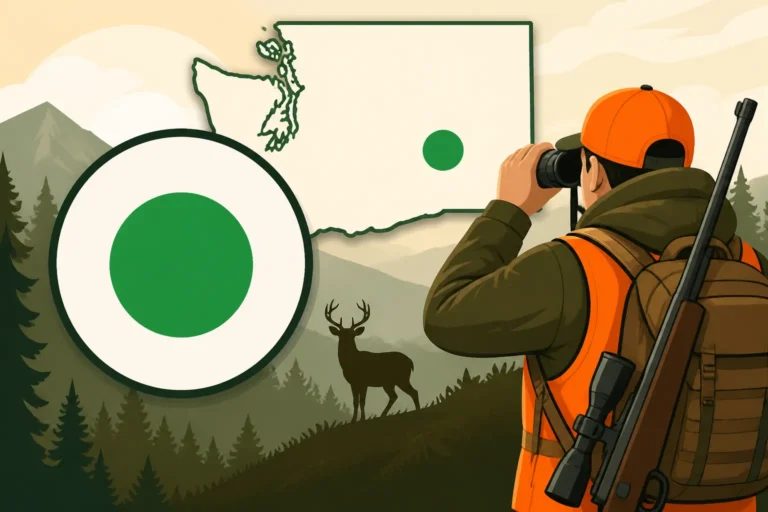
Vehicle access on JBLM is strictly controlled. There are specific entry points for hunters, and once on base, you must only drive on designated roads. Many areas will have "Green Dot" road systems, similar to those found on public lands across Washington, indicating roads open to motorized vehicles. However, even Green Dot roads on JBLM can be temporarily closed due to military operations or environmental conditions. You'll often find parking limited to designated pull-offs or small parking areas, and off-roading is absolutely forbidden. Pay very close attention to signage regarding road closures and restricted areas. Leaving your vehicle improperly parked or driving into a closed area can result in fines, impoundment, and revocation of your hunting privileges. It’s always a good idea to download offline maps, perhaps using an app like onX Hunt, and mark designated parking and road closures so you don't inadvertently stray.
Harvest Reporting and Check-Out Procedures
Harvest reporting on JBLM involves two layers, similar to your permits. First, you must comply with Washington State's Washington Harvest Reporting Requirements, which typically involve reporting your harvest to WDFW within a certain timeframe. Second, and often before reporting to the state, you must report your harvest through the JBLM iSportsman system. This usually involves entering details about the species, sex, and location of your harvest. This JBLM-specific reporting is vital for their wildlife management division to track populations and allocate hunting pressure effectively. As mentioned earlier, failing to check out of an area, whether you harvested or not, is a serious violation. This dual reporting system ensures that both state and base authorities have accurate data, contributing to responsible wildlife management for future seasons.
Tips and Strategies for a Successful JBLM Hunt
Hunting on JBLM, while regulated, can be incredibly rewarding. The key to success lies not just in your hunting skill, but in your ability to adapt, plan, and follow the rules. Here are some strategies that can significantly increase your chances of a successful and enjoyable experience.
Pre-Season Scouting and Map Study
Just like any other hunt, good preparation starts long before opening day. Given the dynamic nature of JBLM, this is even more critical. Spend time poring over maps, particularly those available through the iSportsman system, as well as satellite imagery from tools like onX Hunt or GoHunt. Look for patterns in timber age, clearcuts, natural travel corridors, and water sources. Identify multiple potential hunting areas across different zones, so you have backups when inevitable closures occur. Pay attention to topography; even on JBLM, elevation changes can concentrate game. While physical scouting can be limited by access restrictions, you might be able to scout adjacent public lands that share similar characteristics to get a feel for the terrain and game sign. Remember, much of JBLM is second-growth timber, so learning to read those patterns for deer and elk movement is paramount. You can even use Public Land Scouting in Washington Before Opening Day principles, applying them to the specific boundaries of JBLM open areas.
Flexibility is Key
This cannot be stressed enough: be flexible. Military operations will always take precedence over recreational hunting. You might wake up with a perfect plan, only to find your chosen area closed that morning. Getting frustrated won't change anything, but having a Plan B, C, and even D will save your hunt. Identify several hunting areas that fit your criteria, and be ready to pivot to another zone if your primary choice is unavailable. Sometimes, a closure in one area means more pressure on another, so being adaptable to changing conditions is a huge asset. This mindset isn't just about areas; it's also about timing. Some hunters find success hunting mid-week when there might be fewer people and potentially fewer military exercises, though this isn't a guarantee. Embrace the dynamic nature, and you'll find more enjoyment in the hunt.
Respecting the Military Mission
Always remember that you are a guest on a working military installation. Your presence is allowed as a privilege, not a right. This means respecting all rules and regulations, and understanding that military operations come first. If you encounter military personnel or operations, give them a wide berth, maintain a safe distance, and follow any instructions they provide. Be mindful of noise, especially during early morning or late evening, as you could be near training exercises. Treat the land with respect, practicing Leave No Trace principles, and properly disposing of all waste. Being a responsible and respectful hunter on JBLM helps ensure that these unique hunting opportunities remain available for everyone in the future. Part of this respect also involves being prepared for the elements, and appropriate Rain Gear and Layering for Washington Hunts will ensure you’re comfortable and able to stay out longer in the typically wet conditions of Western Washington.
Comparison: Washington State vs. JBLM Hunting Requirements
To help clarify the additional requirements for hunting on JBLM, here's a quick comparison of the necessities.
| Requirement | Washington State Public Land | Joint Base Lewis-McChord (JBLM) |
|---|---|---|
| Hunting License & Tags | Required (WDFW-issued) | Required (WDFW-issued) |
| Base Access Pass | Not applicable | Required (JBLM-issued, typically with background check) |
| JBLM Recreation Permit | Not applicable | Required (JBLM-issued via iSportsman) |
| Daily Check-in/out | Not applicable | Mandatory via iSportsman for all hunting/recreational activities |
| Specific Safety Briefing | WDFW Hunter Education (required for most) | Annual JBLM-specific safety briefing (mandatory via iSportsman) |
| Area Access | Generally open, subject to WDFW/Forest Service/DNR rules | Dynamic, areas open/close daily based on military operations |
| Harvest Reporting | To WDFW within specified timeframe | To WDFW AND to JBLM via iSportsman |
| Firearm/Bow Transport | Unloaded, in vehicle generally | Unloaded and encased at all times outside of designated hunting areas |
| Vehicle Restrictions | Green Dot roads, WDFW rules, Forest Service gates | Strict designated roads, Green Dot on iSportsman, potential military closures |
| E-Scouting Tools | onX Hunt, WDFW map layers, GoHunt | onX Hunt, GoHunt, WDFW map layers, JBLM iSportsman maps are paramount |
As you can see, JBLM adds several layers of administrative steps and operational considerations to your typical Washington hunting trip. But for those willing to learn the system and be flexible, it can offer some fantastic opportunities close to home.
Disclaimer
This article is for general informational purposes only and does not constitute professional advice. Laws, prices and regulations vary by location and change over time. Consult a qualified professional for guidance on your specific situation.