Camping on Washington DNR Land
Finding a good spot to camp during hunting season in Washington can feel like you're trying to solve a cryptic puzzle, especially when you're looking at Department of Natural Resources (DNR) lands. It's not always as straightforward as pitching a tent anywhere you please, and understanding the specific rules for DNR land versus other public areas like National Forests is crucial. This guide is here to walk you through the ins and outs of camping on Washington DNR land, making sure you're set up for a successful and legal hunt.
Understanding Washington DNR Lands and Their Purpose
When you're out hunting in Washington, you'll encounter a patchwork of land ownership: private timber, National Forest, BLM (Bureau of Land Management), and of course, DNR lands. Each has its own set of rules, and DNR land often confuses hunters because it serves a dual purpose that isn't always immediately obvious.
What is DNR Land, Anyway?
DNR lands are managed by the Washington State Department of Natural Resources. Unlike National Forests, which are managed by the federal government primarily for conservation, recreation, and timber, DNR lands are state-owned. Their primary mandate is to generate revenue for state trusts – think public schools, universities, and other state institutions – through sustainable resource management, primarily timber sales. This means you'll often see active logging operations, newly cleared areas, and extensive road systems built for timber extraction.
For hunters, this landscape presents both challenges and opportunities. On one hand, the logging activity means ever-changing terrain, clearcuts that can be fantastic for forage and visibility, and a dense network of roads that, when open, provide excellent access. On the other hand, it means these lands are working forests. You might encounter heavy equipment, log trucks, or gate closures related to timber operations or fire danger. It’s a dynamic environment, and you need to be aware that recreation is often a secondary use, carefully managed to not interfere with the primary trust mandate. You might notice areas that were once prime hunting grounds suddenly become inaccessible due to new gates or road decommissioning. It's a constant adaptation game for hunters, making detailed E-Scouting Washington GMUs Before the Draw even more important.
DNR's Dual Mandate: Timber and Recreation
This dual mandate – generating revenue from timber while also providing recreational opportunities – shapes how DNR lands are managed and how you can use them. DNR strives to balance economic output with public access, which often means specific rules around activities like camping. You'll find areas specifically designated for recreation, often with developed campgrounds, picnic areas, and maintained trails. However, much of the DNR landscape is considered "general forest lands," where dispersed camping might be allowed but with stricter guidelines than you'd find in, say, a vast National Forest wilderness area.
The difference in management means that while you might think of all public land as "free reign," DNR lands require a closer look at the local regulations. Timber harvests often lead to road closures, both temporary and permanent, which can suddenly cut off access to your favorite hunting spots or secluded camping areas. Fire danger is another major factor, especially during dry hunting seasons, leading to fire bans that impact your ability to have a campfire, even in designated spots. It's not uncommon for restrictions to be put in place for specific areas or during certain times of the year, so checking the DNR website or local ranger stations before your hunt is absolutely essential. This proactive approach applies to all aspects of your hunt, including understanding the Washington DNR Recreation Passes and whether you need a Discover Pass for parking.
Navigating DNR Camping Regulations for Hunters
Okay, so you understand that DNR lands are a bit different. Now, let's talk brass tacks about where you can actually lay your head down after a long day of chasing Columbian blacktail deer in Western Washington timber or Rocky Mountain Elk East of the Washington Cascades. The key distinction here is usually between designated sites and dispersed camping.
Designated Campsites Versus Dispersed Camping
Designated Campsites: These are typically what you think of as traditional campgrounds. They might have picnic tables, fire rings (when no fire ban is in effect), and sometimes even pit toilets. DNR operates a number of these sites, often in conjunction with trailheads or scenic viewpoints. When you camp in a designated site, the rules are usually very clear:
- Fees: Some designated sites require a fee, often payable on-site or through an online reservation system. Make sure you check for any specific fees beforehand.
- Duration: There's almost always a limit on how long you can stay, usually 10-14 days. This is to prevent permanent residency and ensure equitable access for everyone.
- Amenities: You're expected to use the provided amenities, pack out all your trash, and leave the site cleaner than you found it.
- Quiet Hours: These are generally enforced, which is important to consider if you're an early-rising hunter who needs to be out the door long before dawn.
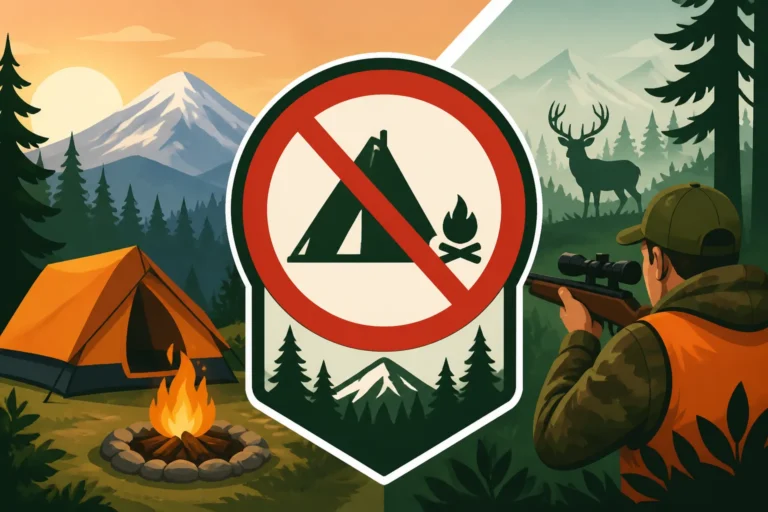
Dispersed Camping: This is where it gets a little more nuanced and often preferred by hunters seeking solitude. Dispersed camping means camping outside of developed campgrounds, often along forest roads or in clearings. On DNR lands, dispersed camping is generally allowed unless specifically prohibited by signs or local regulations. However, there are some very important caveats:
- No Amenities: You're completely self-sufficient. There are no toilets, no water sources, and no trash cans. You must pack everything in and pack everything out, including human waste if necessary (often requiring a WAG bag or proper cat-hole digging far from water sources).
- Location: Generally, you need to be a certain distance from designated recreation sites, water sources, and main roads – often 200 feet or more. This helps protect sensitive areas and maintain the wild feel for others. DNR often specifies that dispersed camping should be done in "previously disturbed" areas, meaning don't go clearing new sites. Look for existing pull-offs or small clearings that show signs of previous use.
- Impact: The principle of Leave No Trace is paramount. Minimize your footprint, don't cut live trees for firewood, and disperse your activities to avoid creating new, permanent campsites.
- Permits: While a specific camping permit isn't usually required for dispersed camping on DNR land, you will need a Discover Pass displayed in your vehicle if you park on DNR land for any length of time. This is a common point of confusion and can result in a ticket if overlooked.
Before you head out, I always recommend checking the specific DNR region's website or calling their local office. Rules can vary slightly from one management area to another, and what's okay in the Colville National Forest might not be okay on DNR lands near the Olympic Peninsula.
Staying Within the Rules: Duration Limits and Fire Restrictions
Two of the biggest factors that impact a hunter's camping plans on DNR land are duration limits and fire restrictions. Ignoring these can lead to fines, frustrating encounters with rangers, or even contribute to forest fires.
Duration Limits: As mentioned, most public lands have a stay limit, and DNR lands are no different. Typically, you're allowed to camp for 10 to 14 consecutive days in one location. This isn't just a suggestion; it's enforced to prevent long-term occupation and ensure resources aren't overused. If you plan a longer hunt, you might need to move your camp a certain distance (often a mile or more) after your time limit is up, or move to a different management area entirely. This can be a real logistical headache, especially if you've got a well-established camp and are deep into Packing an Elk Out of Washington's Backcountry. Always know your local stay limits.
Fire Restrictions: Washington's summers and early fall can be incredibly dry, making fire danger a serious concern. DNR lands are often timber-rich, meaning a wildfire can have devastating economic and ecological consequences. Because of this, fire restrictions are common and strictly enforced during hunting season.
- Burn Bans: These can range from a complete ban on all outdoor fires (including charcoal briquettes and propane fire pits) to restrictions on only open flames, allowing for self-contained stoves.
- Spark Arrestors: Even when fires are allowed, you might need a fire pan or a designated fire ring. For internal combustion engines (like chainsaws or ATVs), spark arrestors are often required.
- Checking Conditions: Always check the current fire danger and restrictions for your specific DNR region before you light any fire, even a small cooking stove. The DNR website, local news, and signs posted at access points are your best sources. A small, innocent campfire can quickly become a devastating forest fire, ruining hunting seasons and entire ecosystems. I've seen entire units shut down due to a single human-caused fire. For more details on this, look into Checking Washington Fire Closures Before You Go.
It's also worth remembering that DNR land is heavily used by others – hikers, mountain bikers, off-road vehicle enthusiasts, and other hunters. Being a good neighbor and leaving no trace ensures that everyone can continue to enjoy these incredible public resources.
Practical Tips for Camping on DNR Lands During Hunting Season
So, you've got the rules down. Now, let's talk about the practical side of setting up a camp that supports your hunt on Washington DNR lands. This isn't always about comfort; it's about functionality, safety, and smart planning.
Scouting for Camp Locations
Finding that perfect spot can make or break a hunt. On DNR land, where conditions can change rapidly due to timber operations or weather, good scouting is paramount.
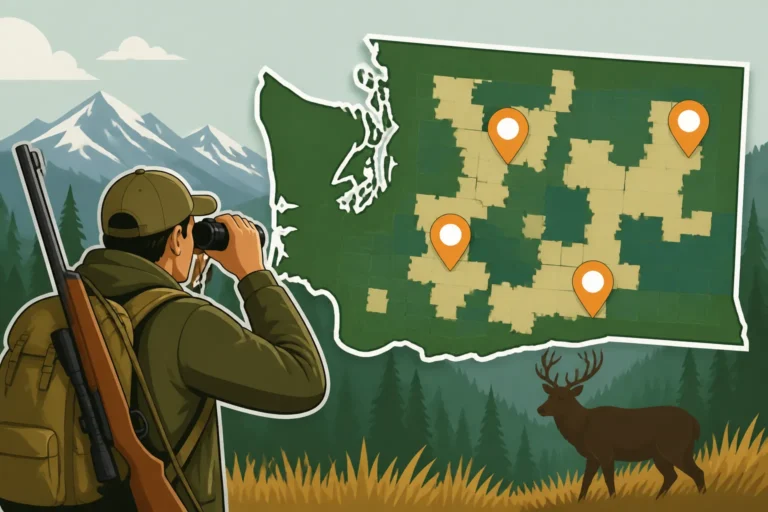
First, start with maps. Digital mapping tools are your best friend here. Brands like onX Hunt are invaluable because they clearly delineate land ownership, showing you exactly where DNR land begins and ends. You can zoom in and identify potential clearings, old logging landings, or pull-offs along roads that look promising for a tent or truck camper. Pay attention to topography, proximity to water (but not too close for camping), and the network of roads. This is where E-Scouting a Washington GMU From Home really shines.
Next, consider access. DNR roads can be a mix of well-maintained gravel, rough two-tracks, or gated roads. Many "Green Dot" road systems on DNR land are specifically managed for dispersed recreation and often have designated camping areas or ample pull-offs. Always check current road closures on the DNR website. A road that was open last year might be gated this year. For more information on this, check out Washington Green Dot Road Systems.
Finally, ground truth your spots. What looks good on a satellite image might be overgrown with Blood Trailing in Salal and Devil's Club or too steep in person. If possible, a pre-season scouting trip to check out potential camp spots is ideal. Look for level ground, good drainage, and some natural cover (but away from dead snags that could fall). Consider how easy it will be to pack out an animal from that spot. A great camping spot far from the road might seem appealing, but if you're Quartering and Packing an Elk Solo, you'll appreciate being closer to your vehicle. When on the ground, I find the GoHunt app equally useful for confirming details and navigating without cell service.
Essential Gear for DNR Camps
Camping on Washington DNR land means being prepared for anything the Pacific Northwest throws at you, especially during hunting season. The weather can be notoriously unpredictable, swinging from crisp autumn days to relentless rain and even early snow.
- Shelter: A sturdy, waterproof tent is non-negotiable. Even if you're in a truck camper, ensure it's sealed against moisture. Tarps are excellent for creating covered cooking or gear storage areas. For more prolonged stays, especially for a group, a wall tent with a wood stove can be a game-changer for drying gear and boosting morale. Read more about Wall Tent and Stove Setup.
- Rain Gear and Layers: You'll hear this repeatedly for Washington hunting because it's that important. Invest in quality rain gear – a quiet rain jacket and pants that actually keep you dry. Layering is key: merino wool or synthetic base layers, insulating mid-layers, and a warm outer shell. Even if it's sunny when you leave camp, you might come back soaked. Rain Gear for Westside Hunting is a great resource.
- Cooking and Water: A reliable camp stove (propane or white gas) is essential, especially during fire bans. Plan for adequate cooking fuel. For water, bring plenty or have a robust water filter or purification system. Many creeks on DNR land might be accessible, but treating all water is a must.
- Lighting: Headlamps with spare batteries are crucial for early morning departures and late-night returns or, heaven forbid, Blood Trailing in Thick Understory after dark. A camp lantern is also handy.
- Navigation: Even if you've got onX Hunt or GoHunt on your phone, always carry a physical map and compass as a backup. Cell service is notoriously spotty on most DNR lands. Consider a satellite messenger for emergencies, especially if you're hunting solo. Satellite Messengers for Solo Washington Hunts can literally be a lifesaver.
- First Aid Kit: A well-stocked kit for cuts, scrapes, blisters, and more serious emergencies is a non-negotiable item.
- Bear/Critter Protection: Bear spray is a good idea, as black bears are common on DNR lands. Store food properly in bear-resistant containers or hung from a tree.
Respecting Fellow Users and the Land
Being a responsible camper and hunter on DNR land goes beyond just following the written rules; it's about being a good steward and respecting everyone who uses these shared resources.
- Leave No Trace Principles: This is the golden rule. Pack out everything you pack in. This includes all trash, food scraps, and even spent bullet casings. Bury human waste properly (6-8 inches deep, 200 feet from water, trails, and camp) or pack it out in WAG bags. Don't leave a fire ring full of ash and unburned trash.
- Noise and Privacy: While hunting season can be exciting, remember that sound travels. Keep noise levels down, especially during designated quiet hours (if in a developed site) or when others are dispersed nearby. Hunters appreciate solitude, and nobody wants their early morning stalk ruined by loud music from a nearby camp.
- Trail and Road Etiquette: If you're using roads or trails shared with hikers or mountain bikers, be courteous. Yield to others, especially on narrow trails. Be mindful of dust on gravel roads, especially when passing parked vehicles or other camps.
- Carcass Disposal: After successfully harvesting an animal, dispose of the carcass remains properly. This means scattering gut piles away from trails, roads, and water sources to allow natural decomposition without attracting predators too close to public use areas.
- Gate Closures: Respect all gate closures. If a gate is closed, it's for a reason – often fire danger, timber operations, or wildlife protection. Going around or breaking a lock is a serious offense and jeopardizes future access for everyone. You can learn more about Washington DNR Road Gate Closures to avoid issues.
By adhering to these principles, you ensure that DNR lands remain accessible and enjoyable for all users for years to come.
Here's a quick summary of general DNR camping guidelines:
| Feature | Designated Campsites | Dispersed Camping (General Forest Lands) |
|---|---|---|
| Location | Specific, marked areas with amenities | Pull-offs, clearings; 200+ ft from roads/water |
| Fees | Often required | Usually none (Discover Pass needed for parking) |
| Duration Limit | Typically 10-14 days | Typically 10-14 days |
| Fires | Fire rings often provided (check for bans) | Self-contained stoves preferred; check bans |
| Amenities | Picnic tables, pit toilets, sometimes water | None (pack in/out everything) |
| Permits | Discover Pass for parking | Discover Pass for parking |
| Impact | Leave site clean, follow quiet hours | Leave No Trace, minimize disturbance |
| Access | Often near main roads, sometimes reservation | Along forest roads, varied road conditions |
Camping on Washington DNR land can be an incredible experience for hunters, offering access to vast tracts of diverse habitat. It just takes a little extra homework to understand the specific rules and a commitment to responsible outdoor ethics. By doing so, you'll ensure your hunting camp is not only legal but also enjoyable and leaves no trace for the next person to enjoy.
Disclaimer
This article is for general informational purposes only and does not constitute professional advice. Laws, prices and regulations vary by location and change over time. Consult a qualified professional for guidance on your specific situation.