Washington Wildlife Area Parking Permits
It can feel incredibly frustrating to plan a hunting trip in Washington, only to be met with a maze of rules around parking permits, especially when you're just trying to figure out if your hunting license covers access to that promising wildlife area. You want to focus on scouting and hunting, not worrying about a parking ticket. This comprehensive guide is here to untangle the requirements for parking in Washington's wildlife areas, explaining exactly what permits you need, when you need them, and how to avoid any unwelcome surprises.
What Are Washington's Wildlife Areas and Why Do They Need Permits?
Washington's landscape is diverse, offering incredible opportunities for hunters, anglers, and outdoor enthusiasts. Part of what makes this possible is a network of carefully managed lands designed to protect habitat and provide public access. Understanding what these areas are and why they have specific access rules is the first step in navigating the permit system.
The Purpose of Washington's Wildlife Areas
The Washington Department of Fish and Wildlife (WDFW) manages over a million acres of public land across the state, specifically designated as Wildlife Areas. These aren't just random patches of woods; they are strategically acquired and managed properties that play a critical role in conserving fish and wildlife populations. Think about the Wenas Wildlife Area Hunting grounds, known for its elk habitat, or the Oak Creek Wildlife Area Rules crucial for wintering deer and elk. These areas provide vital habitat for everything from big game like elk and deer to upland birds and waterfowl. They serve as migration corridors, calving grounds, winter ranges, and breeding habitats, all while offering unparalleled public access for hunting, fishing, hiking, birdwatching, and other outdoor recreation. WDFW's mission is to preserve, protect, and perpetuate fish, wildlife, and ecosystems, and these wildlife areas are at the heart of that mission.
Beyond direct habitat management, these lands also act as vital outdoor classrooms and recreational hubs. They are where many of us learn to hunt, spend time with family, or simply connect with nature. The sheer variety of terrain, from eastern Washington's arid sagebrush country to the wet, dense forests of the west side, means each wildlife area presents unique opportunities and challenges. The goal is always a delicate balance: providing robust habitat for game species while also ensuring responsible access for the public who cherish these wild places.
The Funding Challenge and the Role of Permits
Managing these vast and ecologically complex wildlife areas isn't free. There are significant costs associated with maintaining roads, trails, parking lots, and facilities, not to mention the ongoing efforts for habitat restoration, invasive species control, and wildlife monitoring. WDFW relies on a combination of state general funds, federal grants, and revenue generated directly from hunters and anglers through license and tag sales. However, as demand for public land access grows, so does the need for funding to keep these areas pristine and accessible.
This is where parking permits come into play. While it might feel like another hurdle or an extra expense, the fees collected from passes directly support the very infrastructure and conservation efforts that make these wildlife areas so valuable. Many hunters express frustration at the idea of paying yet another fee, especially when they already purchase hunting licenses and tags. It can feel like you're constantly digging into your wallet for what should be "free" access to public land. However, without these dedicated funds, the quality of access and habitat would inevitably decline. The permit system is designed to create a funding stream that directly benefits the lands we recreate on, helping to cover things like removing trash, maintaining restrooms, and ensuring that access roads remain open and usable. It's an investment in the future of Washington's outdoors.
Navigating the Washington Discover Pass System
When it comes to parking in Washington's state-managed lands, the Discover Pass is the primary player. It's often where the most confusion arises, especially for hunters trying to understand if their existing licenses cover them.
The Discover Pass: Your Key to State Lands
The Discover Pass is a statewide permit required for vehicle access to recreation lands and water access sites managed by the Washington State Parks and Recreation Commission, the Washington Department of Natural Resources (DNR), and the Washington Department of Fish and Wildlife (WDFW). This means if you're parking your vehicle at a trailhead, boat launch, or parking area on any of these state-managed properties, you generally need a Discover Pass displayed in your vehicle.
This is a critical distinction: the Discover Pass is for state lands. It doesn't apply to federal lands like National Forests or Bureau of Land Management (BLM) property, which have their own (or often no) permit requirements. For instance, if you're hunting deer in the Colville National Forest Hunting in Washington or elk in the Gifford Pinchot National Forest Units, you typically won't need a Discover Pass for parking, though some specific trailheads might require a Northwest Forest Pass. But if you're accessing a WDFW Wildlife Area, exploring DNR land for Blacktail Deer Hunting in Western Washington Timber, or launching a boat at a State Parks site, the Discover Pass is your general go-to. It simplifies access across multiple state agencies, consolidating what could have been three separate pass systems into one.
How to Obtain and Display Your Discover Pass
Getting a Discover Pass is pretty straightforward, thankfully. You can purchase an annual pass or a one-day pass. The annual pass is usually the most cost-effective option if you plan to visit state recreation lands more than a few times a year. You have several convenient options for purchase:
- Online: The WDFW website, as well as the Washington State Parks site, typically offer online purchasing. You can print a temporary pass immediately and receive the permanent decal in the mail.
- Retailers: Many sporting goods stores, outdoor retailers, and local license dealers sell Discover Passes. This is often the easiest option if you're already picking up other hunting supplies.
- WDFW Offices: You can also purchase passes directly from WDFW regional offices or the main licensing division.
Once you have your pass, proper display is crucial to avoid a ticket. The annual pass comes as a decal that you apply to the inside lower-left corner of your vehicle's windshield. For a one-day pass, you'll need to write your license plate number on it and hang it from your rearview mirror or place it prominently on your dash. It might sound like a small detail, but rangers and enforcement officers will check for proper display. Nothing ruins a successful hunt quite like returning to your vehicle to find a parking infraction. Always double-check that your pass is visible and correctly positioned before you head into the field.
When Your Hunting or Fishing License Acts as a Pass
Now, here's where it gets a little more nuanced, and it's a huge benefit for Washington's hunters and anglers. If you purchase certain annual hunting or fishing licenses and tags through WDFW, these can actually fulfill the Discover Pass requirement for vehicle access to WDFW lands only. This means you might not need to buy a separate Discover Pass if your primary intent for visiting a wildlife area is directly related to licensed hunting or fishing activities.
Specifically, if you buy any annual hunting license, annual fishing license, or an annual combination license (like a Big Game Combo, which includes your deer and elk tags), a special WDFW Vehicle Access Pass will be issued to you as part of that purchase. This pass serves the same purpose as a Discover Pass on WDFW lands only. It's typically a small sticker that also needs to be displayed on your vehicle's windshield. However, it's vital to remember its limitation: it only works for WDFW properties. If you decide to pull off at a State Park to take a scenic photo or park at a DNR trailhead for a hike that isn't directly related to your licensed hunting/fishing activities, you would still need a full Discover Pass. Always check the specific language on your license and any accompanying materials, and understand that this exemption is a courtesy for licensed sportsmen, not a blanket pass for all state lands. It's WDFW's way of acknowledging the significant financial contributions hunters and anglers already make to conservation.
Beyond the Discover Pass: Other Access Considerations
While the Discover Pass covers a broad spectrum of state-managed lands, Washington's diverse landscape means there are other types of public and private property, each with their own unique access rules. Knowing these distinctions can save you a lot of headache and ensure you're always legally accessing your hunting grounds.
Federal Lands: National Forests and BLM
If your hunting adventures take you into vast federal holdings like National Forests or Bureau of Land Management (BLM) lands, the rules change. The Discover Pass is not required for parking or accessing these federal properties. This is often where a significant portion of Washington Elk Hunting Tactics by Weapon Season and Glassing Eastern Washington Breaks for Mule Deer takes place.
However, federal lands aren't entirely without fees. Some specific developed trailheads, campgrounds, or recreation sites within National Forests might require a separate permit, such as a Northwest Forest Pass. These passes are generally purchased directly from the US Forest Service or authorized vendors. Most general dispersed camping or roadside parking on National Forest roads for hunting purposes does not require any specific pass, but it’s always wise to check the local Ranger District’s regulations for the specific area you plan to visit, especially for areas like the Okanogan-Wenatchee Forest Access where regulations can be quite localized. The key takeaway is: state pass for state land, federal pass for federal land – and many federal lands don't require a pass at all for simple access.
Private Timber Lands and Their Own Access Rules
A huge chunk of prime hunting ground, especially on the west side of Washington, is owned by private timber companies. Companies like Weyerhaeuser and Hancock manage vast tracts of forest that are sometimes open to public recreation, but often with their own stringent rules and, yes, frequently their own permit systems. This is a common reality when Hunting Behind Timber Company Gates in Washington.
These private timber permits are entirely separate from the Discover Pass or any WDFW/federal passes. They are often annual permits that you purchase directly from the timber company, usually through an online application or draw system. Some areas might be open for walk-in access without a permit, but motor vehicle access almost always requires one. The cost and availability of these permits can vary significantly and they often sell out quickly. It's absolutely crucial to research the specific timber company that owns the land you're interested in and understand their individual access policies. Showing up with just a Discover Pass on Weyerhaeuser land, for example, will likely result in a trespass citation if you're not within their specific public access programs. This is where detailed scouting and mapping tools become indispensable.
Using Digital Tools for Land Ownership and Access
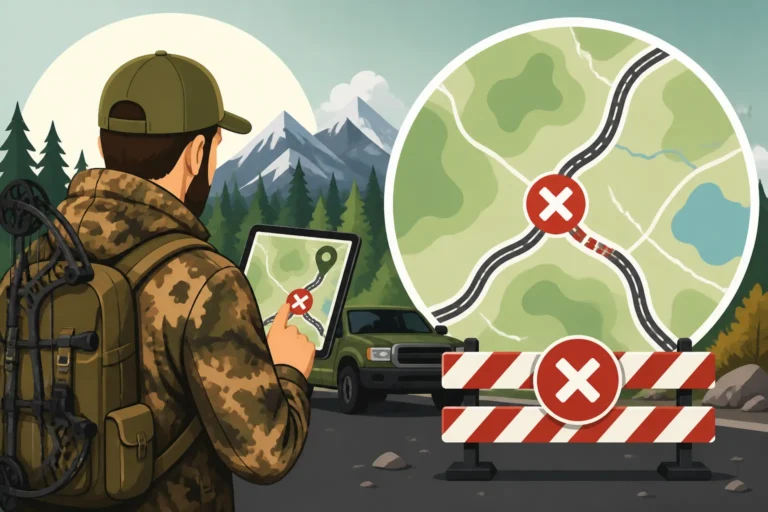
Given the patchwork of land ownership across Washington – federal, state (WDFW, DNR, State Parks), and private – digital mapping tools are an absolute game-changer for hunters. Trying to decipher paper maps or vague property lines in the field is a recipe for frustration, or worse, accidental trespass. This is where tools like onX Hunt and GoHunt truly shine.
These platforms utilize GPS technology and overlay property boundaries, land ownership types, and even specific management areas right on your phone or tablet. With onX Hunt, for example, you can visually see if that enticing ridge is on WDFW land (where your hunting license or Discover Pass would apply), National Forest (no Discover Pass needed), or private timber land (requiring a separate permit). The ability to download offline maps means you have this critical information even when you're deep in the Siouxon Unit Backcountry Hunting with no cell service. Similarly, GoHunt offers robust mapping features that can help identify land status, allowing you to plan your approach and understand exactly what permits might be needed before you even leave your driveway. These tools empower you to confidently navigate Washington's complex land access rules, saving you from fines and ensuring you're a responsible land user.
| Land Type | Primary Access Pass (General) | Notes |
|---|---|---|
| WDFW Wildlife Areas | Discover Pass OR WDFW Vehicle Access Pass (with eligible hunting/fishing license) | WDFW lands are often where hunting/fishing occurs. |
| WA State Parks | Discover Pass | No hunting/fishing license exemption. |
| WA DNR Lands | Discover Pass | Some hunting is allowed. No hunting/fishing license exemption. |
| National Forests (USFS) | Generally None / Northwest Forest Pass (specific trailheads) | Discover Pass is NOT valid. Check local Ranger District for specific requirements. |
| BLM Lands (Federal) | Generally None | Discover Pass is NOT valid. |
| Private Timber Lands | Company-Specific Permit (e.g., Weyerhaeuser, Hancock) OR Written Permission | Access often restricted, varies by company. Discover Pass is NOT valid. |
| Tribal Lands | Tribal Permit / Permission | Rules vary by tribe. Trespassing is a serious offense. |
Avoiding Pitfalls and Ensuring Compliance
The complexities of Washington's land access and permit requirements can definitely be a headache. However, a little diligence and forethought can prevent costly mistakes and ensure you have a smooth, enjoyable hunting experience.
Common Mistakes Hunters Make with Permits
It's easy to make an honest mistake, especially when you're excited about the season opener. One of the most common errors is assuming that a hunting or fishing license covers all state land, not just WDFW properties. You'll often see hunters parking at a State Park trailhead with their WDFW Vehicle Access Pass (from their hunting license) thinking they're covered, only to find a ticket for not having a full Discover Pass. Remember, the WDFW pass is specifically for WDFW-managed lands. Another pitfall is forgetting to properly display your pass, whether it's a Discover Pass decal or a daily pass with your license plate number. A pass tucked under a visor or lying face down won't be seen by an enforcement officer.
Then there's the issue of private property. Mistaking clearly marked private timber land for public access, especially without the correct company-specific permit or explicit written permission, is a serious and avoidable mistake. Tools like Finding Property Lines on Washington Public Land are essential. Even on public land, certain areas might have specific closures or restrictions that override general access rules, such as Washington Winter Range Closures That End Late Hunts or firearm restriction areas. Always take the time to read the WDFW hunting regulations pamphlet cover to cover for your specific GMU and intended activities.
The Importance of Planning Ahead
The best defense against permit confusion and potential fines is proactive planning. Before you even pack your truck, use online resources to identify the precise land ownership of your intended hunting area. The WDFW website provides excellent maps and information on their Wildlife Areas. Combine this with a robust mapping app like onX Hunt or GoHunt to clearly see property lines and ascertain whether you're on federal, state, or private ground. E-Scouting Washington GMUs Before the Draw is a perfect time to research access points and required permits.
Once you know the land type, you can confirm the necessary pass. If it's WDFW, is your hunting license sufficient, or do you need a full Discover Pass? If it's DNR or State Parks, the Discover Pass is a must. For private timber, you'll need to contact that specific company directly. Having your passes purchased, properly displayed, and understood before you hit the road will alleviate a huge amount of stress. It's also a good idea to always keep a copy of your license and any permits with you, even if they are displayed on your vehicle, just in case you need to show proof or clarify something with a ranger in the field.
Supporting Conservation Through Proper Permitting
While the permit system can sometimes feel like a bureaucratic burden, it's important to remember the bigger picture. These fees, whether from a Discover Pass or a specific timber company permit, directly contribute to the conservation and management of the very wild places and wildlife we cherish. The funds help maintain critical habitat, manage wildlife populations, and ensure that future generations will have the same opportunities to experience Washington's incredible outdoors. By understanding and complying with the permit requirements, you're not just avoiding a fine; you're actively participating in the stewardship of our natural resources.
It’s an investment in healthy elk herds like those in Washington Elk Herds and Where They Live, thriving blacktail deer populations, and accessible public lands for all. Every dollar spent on a permit helps keep these areas open, clean, and productive for wildlife. So, while you might grumble a bit as you buy that pass, take a moment to appreciate what it helps achieve: a vibrant and accessible wild Washington for everyone.
Disclaimer
This article is for general informational purposes only and does not constitute professional advice. Laws, prices and regulations vary by location and change over time. Consult a qualified professional for guidance on your specific situation.