Feel Free to Hunt Properties Explained
If you've spent any time at all trying to navigate the maze of Washington's hunting lands, you know the frustration. Finding a good spot, especially one that isn't behind a locked gate or surrounded by "No Trespassing" signs, can feel like trying to solve a cryptic puzzle. This guide is all about simplifying one of Washington's most hunter-friendly private land access programs: the "Feel Free to Hunt" properties. We'll break down exactly what these properties are, how to find them, and how to make the most of these unique opportunities, helping you spend less time guessing and more time hunting.
What Exactly Are "Feel Free to Hunt" Properties?
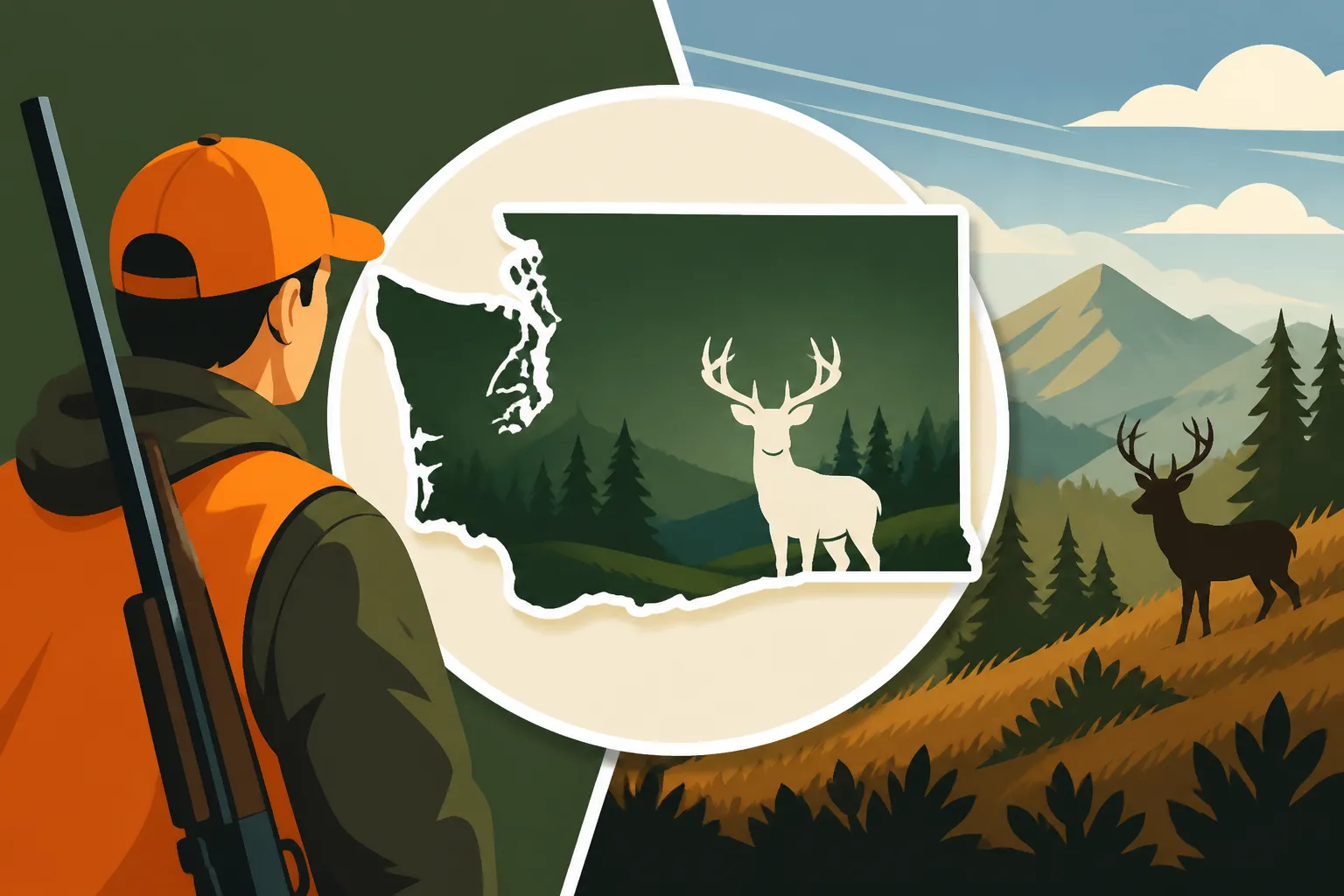
Let's be real, the term "private land hunting" often conjures images of expensive leases, exclusive clubs, or begging a landowner for permission. It can feel inaccessible, a privilege reserved for the lucky few. But Washington's "Feel Free to Hunt" program is different. It's a fantastic initiative where private landowners, in partnership with the Washington Department of Fish and Wildlife (WDFW), open up their properties for public hunting without requiring prior permission or a sign-in. This isn't just a casual handshake agreement; these are official, clearly marked lands that offer genuine access, often for deer, elk, bear, or upland birds. It’s a game-changer for many of us who rely on public access but crave more options.
The WDFW's Role in Private Land Access
The WDFW plays a crucial role in bridging the gap between private landowners and hunters. They recognize that a huge chunk of potential wildlife habitat and hunting ground is on private property, and without programs like "Feel Free to Hunt," that access would simply disappear. The WDFW works directly with landowners, offering incentives and management advice, in exchange for allowing public hunting. This partnership is vital because it expands our hunting opportunities beyond the traditional national forests and state lands. They help manage the expectations on both sides, ensuring that hunters respect the land and that landowners feel good about opening their gates. It’s a win-win, allowing for better wildlife management and more boots on the ground for ethical hunters. These initiatives are part of the broader Washington Private Lands Access Programs that the WDFW works hard to maintain.
Types of Landowners Participating
You might think only small, rural landowners participate, but the reality is quite diverse. "Feel Free to Hunt" properties can range from small agricultural fields and timber tracts to larger cattle ranches or even reclaimed mining lands. What they all have in common is a willingness to allow public hunting, often for specific species or during certain seasons, as long as hunters adhere to the rules. These aren't always vast, untouched wildernesses; sometimes they are smaller parcels, strategic corridors, or areas adjacent to other public lands, making them incredibly valuable for hunting. The key is that these landowners are choosing to open their gates, which is a huge gift to the hunting community.
How to Identify and Access Feel Free to Hunt Properties
Okay, so you know they exist, but how do you actually find these elusive "Feel Free to Hunt" gems? This is where many hunters get frustrated, poring over paper maps or driving around aimlessly. Thankfully, the WDFW has made it much easier, but it still requires a bit of savvy on your part. It's not always as simple as seeing a big sign from the highway, though sometimes it is! The real trick is knowing where to look and what tools to use before you ever leave your driveway. Understanding how to find these spots is as crucial as understanding Washington Game Management Units Explained themselves.
Using the WDFW Hunt Planner Map
The absolute best resource for locating "Feel Free to Hunt" properties is the WDFW's online Hunt Planner map. If you're not using it, you're missing out. This interactive map is a treasure trove of information, layering public and private lands, GMU boundaries, and, most importantly for this discussion, all the various WDFW access programs.
To use it effectively, navigate to the WDFW website and find the Hunt Planner. You'll want to select the "Recreation Sites and Access" layer, and then specifically look for the "Feel Free to Hunt" checkbox. Once activated, these properties will light up on the map. You can zoom in, see the property boundaries, and often click on them for specific details, like what species are open to hunt, what dates, and any special restrictions. This is where you'll find the most up-to-date information, as these agreements can change year to year. Make it a routine to check this map before any hunt. Tools like GoHunt also integrate WDFW data, offering a robust platform for visualizing these access opportunities alongside other land ownership details, making your e-scouting even more efficient.
On-the-Ground Signage and Verification
While the WDFW map is your primary tool, once you arrive at a "Feel Free to Hunt" property, you'll usually find physical signage. These signs are critical. They often state "WDFW Feel Free to Hunt" and will typically outline specific rules for that particular property.
What to look for:
- Distinctive WDFW signs: These are usually bright yellow or white and clearly state "Feel Free to Hunt" with the WDFW logo.
- Specific rules: Pay close attention to any written rules on the sign. These might include parking instructions, boundaries, species restrictions (e.g., "Deer Only"), or even specific weapon restrictions.
- Property boundaries: Even with signs, it's wise to double-check boundaries with your mapping app, especially if the property abuts other private land that isn't part of the program. This is where a robust mapping platform like GoHunt can really shine, showing you exact property lines overlaid with aerial imagery, helping you avoid accidental trespass.
It's common for hunters to misunderstand these boundaries or rules, which can lead to headaches for both you and the landowner. Always assume there are specific rules and look for them. If a sign is missing or unclear, err on the side of caution and verify with the WDFW directly if possible, or consider it off-limits until clear. Never assume just because one part of a landowner's property is "Feel Free to Hunt" that the entire parcel is.
Rules, Regulations, and Ethical Considerations
Just because a property is "Feel Free to Hunt" doesn't mean it's a free-for-all. Far from it. These lands are still private property, and access is a privilege, not a right. Ignoring the rules or showing a lack of respect is the quickest way to jeopardize these valuable programs for everyone. We owe it to the landowners and to the future of hunting in Washington to be exemplary stewards. This isn't just about avoiding a ticket; it's about preserving opportunities.
General Rules and Property-Specific Limitations
Every "Feel Free to Hunt" property will fall under general Washington hunting regulations, of course. This means you need your valid license and appropriate tags, you must adhere to season dates, legal shooting hours, and weapon restrictions for the GMU you're in. However, these properties often come with additional rules unique to that specific parcel.
Common property-specific limitations include:
- Species-specific hunting: Some properties might only be open for deer, while others allow elk or upland birds. Always verify.
- Weapon restrictions: Don't be surprised to find some "Feel Free to Hunt" areas are limited to archery or shotgun-only, particularly if they are closer to populated areas or near livestock.
- Parking areas: Landowners often designate specific parking spots. Don't block gates or driveways, or park on crops or sensitive areas.
- No motorized vehicles: Many properties will be walk-in only beyond a certain point. Respect these closures.
- Time of day restrictions: Some landowners might specify access hours, especially if they have livestock or active farming operations.
- No littering, no fires, no camping: These are usually standard but always worth reiterating. Pack out everything you pack in, and then some.
- Reporting: Occasionally, a landowner may ask that you report your harvest directly to them, or to a specific WDFW contact. This is separate from the mandatory Washington Harvest Reporting Requirements.
Always check the WDFW map for specific property notes, and read all on-site signage carefully. If you're unsure, find an alternative spot or contact the WDFW for clarification. Being informed and compliant is paramount.
Respecting Landowners and Fellow Hunters
This cannot be overstated: our behavior directly impacts whether landowners continue to offer access. One bad apple can spoil it for everyone.
Key etiquette points:
- Leave no trace: This means packing out all your trash, including spent shell casings, broadhead remnants, and food wrappers. Better yet, pick up any trash you find, even if it's not yours.
- Close gates: If you open a gate, close it behind you. Livestock getting out is a major headache for landowners.
- Stay on designated trails/paths: Avoid trampling crops or disturbing sensitive areas.
- Be courteous to other users: You might encounter hikers, bird watchers, or other hunters. A friendly nod goes a long way. If you’re hunting in a popular area, consider how your actions might impact another hunter's experience.
- Avoid unnecessary noise: While hunting, keep your voice down, and avoid loud vehicles or excessive horn honking.
- Retrieve wounded animals: Do everything in your power to recover any animal you shoot. Losing an animal on private land is disrespectful to the animal, the landowner, and your fellow hunters.
- Respect livestock and domestic animals: Keep your distance from any cattle, horses, or other animals. Never harass them.
By treating "Feel Free to Hunt" properties with the utmost respect, we demonstrate that hunters are responsible partners in land stewardship. This positive impression encourages landowners to continue participating in the program, ensuring future generations have these precious hunting opportunities. Compare this to the complexities of Hunting Behind Timber Company Gates, and you'll appreciate the simplicity and trust involved in these programs.
Maximizing Your Success on Feel Free to Hunt Lands
Okay, you've found a "Feel Free to Hunt" property, you understand the rules, and you're ready to go. Now, how do you actually hunt it effectively? These properties often present unique challenges and opportunities compared to vast tracts of national forest or designated Washington Wildlife Area Rules. Success here often comes down to adapting your strategy and being extra diligent in your preparation.
Scouting and E-Scouting Strategies
Just like any other hunting land, scouting is crucial for "Feel Free to Hunt" properties. The difference is, these areas might be smaller, have more varied terrain (farmland, woodlots, riparian zones), and potentially more human activity.
- E-Scouting is paramount: Before you ever step foot on the property, dive deep into e-scouting. Use the WDFW Hunt Planner map to confirm boundaries and any specific access points. Then, switch to satellite imagery. Look for natural funnels, pinch points, cover, water sources, and food plots. Identify potential bedding areas, travel corridors, and escape routes. Are there old logging roads or fence lines that animals might follow? Programs like GoHunt provide excellent topographic maps, satellite imagery, and public land ownership overlays that are invaluable for this initial phase. You can mark waypoints for potential stand locations, glassing knobs, or access trails, saving you precious time in the field. This detailed e-scouting can often reveal surprising pockets of prime habitat on what might look like unremarkable land from the road.
- On-the-ground confirmation: Once you've identified some promising spots from your e-scouting, make an effort to walk the property before the season, if allowed. Respect any "no access before season" rules. This helps you confirm what you saw on the map, understand wind thermals, and look for fresh sign (tracks, rubs, scat). Pay attention to adjacent properties as well; often, "Feel Free to Hunt" lands act as travel corridors or feeding areas for game that beds on nearby private land. Observe where deer or elk might enter and exit the property. If you can't access before the season, arrive extra early on opening day and spend some time quietly observing before making your move. Understanding Public Land Scouting in Washington Before Opening Day principles directly applies here.
Targeting Specific Game on Feel Free to Hunt Lands
The game you encounter on "Feel Free to Hunt" properties will vary widely depending on the region and the specific property's habitat.
- Deer (Blacktail, Mule Deer, Whitetail): These are often the most common species found on "Feel Free to Hunt" lands.
- Blacktails (Western WA): Look for properties with thick brush, reprod timber, and clearcuts adjacent to agricultural fields. Blacktails love cover and food. Still-Hunting Blacktails in Wet Washington Brush techniques can be very effective in these areas.
- Mule Deer (Eastern WA): Focus on properties that offer a mix of sagebrush, timber pockets, and proximity to wheat fields or riparian zones. They'll often feed in fields during low light and bed in the timber or draws. Glassing Sage and Wheat Edges for Washington Mule Deer is a great strategy here, especially at dawn and dusk.
- Whitetails (Northeast WA): Seek out river bottoms, dense thickets, and properties near agricultural land. Whitetails are masters of staying hidden in relatively small cover.
- Elk (Roosevelt & Rocky Mountain): Finding elk on "Feel Free to Hunt" lands can be more challenging, as they require more space. However, some larger timber company lands that enroll in the program, or private ranch lands near known elk habitat, can offer excellent opportunities. Look for wallows, fresh tracks, and feeding sign. Pay attention to properties that connect larger chunks of public land or act as migration routes. You might find success still-hunting through timbered sections or watching field edges at first and last light.
- Bear & Cougar: These predators will be present wherever their prey (deer and elk) are. If a "Feel Free to Hunt" property has good deer or elk populations, it's likely to hold bears and cougars as well. Spot-and-stalk can work for bears, especially in early season when they're feeding on berries or fresh greens. Cougar hunting on these properties often involves reading tracks and sign.
- Upland Birds: Many agricultural "Feel Free to Hunt" properties can be phenomenal for pheasants, quail, or partridge. Look for properties with good cover like hedgerows, tall grass, or brushy creek bottoms adjacent to grain fields.
No matter the species, remember that these animals are still wild. They will adapt to hunting pressure and human activity. Be patient, hunt smart, and always remain ethical.
| Access Program Feature | Feel Free to Hunt | Hunt by Reservation | Register to Hunt | Private Timber Company Permits (e.g., Weyerhaeuser) |
|---|---|---|---|---|
| Prior Permission | Not required; just show up. | Required; must apply and be drawn for a specific date. | Required; register online for specific dates. | Required; purchase annual permit or enter draw. |
| Cost | Free | Free | Free | Varies; can be several hundred dollars per year. |
| Access Control | Open entry, follow WDFW and landowner rules. | Limited number of hunters, specific entry times. | Limited number of hunters, specific entry times. | Controlled by company gates, often walk-in only. |
| Typical Land | Diverse: farms, small timber, mixed habitat. | Larger private lands, often with good habitat. | Similar to reservation, usually larger parcels. | Large industrial timber holdings. |
| Season Length | General seasons apply (check property specific). | Specific dates, often shorter durations. | Specific dates, often shorter durations. | General seasons apply (check company specific). |
| WDFW Map Identifier | Yellow/White boundary on WDFW map. | Blue boundary with specific hunt choices. | Green boundary with specific hunt choices. | Often shown as private land; check company websites. |
| Physical Signage | Yes, "Feel Free to Hunt" signs. | Yes, "Hunt by Reservation" signs. | Yes, "Register to Hunt" signs. | Company gates and "No Trespassing" if no permit. |
Disclaimer
Please remember that hunting regulations, property access rules, and season dates can change. Always consult the most current Washington Department of Fish and Wildlife (WDFW) regulations pamphlet and check for any emergency rule changes before heading afield. The information provided here is for general guidance and educational purposes only. Always verify specific rules for any "Feel Free to Hunt" property you plan to visit.