Hunt by Reservation Sign-Ups
For many Washington hunters, the dream of accessing prime private land often feels like chasing a ghost – frustratingly out of reach or shrouded in mystery. With so much private timberland and agricultural property locked behind gates or requiring elusive permission slips, it's easy to feel like you're constantly hitting dead ends. This guide is here to shed some light on one vital avenue: Washington's "Hunt by Reservation" program, breaking down exactly how it works and how you can successfully navigate its sign-up process to unlock new opportunities.
Understanding Washington's Hunt by Reservation Program
The Washington Department of Fish and Wildlife (WDFW) has done a phenomenal job over the years trying to bridge the gap between private landowners and public hunters. One of their most innovative and valuable initiatives is the "Hunt by Reservation" program. Unlike general public land access or even "Feel Free to Hunt" properties where you simply show up, this system offers a more structured approach, giving you a confirmed time and place to hunt, often on private lands that would otherwise be completely inaccessible.
What Makes Reservations Different
At its core, the Hunt by Reservation program is designed to manage hunter density and provide quality hunting experiences on specific properties. These properties are typically private lands, often agricultural fields or timber holdings, where landowners are willing to open their gates to hunters under specific, controlled conditions. This system is a win-win: landowners get assistance with wildlife management and often reduce crop damage, while hunters gain access to areas that might hold better game populations or offer a less crowded experience than heavily pressured public lands. It's a structured approach, almost like booking a campsite, but for hunting. You select a specific date, often a specific time, and sometimes even a specific hunting area within a larger property, ensuring that you're not competing with dozens of other hunters for the same spot. This contrasts sharply with the "Washington Feel Free to Hunt Properties" which are essentially open access lands without a reservation system, or the "Washington Register to Hunt Properties" which require a simple, often online, registration but don't limit daily numbers.
Types of Properties and Game Species Available
The types of properties enrolled in the Hunt by Reservation program can vary wildly across Washington. You might find anything from sprawling eastern Washington wheat fields offering fantastic goose or pheasant hunting to smaller, timbered parcels on the west side with potential for blacktail deer. Some properties are geared towards waterfowl, with designated blinds and specific entry times, while others might be for upland birds or even big game like deer. It really depends on the property and what the landowner and WDFW have agreed upon. The WDFW website is the official hub for these opportunities, and they often update listings seasonally. For example, some units might offer late-season antlerless deer hunts through reservation, while others focus on migratory birds during their peak. Always check the specific reservation details for target species, dates, and any special regulations, as these can differ significantly from property to property. Many hunters find that resources like GoHunt can be useful for looking up regulations and harvest data in specific GMUs, which might inform their reservation choices, though GoHunt primarily focuses on big game draw odds.
Navigating the Sign-Up Process for Hunt by Reservation Properties
Successfully securing a hunting spot through the Hunt by Reservation program can feel like a bit of a race, especially for popular properties. It requires preparation, quick action, and a clear understanding of the WDFW's online system. Don't get discouraged if you don't get your first choice immediately; persistence is key!
Step-by-Step Guide to Reserving Your Hunt
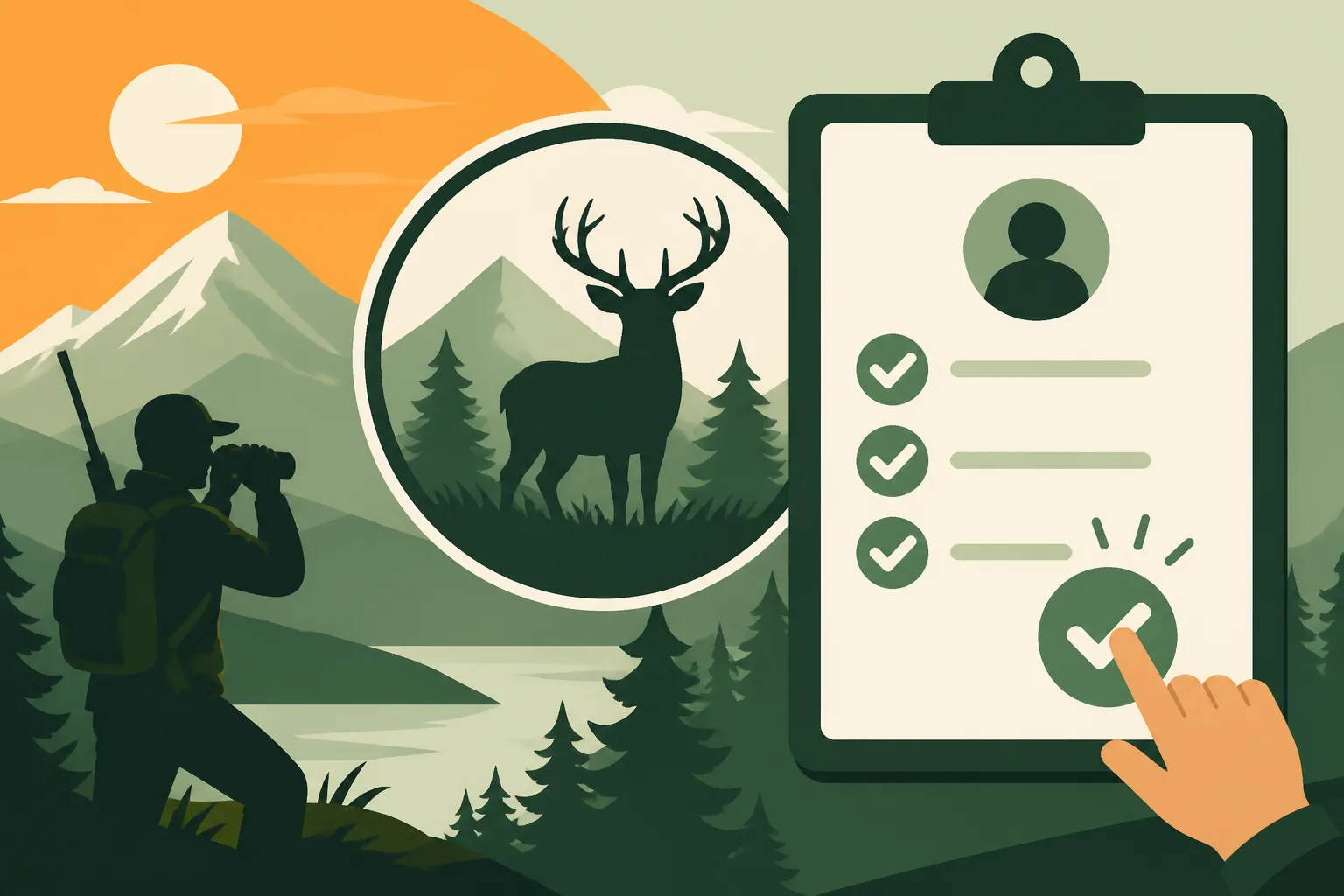
The core of the reservation system is typically found on the WDFW's GoHUNT webpage (sometimes called "Hunter Access" or "Hunt Planner"). Here’s a general rundown of how it usually works:
- Preparation is Key: Before the reservation windows even open, do your homework. Identify the specific properties you're interested in, the game species you want to hunt, and the general season dates. Look at the WDFW Hunting and Fishing Pamphlets for the current year. Some properties open reservations weeks or even months in advance, while others might open them on a weekly or daily rolling basis. Understanding the specific timing for your chosen property is critical. You can often find details on "E-Scouting Washington GMUs Before the Draw" pages or by delving into the WDFW website's individual property descriptions.
- Account Access: Ensure your WILD account is up-to-date. You'll need a valid Washington hunting license for the current year to participate in most reservation programs. If you don't have one, get it squared away well in advance.
- Monitor the WDFW Website: Keep a close eye on the WDFW's "Hunt by Reservation" portal. They will clearly state when reservation periods open for various properties. Set reminders on your phone! These spots often fill up within minutes, especially for prime dates and locations.
- The Reservation Window Opens: As soon as the reservation window opens, navigate to the specific property you want. You'll typically see a calendar showing available dates and times. Click on your desired slot.
- Confirmation and Details: Once you select a slot, you'll go through a quick confirmation process. Pay close attention to all the details provided, including access instructions, specific hunting boundaries, parking areas, and any additional rules unique to that property. Sometimes, a confirmation email will follow with a printable permit or a QR code.
- Print Your Permit: Always print out your reservation permit or have it readily available on your smartphone. WDFW officers or property managers may ask to see it.
Common Pitfalls and How to Avoid Them
Even with a clear process, things can go wrong. Here are some common issues and how to steer clear of them:
- Missing the Reservation Window: This is perhaps the biggest pitfall. Popular spots can fill in under a minute. My best advice: know the exact opening time (down to the second if possible), be logged in to your WDFW WILD account beforehand, and have your finger hovering over that mouse button. Treat it like buying concert tickets for your favorite band.
- Not Reading Property-Specific Rules: Every reservation property is unique. Some might be archery-only, others might prohibit certain types of ammunition, or have specific entry/exit times. I once heard about a hunter who showed up with a modern firearm to a shotgun-only reservation; needless to say, his hunt was over before it began. Always read the fine print. You don't want to get a "Washington Wildlife Violation Penalties" for something that could have been easily avoided.
- Lack of Confirmation: Always ensure you receive a confirmation email or can see the reservation reflected in your WILD account. If not, contact WDFW immediately. Showing up without a valid, confirmed reservation will lead to disappointment.
- Last-Minute Cancellations/Changes: Life happens, and sometimes WDFW or the landowner might need to cancel or change a reservation due to unforeseen circumstances (e.g., severe weather, sudden changes in land use, or even an emergency closure like during wildfire season). Always check your email and the WDFW website before heading out.
Maximizing Your Chances and Making the Most of Your Reservation
Getting a reservation is just the first step. To truly have a successful and enjoyable hunt, you need to prepare, respect the rules, and understand the nuances of hunting these specific properties.
Pre-Hunt Scouting and Preparation
Once you've secured your reservation, don't just show up blind. Treat it like any other hunt and conduct some thorough pre-hunt scouting, even if it's just from your living room.
- Digital Scouting: Use online mapping tools like OnX Hunt, Gaia GPS, or even Google Earth to study the property boundaries, terrain features, access roads, and potential bedding or feeding areas. Look for choke points, natural funnels, water sources, and any features that might concentrate game. GoHunt offers excellent mapping overlays that can combine publicly available land data with game management unit boundaries, which can be invaluable. This type of "E-Scouting Washington GMUs Before the Draw" isn't just for drawing permits; it's essential for any new hunting area.
- Respectful On-Site Scouting: If allowed, a physical pre-season scout can be incredibly beneficial. However, always verify if pre-hunt scouting is permitted on reservation properties and adhere strictly to any rules. Often, these lands are actively farmed or managed, and unannounced visits are not appreciated. If you do scout in person, stick to designated areas, avoid disturbing crops or livestock, and be mindful of your presence. A quick walk-through can reveal fresh sign, recent travel patterns, and help you mentally map out your approach on opening morning. Remember, the goal is to make a positive impression and ensure landowners continue to participate in these programs.
- Gear Check: Just like any hunt, make sure your gear is in top shape. "Sighting In Before the Opener" is crucial for rifle hunters. Archery hunters should practice regularly, especially for "Archery Practice for Wet Coastal Conditions" if that applies to your unit. Ensure you have the right "Rain Gear for Westside Hunting" or appropriate layering for "Late-Season Hunting in Washington Snow" if your reservation falls during colder months.
Etiquette and Respect for Private Land
Hunting on private land, even with a WDFW reservation, comes with a heightened responsibility. Your actions directly reflect on all hunters and can impact the future availability of these programs.
- Leave No Trace: Pack out everything you pack in. And then some. If you see trash that isn't yours, pick it up. Leave the property in better condition than you found it. This goes beyond standard "Backcountry Camps in Washington Wilderness" etiquette; it's about respecting someone's private property.
- Stay Within Boundaries: Adhere strictly to the designated hunting boundaries shown on your permit or marked on the ground. Trespassing, even accidentally, can jeopardize the entire program. Use your GPS or mapping app to confirm your location.
- Communicate: If you encounter a landowner or manager, be friendly, polite, and thank them for the opportunity. Follow any verbal instructions they provide. Good communication fosters good relationships.
- Report Harvest: Comply with all WDFW harvest reporting requirements promptly. This data is vital for wildlife management and for demonstrating the value of these private land access programs. For specific guidelines, refer to "Washington Harvest Reporting Requirements".
Comparative Overview of Washington Hunter Access Programs
To help clarify the different private land access options in Washington, here's a table comparing the primary WDFW programs. Understanding these distinctions is crucial for planning your hunts effectively.
| Program Type | Description | Key Feature | Hunter Management | Best For |
|---|---|---|---|---|
| Hunt by Reservation | Hunters apply or sign up online for specific dates/times on designated private or WDFW lands. | Pre-booked access, controlled hunter numbers. | Strict limits on daily hunters, specific time slots, often property-specific rules. | Hunters seeking a more controlled, less crowded experience on potentially higher-quality private lands; those who prefer planning ahead. Good for "Hunt by Reservation Sign-Ups". |
| Feel Free to Hunt | Designated WDFW-managed properties or private lands with signage indicating open public access without prior permission or reservation. | Open access, no sign-up required. | Hunter numbers not directly controlled, first-come, first-served. | Hunters who prefer spontaneity and exploring multiple areas; good for "Finding Feel Free to Hunt Ground Near You" and finding walk-in opportunities. |
| Register to Hunt | Hunters must register online or at a physical station before hunting on specific properties. Registration typically doesn't limit daily numbers but helps track use. | Mandatory registration, usually online, before hunting. | Tracks use; may have general rules, but typically no daily hunter limits. | Hunters wanting to comply with specific property requirements and contribute to WDFW data; often found on WDFW Wildlife Areas. More details at "Getting a Register to Hunt Permission Slip". |
| Written Permission | Direct contact with a private landowner is required to obtain written permission. WDFW may assist with forms but doesn't manage access. | Individual permission from landowner. | Varies by landowner; direct communication is key. | Hunters with existing landowner contacts or those willing to invest time in "Getting Written Permission on Private Land". Can be a great way to access prime, unpressured areas. |
| Private Timber Permits | Large timber companies (e.g., Weyerhaeuser, Hancock) sell permits for access to their lands, often through a draw or direct purchase. | Purchased permits, often annual or seasonal. | Managed by timber companies; can be expensive, but opens vast areas. | Hunters targeting large tracts of private timberland, especially in Western Washington; requires research into specific company programs like "Timber Company Permits in Western Washington". |
Common Challenges and Important Considerations
While the Hunt by Reservation program offers fantastic opportunities, it's important to approach it with realistic expectations and an understanding of its limitations and evolving nature.
The Competition for Prime Spots
Let's be real: everyone wants access to the best hunting. The very nature of a reservation system means that desirable properties and peak dates will be highly competitive. It's not uncommon for these spots to be fully booked within seconds of the reservation window opening. This can be incredibly frustrating, especially if you're trying to plan a specific hunt or coordinate with friends. Don't let this deter you, though. Keep trying, explore less popular dates (mid-week hunts are often easier to secure), and be flexible with your target properties. Sometimes the "second tier" properties can offer just as good an experience with less competition. This is where patience and persistence truly pay off.
Evolving Rules and Program Changes
The landscape of private land access programs in Washington is always changing. Landowners might join or leave the program, WDFW might modify rules, or specific properties might shift their offerings. What was available last year might not be this year, or the reservation process itself could be tweaked. It’s crucial to stay up-to-date with the latest WDFW regulations and program announcements. Always consult the most current Hunting and Fishing Pamphlet and regularly check the WDFW website for updates. Resources like GoHunt can help you stay informed about broader regulation changes, but for specific reservation details, the WDFW site is your bible. This dynamic environment means that your "go-to" spot might require new strategies each season, reinforcing the need for continuous research and adaptability.
Balancing Reservation Hunts with Other Access Methods
The Hunt by Reservation program is just one arrow in your quiver. It complements, rather than replaces, other access methods. You might find yourself securing a reservation for a specific bird hunt, while simultaneously planning to "Public Land Scouting in Washington Before Opening Day" for elk, or working on "Getting Written Permission on Private Land" for a deer spot. Diversifying your approach to land access increases your overall opportunities and resilience when one method doesn't pan out. For example, if you can't get a reservation for a specific waterfowl spot, you might shift to hunting "Waterfowl and Upland Birds After Washington's Big Game Closes" on a Feel Free to Hunt property. Never put all your eggs in one basket; a well-rounded hunter in Washington utilizes every available avenue to maximize their time afield.
Disclaimer
The information provided in this guide is for general educational purposes only and is subject to change. Hunting regulations, seasons, and access programs are managed by the Washington Department of Fish and Wildlife (WDFW) and can be updated at any time. Always consult the official WDFW hunting regulations pamphlet and website for the most current and accurate information before planning any hunting activity.