Bobcat Sets and Season Timing
Bobcat trapping in Washington is a rewarding pursuit, but it's often fraught with challenges, from deciphering complex regulations to understanding the elusive nature of these incredible furbearers. Many aspiring trappers feel overwhelmed by where to start, what techniques are effective, and how to stay compliant with state laws. This comprehensive guide aims to demystify bobcat sets and season timing, providing you with the practical knowledge to increase your success and navigate the Washington landscape with confidence.
Understanding Washington's Bobcat Seasons and Regulations
One of the biggest hurdles for any furbearer trapper in Washington is staying on top of the regulations, and bobcats are no exception. The Washington Department of Fish and Wildlife (WDFW) sets specific seasons and guidelines that can vary slightly year to year, and understanding these is your first and most critical step. Ignoring them isn't just a risk to your efforts, it's a legal liability.
General Bobcat Season Timing
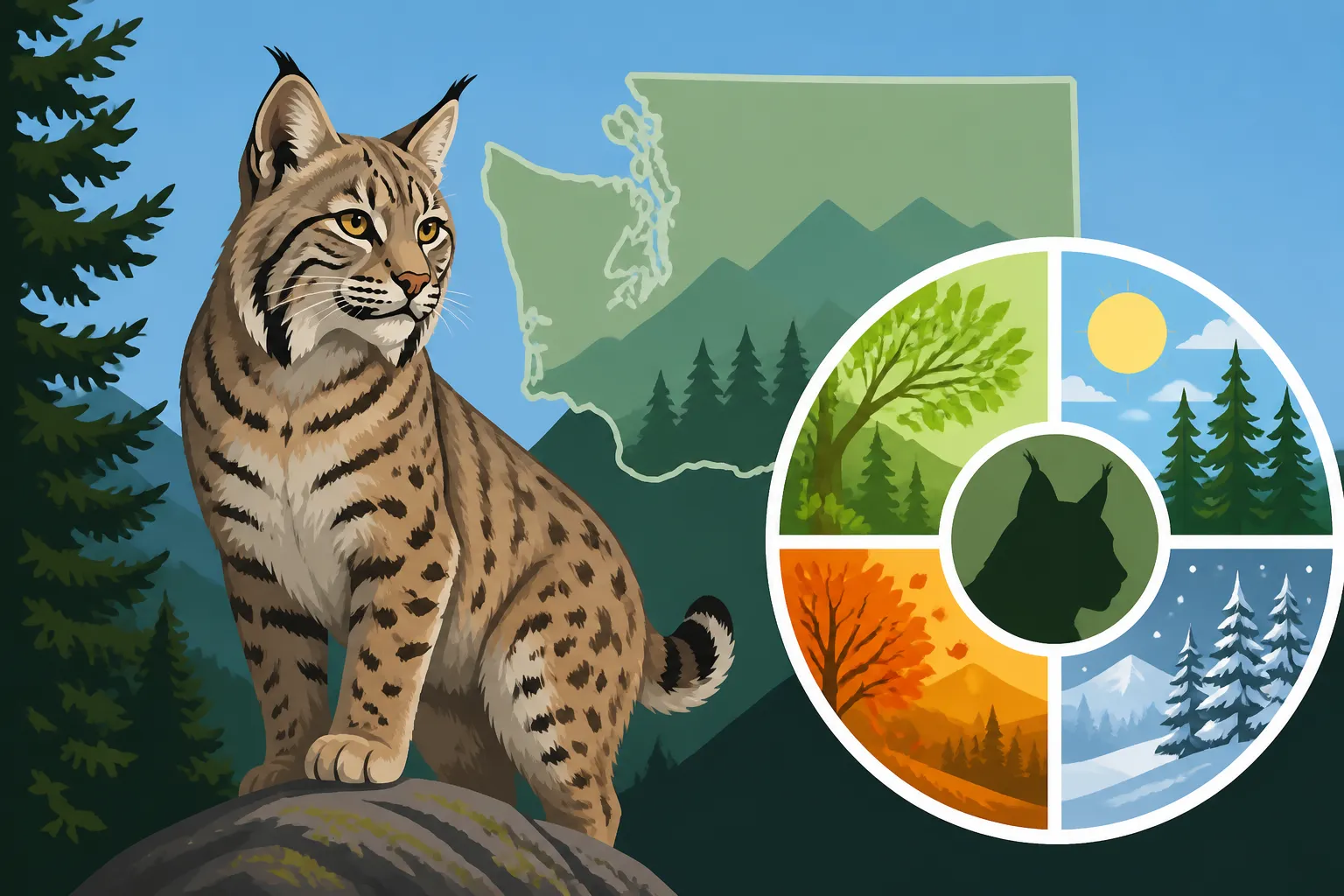
Washington's bobcat season typically runs from early September through mid-March, though specific dates can fluctuate and are often different for eastern and western Washington. It’s absolutely essential to check the current WDFW Furbearer Hunting and Trapping pamphlet each year, usually released in late summer, as changes are common. For instance, the general season in Western Washington might open a week or two later than in Eastern Washington, or close earlier in some areas. These subtle differences can make or break your efforts, especially if you're planning a trip across the state. Remember, while the general framework is consistent, the exact dates for Washington Bobcat and Furbearer Seasons are subject to annual review by the WDFW Commission.
What's more, bobcats are often lumped in with other furbearers like coyotes and foxes, meaning their seasons might align, but not always. Don't assume the rules for one apply to all. This can be a point of frustration for many, as it requires diligent review of the regulations for each species you intend to pursue. Always double-check county-specific rules or wildlife area restrictions, too; sometimes a local ordinance or a Washington Wildlife Area Rules will impact where and how you can set traps, regardless of the statewide general season.
Licensing, Tagging, and Reporting Requirements
Before you even think about setting a trap, you need the proper licensing. A valid Washington hunting license with a furbearer endorsement is generally required. Unlike deer or elk, you typically don't purchase a separate bobcat "tag" beforehand in the same way, but any harvested bobcat usually requires a species-specific tag or sealing process after the fact. This process ensures accurate harvest data collection, which is crucial for wildlife management. The specific steps for sealing can involve taking the pelt or carcass to a WDFW office or an authorized agent within a certain timeframe after the harvest. This might be a two-day window, or even shorter depending on the species and conditions.
Additionally, harvest reporting is a non-negotiable part of trapping in Washington. Whether you successfully harvest a bobcat or not, you are typically required to report your trapping activity by a certain deadline each spring. Failing to report can result in penalties, including fines or loss of future trapping privileges. This reporting helps WDFW monitor populations and adjust future seasons. Think of it as your contribution to sound wildlife management – the data you provide helps ensure healthy bobcat populations for generations to come. You can often find details on these requirements in the same WDFW pamphlet where you'll find Washington Hunter Education and Licensing details.
| Aspect | Typical Washington Regulation | Key Consideration |
|---|---|---|
| Season Dates | Early September to Mid-March (varies by East/West WA, and year-to-year) | Always check current WDFW Furbearer pamphlet; dates can shift. |
| Licensing | Valid hunting license with furbearer endorsement. | Purchase before setting traps. |
| Tagging/Sealing | Specific WDFW tag or sealing required post-harvest (often within 2-5 days). | Contact WDFW or authorized agent promptly; process ensures accurate data. |
| Harvest Reporting | Mandatory annual report of trapping activity, successful or not. | Missed deadlines can lead to penalties; crucial for wildlife management. |
| Trap Restrictions | Specific rules on trap types, size, sets (e.g., body-grip size limits, snare modifications). | Know legal trap sizes and modifications; check for county/wildlife area specific bans. |
| Bait/Lure Rules | Regulations on types of bait, scent, and visibility. | Ensure lures are legal; avoid methods that could attract non-target species illegally. |
| Setback Distances | Rules regarding trap placement near roads, trails, residences, or public access points. | Respect public safety and other users; avoid setting in high-traffic areas. |
Essential Bobcat Trapping Sets and Strategies
Now that you've got the legalities down, let's talk about the brass tacks: what kind of sets actually work for these cunning creatures? Bobcats are notoriously wary, intelligent, and possess an incredible sense of smell and caution. You can't just throw out a trap and expect success. It requires understanding their behavior, their travel patterns, and their natural curiosity.
The Dirt Hole Set
The dirt hole set is a time-tested classic for canines and felines alike, and it's incredibly effective for bobcats when done correctly. The basic idea is to simulate a caching spot where another animal might have buried food, or a burrow. You dig a hole at an angle, usually about 6-8 inches deep and 3 inches wide, typically at a prominent point like a slight rise, the base of a bush, or near a clump of grass. The trap itself, usually a #1.5 or #2 coilspring or longspring foothold trap (always check WDFW for legal trap sizes), is bedded in front of the hole, offset slightly to one side. The pan of the trap should be level with the ground, covered with sifted dirt or peat moss, and blended seamlessly into the surroundings.
The magic happens with the attractants. Inside the dirt hole, you'll place a small piece of bait – often tainted meat like beaver, venison, or even commercial trapping bait. Above the hole, a powerful, musky bobcat lure or gland lure is applied to a nearby stick, grass clump, or the lip of the hole itself. Some trappers also add a visual attractor like a tuft of fur or a bird feather tied to a small twig, strategically placed just above the hole and slightly behind the trap. The bobcat, drawn by the smell and visual cue, will approach the hole, step on the trap, and, well, you know the rest. The key is extreme attention to detail in bedding the trap solidly and blending the set; bobcats have excellent eyesight and a suspicious nature.
The Cubby Set and Variations
Cubby sets are fantastic for protecting bait and lure from weather and non-target animals, and they play on a bobcat's natural inclination to investigate enclosed spaces, especially if they hint at a den or a cached meal. A cubby can be natural, like a hollow log or a rock overhang, or artificial, constructed from a few sticks and branches or even old tires. The opening should be just large enough for a bobcat to enter comfortably. The bait, often a larger chunk of meat, is placed deep inside the cubby.
The trap is then positioned right at the entrance, either a foothold trap bedded identically to a dirt hole set, or a legal-sized body-grip trap (like a Conibear 160 or 220, depending on regulations and desired target size, again, always check WDFW rules for body-grip trap sizes and placement restrictions) placed in the entrance itself. If using a body-grip, it's crucial to ensure it's set in a manner that reduces the risk to non-target species, such as recessed within the cubby or elevated. The bait inside, along with a good bobcat lure applied to the cubby's ceiling or a stick near the entrance, draws the bobcat in. This set is particularly effective in snowy conditions, as the cubby protects the lure and prevents the trap from freezing over as easily.
Location, Location, Location
No matter how perfect your set, it's useless if it's not in the right spot. Bobcats are creatures of habit and territorial. They patrol specific travel corridors, mark their territory, and frequent areas where prey is abundant. Look for "pinch points" – areas that funnel animal movement, like narrow passes between rock formations, creek crossings, old logging road beds, or the edges of dense thickets.
Using mapping tools, such as the ones available through GoHunt, can be incredibly helpful for identifying these features from home. You can scout potential trap line locations, analyze topography, and even identify old logging roads where bobcats might travel. A good place to start your research for these travel corridors would be by studying how you would find Finding Old Logging Roads on Satellite and how those might serve as ideal pathways for bobcat movement. Look for sign: tracks (though often hard to distinguish from domestic cats without experience, they're typically larger and lack claw marks), scat, and especially urine spray marks on vertical objects like trees or rocks. These markings, often called "scrapes" or "posts," are clear indicators of a bobcat's presence and territorial activity. Setting a trap near such a marked location can be incredibly productive.
Navigating Washington's Diverse Terrain for Bobcats
Washington State offers an incredible variety of landscapes, and successful bobcat trapping means understanding how these felines utilize different environments, from the dense, wet forests of the west side to the dry, open breaks and timber pockets of the east. Each region presents its own unique challenges and opportunities.
Western Washington's Thick Timber and Coastal Brush
On the western side of the Cascades, you're dealing with thick, often impenetrable timber, dense undergrowth like salal and devil's club, and a generally wet climate. Roosevelt elk and blacktail deer thrive here, and so do the bobcats that prey on their fawns and calves, or smaller game like rabbits and grouse. In this environment, bobcats often stick to established game trails, old logging roads, and creek drainages that offer easier travel. They'll also frequent clearcuts and areas of young reprod (reproduction timber) where prey species are abundant, and cover is dense.
When trapping here, focus on the edges of these dense areas. Look for pinch points where a game trail crosses a small creek or runs along the base of a steep bank. Still-Hunting Blacktails in Wet Washington Brush teaches you to look for similar terrain features that funnel animal movement, and these apply directly to bobcat trapping as well. Because of the constant moisture, protecting your sets from rain and freezing is crucial. Cubby sets are particularly effective here, as they shield bait and lure, and a well-built cubby can prevent a trap from freezing shut in a wet snap. Scent control is also paramount; the dense vegetation can hold human scent longer, and wary bobcats will detect it. Think about using natural barriers to your advantage to guide the bobcat exactly where you want it to step.
Eastern Washington's Dryland Breaks and Ponderosa Pockets
Crossing to Eastern Washington, the landscape shifts dramatically to sagebrush flats, agricultural fields, basalt breaks, and scattered pockets of ponderosa pine and fir. Here, bobcats often prey on rabbits, hares, pheasants, and deer fawns. They're masters of camouflage in this open country, using coulees, rock piles, and riparian areas along creeks and rivers for cover and travel. The snow can be a significant factor here, both a blessing and a curse. Fresh snow makes Reading Cougar Sign in the Snow (and bobcat sign) much easier to spot, revealing travel corridors and hunting patterns.
In these drier, more open environments, dirt hole sets can be highly effective, especially when placed near prominent features that a bobcat might investigate, like a lone sagebrush clump on a flat or the entrance to a rocky den. Natural cubbies in rock formations or under fallen logs are also excellent. Consider placing sets along the edges of agricultural fields, particularly where they meet brushy draws or timber. Bobcats will patrol these edges for rodents and birds. Using GoHunt's detailed topographical maps can help you identify these hidden draws and rocky outcrops that are perfect bobcat haunts. During the later parts of the season, understanding Late-Season Snow and Road Access becomes incredibly important for reaching your trap lines. Deep snow can open up new opportunities by funneling animals, but it can also close off access roads, making checking traps difficult or impossible.
Practical Considerations for Successful Bobcat Trapping
Beyond knowing the regulations and mastering your sets, several practical aspects can significantly impact your success and overall experience as a bobcat trapper in Washington. These are the details that often separate the consistently successful trappers from those who struggle.
Scent Control and Trap Preparation
Bobcats have an incredible sense of smell, arguably even better than a domestic cat. Human scent on your traps, tools, or even your boots can make a wary bobcat skirt your set. The best trappers are meticulous about scent control. This starts with trap preparation: new traps should be degreased and dyed or waxed. This not only protects them from rust but also removes manufacturing odors and provides a camouflaged finish. Many trappers boil their traps in dye, then dip them in wax or a commercial trap coating solution.
When setting traps, wear clean gloves – ideally rubber ones – and dedicated trapping clothes that have been washed in scent-free soap and stored separately from other items. Minimize the amount of dirt you disturb around your set, and remove any excess soil or vegetation from the area. If you can, use natural materials from the immediate vicinity to cover your trap and blend it into the surroundings. Some trappers even use a small amount of commercially available "earth scent" or "dirt cover" to mask any foreign odors. Think of it this way: your goal is to make the set look and smell as natural as possible, as if it has always been there, untouched by human hands.
Trap Checking and Safety Protocols
Most states, including Washington, have regulations requiring trappers to check their traps within a certain timeframe – usually every 24 to 48 hours. This is crucial for the humane treatment of any caught animal and to prevent spoilage of fur or meat, especially during warmer periods. Skipping a check can also lead to an animal escaping or being injured by other predators. Planning your trap line routes carefully is key; GoHunt can be a great tool for this, allowing you to map out your trap locations and create efficient loops to ensure timely checks.
Safety extends beyond the animal. You're working with powerful devices, and personal injury is a real risk. Always use a setting tool (like a Conibear setter) for body-grip traps and be incredibly careful with foothold springs. Always wear gloves, and consider carrying a first-aid kit. Furthermore, be aware of other recreational users on public lands. Place your traps in discreet locations, away from popular hiking trails or picnic areas, and ensure they are clearly marked according to WDFW regulations. This minimizes accidental encounters with pets or curious people, which can lead to negative perceptions of trapping and potential rule changes.
Weather, Pelt Care, and Regulations Updates
Weather in Washington can be notoriously fickle, and it significantly impacts trapping success. Rain can wash away lure scents, freeze traps solid, and make access roads impassable. Snow, while often helpful for tracking, can bury sets and make them inoperable. You need to adapt your strategies: in wet conditions, cubby sets offer more protection. In freezing conditions, anti-freeze solutions (like salt or calcium chloride) can be used sparingly under the trap pan, but be cautious as they can also deter animals if overused.
Once you’ve made a successful harvest, proper pelt care is paramount. A well-handled pelt means higher value and honors the animal. Bobcats have beautiful, thick fur, but it can quickly spoil in warm weather. You need to skin the animal promptly, stretch the pelt correctly, and get it dried. If you plan to keep the meat, it needs to be cooled quickly, just like with a deer or elk carcass, and treated for potential parasites (e.g., trichinosis is a concern with many predators).
Finally, and I can't stress this enough, always stay updated on the latest WDFW regulations. Game laws, particularly for furbearers and predators, can change frequently. What was legal last year might not be this year. Check the WDFW website regularly, sign up for their email updates, and read the annual pamphlet cover-to-cover. This diligence ensures you're always operating within the law, protecting yourself and the integrity of the trapping community. You can even check on any potential Washington Fish and Wildlife Commission Rule Meetings that might impact future seasons.
Disclaimer
The information provided in this guide is for general informational purposes only and is not intended as legal advice. Hunting and trapping regulations in Washington State are complex and subject to change. Always consult the official Washington Department of Fish and Wildlife (WDFW) regulations pamphlet for the current year, and any local ordinances, before engaging in any hunting or trapping activities. It is your responsibility to know and follow all applicable laws.