Blue Grouse at High Elevation
Few things are more frustrating than spending a full day scrambling up and down Washington's steep, timbered slopes, only to come back empty-handed and exhausted, all while knowing there are grouse up there somewhere. Trying to locate those elusive blue grouse, often found tucked away in the high country, can feel like searching for a needle in a vast, rugged haystack. This guide is here to unravel the mysteries of high-elevation blue grouse hunting in Washington, helping you understand their preferred habitats, seasonal movements, and effective strategies so you can confidently find these magnificent birds and turn your efforts into success.
The High Country Haven: Where Blue Grouse Call Home in Washington
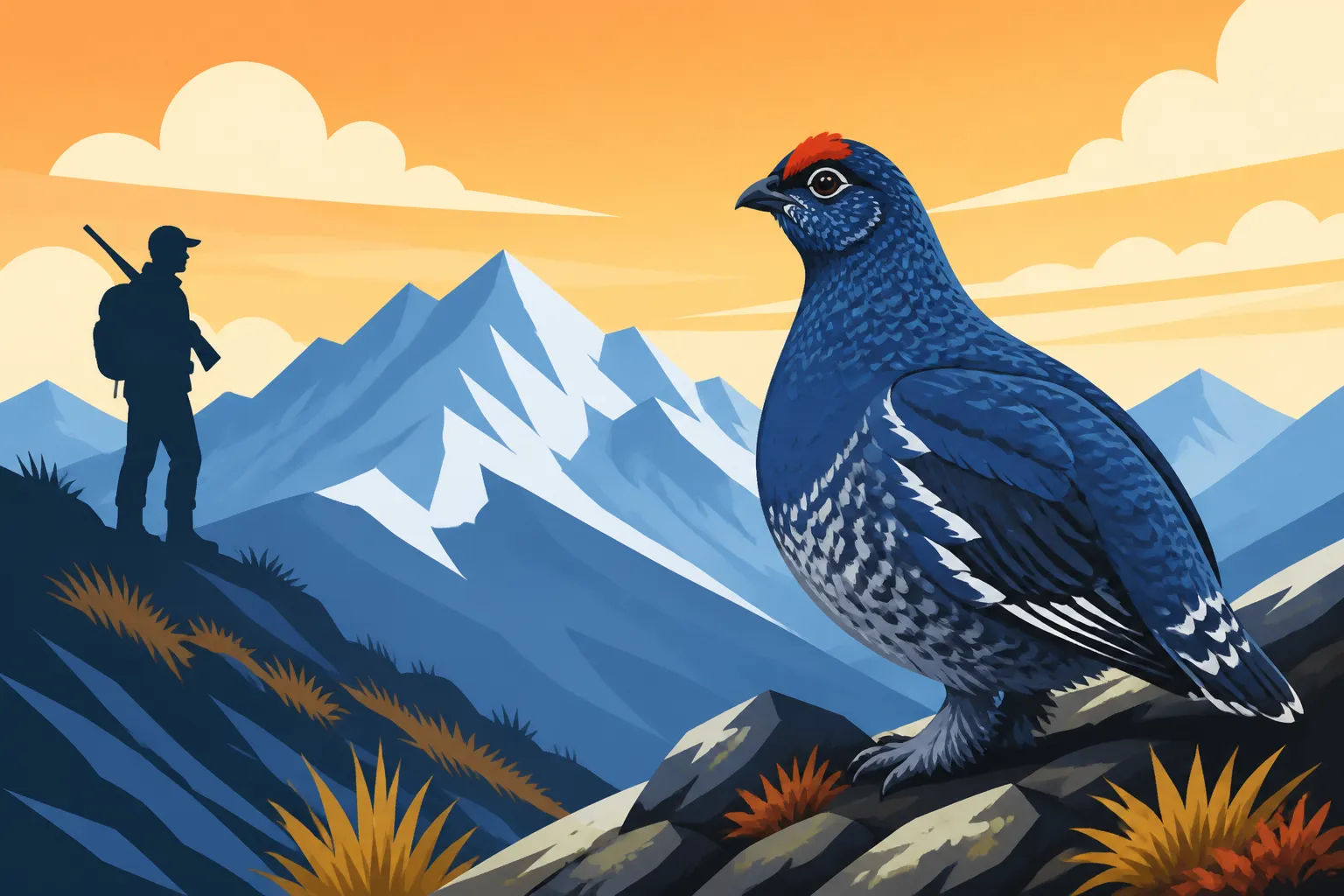
Blue grouse, which many of us colloquially call "hooters" because of the distinct hooting sound the males make, are true denizens of Washington's higher elevations. Unlike their ruffed grouse cousins who prefer denser, younger timber at lower altitudes, blue grouse thrive where the air gets thinner and the trees get taller. Understanding this fundamental difference is the first step to successful hunting. You can't just wander into any patch of woods and expect to bump into them. You need to be deliberate and selective in your scouting and hunting areas.
Decoding Prime Elevations and Timber Stands
When we talk about "high elevation" for blue grouse, we're generally looking at areas above 3,000 feet, often pushing up to 6,000 or 7,000 feet and sometimes even higher, right up to the timberline. These aren't your valley bottoms or easy-access logging roads. This is rugged, often steep country that demands physical fitness and a willingness to hike. The specific elevation will vary depending on whether you're hunting on the west side of the Cascades, where the mountains are generally wetter and thicker, or the drier, more open east side.
On the west side, think of those grand, mature conifer forests: Douglas fir, grand fir, hemlock, and even silver fir as you climb higher. They love the transition zones, where dense timber breaks into small clearings or rock outcroppings. These clearings often provide crucial sunning spots and opportunities for them to dust themselves. The older, more open understory in mature timber allows them a bit more visibility, unlike the nearly impenetrable younger clearcuts that might hold blacktail deer. Reading Clearcuts and Reprod for Blacktail Bucks can give you a different perspective on timber types, but for blue grouse, think older and higher.
East of the Cascades, while you'll still find them in conifer forests, the terrain tends to be drier. Here, ponderosa pine, lodgepole pine, and even some true firs like grand fir dominate the higher elevations. They'll often favor north-facing slopes, which tend to hold more moisture and provide denser cover during the heat of the day. South-facing slopes might be worth checking in the morning or late afternoon when birds might be warming up, but they'll typically retreat to cooler, shaded areas as the sun climbs. The key is to find that sweet spot of mature timber, good cover, and available food sources at those higher, cooler altitudes.
Essential Understory Features: Food and Cover
Blue grouse are primarily vegetarians, and their diet changes with the seasons. Understanding what they're eating is paramount to finding them. In the early fall, before the deep snows, they're feasting on a variety of berries and herbaceous plants. This means focusing your efforts on areas with an abundance of huckleberries, blueberries, grouseberries, and even wild currants. These berry patches aren't just food; they also provide critical cover, allowing the birds to feed undetected.
Look for areas where these plants grow in profusion, often along old logging roads, game trails, or in small natural clearings within the mature timber. Bear grass, a common plant in Washington's high country, is another indicator of suitable habitat, though not necessarily a primary food source. It often grows in the same areas that produce good berry crops.
Beyond food, cover is king. Blue grouse are masters of camouflage. When alarmed, they won't typically flush wildly like a pheasant; instead, they'll often hold incredibly tight, relying on their mottled plumage to blend into the forest floor or against a tree trunk. This means you need to hunt slowly and methodically, scrutinizing every log, every clump of brush, and the base of every tree. They'll use downed timber, thickets of small firs, and even rock piles as escape cover or to simply disappear from view.
The combination of mature timber for roosting and overhead protection, with a diverse understory providing food and concealment, creates that perfect blue grouse sanctuary. Keep an eye out for fresh droppings—small, firm pellets often found under favored roost trees or in feeding areas—as a definitive sign that grouse are in the vicinity.
Timing is Everything: Seasonal Movements of High-Elevation Blue Grouse
Just like any other wild creature in Washington, blue grouse movements are heavily influenced by the changing seasons and the availability of food and water. You can't hunt them the same way in September as you would in October or November. Their behavior shifts, and so must your strategy.
Early Fall: Dispersal and Young Birds
When the season opens in early September, you're often targeting birds that have dispersed from their nesting areas. The young birds are nearly fully grown but might not be as wary as the older adults. This can be a great time to find grouse, but it also means they can be more spread out.
During this period, blue grouse will often be found in relatively open areas within the high timber, taking advantage of the last of the abundant huckleberries and other forbs. They might be found lower on the mountain flanks than later in the season, before the first significant frosts push them higher. This is a good time to cover ground, focusing on areas with mixed timber and those crucial berry patches. The weather is usually milder, making for more pleasant hiking, but remember that even early fall can bring sudden storms at elevation. Be prepared with Layering for Wet Cold Weather and good rain gear.
Mid-Season: Following the Food Sources
As mid-fall arrives, typically by early to mid-October, the food sources begin to change. Many of the ground-level berries have been picked clean by bears or other wildlife, or they've simply withered with the first hard frosts. This is when blue grouse often shift their diet to conifer needles, particularly the tender new growth on fir and spruce trees.
During this phase, grouse will often move higher up the mountainsides, seeking out specific stands of conifer. They might be found closer to the ridgetops or on benches within the high timber. Look for areas with a good mix of fir species. They'll still utilize natural openings and south-facing slopes for sunning during cooler days, but their primary feeding will be higher in the trees. This is a challenging time to hunt them, as they can be high up, making them difficult to spot and even harder to flush into an open shot. Still-hunting becomes even more critical, as does patience. This is where detailed maps and even satellite imagery can help identify those prime, high-elevation timber stands. Services like GoHunt can provide invaluable map layers to pinpoint these specific habitat types before you even lace up your boots.
| Season Phase | Key Habitat Focus | Grouse Behavior | Hunting Strategy |
|---|---|---|---|
| Early Fall | Berry patches, open timber, lower high-elevation flanks | Dispersed, feeding on berries, young birds less wary | Cover ground, focus on food sources |
| Mid-Season | Mature conifer stands, ridgetops, high benches | Shifting to conifer needles, moving higher | Slow still-hunting, glassing high in trees |
| Late Season | Dense, protective timber, upper elevations | Seeking winter roosts, often very tight hold | Extremely slow, methodical hunting, listening for flushes |
Late Season: Transition to Winter Roosts
As November rolls around and the threat of heavy snow becomes real, blue grouse make their final seasonal shift. They move even higher into the densest, most protective conifer timber they can find. These are their winter roosts, where they will spend the colder months, feeding almost exclusively on conifer needles, often buried deep in the snow.
Hunting blue grouse this late in the season can be incredibly difficult due to weather, snow, and the birds' tendency to hold extremely tight. Access becomes a significant challenge, as many high-elevation roads may be closed due to snow. Late-Season Snow and Road Access is a very real concern. However, if you can get into these areas, the rewards can be great. The birds are often concentrated in specific areas, and if you can find them, you might find several together. The key is to move extremely slowly, listening intently for any sound—a rustle in the leaves, the faint flush of wings—and to be ready when a bird finally explodes from the underbrush.
Strategic Approaches to Hunting Washington's Mountain Grouse
Hunting blue grouse in Washington's high country isn't about covering miles in an hour; it's about being methodical, observant, and patient. The terrain itself often dictates your pace, but even on easier ground, a slow, deliberate approach is key.
Still-Hunting the High Ridges and Benches
Still-hunting is arguably the most effective method for mountain grouse. This involves moving incredibly slowly, taking a few steps, then pausing to scan the ground ahead, behind, and even in the trees above. Remember, blue grouse will often hold tight, only flushing when you're almost on top of them. Your eyes are your most valuable tool. Look for anything that seems out of place: a distinct shape, a subtle movement, or a patch of color that doesn't quite match the forest floor.
Focus your still-hunting efforts on ridgetops, benches, and the edges of natural clearings within mature timber. These are natural travel corridors and feeding areas. Walk parallel to benches or contours rather than straight up and down, as this allows you to cover more ground efficiently and often keeps you out of the steepest, most exhausting terrain. Pay close attention to the sun's angle. In the morning, grouse might be on east-facing slopes to warm up; in the afternoon, they could be on west-facing slopes. Midday, they'll likely be in shady, cooler areas.
Another trick for still-hunting: listen. In the quiet of the high country, a flushing grouse can be heard before it's seen. If you hear a flush, immediately pivot towards the sound, ready to bring your shotgun to bear. They often fly a short distance before landing, giving you a second chance if you react quickly. Using mapping tools like those offered by GoHunt to identify potential ridges, benches, and old growth patches before you head out can save you countless wasted steps and maximize your still-hunting efficiency.
Working Dogs in Steep, Brushy Terrain
Hunting blue grouse with a dog can be incredibly rewarding, but it also presents unique challenges in the steep, often brushy terrain of Washington's high country. A good pointing or flushing dog can locate birds that you would walk right past, helping to pin them down for a shot. However, not all dogs are suited for this type of hunting.
You need a dog with stamina, a strong nose, and excellent obedience. The terrain is brutal on paws and joints, so durable boots for your dog are often a necessity. Keep your dog close, especially in dense cover, to prevent them from flushing birds out of range or over a ridge where you can't get a shot. In very steep country, a dog that ranges too far can quickly get into dangerous situations or flush birds down into inaccessible canyons.
For pointing breeds, ensure they're trained to hold a point until you get in position, even on a steep hillside. For flushing dogs, their job is to get those tight-sitting birds into the air, but they still need to stay within your shooting range. Communication is key, and loud, clear commands are essential over the din of the forest. Waterfowl and Upland Birds After Washington's Big Game Closes touches on other bird hunting opportunities, but the challenge of using dogs in this kind of vertical environment for grouse is quite distinct.
The Right Gear for a High-Elevation Grouse Hunt
Your gear can make or break a high-elevation blue grouse hunt. This isn't flat-land hunting, and you need to be prepared for the demands of the mountains.
- Footwear: This is non-negotiable. You need sturdy, waterproof, ankle-supporting boots with excellent traction. Think of the kind of boots you'd wear for mountain goat or elk hunting. Chukar Country Fitness and Footwear and Boots for Steep Eastside Country offer excellent advice on selecting the right footwear for similar demanding terrain. Blisters or a twisted ankle can end your hunt, or worse, put you in a dangerous situation miles from the trailhead.
- Layering: Mountain weather is notoriously fickle. A sunny morning can turn into a cold, driving rain or even snow in a matter of hours. Wear layers that you can easily add or remove. A good wicking base layer, an insulating mid-layer (fleece or down), and a waterproof/windproof outer shell are essential.
- Navigation: While cell service might exist in some high spots, don't rely on it. Carry a reliable GPS unit or a smartphone with downloaded offline maps. Paper maps and a compass are also critical backups. Knowing how to read a topographic map is crucial for identifying those ridgetops, benches, and drainages that grouse favor.
- Shotgun: A lightweight 12 or 20 gauge shotgun is ideal. You'll be carrying it all day, so every ounce matters. Shot sizes like 6 or 7.5 are perfect for grouse. Carry enough shells for the day, but don't overpack.
- Water and Food: Staying hydrated and energized is crucial for stamina in the mountains. Carry more water than you think you'll need, along with high-energy snacks. A water filter can be a lifesaver for longer hunts or if you misjudge your supply.
- First Aid and Emergency Gear: A basic first aid kit, fire starter, whistle, and emergency blanket are must-haves. When hunting solo, a satellite messenger like a Garmin InReach or Zoleo can literally be a lifesaver in areas with no cell service. Solo Hunting Safety Precautions emphasizes the importance of these items.
Overcoming the Unique Challenges of Mountain Grouse Hunting
Hunting blue grouse in Washington's high country is not without its difficulties. The terrain, the weather, and the birds themselves combine to create a challenging, yet incredibly rewarding, experience.
Battling Thick Cover and Steep Grades
The very habitat that blue grouse love—dense, mature timber with varied undergrowth—is often incredibly difficult for a hunter to navigate. You'll be pushing through huckleberry thickets that grab at your clothes, stepping over fallen logs that hide precarious footing, and climbing steep grades that will test your lungs and legs.
To mitigate the challenge of thick cover, move slowly and deliberately. Use your shotgun for balance, but always be mindful of muzzle control. Wear durable hunting pants that can withstand thorns and snags. When you encounter especially dense patches, consider skirting them or pushing through very slowly, as these are prime spots for a grouse to hold tight. If you hear a bird flush from cover, take note of the area. Often, where you find one, you'll find another.
Steep grades are simply a fact of life in mountain hunting. The best way to overcome them is through physical conditioning before the season. Hike, run stairs, or use a stair-climber. On the mountain, pace yourself. Take frequent, short breaks. Use trekking poles for stability and to reduce strain on your knees, especially on descents with a heavy pack. Packing an Elk Out of Washington's Backcountry might be about a different animal, but the physical demands of steep terrain are universal.
Navigating Unpredictable Mountain Weather
One of the biggest challenges of hunting high-elevation blue grouse is the unpredictable nature of mountain weather. A beautiful, calm morning can quickly transform into a howling gale, a sudden downpour, or even an early-season snowstorm. Hypothermia is a real and present danger if you're not prepared, particularly on the west side where conditions can be damp even without rain. Hypothermia Risk on a Wet Hunt is a critical read before heading into the mountains.
Always check the forecast for the specific elevation you plan to hunt, not just the nearest valley town. Dress in layers, as mentioned earlier, and carry good rain gear, even if the forecast looks clear. A waterproof pack cover is also a wise investment to protect your gear.
If weather conditions deteriorate rapidly, prioritize your safety. If a heavy fog rolls in, visibility can drop to mere feet, making navigation treacherous. If a severe thunderstorm or snow squall hits, seek shelter in dense timber or head for lower elevations. No bird is worth risking your life. Knowing when to call it a day and head back to the truck or camp is a sign of a responsible, experienced mountain hunter. For extended trips into truly remote areas, consider setting up Backcountry Camps in Washington Wilderness so you have a base to retreat to.
Hunting blue grouse in Washington's high country is a challenging pursuit, but it's also one of the most rewarding. There's a profound satisfaction in navigating that rugged terrain, decoding the birds' habits, and finally finding success in their wild domain. It's a hunt that tests your stamina, your observational skills, and your resolve, but it consistently delivers unforgettable experiences amidst some of Washington's most stunning landscapes.
Disclaimer
This article is for general informational purposes only and does not constitute professional advice. Laws, prices and regulations vary by location and change over time. Consult a qualified professional for guidance on your specific situation.