Washington Duck and Goose Numbers
Trying to figure out where Washington's ducks and geese are coming from, or even how many there are, can feel like trying to hit a fast-flying teal with a blindfold on. It's a huge state with diverse habitats, and waterfowl populations are constantly shifting with migration, weather, and breeding success. This guide will help you understand the dynamics behind Washington's duck and goose numbers, giving you a clearer picture of what influences these amazing birds and how that knowledge can inform your next hunt.
Understanding Waterfowl Population Dynamics in Washington
Waterfowl hunting in Washington is a dance between us, the weather, and the incredible, ancient migrations of ducks and geese. It's not just about what's happening in your local marsh; it's a continental story, a testament to the resilience of nature and the dedicated efforts of conservationists. If you've ever wondered why some years are booming and others are a bit slower, it often comes down to these larger dynamics.
The Annual Cycle of Migratory Birds
Imagine a duck's year-round journey. It starts on distant breeding grounds, often in the prairies of Canada and the northern U.S., or even Alaska. This is where the crucial work of nesting, hatching, and raising broods takes place. Success here is paramount, and it's heavily influenced by spring rainfall, wetland conditions, and predator pressure. A wet spring in the prairie pothole region, for instance, means more breeding habitat and often translates to a healthier fall flight. Conversely, a drought can severely limit nesting success, leading to fewer birds heading south.
Once the young birds are strong enough and the seasons change, these ducks and geese begin their incredible journey south along the Pacific Flyway. Washington is a critical stopover and wintering ground, offering a mosaic of wetlands, agricultural fields, and coastal estuaries that provide essential food and resting areas. Understanding that the health of these northern breeding grounds directly impacts the numbers we see here in Washington is fundamental. Our local efforts to protect and enhance habitat are vital, but so are the conditions thousands of miles away.
Data Collection and Assessment Methods
So, how do wildlife agencies even begin to estimate how many ducks and geese are out there? It's a massive, collaborative effort involving state agencies like the Washington Department of Fish and Wildlife (WDFW) and federal partners, primarily the U.S. Fish and Wildlife Service (USFWS) and Canadian wildlife agencies. They use a combination of scientific methods to paint the most accurate picture possible.
One of the primary tools is aerial surveys. Biologists fly fixed transects over breeding areas, counting visible waterfowl to estimate population sizes. This happens annually in the spring and early summer across vast expanses of the breeding grounds. Here in Washington, WDFW conducts its own surveys on key wintering areas and along migration routes to monitor local populations. Additionally, millions of ducks and geese are banded each year. When these banded birds are harvested and hunters report the bands, it provides invaluable data on survival rates, migration routes, and harvest levels. This is why it's so important for hunters to fulfill their Washington Harvest Reporting Requirements! These numbers directly influence future regulations. Finally, hunter harvest surveys are conducted to estimate the total number of birds taken each season, giving another piece of the puzzle. This collective data helps paint a comprehensive picture, guiding management decisions and ensuring sustainable hunting opportunities.
Diving into Washington's Duck Numbers
When we talk about "duck numbers" in Washington, it's really a conversation about a multitude of species, each with its own preferred habitats, migration patterns, and population trends. From the bustling greenheads in a flooded field to the swift divers on a large lake, Washington's diverse landscape supports a rich variety of ducks.
Key Duck Species and Their Trends
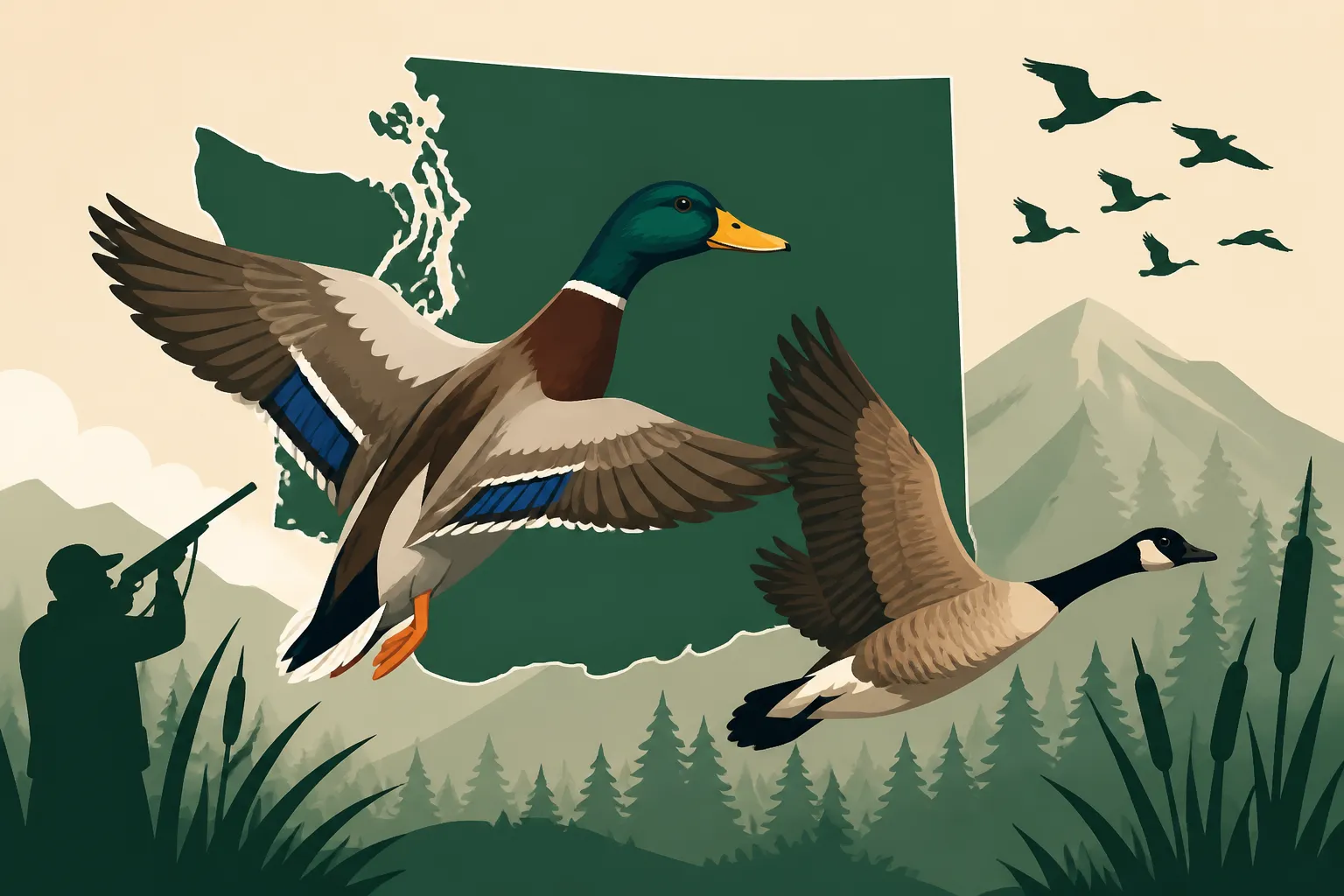
Washington is a major wintering ground and migration corridor for many duck species. Among the most popular for hunters are the dabbling ducks, which feed on the surface or by tipping up in shallow water. Mallards are arguably the king, and their numbers generally remain robust, though local concentrations can fluctuate. American Wigeon are also incredibly abundant, often found grazing in fields or feeding in estuaries. Green-winged Teal, with their incredible speed, arrive in significant numbers and provide fantastic hunting opportunities, especially in smaller, marshier areas. Pintails, with their elegant long necks, are also common, though their populations have seen some long-term declines in parts of the flyway, making conservation efforts for them particularly important.
Then there are the diving ducks, which prefer deeper water where they can dive for food. Lesser Scaup, often called "bluebills," and Ring-necked Ducks are very common on larger lakes, rivers, and bays. Buffleheads and Goldeneyes are also frequently encountered, especially in coastal waters and on large freshwater bodies. The population trends for these species can vary widely. While some, like Mallards and Wigeon, tend to be stable or slightly increasing due to adaptable habits and widespread breeding success, others might experience more significant fluctuations based on specific habitat needs on their breeding grounds. Conservation groups are constantly working on projects to enhance wetland habitats both locally and in those crucial northern breeding areas, which is vital for all these species.
Factors Influencing Duck Abundance in Washington
Several critical factors play into how many ducks we see in Washington each fall and winter. It's not just about how many were born, but how well the landscape supports them throughout their journey.
One of the biggest influences is wetland health. Ducks rely heavily on a network of healthy wetlands for foraging and resting during migration and wintering. Drought conditions, especially in eastern Washington or the prairie breeding grounds, can dramatically reduce the amount of available habitat, forcing birds to concentrate in fewer areas or even bypass regions entirely. Conversely, abundant rainfall and good water management can create ideal conditions. Agricultural practices also play a huge role; flooded stubble fields, particularly those planted with corn or wheat, provide rich food sources that can hold large numbers of ducks. Shifts in cropping patterns or farming techniques can therefore impact local duck concentrations. Washington Duck and Goose Numbers are influenced by these factors.
Beyond habitat, disease outbreaks can sometimes decimate local waterfowl populations, though these events are often localized and not a primary driver of overall flyway-wide numbers. Predation on breeding grounds is always a factor, but by the time ducks arrive in Washington, the main challenge is usually sufficient habitat and food to sustain them through the winter before their return migration. Understanding these influences helps us appreciate the complexity of waterfowl management and the need for continued conservation efforts. For hunters looking to understand the bigger picture, resources like GoHunt can provide valuable insights into regional population trends, which helps when planning your season.
Examining Washington's Goose Numbers
Geese in Washington offer a fascinating study in diversity, from the massive Canada Geese that have become year-round residents to the distant travelers like Snow Geese that descend upon specific agricultural areas in winter. Each species, and even different populations within a species, has its own story, its own management challenges, and its own unique appeal for hunters.
Major Goose Species and Population Status
Canada Geese are probably the most recognizable goose in Washington, and here, you'll find both migratory populations and thriving resident populations. Resident Canada Geese, those that breed and live year-round within the state, are incredibly successful and can sometimes cause agricultural damage or urban nuisances, leading to specific management strategies. Migratory Canada Geese, often larger subspecies, arrive from northern breeding grounds and typically winter along major rivers and agricultural valleys.
Then there are the "white geese." Snow Geese are a spectacular sight, with huge flocks arriving from the Arctic to winter in places like the Skagit Valley. Their numbers have been robust, often creating spectacular concentrations, which means hunters need to be aware of specific regulations and hunt boundaries, especially around important agricultural areas like the Skagit Wildlife Area Hunting. Another Arctic visitor is the Cackling Goose, a much smaller cousin of the Canada Goose, identifiable by its distinct call and smaller size. Brant, a sea goose, winters exclusively in coastal estuaries, feeding on eelgrass, and their hunting opportunities are highly localized and often tightly regulated based on their specific population status. These distinct populations mean that goose management in Washington is a finely tuned process, addressing everything from local damage to international conservation agreements.
Management Strategies and Harvest Guidelines
Managing goose populations in Washington is a multi-faceted endeavor, largely due to the varying population statuses and migratory patterns of different species. WDFW, in conjunction with federal agencies, sets season lengths and bag limits designed to ensure sustainable harvests while addressing specific management goals. For instance, areas with high resident Canada Goose populations might have longer seasons or higher bag limits to help manage their numbers, whereas more vulnerable species like certain Brant populations might have very restricted seasons.
Harvest guidelines are directly tied to population estimates derived from those intensive surveys we discussed earlier. If aerial surveys show a booming population of Cackling Geese, hunters might see more liberal limits. If a particular subspecies or population shows decline, restrictions will be put in place to protect them. The importance of hunter participation in harvest reporting cannot be overstated here. Every reported bird band and every completed harvest report (even if you didn't harvest anything!) provides crucial data that informs these management decisions. It allows WDFW to monitor trends accurately and adjust regulations to maintain healthy populations for future generations of hunters. Always consult the current hunting pamphlet for the most up-to-date regulations, as seasons and limits can change year to year, sometimes even with Washington Emergency Season Closures or special rule changes. You can generally find updates on Where Washington Posts Rule Changes.
Accessing and Interpreting Waterfowl Data for Hunters
As hunters, being informed isn't just about reading the regulations; it's about understanding the "why" behind them and using that knowledge to become more successful and responsible in the field. The good news is, a wealth of information on Washington's duck and goose numbers is publicly available if you know where to look.
Where to Find Official Population Reports
Your first stop for official waterfowl data in Washington should always be the Washington Department of Fish and Wildlife (WDFW) website. They publish annual hunting pamphlets which detail seasons, bag limits, and often include summaries of recent population trends. Beyond that, the WDFW site will frequently have links or direct access to more in-depth waterfowl status reports. For a broader perspective, the U.S. Fish and Wildlife Service (USFWS) produces comprehensive reports on North American waterfowl populations, including their breeding ground surveys and fall flight forecasts. These reports are foundational for understanding the overall health of duck and goose populations across the continent. Additionally, the Pacific Flyway Council, which coordinates waterfowl management across western states and provinces, publishes its own reports that can offer a more regional focus.
While these official sources are critical, platforms like GoHunt can also be invaluable for aggregating and interpreting this data. They often provide accessible summaries and analysis that help hunters synthesize complex information and see how broader trends might apply to their specific hunting areas or species of interest. Knowing these resources exist is the first step in becoming a truly informed waterfowl hunter.
How to Use Numbers to Inform Your Hunt
Understanding duck and goose numbers isn't about guaranteeing success, but it certainly improves your odds and deepens your appreciation for the resource. While broad flyway numbers give you a general idea of population health, local conditions in Washington are often the biggest predictor of where birds will be on any given day. If the USFWS reports a strong fall flight for Mallards, you know there are likely plenty of birds available across the flyway. However, whether they are in your particular flooded field or estuary depends on local factors like weather fronts, water availability, and food sources.
Use the data to choose species to target that have healthy populations, which you can see in the current Washington General Season Versus Special Permit Hunts details. Combine population trend data with real-time scouting and knowledge of local habitat. For example, if you know Snow Goose numbers are high and you're hunting in the Skagit, you'll want to focus on current feeding patterns in specific farm fields. For ducks, knowing the overall health of, say, Green-winged Teal, helps you decide if it's worth putting in the extra effort to find those smaller, secluded marshes they prefer. Tools like GoHunt can provide insights into specific units or regions, and pairing that with detailed maps and E-Scouting E-Scouting Washington GMUs Before the Draw allows you to identify potential holding areas. Don't just rely on numbers; let them guide your scouting efforts to find where the birds are actually concentrating. The birds tell you what's working, and the numbers help you understand why.
Here's a quick look at some common waterfowl species in Washington and their general population trends:
| Species | General Status in Washington (Pacific Flyway) | Typical Habitat in Washington | Key Considerations for Hunters |
|---|---|---|---|
| Ducks | |||
| Mallard | Stable to Increasing | Flooded fields, marshes, rivers, estuaries | Most widespread, adaptable; resident & migratory populations |
| American Wigeon | Stable to Increasing | Grazing fields, shallow wetlands, estuaries | Often found in large flocks; good for field hunting |
| Green-winged Teal | Stable to Increasing | Small marshes, shallow ponds, mudflats | Fast fliers, often in dense cover; great for jump shooting |
| Northern Pintail | Stable (some long-term decline concerns) | Shallow wetlands, estuaries, agricultural fields | Often feed in open water; can be wary |
| Lesser Scaup (Bluebill) | Stable to Declining | Large lakes, bays, deep rivers | Divers, often found in large rafts; open water hunting |
| Ring-necked Duck | Stable to Increasing | Lakes, ponds, wooded swamps | Common diver; often in mixed flocks |
| Geese | |||
| Canada Goose | Stable to Increasing (resident & migratory) | Agricultural fields, major rivers, estuaries | Abundant, but local populations vary; diverse subspecies |
| Snow Goose | Robust (overpopulation in some areas) | Agricultural fields (Skagit Valley, Columbia Basin) | Requires specific identification; can be very concentrated |
| Cackling Goose | Stable to Increasing | Agricultural fields, marshes | Smaller than Canada Geese; distinct call |
| Brant | Stable (localized, highly managed) | Coastal estuaries (eelgrass beds) | Highly specific habitat; restricted hunting opportunities |
Remember, these are general trends. Local conditions, weather, and specific hunting regulations for Washington Small Game Season Dates can cause variations year to year. Always check the current WDFW regulations for your chosen hunting area and species. Also, ensure you have your Washington Migratory Bird Permit in addition to your Washington Upland Bird Licence or big game combo.
Disclaimer
This article is for general informational purposes only and does not constitute professional advice. Laws, prices and regulations vary by location and change over time. Consult a qualified professional for guidance on your specific situation.