Colockum Elk Herd Numbers
Hunting elk in Washington is an incredible experience, but it can also be incredibly frustrating when you're trying to figure out where the best opportunities lie. One of the biggest challenges for hunters is understanding the health and size of specific elk herds, especially when information feels scattered or overly scientific. This guide will cut through the noise and deeply explore the Colockum Elk Herd Numbers, helping you understand what these figures mean for your hunting strategy and where to find the data you need to make informed decisions.
Understanding Washington's Elk Herds and the Colockum's Place
When we talk about hunting elk in Washington, it's not a one-size-fits-all scenario. Our state boasts diverse landscapes and, consequently, several distinct elk herds, each with its own characteristics, population trends, and management challenges. Knowing the specifics of a herd like the Colockum can genuinely elevate your hunting success.
Why Herd Numbers Matter to Hunters
It's easy to just look at a map, pick a unit, and go, right? But the truth is, the raw numbers behind an elk herd directly influence your hunting experience in profound ways. When WDFW releases their population estimates and herd management goals, they're not just throwing out statistics; they're laying the groundwork for tag allocations, season lengths, and ultimately, your odds of success. A healthy, growing herd might lead to more general season tags or special permits, while a struggling herd could mean tighter restrictions and fewer opportunities. It's about more than just seeing an elk; it's about understanding the ecosystem you're stepping into and making strategic choices before you even pack your truck. The more you know about the herd dynamics, the better you can predict elk behavior, identify promising areas, and adapt your tactics.
The Colockum: A Key Washington Elk Herd
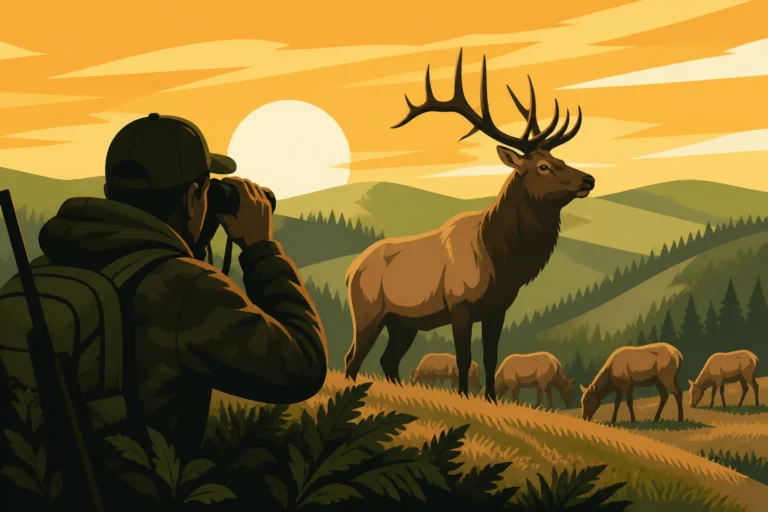
Nestled largely between Ellensburg and Wenatchee, the Colockum elk herd is one of Washington's most prominent and, for many, most coveted hunting opportunities. Unlike the dense rainforests where you find the Roosevelt Elk of Western Washington, the Colockum primarily consists of Rocky Mountain elk, favoring the drier, more open country of ponderosa pine forests, sagebrush flats, and steep, broken ridges. This landscape provides a mix of summer range at higher elevations and critical wintering grounds in the lower valleys and breaks. The blend of publicly accessible lands, DNR parcels, and some private timber holdings makes it a complex, yet rewarding, area to hunt. The Colockum has a long history of being a significant contributor to the state's elk harvest, which is precisely why so many hunters pay close attention to the Colockum Elk Herd Numbers. Its proximity to population centers and its reputation for producing quality bulls mean that understanding this specific herd is paramount for those looking to punch an Eastside elk tag. For a broader perspective on all the key herds, you might want to read our guide on Washington's Ten Major Elk Herds.
Challenges in Estimating Elk Populations
You might wonder why WDFW can't just give us an exact, real-time count of every elk. The reality is, accurately counting wild animals across vast, rugged terrain is an immense logistical and financial challenge. Think about it: a helicopter flying over thousands of acres of steep, timbered canyons, trying to spot brown animals against a brown backdrop. Elk are incredibly adept at hiding, especially in the thick timber patches and deep draws common in the Colockum. Variables like snow cover (which helps contrast elk against the white background), weather conditions during surveys, and elk movement patterns can all drastically affect the accuracy of counts. This leads to estimates, not precise numbers, and these estimates often come with a margin of error. It can be frustrating when you hear a number one year and it shifts the next, but it's a testament to the sheer difficulty of wildlife management in such an expansive and wild state.
How WDFW Monitors the Colockum Elk Herd
Despite the challenges, WDFW puts considerable effort into monitoring our state's elk herds, including the Colockum. These methods provide the best possible data to inform their management decisions, which directly affect hunter opportunities. Understanding these methods can help you interpret the numbers you see and appreciate the work involved.
Aerial Surveys and Population Counts
The backbone of population estimation often comes from aerial surveys. Imagine a helicopter or fixed-wing aircraft systematically flying transects over a Game Management Unit (GMU), with trained observers meticulously counting elk. These surveys are typically conducted during late winter or early spring when elk are often concentrated on winter range and snow cover can make them easier to spot. However, as we discussed, these aren't perfect. Factors like dense canopy cover can obscure animals, and if the elk are scattered or on private land where surveys are restricted, the counts can be less comprehensive. For an in-depth look at how these counts are utilized, the WDFW's game management plans often detail the specific methodologies for their annual Washington Elk Herds and Where They Live reports.
Calf Ratios and Recruitment
Beyond just counting total elk, wildlife biologists are keenly interested in the composition of the herd, specifically the calf-to-cow ratio. This ratio is a critical indicator of the herd's reproductive success and its ability to grow and sustain itself. A high calf ratio suggests good recruitment into the population, meaning more young elk are surviving to adulthood. Conversely, a low calf ratio can signal issues like poor forage quality, high predation rates, or harsh winter conditions impacting survival. These numbers are vital because they predict future hunting opportunities. If there aren't enough calves making it, there won't be as many mature bulls or cows available in the coming years. Understanding Elk Calf Survival and Predation is key to comprehending these figures and the long-term health of the Colockum herd.
Hunter Harvest Data and Sex Ratios
Another crucial data point for WDFW is the information gathered from hunter harvest reports. Every time a hunter successfully fills an elk tag, they are required to report their harvest to the department. This data, collected annually, provides insights into hunter success rates, the distribution of harvest across different GMUs, and perhaps most importantly, the bull-to-cow ratio in the harvested population. By comparing the number of bulls harvested to the overall population estimates and calf ratios, WDFW can gauge the health of the bull segment of the herd. If bull ratios are declining, it might signal a need to adjust special permit numbers or season structures to allow more bulls to mature. This is why accurately completing your Washington Harvest Reporting Requirements is so important – it's not just a formality; it directly contributes to the future management of the herds we all love to hunt.
Factors Influencing Colockum Elk Herd Numbers
The Colockum elk herd isn't static; its numbers fluctuate due to a complex interplay of environmental factors, predation, and human management. Understanding these influences helps paint a more complete picture than just a raw count.
Habitat Quality and Availability
Just like us, elk need food, water, and shelter to thrive. The quality and availability of habitat are perhaps the most significant factors influencing the Colockum elk herd numbers. The Colockum, with its diverse landscape of dry forests, open range, and riparian zones, offers a varied diet, but changes can have a big impact. Wildfires, while destructive in the short term, can eventually create new forage opportunities, but also destroy critical cover. Timber harvest practices can open up clearings for browsing but might also reduce old-growth security cover. Long-term trends in winter range conditions, often tied to snowpack and drought, determine how many elk survive the leanest months. When winter range is stressed, elk enter spring in poorer condition, which can affect calf production and survival. The mosaic of public and private lands, including DNR timber, also means that land management decisions on both sides of the fence influence where elk can feed, breed, and seek refuge.
Predation and Disease
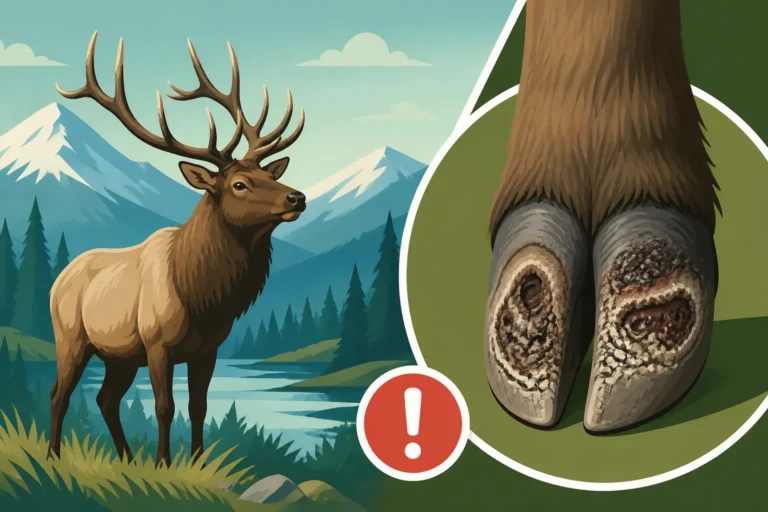
While habitat is fundamental, predation and disease play significant roles in the day-to-day survival and overall numbers of the Colockum elk. Cougars are native predators that consistently impact elk populations, particularly calves and weaker individuals. Bears can also prey on newborn calves. More recently, the increasing presence of wolves in Washington, though still a sensitive topic, adds another layer to the predation dynamics. While wolves aren't as prevalent in all parts of the Colockum as they are in some northern or eastern GMUs, their expansion could influence herd behavior and survival over time. Diseases, like the well-known Elk Hoof Disease Symptoms that affect some western Washington herds, can also impact population health. While the Colockum hasn't seen the same widespread issues with hoof disease as some of the coastal herds, it’s a constant concern for wildlife managers across the state. Monitoring herd health for signs of illness or stress is an ongoing part of WDFW's work. It's not just about the numbers, but the overall vitality of the animals.
Hunting Pressure and Management Strategies
The last, but certainly not least, factor is hunting pressure and how WDFW actively manages it. Through tag quotas, specific season dates, and even rules like Hunting Washington's Three-Point Minimum Units, the department attempts to regulate harvest to meet population objectives. If a herd is deemed below objective, tag numbers might be reduced, or seasons shortened. Conversely, if a herd is above objective or impacting agricultural lands, WDFW might increase tags or offer more antlerless opportunities. The success rates of hunters directly feed back into these decisions. For instance, if overall success is low in a general season, it might signal a need for habitat improvements or a reevaluation of population estimates. This is why applying for Washington Special Hunt Permits and How to Apply involves careful consideration of the herd health and population goals of a specific unit, as these permits are often tailored to address very specific management needs.
Accessing Colockum Herd Information and Planning Your Hunt
So, you know why the numbers matter and how they're gathered. Now, let's talk about actually finding and using this information to plan your Colockum elk hunt. This is where the rubber meets the road, transforming data into practical hunting strategy.
Where to Find WDFW Herd Reports
The primary source for official Colockum elk herd numbers and management objectives is the Washington Department of Fish and Wildlife (WDFW). Their website is a treasure trove of information, though sometimes you have to dig a bit. Look for documents like "Game Management Plans," "Elk Herd Plans," or annual "Big Game Hunting Pamphlets." These often contain sections dedicated to specific GMUs or elk herds, detailing population estimates, management goals, and past harvest data. While WDFW provides the raw data, platforms like GoHunt do an excellent job of compiling and interpreting this information, often presenting it in a more hunter-friendly format. They can help you visualize trend lines and quickly compare data points that might take hours to sift through manually on the WDFW site. Before you even apply for a tag or head into the field, reviewing these official reports and analyses is your first step.
Utilizing E-Scouting and On-the-Ground Reconnaissance
Raw numbers are a great starting point, but they're just that: a start. To truly put yourself in a position for success, you need to combine those population figures with robust scouting. This means leaning heavily on e-scouting tools. Modern hunting apps and online platforms allow you to overlay land ownership, topo maps, satellite imagery, and even historical burn maps directly over the Colockum GMUs. This allows you to identify potential bedding areas, water sources, migration corridors, and escape routes long before you set foot in the field. GoHunt, for example, often integrates WDFW data with their mapping tools, making it seamless to see where elk numbers align with prime habitat. Start with E-Scouting Washington GMUs Before the Draw to narrow down your focus, then dive deeper.
Once you have a few promising areas identified digitally, nothing beats on-the-ground reconnaissance. Hike those ridges, explore those draws, and look for actual sign. You'll be looking for tracks, scat, rub lines, and wallows. This physical scouting isn't just about confirming what your maps tell you; it's about understanding the subtle nuances of the terrain and the current conditions. You might even find some valuable information on what kind of predators are frequenting an area by Reading Cougar Sign in the Snow or discover active elk trails by Using Trail Cameras to Find Washington Bulls. Always make sure to check Downloading Washington GMU Maps before you go so you have offline access to the lay of the land.
Strategic Hunting Based on Herd Dynamics
The ultimate goal of understanding Colockum elk herd numbers is to build a more effective hunting strategy. If you know the calf-to-cow ratio is strong, you can expect a healthier, growing population. If bull-to-cow ratios are high, you might expect more mature bulls. Use this knowledge to inform your choices, whether you're considering a general season tag or trying to draw one of the coveted Washington General Season Versus Special Permit Hunts.
For instance, if herd numbers indicate elk are using certain winter ranges heavily, you can often predict elk migration timing in November as they move between summer and winter grounds. This can be crucial for late-season hunts. When hunting areas with high elk density, expect more competition from other hunters. This might push elk into thicker cover or more remote areas, requiring you to adapt your tactics. You might need to focus on quiet movement and patience, perhaps employing tactics similar to Still-Hunting Blacktails in Wet Washington Brush, even when targeting elk. Combine herd data with your knowledge of elk behavior, the terrain, and current conditions, and you're well on your way to a more successful hunt in the Colockum.
| Factor | Impact on Colockum Elk Herd Numbers | Hunter Strategy Implication |
|---|---|---|
| Habitat Quality | Directly influences forage availability, cover, and overall health. | Focus on areas with diverse forage, water, and security cover. |
| Calf Ratios | Indicates reproductive success and future herd growth. | Strong ratios suggest future opportunities; weak ones, tighter limits. |
| Predation Levels | Influences calf survival and overall herd health. | Consider areas with lower predator pressure, or focus on tactics that exploit elk vigilance. |
| Winter Severity | Determines survival rates, especially for calves and older elk. | Post-severe winter: expect lower numbers; mild winter: healthier herd. |
| Hunting Pressure | Direct human impact via harvest; influences elk distribution. | Scout remote areas, hunt weekdays, or focus on Hunting Behind Timber Company Gates. |
| Management Goals | WDFW targets for population, bull ratios, and harvest. | Align your hunt choices (general vs. special permit) with WDFW objectives. |
Disclaimer
This article is for general informational purposes only and does not constitute professional advice. Laws, prices and regulations vary by location and change over time. Consult a qualified professional for guidance on your specific situation.