Cougar Predation on Washington Deer Herds
Washington cougar predation impacts state deer herds through ambush hunting strategies and secretive habitat use patterns.
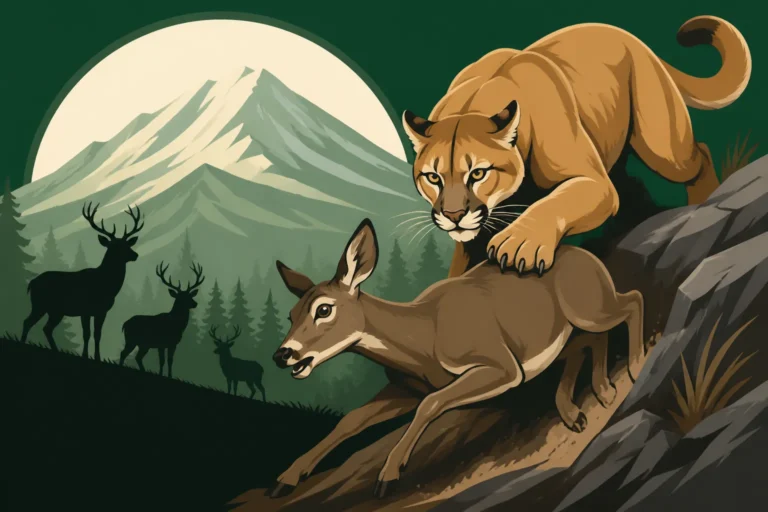
Washington cougar predation impacts state deer herds through ambush hunting strategies and secretive habitat use patterns.
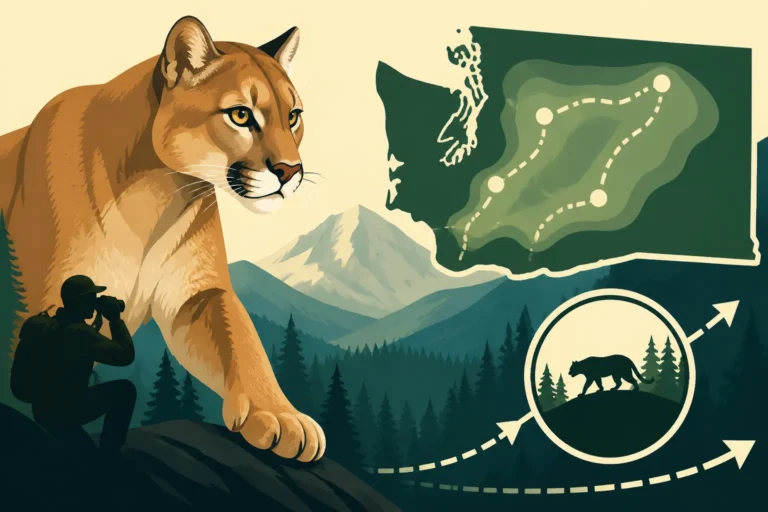
Washington cougar territory size and core areas depend heavily on prey availability, topography, and neighboring cats.
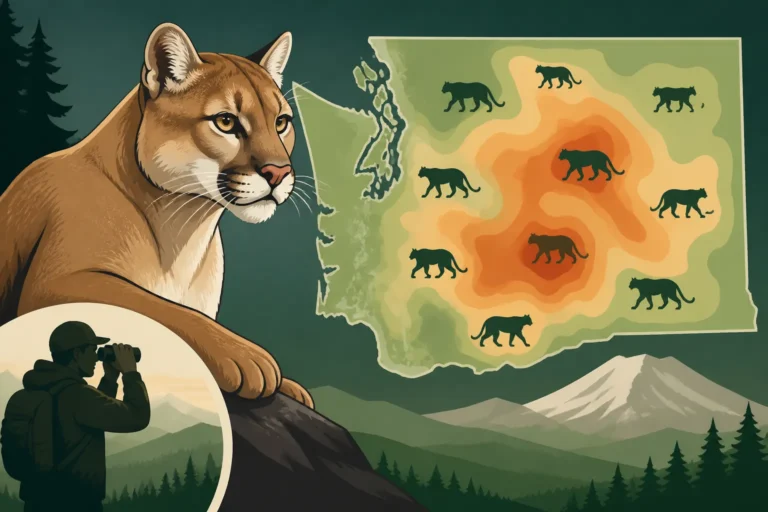
Washington cougar population estimates and density data help wildlife managers set sustainable hunting seasons and balance community interests.
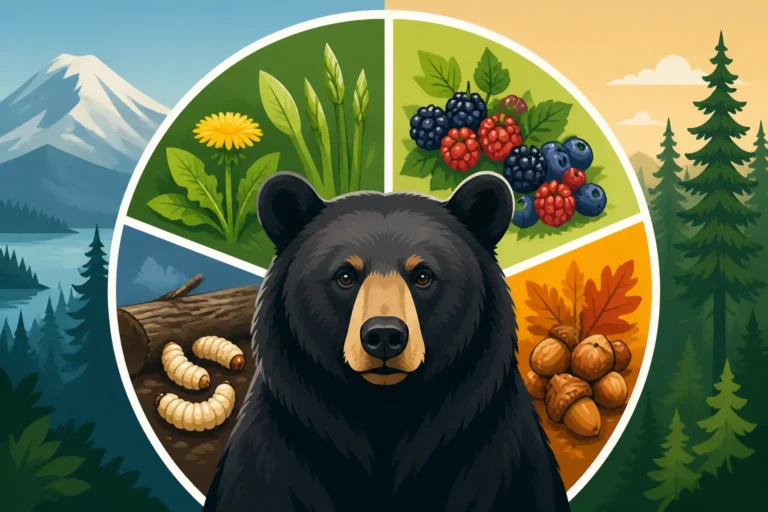
Washington black bear diets change across seasons, helping hunters predict movements and locate animals throughout the year.
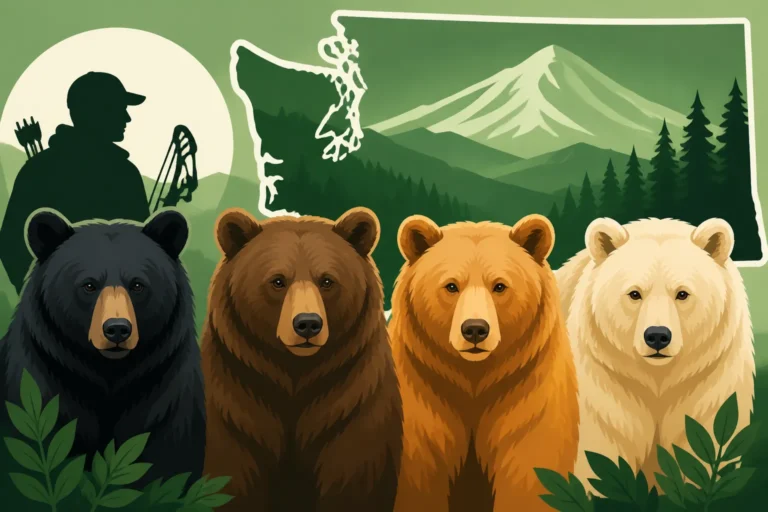
Washington black bear color phases range from jet black to cinnamon and blond, helping hunters identify species correctly.
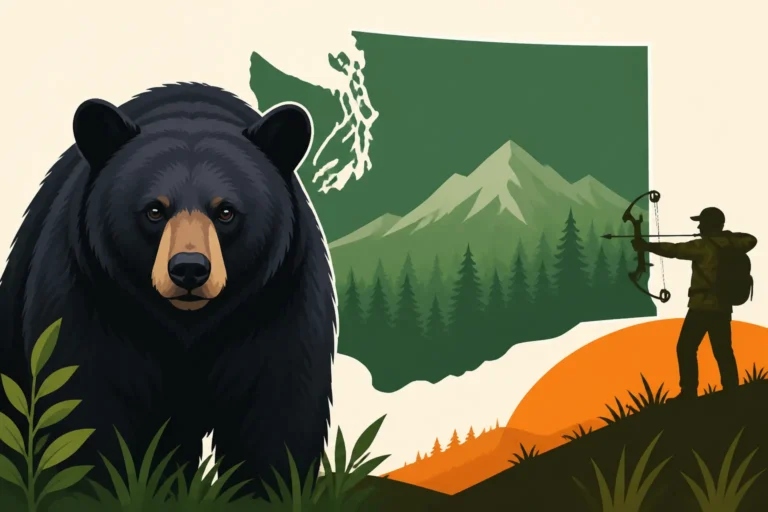
Washington black bear population estimates rely on DNA sampling, GPS collars, and harvest data collected by wildlife managers.
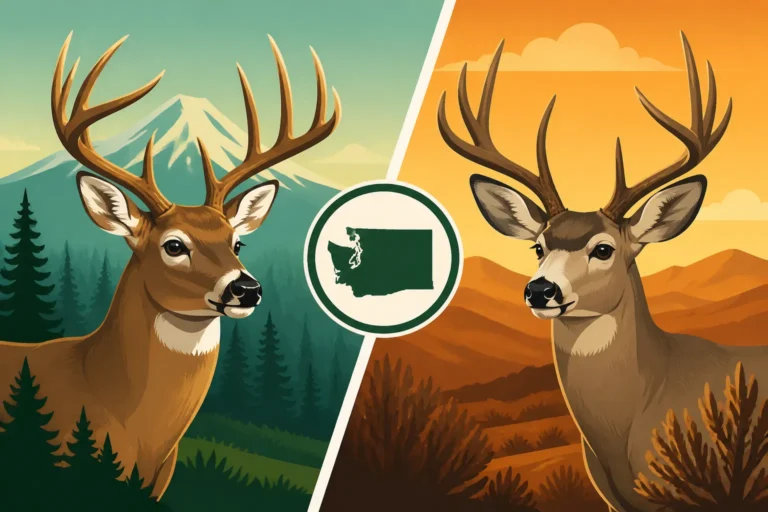
Whitetail and mule deer identification helps Washington hunters avoid legal violations and follow Game Management Unit regulations.
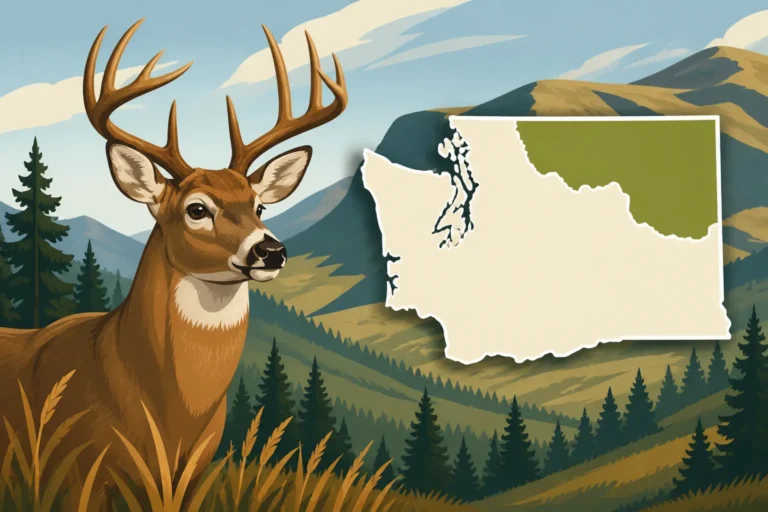
Northeast Washington whitetail deer range spans Ferry, Stevens, Pend Oreille, Okanogan, and Spokane counties with growing populations.
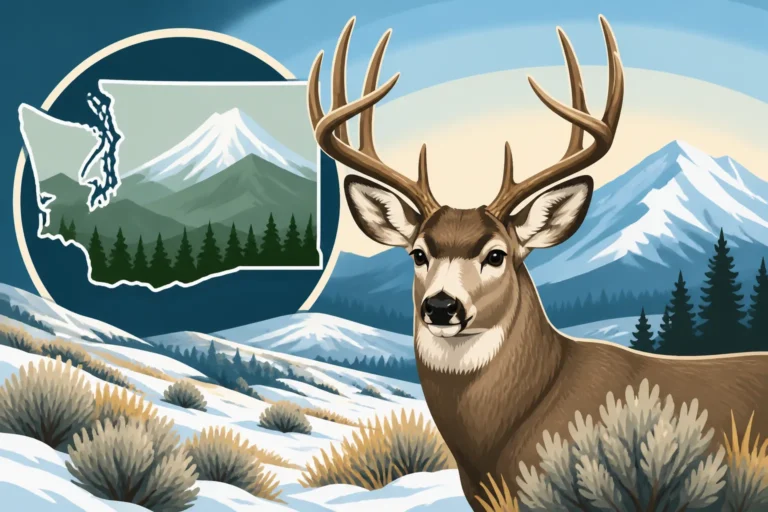
Washington mule deer winter range habitats provide lower elevation forage and shelter, ensuring survival through harsh seasonal months.
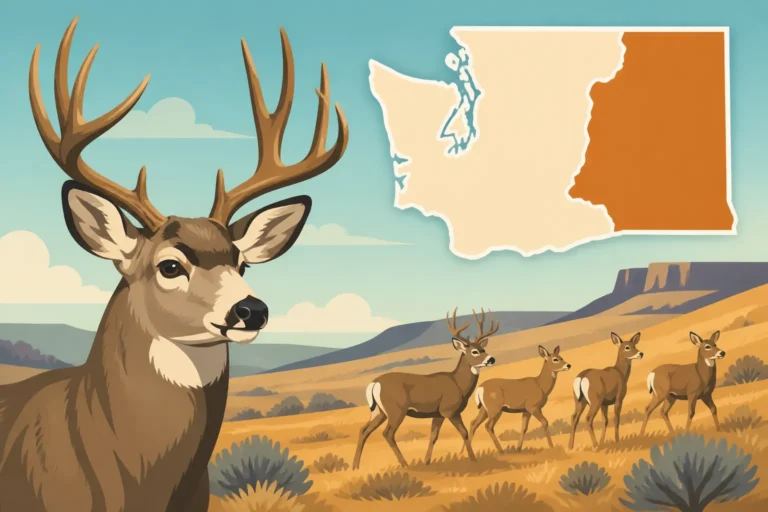
Eastern Washington mule deer populations and regional survey trends explain changing herd sizes across local game management units.