Washington Three-Year Rule Package Cycle
It can feel incredibly frustrating to plan your hard-earned hunting season, only to find the rules and regulations have shifted under your feet. One year, a certain GMU might be spike-only, the next it’s a branch-antlered bull unit, or the season dates get tweaked just enough to throw a wrench in your plans. This constant evolution can be a real headache, making it tough to strategize and maximize your time in the field. But there's a method to the madness, and understanding Washington's three-year rule package cycle is key to navigating these changes and even influencing them. This guide is here to demystify that process, helping you stay informed and prepare for what's ahead.
Understanding the Washington Hunting Rule Cycle
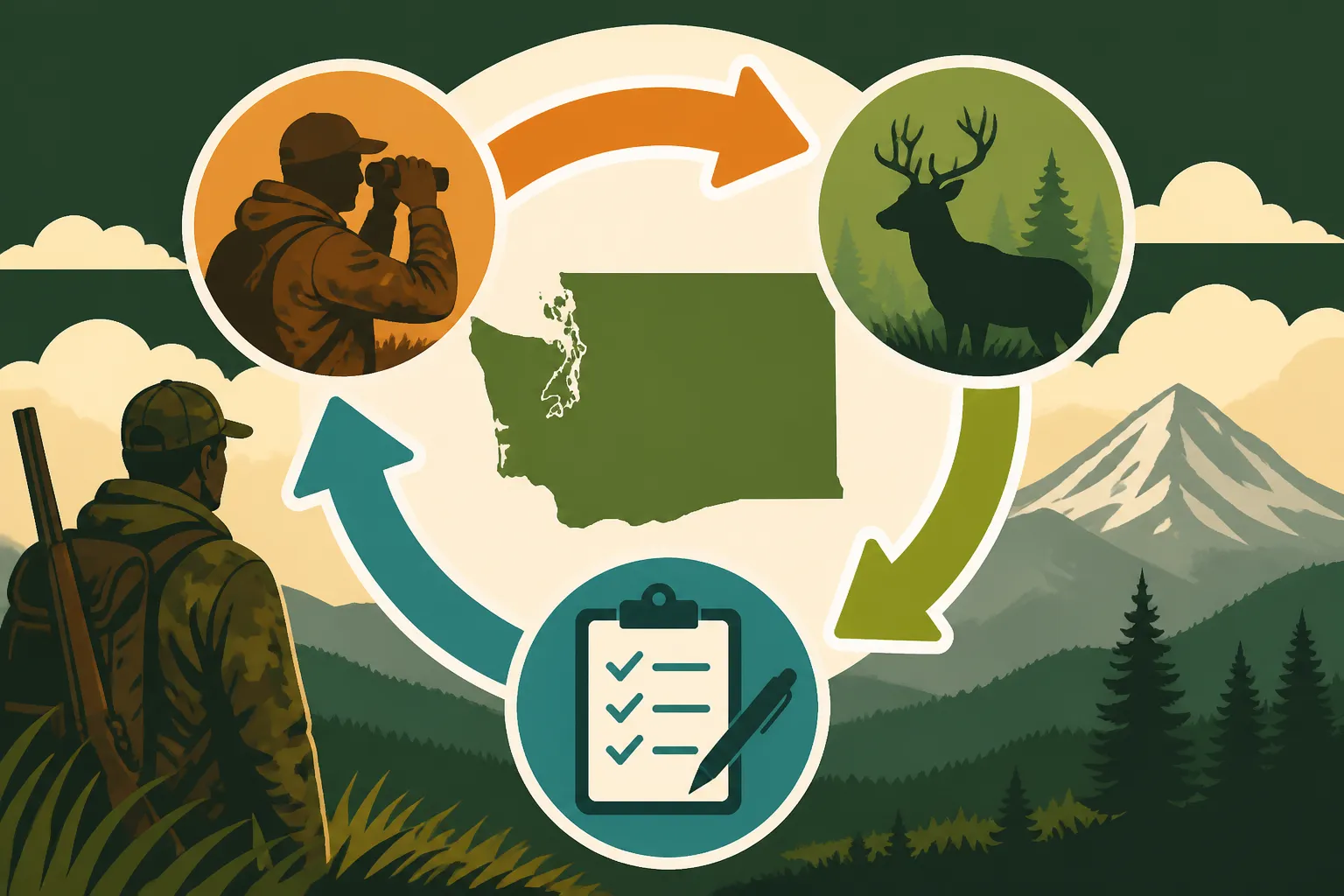
The Washington Department of Fish and Wildlife (WDFW) manages hunting seasons and regulations through a structured process, and a big part of that structure is the "three-year rule package cycle." It’s designed to provide some stability in regulations while still allowing for necessary adjustments based on biological data, public input, and changing circumstances. It means that major changes to season structures, bag limits, and specific hunt types generally happen every three years, rather than annually.
Why a Three-Year Cycle?
At first glance, a three-year cycle might seem like a bureaucratic hurdle, but it actually serves several important purposes for both wildlife managers and hunters. For WDFW, it allows for more comprehensive data collection and analysis. Instead of making knee-jerk reactions to single-year fluctuations, they can assess trends in wildlife populations, habitat conditions, and hunter success over a longer period. This leads to more robust, scientifically-sound decisions. Imagine trying to manage a complex ecosystem by changing the rules every single year; it would be chaotic and difficult to measure the impact of any given regulation.
From a hunter's perspective, the three-year cycle offers a degree of predictability. While minor administrative tweaks might still occur annually (like specific road closures or minor boundary clarifications), the core framework of seasons, weapon choices, and permits for species like elk, deer, bear, and cougar tends to remain consistent for three years at a stretch. This allows you to plan longer-term, perhaps scout a particular area for an upcoming special permit hunt, or focus on a specific unit knowing the general framework won't drastically change overnight. It gives you a window to really dial in your strategies without feeling like you’re chasing a moving target.
What Falls Under the Rule Package?
The rule package encompasses a vast array of regulations that dictate how and where we hunt in Washington. When the WDFW undertakes this review, they're looking at virtually every aspect of big game and general season hunting. This includes, but isn't limited to, the opening and closing dates for various seasons, the specific bag limits for different species in different Game Management Units (GMUs), and any antler point restrictions, like those requiring a three-point minimum. They also review and propose changes to the allocation of special hunt permits, which can have a huge impact on your chances in the draw.
Weapon-specific rules are also a major component. This means the legal definitions for modern firearm, archery, and muzzleloader seasons, including the types of equipment allowed, are re-evaluated. For instance, discussions around broadhead width or muzzleloader ignition types in Washington often occur during these cycles. Even seemingly minor details, such as changes to specific GMU boundaries or the creation of new permit types, are part of this comprehensive review. Essentially, if it's in the Big Game Hunting pamphlet, it's probably been considered as part of the three-year rule package. This means that if you're ever wondering about the specifics of Washington's Weapon Choice Rule for Deer and Elk or the nuances of specific season dates, these are all products of this detailed, triennial review.
Navigating the Rule-Making Process
Understanding the three-year cycle isn't just about knowing when changes occur; it's about understanding how those changes come about and, crucially, how you can participate. The WDFW goes through a deliberate, multi-stage process designed to gather input from diverse stakeholders, including hunters, conservation groups, and the general public, before any rule becomes final. This transparency is a cornerstone of effective wildlife management, even if it can sometimes feel slow or cumbersome.
The Initial Proposal Phase
The journey of a rule change begins long before it ever appears in a hunting pamphlet. It starts with WDFW staff, including district biologists and regional managers, gathering data. They're constantly monitoring wildlife populations, assessing harvest data from previous seasons, and observing habitat conditions. This scientific backbone informs their initial proposals. For example, if mule deer fawn recruitment has been consistently low in a particular GMU over several years, biologists might propose reduced permit numbers or shorter seasons for that area in the next rule package to help the population recover.
At this stage, WDFW also considers input from various advisory committees, tribal co-managers, and internal discussions. They're essentially building a draft framework for the next three years of hunting, trying to balance biological sustainability with hunter opportunity. These initial proposals are often based on the latest science and a deep understanding of local wildlife dynamics. While they aren't public-facing in detail at this point, they form the foundation for what will eventually be presented to us, the hunting community.
Public Engagement and Comment Periods
This is where you, the hunter, truly get to make your voice heard. Once WDFW has developed their preliminary proposals, they are released to the public for review and comment. This typically happens well in advance of the new rule package taking effect, giving everyone ample time to digest the information and provide feedback. The proposals are usually published on the WDFW website, often broken down by species and GMU, making it easier to focus on what matters most to your specific hunting interests.
During these comment periods, WDFW actively encourages hunters to provide their thoughts, concerns, and suggestions. This isn't just a formality; genuine input from the public can and does influence the final rules. If you disagree with a proposed season structure, or if you have data or anecdotal observations that challenge a particular recommendation, this is your opportunity to share it. Resources like GoHunt's comprehensive state profiles and forums often highlight these crucial comment periods, making it easier for hunters to find the information they need to participate. Think of it as your chance to engage directly in Commenting on a Washington Hunting Rule. Submitting thoughtful, constructive comments that are backed by observation or data carries far more weight than simple complaints. It’s also crucial to remember that this isn't just about complaining; it's about offering solutions or alternative perspectives that wildlife managers might not have considered.
WDFW Commission Meetings and Final Decisions
After the public comment period closes, WDFW staff compiles all the feedback received and may revise their proposals based on that input. These revised proposals are then presented to the Washington Fish and Wildlife Commission. The Commission is a nine-member citizen board appointed by the Governor, and they are the ultimate decision-makers for setting WDFW policy and approving hunting rules.
The Commission holds public meetings where the proposals are discussed, and often, hunters and other stakeholders can provide live testimony, reiterating or expanding upon their written comments. These meetings, which are open to the public and often live-streamed, can be quite lively. Watching or attending Washington Fish and Wildlife Commission Rule Meetings provides invaluable insight into the decision-making process. Commissioners will deliberate, ask questions of WDFW staff, and consider all the input before voting on the final rule package. Once approved, these rules are officially adopted and become the framework for the next three years of hunting seasons. The final rules are then compiled and released in the annual Big Game Hunting pamphlet, usually in the spring, which is what we all eagerly await.
How the Three-Year Cycle Impacts Hunters
For hunters, the three-year rule package cycle has profound implications, both in terms of planning and opportunity. While it can feel daunting to keep track of changes, understanding this cycle allows you to be more proactive, strategic, and ultimately, more successful in your pursuits. It shifts the dynamic from simply reacting to published rules to actively engaging in the process that shapes them.
Planning Your Hunts Under Stable Rules
The biggest benefit of the three-year cycle is the relative stability it brings to hunting regulations. Knowing that the core season dates, species allowed, and general GMU rules are likely to remain consistent for three years allows for much more effective long-term planning. Instead of scrambling to understand new rules every single year, you can dedicate more energy to scouting and strategizing. This predictability is especially valuable for those who like to seriously prepare for their hunts, allowing for dedicated efforts in Public Land Scouting in Washington Before Opening Day or even planning out a multi-year strategy for drawing a coveted special permit.
For example, if you know a particular GMU will offer a late-season muzzleloader hunt for branch-antlered bulls for the next three years, you can invest in the right gear, practice specific muzzleloader loading and ignition in rain conditions, and extensively e-scout that unit using satellite imagery. This stability removes a significant variable, letting you focus on the variables you can control, like your physical conditioning, shooting practice, and field craft. It also helps with budgeting for tags and licenses, as the general structure of Washington Big Game Licence and Tag Costs tends to align with these longer cycles.
Staying Informed About Upcoming Changes
While the cycle provides stability, it doesn't mean you can afford to be complacent. Staying informed, especially as the end of a three-year cycle approaches, is critical. The WDFW website is your primary source for official information, where proposals and meeting schedules are posted. Regularly checking this site, particularly in the fall and winter leading up to a new rule package year, will ensure you're aware of what's being discussed.
Beyond official channels, various hunting communities, forums, and resources like GoHunt provide excellent summaries and discussions of proposed changes. These platforms can distill complex regulatory language into more digestible information and often highlight key areas of concern or interest for hunters. Subscribing to WDFW newsletters or following their social media accounts can also provide timely updates. Missing a proposal announcement could mean missing an opportunity to comment on a rule that directly affects your hunting grounds or target species. Familiarizing yourself with the process and knowing When Washington Special Hunt Applications Open or when the Washington Big Game Pamphlet Release is expected will give you a significant edge.
Advocating for Changes You Want to See
This three-year cycle is not a static decree; it's a living process that depends on public participation. If you’re passionate about a particular issue – whether it's advocating for more general season opportunities, adjustments to specific GMU boundaries, or changes to weapon restrictions – this cycle provides the formal avenues for your voice to be heard. Many hunters feel disconnected from the regulatory process, assuming their individual comments won't matter. But they absolutely do.
Collective input from hunters, especially when presented thoughtfully and with supporting rationale, can significantly influence the Commission's decisions. For instance, if a local sportsman's club submits detailed information about increased elk populations in a specific area and proposes a modest increase in spike-only permits, that input will be seriously considered. Participating in this process is how you contribute to shaping the future of Washington hunting, rather than simply being subject to it. It’s an active form of conservation and advocacy.
Practical Tips for Engaging with the Cycle
Knowing about the three-year rule package cycle is one thing; actively engaging with it is another. To truly make the most of this system and influence the future of Washington hunting, you need a proactive approach. It's about being prepared, informed, and willing to participate when it counts.
Utilizing Resources and Tools
In today's digital age, there are more resources than ever to help you navigate Washington's hunting regulations. The official WDFW website, while sometimes a bit dense, is the authoritative source for all rule proposals, meeting schedules, and final decisions. Get comfortable using its search functions to find specific GMU information or species proposals.
Beyond official channels, online mapping tools like onX Hunt are invaluable for understanding GMU boundaries, land ownership, and even where specific road closures might impact access. When it comes to understanding draw odds and permit strategy, platforms like GoHunt provide a wealth of data, often summarizing rule changes and special permit applications in an accessible format. They can highlight how potential changes in a rule package might affect your chances of drawing a desirable tag. These tools, combined with forums and social media groups where fellow hunters discuss proposals, can give you a comprehensive understanding of the landscape and help you identify areas where your input might be most valuable. It's all part of becoming a more informed and effective hunter, especially when trying to discern the best strategies for Washington Special Hunt Permits and How to Apply.
Mark Your Calendar for Key Dates
The most crucial step to engaging with the rule-making process is to know when to engage. The WDFW operates on a fairly predictable timeline for its three-year rule packages. While exact dates can shift slightly, the general rhythm remains consistent:
- Fall (Year 2 of current cycle): WDFW typically begins developing its initial proposals for the next cycle.
- Late Winter/Early Spring (Year 3 of current cycle): Preliminary proposals are usually released for public review and comment. This is your prime window to offer feedback.
- Spring/Early Summer (Year 3 of current cycle): The Fish and Wildlife Commission holds public meetings and votes on the final rule package.
- Late Spring/Summer (Year 3 of current cycle): The new rule package is formalized and included in the upcoming hunting pamphlets, taking effect for the next three years.
By marking these periods on your calendar, you can ensure you don't miss the opportunity to review proposals and provide your comments. Set reminders on your phone or use a digital calendar that syncs across your devices. This proactive approach ensures you're ready when the critical comment periods open up, rather than finding out about changes after the decisions have already been made.
The Link Between Rules and Opportunity
Ultimately, the three-year rule package cycle is about managing wildlife populations and hunter opportunity. Every rule, every season date, every permit allocation is designed to achieve specific conservation goals while providing recreational opportunities. When rules are stable, it allows you to refine your hunting skills and knowledge within a consistent framework. For example, knowing the general season dates for Blacktail Deer Hunting in Western Washington Timber will likely remain the same for three years allows you to focus on learning specific areas and deer behavior, rather than constantly re-learning the regulations.
The rules directly dictate what you can hunt, where you can hunt it, and with what equipment. If you want more opportunities for Archery Elk Hunting in Washington's September Season, or if you believe certain areas need more antlerless harvest to manage populations, your informed input during the rule-making process is the only way to influence those outcomes. By understanding the cycle, leveraging the available resources, and actively participating, you become an integral part of Washington's wildlife management, ensuring that hunting remains a vibrant and sustainable tradition for years to come.
| Stage of Rule Cycle | Typical Timing | Hunter Action | Key Outcome |
|---|---|---|---|
| Data Collection & Initial Proposal | Fall/Winter (Year 2 of current cycle) | Stay updated on WDFW news | WDFW drafts potential rule changes based on science & input |
| Public Proposal Release | Late Winter/Early Spring (Year 3) | Review proposals on WDFW site / GoHunt | Draft rules available for public feedback |
| Public Comment Period | Spring (Year 3) | Submit written comments, attend virtual/in-person meetings | Hunter feedback gathered and considered |
| Commission Review & Decision | Spring/Early Summer (Year 3) | Follow Washington Fish and Wildlife Commission Rule Meetings, provide testimony | Final rules for the next three years are voted on |
| Publication & Implementation | Late Summer (Year 3) | Consult Washington Big Game Pamphlet Release for final rules | New rules take effect, guiding hunting for the next three seasons |
Disclaimer
The information provided in this guide is intended for general informational purposes only. While every effort has been made to ensure accuracy and provide up-to-date details regarding Washington hunting regulations, rules and policies can change. Always consult the official Washington Department of Fish and Wildlife (WDFW) regulations, proclamations, and current year's hunting pamphlet before planning or engaging in any hunting activities. It is the hunter's sole responsibility to know and follow all applicable laws and regulations.