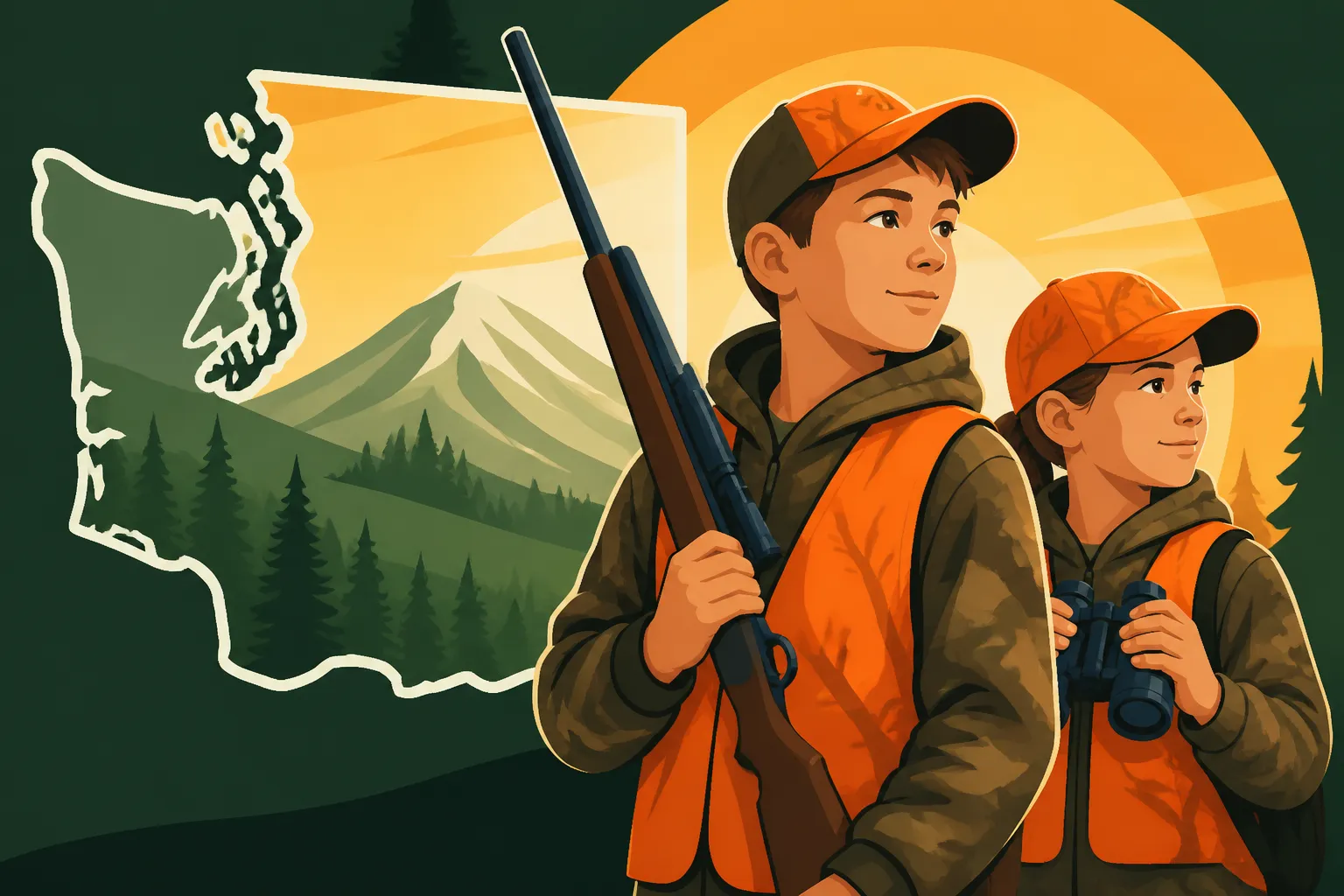
Washington Youth Hunting Weekend
Trying to introduce young hunters to the outdoors can feel like navigating a maze of regulations, especially when you're hoping to give them a special experience. Many parents and mentors get frustrated figuring out the specific opportunities for youth hunters that go beyond the general seasons, worried they'll miss a chance or run afoul of the rules. This guide is here to untangle the Washington Youth Hunting Weekend, explaining exactly what it is, who's eligible, what they can hunt, and how to make the most of this fantastic opportunity to get kids hooked on ethical hunting.
Understanding Washington's Youth Hunting Weekend
Washington State offers specific youth hunting weekends designed to give young hunters an early start, often before the general seasons kick off, or during times when hunting pressure might be lower. This isn't just a random weekend; it's a carefully crafted opportunity by the Washington Department of Fish and Wildlife (WDFW) to foster the next generation of conservationists and ethical hunters. The primary goal is to provide a less competitive environment, allowing mentors more one-on-one time with their young charges to teach skills, instill ethics, and create lasting memories without the added pressure of adult hunters vying for the same game. It’s a chance to build confidence and competence in a controlled setting, which can be invaluable for a new hunter.
These youth weekends are typically set for specific species like deer and waterfowl, often in late September for deer, and sometimes in other months for upland birds or waterfowl. It’s crucial to check the current year’s WDFW hunting regulations pamphlet, as dates and specific Game Management Units (GMUs) can shift annually based on herd management objectives and other factors. For example, some years might see a youth deer hunt specific to certain western Washington GMUs with high blacktail populations, while other years might focus more on eastern Washington mule deer. Staying updated is key, and resources like GoHunt often compile this information to make it easier for families to plan.
Eligibility and Essential Requirements for Young Hunters
Before a young person can participate in the Washington Youth Hunting Weekend, there are some fundamental requirements that must be met. These aren't just bureaucratic hurdles; they're in place to ensure safety, ethical conduct, and a basic understanding of hunting principles. It's really about setting these kids up for success and responsibility from the get-go.
Age Limitations and Licensing
To participate in a youth hunt, the young hunter must be 15 years of age or younger at the time of the hunt. This age limit is strictly enforced, so if a child turns 16 before or during the youth weekend, they are no longer eligible for that specific youth-only opportunity and must hunt under general season rules. This is a common point of confusion for families, so it's vital to mark those birthdays on the calendar!
Beyond age, every youth hunter needs to possess a valid Washington hunting license for the current year. This isn't optional; it's the foundation of legal hunting. This includes the general hunting license, and then the appropriate tags for the species they intend to hunt during the youth weekend (e.g., a deer tag for a youth deer hunt). These tags often need to be purchased well in advance, sometimes by mid-summer, to ensure everything is in order before the season. You can find more details on Washington Youth Hunting Licence Rates directly from the WDFW site or through authorized vendors. Many online platforms like GoHunt also provide clear breakdowns of these license requirements and purchasing options.
Hunter Education Requirements
Perhaps the most critical requirement for any young hunter in Washington, regardless of their age, is successful completion of a hunter education course. This is non-negotiable for anyone born after January 1, 1972. The course covers everything from firearm safety and wildlife identification to ethical hunting practices and game care. It's designed to create safe, responsible, and knowledgeable hunters. There are often both online portions and mandatory field skills days to ensure hands-on proficiency. A youth may be able to defer the hunter education requirement for their first license purchase if they're enrolled in a WDFW-approved youth mentoring program and accompanied by a qualified adult, but this is an exception, not the rule. Generally, getting that hunter education certificate squared away early is the best path. Learn more about Washington Hunter Education and Licensing options available throughout the state.
Hunting Opportunities During Youth Weekend
The Washington Youth Hunting Weekend opens up specific chances for deer hunting, and sometimes other species like waterfowl, depending on the year's regulations. These hunts are designed to offer a unique experience, often with less pressure and focused on learning.
Deer Hunting Specifics
The most prominent offering during the youth hunting weekend is typically deer. These hunts often occur in September, before the main general deer seasons begin. This timing can be fantastic, as the weather is usually milder, and deer patterns might be more predictable before heavy hunting pressure scatters them.
Youth deer hunts can vary significantly by GMU. Some units might be open for any deer, some for antlerless deer (does and fawns), and others for bucks only. It's absolutely critical to consult the current WDFW Big Game Hunting Seasons and Regulations pamphlet for the precise details for the GMU you plan to hunt. Don't just assume what was open last year is open this year! For example, some years might allow "any deer" in certain eastern Washington units, while western Washington units might be limited to "any legal deer" which means following the general rules for Washington's Three-Point Rule and What Counts if it applies. These regulations specify antler point restrictions or whether antlerless deer are permitted. The type of deer allowed (buck, doe, either-sex) directly impacts the hunting strategy and ethics involved.
It’s also important to remember that during the youth deer hunting weekend, adult mentors are not allowed to carry a firearm or bow unless they also possess a valid general season tag for the species, GMU, and season that is open concurrently for adults. The idea is to keep the focus solely on the youth hunter's opportunity. This means if you're out there mentoring a youth during their special season, you're essentially just a guide and coach, not a participant in the hunt yourself.
Permitted Weapons and Mentorship
The type of weapon allowed during the youth hunting weekend typically follows the general regulations for that species and season. For deer, this usually means modern firearms (rifles), archery equipment (bows), and muzzleloaders are all permitted, provided the youth hunter is legally able to use that weapon and has completed the necessary training. It's vital to confirm Washington's Legal Equipment Rules by Weapon to ensure compliance. For example, there are minimum caliber requirements for rifles and broadhead width requirements for archery.
Mentorship is the cornerstone of these youth hunts. An adult, usually a parent or guardian over 18, must accompany the youth hunter. This adult must be licensed to hunt in Washington (even if not hunting themselves during the youth weekend) and preferably experienced. Their role is to provide direct supervision, instruction, and ensure safety. This isn't just about spotting game; it's about teaching everything from tracking to shot placement and ethical retrieval. A mentor is there to guide the youth through the entire hunting process, instilling patience, respect for wildlife, and an understanding of the environment.
Planning a Successful and Safe Youth Hunt
Getting ready for the Youth Hunting Weekend involves more than just checking boxes; it’s about thoughtful preparation, prioritizing safety, and ensuring a positive experience that builds a lifelong love for the outdoors.
Scouting and Preparations
Successful hunts rarely happen by accident, especially with young hunters who benefit from clear expectations and familiar surroundings. Start by scouting areas well in advance of the youth weekend. Utilize online mapping tools like those offered by GoHunt to identify potential public land access points, good game habitat, and areas with reasonable terrain. Focus on areas that will be less crowded, perhaps some of the Public Land Scouting in Washington Before Opening Day tactics can be employed. Look for sign like tracks, droppings, and rubs. If you're planning to hunt deer, consider how deer use the landscape in September; they might be feeding heavily in certain areas or still holding to summer patterns.
Physical preparation for both the youth and mentor is also important. Even if you're not planning a long backcountry trek, walking through brush and uneven terrain can be tiring. Ensure the youth has comfortable, broken-in boots and appropriate clothing for the weather, considering Layering for Wet Cold Weather if hunting during the shoulder seasons. Practice shooting with the chosen weapon, making sure the youth is confident and proficient. Range time is invaluable not just for accuracy but also for building comfort and discipline. Simulate hunting scenarios at the range to help them understand shot angles and safety zones.
Safety, Ethics, and Enjoyment
Safety is paramount on any hunt, but especially when mentoring a young hunter. The number one rule is always firearm safety: muzzle control, trigger discipline, positive identification of the target and what's beyond it, and knowing your zone of fire. Review these rules repeatedly, not just once. Carry a well-stocked First Aid Kit for a Remote Hunt, and ensure both you and the youth know how to use basic items. Have a clear communication plan, especially if hunting in areas with limited cell service. Consider carrying two-way radios or a satellite messenger for emergencies. Make sure someone back home knows your exact hunting plan and expected return time. Knowing Reporting an Accident in the Field procedures is also critical.
Ethical hunting goes hand-in-hand with safety. Teach the youth about fair chase, respecting private property boundaries, and understanding the significance of the animal they are pursuing. Emphasize that hunting is about conservation and responsible harvest, not just killing. The focus should be on the experience, learning, and connection to nature. If an opportunity doesn't feel right, or if the shot isn't clean, it’s always okay to pass. A missed opportunity is better than a wounded animal or an unsafe situation.
Finally, prioritize enjoyment. Youth hunting weekend is an incredible chance to bond and create memories. Don't let the pressure of "getting something" overshadow the joy of being outdoors. Celebrate small victories, like spotting a deer, identifying tracks, or simply enjoying a sunrise together. Make it fun, educational, and something they'll want to do again year after year. Whether it's the Washington Modern Firearm Deer Seasons or Washington Archery Deer and Elk Dates that follow, a positive youth hunting weekend experience is the best foundation for a future outdoorsperson.
Navigating Specific Youth Hunting Seasons
While the Washington Youth Hunting Weekend offers a special chance, it's also important to understand how these opportunities fit into the broader hunting calendar and what other options might exist for young hunters. This context helps in long-term planning and managing expectations.
General Season Opportunities for Youth
It’s easy to get caught up in the excitement of a dedicated youth weekend, but don't forget that young hunters are also eligible to hunt during the regular Washington General Season Versus Special Permit Hunts provided they meet all licensing and hunter education requirements. This means they can hunt during the standard archery, muzzleloader, or modern firearm deer and elk seasons open to all licensed hunters. Sometimes, especially for species like elk, the youth weekend doesn't offer specific early opportunities, so the general season hunts, such as Washington Elk General Seasons East and West, become their primary avenue.
This flexibility allows mentors to plan multiple hunting trips throughout the year. Perhaps the youth weekend serves as an introduction, a chance to gain confidence, and then they can join an adult mentor during a later general season hunt. This multi-season approach can expose them to different hunting conditions, game behaviors, and help them refine their skills over time. Always ensure that the youth has the correct tag for the specific season and GMU they are hunting, and remember that rules like Washington's Three-Point Minimum Units still apply where designated.
Reporting Harvests and Future Planning
After any hunt, successful or not, it is a legal requirement in Washington to report the harvest. This includes youth hunts. The WDFW uses harvest data to manage wildlife populations effectively and set future season dates and bag limits. Failing to report a harvest can result in penalties and compromises the data needed for good wildlife management. Make sure to complete Washington Harvest Reporting Requirements online or by mail, usually by January 31st of the following year. This act of reporting is another crucial lesson in responsibility for young hunters.
Looking ahead, continue to involve your youth in the planning process for future hunts. Encourage them to help research GMUs, learn about different game species, and understand the role of habitat and conservation. Consider exploring opportunities to apply for special youth permits if they become eligible, as these can offer even more unique and high-quality hunting experiences. The goal is to cultivate a passion for hunting and the outdoors that lasts a lifetime, fostering responsible and ethical participation in wildlife management for generations to come.
Disclaimer
The information provided in this guide is for general informational purposes only and is not intended as legal advice. Hunting regulations and seasons in Washington State are subject to change. Always consult the official Washington Department of Fish and Wildlife (WDFW) hunting regulations pamphlet for the current year before participating in any hunting activity. It is the responsibility of each hunter to know and adhere to all applicable laws and regulations.