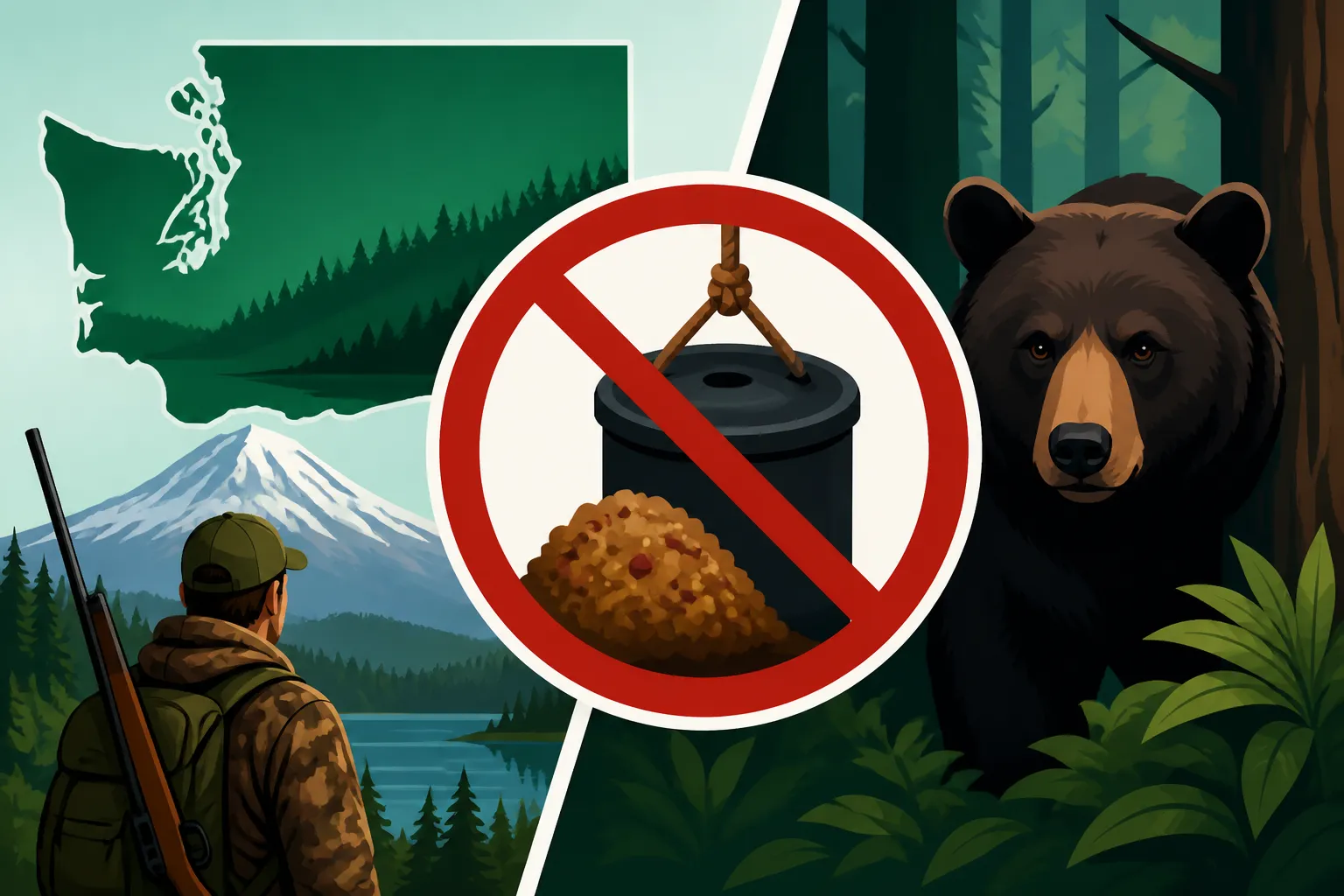
Why Washington Bans Bear Bait
Many hunters venturing into Washington's beautiful, diverse landscapes often wonder why bear baiting is strictly prohibited. It's a question that comes up regularly, especially for those familiar with baiting practices in other states, and it can be a source of frustration when trying to formulate a successful bear hunting strategy. This guide will delve deep into the specific reasons behind Washington's long-standing ban on bear baiting, exploring the legal, ethical, and biological considerations that shape this crucial hunting regulation.
The Legal Landscape: Washington's Stance on Bear Baiting
A Look at the Regulation Itself
Washington State law is clear and unequivocal when it comes to the use of bait for hunting bears. Specifically, Washington Administrative Code (WAC) 220-416-090 states that it is unlawful to hunt bears with the aid of bait. This isn't a vague guideline; it's a hard and fast rule that all bear hunters in the state must adhere to. The regulation defines "bait" broadly as any substance placed to attract wildlife, including but not limited to food, scents, or minerals. This means you can't put out donuts, dog food, or even a strong-smelling attractant to draw in bears. The intention is to remove any artificial means of drawing animals to a specific location, ensuring that hunters rely on their woodsmanship, scouting, and tracking skills.
The implications of this regulation are far-reaching. It means that effective bear hunting in Washington hinges entirely on understanding bear behavior, their natural food sources, and their typical travel patterns. There are no shortcuts. For new hunters, or those accustomed to baiting, this can feel like a significant hurdle. But it also means that successfully harvesting a bear in Washington is a testament to truly understanding the animal and its habitat. You'll need to know about Where Bears Feed in Early Fall and how their diet changes throughout the year to stand a chance.
Historical Context of the Ban
The prohibition on bear baiting in Washington isn't a recent development; it has roots going back decades. While specific legislative moments are often debated, the general consensus points to a progressive shift in wildlife management philosophies within the state, emphasizing fair chase principles and minimizing potential negative impacts on wildlife populations and public perception. Early regulations often addressed concerns about commercialization of hunting and unethical practices.
Over time, as hunting participation diversified and public interest in wildlife conservation grew, state wildlife agencies like the Washington Department of Fish and Wildlife (WDFW) moved towards regulations that prioritize the inherent wildness of the hunt. The ban on baiting was, in part, a response to public and stakeholder feedback regarding the perceived ethics of hunting over an artificial food source. It's tied into the broader narrative of managing hunting as a privilege, not a right, and ensuring practices align with conservation goals and a respectful approach to wildlife. This long-standing prohibition sets Washington apart from some other states where baiting is permissible, and it's a reflection of the state's unique approach to managing its diverse ecosystems and game species, including the significant Washington Black Bear Population Estimate.
Ethical and Fair Chase Concerns
Defining Fair Chase in Washington Hunting
The concept of "fair chase" is a cornerstone of ethical hunting, especially in Washington. It refers to the pursuit of wild animals in a manner that allows them an even chance to escape, without giving the hunter an unfair advantage. This principle is deeply embedded in Washington's hunting regulations and culture. For many, fair chase means relying on natural hunting methods – scouting, tracking, calling, and stalking – rather than methods that dramatically reduce an animal's natural defenses or instincts.
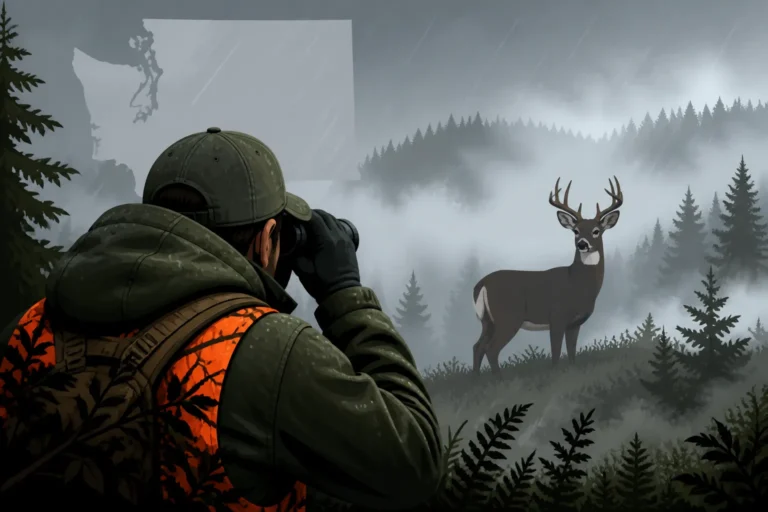
Baiting, in this context, is often seen as violating fair chase because it artificially concentrates animals in a predictable location, removing the challenge of finding and pursuing them in their natural environment. It's viewed as a sedentary method that diminishes the skill required to locate and approach an animal. While individual interpretations of fair chase can vary, the WDFW and a large segment of the hunting community in Washington maintain that baiting falls outside these accepted ethical boundaries. This commitment to fair chase extends to other hunting methods too, influencing regulations around everything from electronic calls to motorized vehicle use in hunting areas. It encourages hunters to really immerse themselves in the landscape, much like when you're Still-Hunting Blacktails in Wet Washington Brush.
The Debate Around Baiting and Hunter Advantage
The debate around baiting often centers on the degree of advantage it provides. Proponents of baiting in other states argue it can increase success rates, provide better shot opportunities (allowing for more selective harvesting and ethical shots), and even help monitor bear populations. However, in Washington, the prevailing view has been that these perceived benefits are outweighed by the ethical compromises.
From the perspective of those who uphold the ban, baiting creates an unfair advantage by habituating bears to human-provided food sources, making them less wary and more vulnerable. It can also lead to issues of target identification – it's often more difficult to accurately judge bear size or identify sows with cubs around a bait station, despite careful observation. This isn't just about making hunting harder; it's about preserving the wildness of the hunt and the intrinsic value of the animal. Hunters in Washington are expected to utilize techniques like Spot-and-Stalk Bear Hunting in Washington Without Bait or identifying natural food sources on green-up slopes to locate and harvest bears, ensuring a more challenging and, many argue, more rewarding experience.
Biological and Management Perspectives
Potential Impacts on Bear Behavior and Populations
Beyond ethics, there are significant biological and ecological reasons why Washington maintains its bear baiting ban. One primary concern is the potential for altering natural bear behavior. When bears become accustomed to readily available, high-calorie food sources from bait stations, several issues can arise. Firstly, it can habituate bears to humans, increasing the likelihood of human-bear conflicts in residential areas or campgrounds. Bears that learn to associate humans with food can become bolder, leading to property damage, public safety concerns, and often, the unfortunate need for their removal.
Secondly, baiting can disrupt natural foraging patterns. Bears are opportunistic omnivores, and their diet shifts throughout the year based on the availability of berries, nuts, insects, and carrion. Relying on bait can divert them from their natural role in the ecosystem, potentially impacting seed dispersal or predation on other species. There's also a risk of disease transmission at communal bait sites, though this is often a secondary concern to behavioral changes. The WDFW's management philosophy emphasizes keeping wildlife wild, and the baiting ban is a tool to support this by encouraging bears to continue their natural behaviors and feeding patterns, which is critical for their long-term health and the overall ecosystem, as detailed in Bear Diet Through the Washington Seasons.
Broader Wildlife Management Goals
The WDFW's decisions regarding hunting regulations are always made with broader wildlife management goals in mind. These goals typically include maintaining healthy, sustainable wildlife populations, ensuring biological diversity, and minimizing conflicts between wildlife and humans. The bear baiting ban serves several of these objectives.
From a population management standpoint, baiting can skew harvest data. If hunters are primarily successful over bait, it might not accurately reflect the true distribution or density of bears across a landscape. This can make it harder for wildlife managers to make informed decisions about tag allocations or season structures. Furthermore, the ban helps ensure that bears remain dispersed and continue to utilize the vast natural habitats available across Washington, from the Olympic Peninsula Hunting Access to the Eastern Washington breaks. By promoting methods like scouting and tracking natural sign, hunters are inadvertently aiding in species management by dispersing their hunting pressure and gaining a more holistic understanding of bear activity across the landscape, which is exactly what a service like GoHunt aims to support with its detailed mapping and data analysis tools. This allows hunters to better pinpoint Where Bears Feed in Early Fall based on natural conditions, not artificial attractants.
Comparison to Other States and Hunter Perspectives
How Washington Differs from Other States
It's true that Washington is not alone in banning bear baiting, but it also differs significantly from states where it's a common and legal practice. States like Maine, Wisconsin, Michigan, and Alaska allow bear baiting, often with specific regulations regarding bait type, quantity, and distance from roads or residences. These states often have different historical contexts, population densities of both bears and humans, and management philosophies that have led them to different conclusions regarding baiting.
For example, in some heavily forested or remote regions, baiting is seen as a practical method to increase hunter success and manage bear populations where alternative hunting methods might be less effective due to dense cover. However, Washington has generally leaned into the fair chase argument, prioritizing the challenge and ethical framework of the hunt. This means that if you're coming from a state where baiting is common, you'll need a significant shift in your approach to bear hunting here. Learning about Washington Black Bear Season Dates and their correlation with natural food cycles becomes paramount. Even GoHunt often highlights how critical understanding natural food sources and terrain is for western hunters, rather than relying on bait.
Hunter Sentiment and Adaptation
The hunter community in Washington, while diverse, generally understands and accepts the ban on bear baiting. For many, it's just "how we do it here." Adapting to this regulation means developing a keen eye for bear sign – tracks, scat, rub trees, and overturned rocks – and learning to read the landscape. It involves extensive e-scouting, often using tools like those provided by GoHunt to analyze terrain, vegetation types, and potential travel corridors, even before setting foot in the woods.
Successful bear hunters in Washington are often those who are willing to put in the miles, glass clearcuts and open slopes at dawn and dusk, and pay close attention to seasonal food sources like huckleberry patches or oak stands. It's a method that truly tests a hunter's patience, observation skills, and physical endurance. While it might seem more challenging initially, many find the reward of a hard-earned bear taken through pure woodsmanship far more satisfying. The skills honed here are also directly transferable to other challenging hunts, like Spot-and-Stalk Bear on Washington Green-Up Slopes or even the intricate process of Glassing Eastern Washington Breaks for Mule Deer.
Table: Washington Bear Hunting Methods vs. Prohibited Practices
| Hunting Method / Practice | Legality in Washington | Description & Impact on Fair Chase |
|---|---|---|
| Spot and Stalk | Legal | Actively locating bears visually (e.g., on avalanche chutes, clearcuts, green-up slopes) and carefully approaching them. Requires a high degree of skill, patience, and woodsmanship. |
| Still Hunting | Legal | Moving slowly and deliberately through bear habitat, pausing frequently to observe and listen. Requires intimate knowledge of terrain, wind direction, and bear movement patterns. |
| Calling (e.g., fawn distress) | Legal | Using vocalizations or calls to attract bears. Requires skill in timing, sound selection, and understanding bear responses and curiosity, often in conjunction with other natural methods. |
| Hunting Over Bait | Prohibited | Placing food, scents, or attractants to draw bears to a specific, predictable location. This creates an artificial concentration of animals and is considered an unfair advantage by WDFW. |
| Using Dogs (for pursuit) | Generally Prohibited for Bear | While hunting cougar with dogs is legal under specific conditions and permits, the use of dogs for pursuing or taking bears in Washington's general hunting seasons is unlawful. |
Disclaimer
The information provided in this guide is for general educational purposes only and is not a substitute for reviewing the current Washington Department of Fish and Wildlife (WDFW) hunting regulations. Hunting laws and seasons can change, so always consult the most recent WDFW Big Game Hunting Seasons and Regulations pamphlet or the WDFW website before planning any hunt. Ensure you understand and comply with all applicable state and federal laws.