What I-655 Banned for Cougar Hunters
The world of Washington hunting is often a maze of regulations, especially when it comes to species that generate a lot of public interest. Few issues have been as impactful and, frankly, as frustrating for cougar hunters as Initiative 655 (I-655). This guide aims to clear up the confusion surrounding I-655, detailing exactly what it prohibited for cougar hunters and how it fundamentally reshaped the pursuit of these elusive predators in Washington State.
The Genesis of I-655 Understanding the Ban on Hound Hunting
To truly understand the impact of I-655, we need to rewind a bit and look at the landscape before it. For decades, pursuing cougars with trained hounds was a time-honored tradition for many hunters across the state and the country. It was a highly effective method, relying on the dogs' incredible sense of smell and tracking abilities to tree a cougar, allowing the hunter to then dispatch it. This technique was seen by many as an integral part of wildlife management, helping control cougar populations, especially in areas with high deer and elk numbers, or where livestock depredation was an issue.
However, as public sentiment around certain hunting practices evolved, so did the legislative landscape. I-655 was a citizen-sponsored initiative that passed in 1996. It wasn't born from a desire to ban cougar hunting entirely, but rather a direct response to the use of dogs in the pursuit of cougars. Proponents of the initiative often cited concerns about fairness to the animal, the ethics of chasing an animal to exhaustion with dogs, and the perception of sport versus ethical harvest. For many traditional hunters, this was a deeply emotional and contentious issue, feeling like an attack on their heritage and a misunderstanding of how hunting with hounds actually worked. The initiative essentially brought Washington in line with a growing trend in some other western states to restrict or ban hound hunting for certain big game species.
What I-655 Actually Prohibited for Cougar Hunters
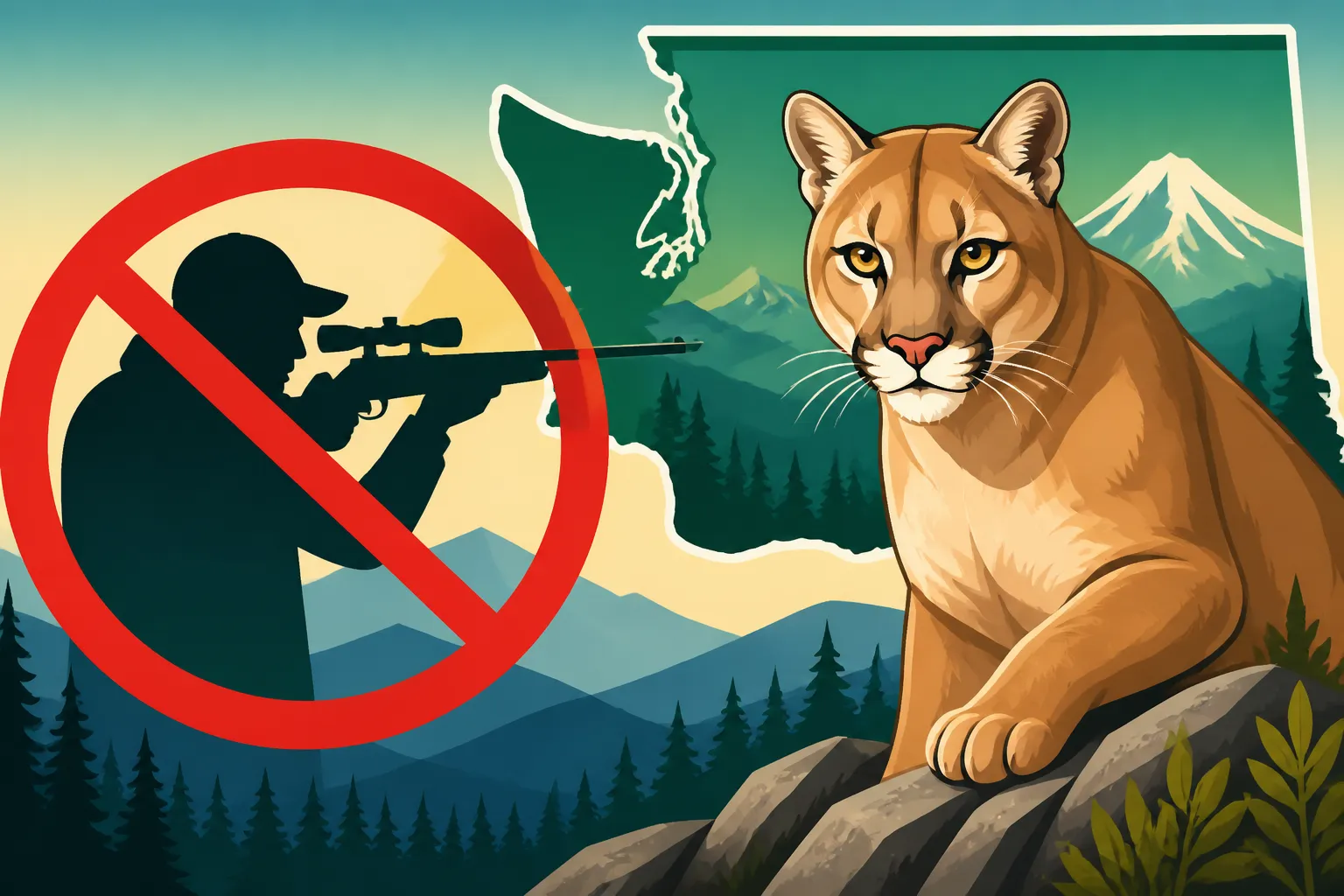
Let's cut right to the chase: I-655 specifically banned the use of hounds for hunting cougars. This might seem straightforward, but it has a cascading effect on all aspects of cougar hunting in Washington. Prior to I-655, a hunter could deploy a pack of trained dogs, often equipped with GPS collars, to track a cougar’s scent until the animal was forced into a tree or cornered. The hunter would then follow the dogs' signals, approach the treed animal, and take a shot.
The initiative made this entire process illegal. This meant that all the specialized equipment associated with hound hunting – the dogs themselves, the expensive tracking collars, and even the vehicles often customized for rapid deployment of hounds – became obsolete for cougar hunting purposes in Washington. It's crucial to understand that I-655 did not ban cougar hunting itself. You can still legally hunt cougars in Washington State, but the methods available to you are now strictly limited to what's considered "fair chase" without the aid of dogs. This distinction is vital, as misinformation often circulates that cougar hunting is completely outlawed. It's not; it simply demands a different approach.
The Impact on Washington Cougar Hunting Methods
The ban on hound hunting forced an immediate and drastic shift in cougar hunting strategies. Gone are the days of following a baying pack. Instead, Washington cougar hunters now rely on a blend of traditional tracking, calling, and still-hunting techniques. This has made cougar hunting significantly more challenging and has often reduced success rates, especially for those accustomed to the efficiency of hounds.
One of the most effective methods remaining is still-hunting, which involves slowly and quietly moving through known cougar habitat, looking for fresh sign. This requires an incredible amount of patience and a keen eye for detail. Hunters spend hours scrutinizing tracks, scat, and kill sites. Snow, while making hunting more arduous, is often a cougar hunter's best friend after I-655, as it allows for easier Reading Cougar Sign in the Snow and following fresh tracks. This is where advanced scouting tools, like those found on GoHunt, can become invaluable for identifying high-probability areas, historical cougar sightings, and terrain features that cougars frequent, even before you step foot in the woods.
Another popular method is calling. This involves using electronic or mouth calls to mimic prey animals, like fawns or rabbits, to lure a cougar within shooting range. This takes practice and a good understanding of cougar behavior and territory. It’s a method that requires stealth and often long periods of waiting, similar to Predator Calling for Coyotes in Eastern Washington but with a much more formidable quarry. Hunters will set up in an advantageous position, often with a clear line of sight and an escape route, and broadcast distress calls. Success often hinges on picking the right setup, understanding wind direction, and knowing how long to sit a stand before moving on. For more in-depth strategies, you might want to read about Calling Cougars Without Dogs in Washington.
Here's a quick comparison of methods:
| Aspect | Pre-I-655 Cougar Hunting (with Hounds) | Post-I-655 Cougar Hunting (without Hounds) |
|---|---|---|
| Primary Method | Tracking with trained dogs | Still-hunting, calling, incidental harvest |
| Success Rate | Generally higher, more consistent | Significantly lower, highly variable |
| Physical Exertion | Often fast-paced pursuit with dogs | Slow, deliberate, extensive walking/climbing |
| Required Skills | Dog handling, tracking, woodsmanship | Advanced tracking, calling, stealth, patience |
| Equipment Focus | Hounds, GPS collars, specialized vehicles | Optics, calls, good footwear, mapping tools |
| Typical Terrain | Varied, wherever dogs could track | Rugged, dense cover, areas with good visibility |
Navigating Washington Cougar Seasons After I-655
Even with the change in methods, cougar hunting remains a critical part of Washington's wildlife management. Cougars are incredibly adaptable predators, and their populations need to be managed to maintain healthy deer and elk herds, and to minimize conflicts with humans and livestock. The Washington Department of Fish and Wildlife (WDFW) manages cougar seasons with harvest guidelines, which means that once a certain number of cougars are harvested in a specific Game Management Unit (GMU), that unit may close to hunting. This can happen quite quickly, especially if there's significant hunting pressure or accessible snow conditions.
It's absolutely essential for cougar hunters to stay on top of the regulations and harvest statistics. The WDFW website is your best friend here, as they update cougar harvest reporting frequently. A tool like GoHunt can also streamline this research, offering detailed data and mapping features that help you monitor GMU closures and plan your hunts accordingly. Understanding Washington Cougar Season and Harvest Guidelines is paramount. You need to know the general season dates, but also be prepared for a GMU to close on short notice if the harvest quota is met. This means flexibility in your hunting plans and a proactive approach to checking current closures.
Hunters often find themselves searching for fresh tracks in areas they've e-scouted, looking for dense timber, rocky outcroppings, or game trails that would funnel cougar movement. Knowing Cougar Territory and Movement patterns becomes even more critical when you don't have dogs to do the finding for you. Success now relies heavily on a hunter's ability to interpret sign, predict animal behavior, and spend extensive time in the field, often covering many miles on foot. It’s a true testament to the dedication of Washington's cougar hunters who continue to pursue these magnificent animals under these challenging, post-I-655 conditions. For more information on season structure, always check the latest Washington Big Game Pamphlet Release.
Disclaimer
Always check the latest Washington Department of Fish and Wildlife (WDFW) regulations before planning any hunting trip, as rules and seasons can change. This content is for informational purposes only and does not constitute legal advice.