Willapa Hills Elk Herd Size
It can be incredibly frustrating to plan a Washington elk hunt, pouring over maps and regulations, only to feel like you’re guessing when it comes to the actual health and size of the herd you’re targeting. Hunters often grapple with the uncertainty of population numbers, wondering if their chosen unit holds enough elk to make all that effort worthwhile. This guide aims to pull back the curtain on understanding the Willapa Hills elk herd size, helping you make more informed decisions for your next hunt.
Understanding Elk Herd Size in Washington State
Let’s be honest, trying to pinpoint the exact number of elk roaming Washington’s vast and varied landscapes is like trying to count raindrops in a downpour. It’s a monumental task, and one the Washington Department of Fish and Wildlife (WDFW) dedicates significant resources to. But for us hunters, understanding these numbers isn't just about curiosity; it directly impacts our hunting experience, from draw odds for special permits to general season success rates. Knowing the trends, even if the precise number is fluid, empowers us to better strategize.
One of the foundational elements in effective wildlife management, and thus in creating hunting opportunities, is a robust understanding of population dynamics. It's not just about how many elk there are today, but how many there were, how many calves survived, and what pressures the herd faced throughout the year. These complex factors all feed into the bigger picture that ultimately shapes the seasons and bag limits we see published each year.
The WDFW splits the state into various elk herds, each with its own management plan and, often, distinct characteristics. For instance, the challenges and habitat of the Rocky Mountain elk east of the Cascades are quite different from those facing the Roosevelt Elk of Western Washington. These distinctions are crucial because they mean management strategies, and consequently population trends, vary significantly from one herd to another.
Why Herd Numbers Fluctuate
Elk populations are rarely static; they're in a constant dance with their environment, influenced by a multitude of factors that can cause their numbers to ebb and flow. It’s easy to focus on just one aspect, like hunting pressure, but the reality is far more intricate. Think of it like a complex ecosystem balancing act, where every element plays a role in the overall health and size of the herd.
Habitat is undeniably king. The quality and availability of food, water, and cover directly impact an elk herd’s ability to thrive. When wildfire sweeps through a crucial winter range, or a massive timber harvest alters vast tracts of forest, those changes ripple through the elk population. Similarly, long, harsh winters with deep snow can lead to increased calf mortality and stress on adult animals, reducing overall numbers. On the flip side, mild winters and abundant forage can fuel population growth.
Predation also plays a significant, though often debated, role. Cougars, bears, and increasingly, wolves, all take their share of elk, particularly calves and weaker animals. While predation is a natural part of the ecosystem, changes in predator populations can sometimes exert additional pressure on elk herds. Then there’s disease; unfortunately, Washington has seen its share of Elk Hoof Disease in Western Washington, which can significantly impact the health and mobility of affected animals, sometimes leading to mortality and affecting herd productivity.
Hunting pressure, while managed, is another factor. The WDFW carefully sets tag quotas and season structures specifically to manage herd numbers. If a herd needs to grow, fewer tags might be issued or seasons shortened. If a population is robust, more opportunities might be available. This is why our harvest reports are so vital, as they provide critical data points for wildlife managers to adjust future strategies.
How WDFW Estimates Elk Populations
So, with all these moving parts, how does the WDFW actually go about estimating something as grand as the Willapa Hills elk herd size? It’s not simply a matter of counting every animal, which would be an impossible feat in such dense, sprawling habitat. Instead, they employ a combination of scientific methods, data analysis, and modeling to arrive at their best possible estimates. It’s a bit like detective work, piecing together clues to build a picture of the herd.
One of the primary tools in their arsenal is aerial surveys. Imagine flying over vast tracts of timber and clearcuts in a helicopter, observers scanning the landscape for tell-tale groups of elk. These surveys are often conducted during specific times of the year, like late winter or early spring when elk might be more concentrated or visible against snow. While not every elk is seen, these flights help estimate population density in sample areas, which can then be extrapolated to the larger management unit. The challenge, especially in dense western Washington timber, is visibility, which can make accurate counts difficult, hence the need for other data.
Beyond direct observation, harvest data from hunters is incredibly important. When we dutifully report our harvests, we’re providing direct information on elk taken from the population, including age, sex, and location. This data, combined with information from successful and unsuccessful hunters, gives managers a crucial insight into herd structure and productivity. It helps them understand bull-to-cow ratios, calf recruitment, and overall hunter success rates, all of which are indicators of herd health and size. This is why Washington Harvest Reporting Requirements are so important; your report directly contributes to sound management.
Finally, the WDFW uses sophisticated population models. These models take into account all the available data: aerial counts, harvest reports, calf survival rates, known mortality factors, and habitat conditions. By inputting these variables, they can project population trends, predict future numbers, and assess the impact of different management scenarios. It’s a dynamic process, and as new data comes in, the models are refined. This multi-faceted approach, combining boots-on-the-ground (or air) observation with analytical tools, helps create the most accurate picture possible of how many elk Washington has and how specific herds, like those in the Willapa Hills, are doing. For a broader perspective on these methods, you might be interested in reading about How WDFW Counts Big Game.
The Willapa Hills Elk Herd: A Closer Look
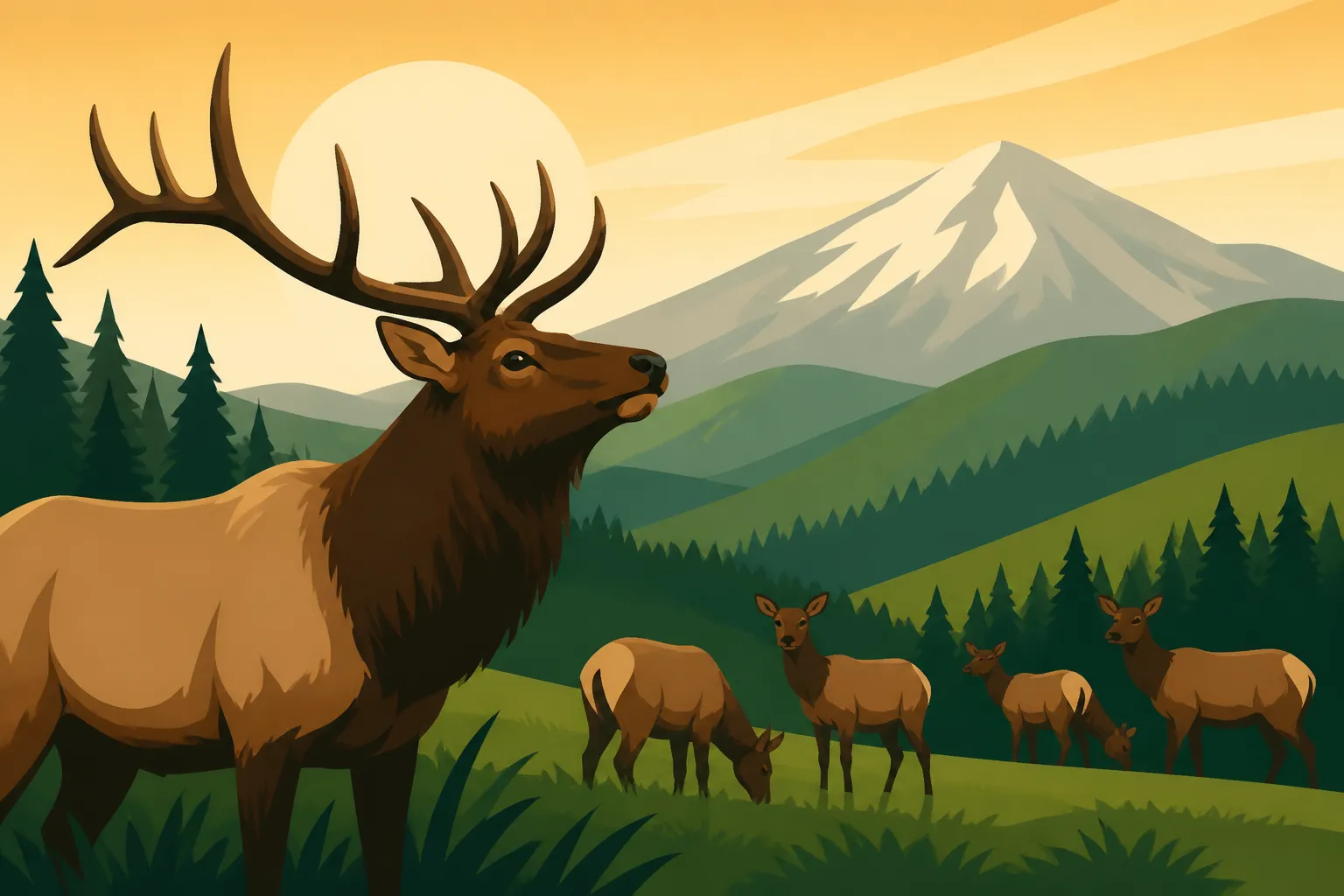
The Willapa Hills, nestled in southwest Washington, are a unique and challenging landscape for elk and hunters alike. This region, characterized by dense timber, rolling hills, and a network of logging roads, is home to a robust population of Roosevelt elk. Unlike the more open country often associated with elk hunting in eastern Washington, the Willapa provides a different kind of hunting experience, one often characterized by close-quarters encounters and navigating thick brush. Understanding the specific dynamics of this herd is key to appreciating its resilience and the opportunities it offers.
For many years, the Willapa Hills elk herd has been a focal point for both hunters and wildlife managers. It’s a prime example of how a combination of habitat, management practices, and natural factors shape a regional elk population. When you're out there, slogging through the salal, you're walking through a living testament to the adaptability of these majestic animals and the ongoing efforts to ensure their future.
The WDFW maintains specific management objectives for the Willapa Hills, aiming to balance a healthy, robust elk population with local human interests, including timber production and agriculture. These objectives guide everything from setting harvest levels to habitat improvement projects. It's a continuous process of monitoring, assessing, and adapting, always with the goal of sustaining the herd for future generations of hunters and wildlife enthusiasts.
Historical Context and Current Trends
The Willapa Hills elk herd has a fascinating history, a testament to the resilience of these animals and the dedicated efforts of conservationists and wildlife managers. Back in the day, elk populations across Washington faced severe declines due to overhunting and habitat loss. The Roosevelt elk, in particular, saw their numbers dwindle dramatically in western Washington. However, through reintroduction efforts, habitat protection, and regulated hunting, the Willapa Hills herd, like many others, began a slow but steady recovery.
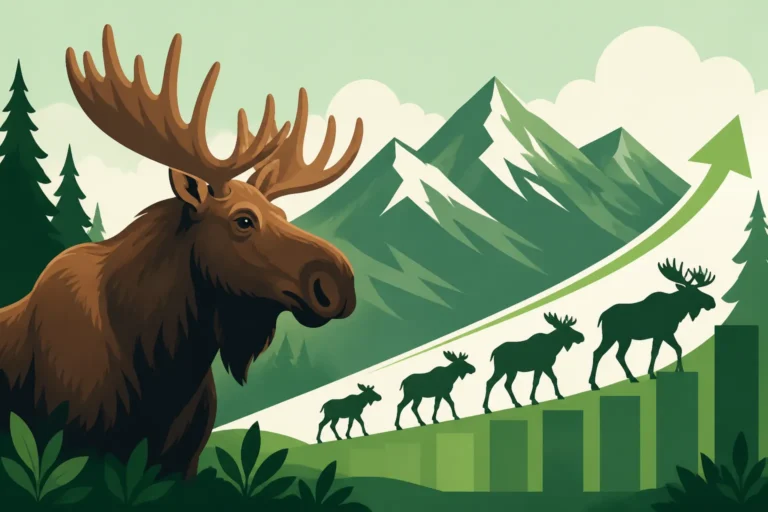
In more recent times, the Willapa Hills herd has generally been considered strong, often exceeding or maintaining within its management objectives. While specific numbers can fluctuate year to year based on various factors, the overall trend for this herd has often been one of stability or growth. This makes the Willapa Hills a popular destination for elk hunters, particularly those seeking a Roosevelt elk experience. However, "stable" doesn't mean "easy." The dense cover means elk are often heard more than seen, making for a challenging but rewarding hunt.
It's important to remember that general trends don't erase localized challenges. Even within a healthy herd, certain areas might experience lower numbers due to specific habitat disturbances, higher predation, or increased human activity. Therefore, while the overarching picture might be positive, individual hunters still need to put in the scouting time, perhaps using tools like E-Scouting Washington GMUs Before the Draw, to find those pockets where elk are currently concentrated.
Factors Specific to the Willapa Hills
What makes the Willapa Hills unique when it comes to elk populations? The answer lies largely in its very nature: dense, managed timberlands. This isn't vast, open sagebrush country; it's a labyrinth of clearcuts, young reprod, and mature forest that creates a mosaic of habitat. Elk thrive in these environments because they offer excellent cover from predators and hunters, as well as a continuous supply of forage from regenerating clearcuts. This constant cycle of timber harvest, while sometimes disruptive in the short term, often creates prime elk feed in the long run.
However, this specific habitat also presents its own set of challenges. The sheer density of the vegetation can make aerial surveys difficult, leading to greater reliance on other data points for herd estimation. Additionally, the fragmented nature of land ownership, with significant portions managed by private timber companies like Weyerhaeuser and Hancock, influences access and hunter distribution. Understanding these access rules is crucial, and you might find insights in learning about Hunting Behind Timber Company Gates.
A significant concern that has affected the Willapa Hills, and much of western Washington, is Elk Hoof Disease. This debilitating illness can cause severe lameness, affecting an elk's ability to feed, escape predators, and reproduce. While the herd has shown resilience, managing the spread and impact of this disease remains a critical aspect of WDFW’s efforts. Hunters play a vital role here; if you see a limping or otherwise affected elk, Reporting a Limping Elk to WDFW is an important part of wildlife health surveillance.
Interpreting Willapa Hills Elk Herd Size for Hunters
Knowing the overall size and health of the Willapa Hills elk herd isn't just academic; it has direct, tangible implications for us as hunters. It can influence everything from which GMU we choose to apply for, to the expectations we set for ourselves in the field. Ignoring these numbers is like playing poker without knowing the odds; you might get lucky, but you're not playing smart.
The WDFW uses these herd estimates to determine annual permit allocations and general season structures for specific Game Management Units (GMUs). If a herd is thriving and above its management objective, there might be more tags available, or perhaps even antlerless opportunities designed to manage the population. Conversely, if a herd is struggling, permits might be scaled back to allow for recovery. This is the practical application of wildlife science directly impacting our hunting opportunities.
Beyond the numbers, understanding the herd's dynamics can help you gauge the level of competition you might face. A highly productive and robust herd in an accessible area often draws more hunters, meaning you'll need to work harder to find unpressured animals. On the other hand, a stable herd in a more challenging, backcountry unit might offer a more solitary experience, even if the absolute number of elk is lower. It's about aligning your hunting style and expectations with the reality of the herd.
What "Herd Size" Means for Your Hunt
When you read about the Willapa Hills elk herd size being, say, "at management objective" or "stable," what does that truly mean for your boots-on-the-ground hunt? It doesn’t mean elk are standing shoulder to shoulder waiting to be harvested, especially in the thick cover of western Washington. Instead, it offers a crucial context for your planning. A healthy, stable population suggests that calves are surviving, cows are reproducing, and there’s generally a good mix of age classes, including mature bulls.
For those applying for special permits, robust herd numbers can sometimes translate to slightly better odds for drawing a tag, particularly for antlerless or general bull permits, though quality bull tags remain notoriously difficult to draw anywhere. For general season hunters, a healthy herd implies that elk are present across their traditional range, rather than being confined to small, isolated pockets. This means your scouting efforts are more likely to yield results, whether you’re looking for fresh sign or actually spotting animals.
It’s also important to consider the "carrying capacity" of the land. The Willapa Hills have a finite amount of prime elk habitat, and while timber practices can enhance forage, there's a limit to how many animals the land can sustainably support. Therefore, a herd size reported as "at objective" suggests a balanced ecosystem where elk aren't overgrazing their habitat, leading to healthier animals overall. This is where tools like GoHunt come into play, as they often compile and present WDFW data in a user-friendly format, helping you quickly grasp the implications for specific units.
Resources for Staying Informed
Staying up-to-date on the Willapa Hills elk herd size and overall health is a continuous process for the dedicated hunter. The WDFW is your primary source of information, but navigating their reports can sometimes feel like a treasure hunt. Thankfully, there are tools and approaches that can make this much easier, integrating critical data into your planning.
First and foremost, the WDFW's annual Big Game Hunting pamphlet is a must-read. It not only outlines season dates and regulations but often includes herd status updates and management objectives for various units, including those within the Willapa Hills. Always check for the latest edition, as information can change. Beyond the pamphlet, the WDFW website typically hosts detailed Game Management Unit (GMU) reports and species plans. These documents often provide specific population estimates, harvest statistics, and management strategies for individual herds. For a comprehensive overview of when and where to find this crucial information, make sure to check out the details on the Washington Big Game Pamphlet Release.
Next, consider investing in dedicated hunting resources. Platforms like GoHunt provide valuable tools for analyzing draw odds, unit data, and herd statistics. They aggregate WDFW information and present it in an accessible way, often with additional insights and mapping features. While you still need to verify data with the official WDFW sources, GoHunt can be a fantastic starting point for your research, helping you sift through a lot of information quickly. Similarly, detailed mapping applications like onX Hunt can layer public and private land ownership, crucial for understanding access in complex areas like the Willapa Hills, where private timber holdings dominate.
Finally, connect with other hunters! Local forums, social media groups, and even conversations at your local sporting goods store can provide anecdotal, but often insightful, perspectives on what's happening on the ground. While not official data, these firsthand accounts can sometimes confirm trends or highlight localized issues not always apparent in broad reports. Remember, the more sources you consult, the more complete a picture you'll build of the Washington Game Management Units Explained and the specific herd you're targeting.
The Role of Conservation and Management
The sheer size and health of the Willapa Hills elk herd don’t happen by accident. They are the direct result of ongoing conservation efforts and meticulous management by the Washington Department of Fish and Wildlife, often in collaboration with private landowners and other stakeholders. For hunters, understanding this larger context isn't just about appreciation; it’s about recognizing our own vital role in the perpetuation of these incredible animals and the hunting heritage we cherish.
Conservation is a dynamic process, not a static achievement. It involves continuous monitoring, research, and adaptive management to respond to changing environmental conditions, disease outbreaks, and human impacts. Every time a WDFW biologist conducts an aerial survey or analyzes harvest data, they are contributing to the robust framework that ensures healthy elk populations for generations to come. This work is funded, in no small part, by our hunting license and tag fees, directly linking our passion for hunting to the welfare of the game we pursue.
Beyond funding, the hunting community itself often acts as an invaluable network of eyes and ears on the ground. Hunters are often the first to notice changes in elk behavior, signs of disease, or habitat degradation. By reporting these observations, we become active participants in the conservation process, helping managers respond swiftly and effectively to emerging challenges. This partnership between hunters and wildlife agencies is a cornerstone of modern wildlife management.
Balancing Hunter Opportunity and Herd Health
One of the WDFW's most significant challenges is striking the delicate balance between providing ample hunting opportunities and ensuring the long-term health and stability of the Willapa Hills elk herd. It’s a tightrope walk that requires careful consideration of biological factors, social expectations, and economic impacts. No easy task, especially when everyone has an opinion on how many tags should be issued!
The WDFW uses the extensive data collected on herd size, age structure, and calf recruitment to set annual tag quotas and define season lengths. If a herd shows signs of decline, for example, due to lower calf survival rates or increased disease prevalence, managers might reduce general season tags or special permits. This isn't done to punish hunters but to allow the herd to rebound. Conversely, if the herd is robust and exceeding its objectives, opportunities might be expanded, sometimes through antlerless hunts designed to keep the population within ecological carrying capacity. This distinction between types of permits is part of the discussion around Washington General Season Versus Special Permit Hunts.
This approach means that hunting seasons are a flexible management tool. They are designed to exert a controlled amount of pressure on the population, helping to mimic natural mortality factors and ensure a healthy balance within the ecosystem. By carefully adjusting these levers, the WDFW strives to maintain an elk population that is both ecologically sound and capable of supporting sustainable hunting for years to come. This is also where opportunities like Washington Damage Hunt Opportunities can arise, helping to alleviate conflicts while managing herd numbers.
Your Part in Data Collection
As a hunter in the Willapa Hills, you are more than just a participant in the harvest; you are an essential component of the WDFW’s data collection efforts. Every action you take, from applying for a permit to reporting your hunt, contributes valuable information that shapes the future of this magnificent elk herd. Your involvement is not just encouraged; it’s vital for accurate management.
The most critical contribution you make is through harvest reporting. Whether you were successful or not, reporting your hunt, even an unfilled tag, provides the WDFW with crucial statistical data. It tells them not just how many elk were taken, but from which GMUs, what sex, and even approximate age through visual assessment of antler points or body size. This information helps validate aerial surveys and population models, offering real-world data points that are impossible to gather otherwise. Failing to report a harvest, even unintentionally, can create gaps in this data, making management decisions less informed.
Beyond harvest reports, being an observant hunter in the field is incredibly helpful. Noticing sick or injured animals (like those with hoof disease), unusual concentrations of elk, or changes in habitat can provide early warnings to wildlife managers. As mentioned earlier, if you encounter an elk showing signs of illness, such as severe lameness, contacting the WDFW is an important civic duty. By being engaged and responsible, we ensure that the Willapa Hills elk herd continues to thrive, offering challenging and rewarding hunts for generations to come.
Disclaimer
This article is for general informational purposes only and does not constitute professional advice. Laws, prices and regulations vary by location and change over time. Consult a qualified professional for guidance on your specific situation.