Yakima Elk Herd Population Numbers
It's a common frustration among Washington hunters: you want to know how the game is doing in your favorite unit, but getting solid, current information feels like pulling teeth. The Yakima Elk Herd, a true gem of Eastern Washington, often sparks intense discussions about its population health and size, leaving many wondering where to focus their limited draw applications and general season efforts. This guide will delve deep into the dynamics of the Yakima Elk Herd, explaining how its population is monitored, factors influencing its numbers, and what these trends mean for your hunting strategy.
Understanding the Yakima Elk Herd: A Snapshot of a Premier Population
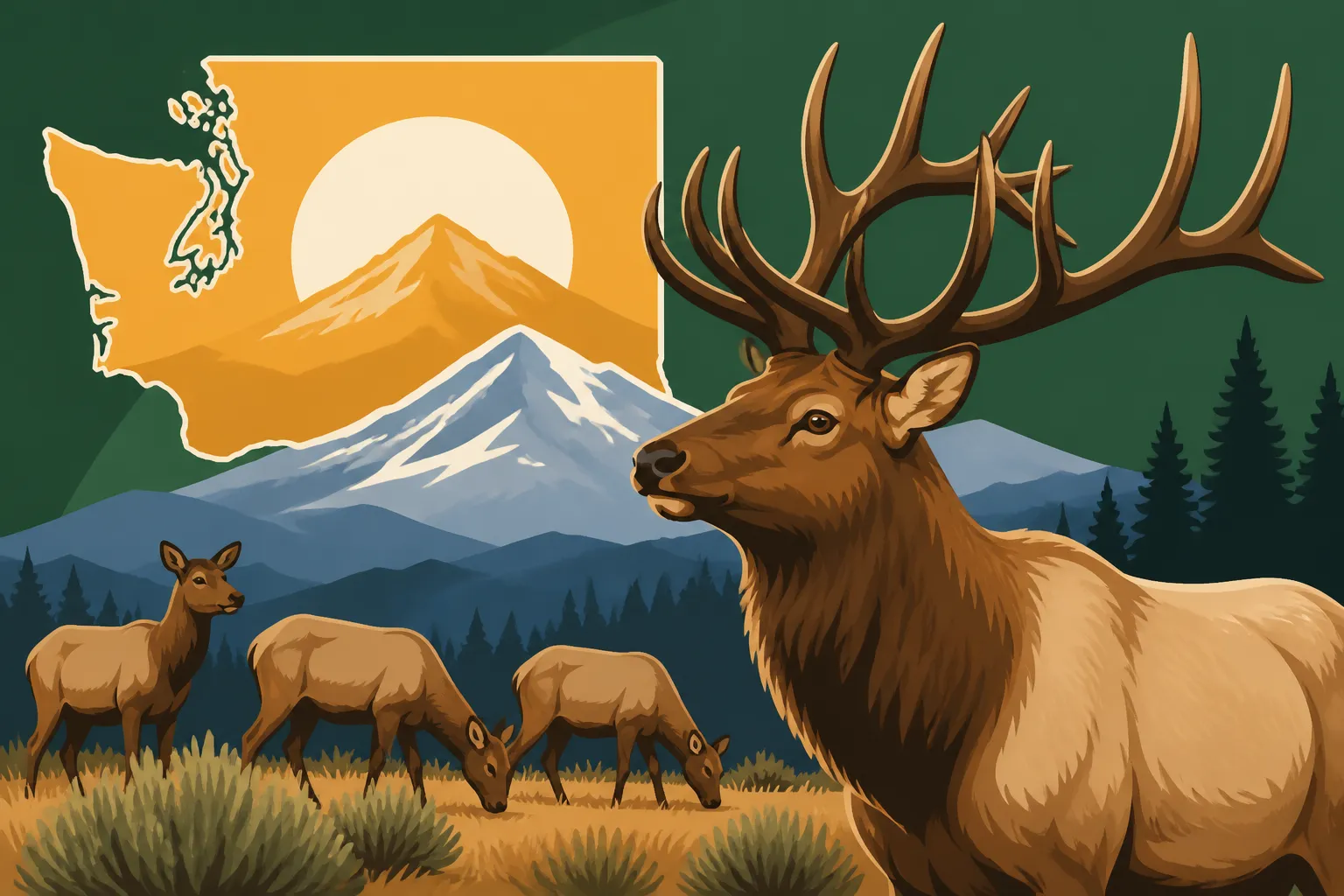
The Yakima Elk Herd is one of Washington's most prominent and historically significant elk populations. Stretching across diverse habitats from the shrub-steppe foothills to the higher elevations of the Cascade Mountains, this herd offers a varied hunting experience, from open-country glassing to timber-still hunting. But beyond the scenic beauty and hunting opportunities, understanding the herd's population dynamics is crucial for both conservation and successful hunting.
The Landscape of the Yakima Herd's Home Range
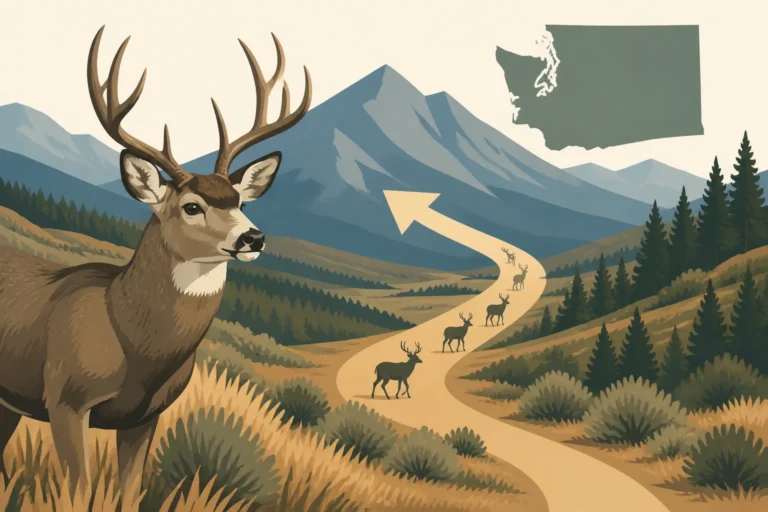
The Yakima Elk Herd inhabits a vast and complex region, primarily within the Game Management Units (GMUs) associated with the L.T. Murray Wildlife Area, the Oak Creek Wildlife Area, and surrounding national forest lands. This area is characterized by dramatic elevation changes, from the river valleys to high alpine meadows. In the lower elevations, you'll find sagebrush and bitterbrush, transitioning to ponderosa pine and Douglas fir forests as you climb. These varied landscapes provide critical seasonal habitats, from calving grounds to wintering areas, making the herd's movements and resource availability highly dependent on environmental conditions. Hunters often spend countless hours trying to decipher Elk Migration Timing in Washington, which is directly tied to the herd's use of these diverse habitats.
The complexity of the terrain means that elk movement can be unpredictable, influenced by snow depth, forage availability, and hunting pressure. The eastern slopes of the Cascades offer some rugged and challenging hunting, but the rewards can be significant for those willing to put in the effort. Knowing the specific characteristics of the terrain you plan to hunt within the Yakima GMUs is paramount. It’s not just about finding elk; it’s about finding huntable elk, and their location is directly tied to the forage and cover these varied landscapes provide.
Historical Perspective on Population Trends
Like many large ungulate populations, the Yakima Elk Herd has experienced fluctuations throughout its history. There have been periods of rapid growth, often followed by stabilization or even decline, influenced by a myriad of factors from habitat changes to disease. For decades, the WDFW has actively managed this herd, aiming to maintain a healthy population that aligns with habitat carrying capacity and provides sustainable hunting opportunities. This historical context is vital because it helps us understand the current status and anticipate future trends. What seems like a low count today might be a rebound from a historic trough, or a sign of an impending downturn.
Looking back, successful management strategies often involved balancing hunter harvest with habitat improvements and addressing other stressors. Understanding these long-term trends is more useful than fixating on a single year's number. For dedicated hunters, tools like GoHunt can sometimes aggregate historical WDFW data, offering a visual representation of these ups and downs, which can inform your strategic planning for applying for Washington Special Hunt Permits and How to Apply in specific Yakima units. These historical insights help illustrate why some units might have consistently higher success rates than others or why antler restrictions might be in place.
The Art and Science of Counting Elk: WDFW's Methods and Challenges
Accurately estimating the population of a wild, free-ranging animal like the Yakima Elk Herd is far from a simple task. It's a blend of scientific methodology, boots-on-the-ground observation, and sophisticated data analysis. The Washington Department of Fish and Wildlife (WDFW) employs various techniques to arrive at their estimates, and understanding these methods can give hunters a better appreciation for the numbers they see in the hunting pamphlets.
Aerial Surveys and Population Estimation
One of the primary tools WDFW uses for estimating elk populations, including the Yakima Herd, is aerial surveys. This typically involves flying fixed-wing aircraft or helicopters over specific GMUs, particularly in late winter or early spring when snow cover can make elk more visible and before spring green-up obscures them. Observers count individual animals, classifying them by sex and age (cows, calves, and bulls, often further broken down by antler class). These raw counts are then extrapolated using statistical models to estimate the total population.
However, aerial surveys come with inherent challenges. Weather conditions can severely limit visibility, and elk often seek refuge in dense timber or under canopy cover, making them impossible to spot from above. Moreover, elk can move between management units, making it difficult to get a definitive count for a specific area at any given moment. This is why WDFW relies on multiple survey efforts and combines this data with other information to form their best estimate. It’s not a perfect science, but it’s the most effective way to gather broad-scale data on How Many Elk Washington Has in various regions.
Other Data Points: Harvest Reports and Research
Beyond aerial surveys, WDFW gathers crucial data from other sources. Hunter harvest reports are a significant piece of the puzzle. When you submit your Washington Harvest Reporting Requirements, you're providing vital information on successful hunts, species taken, sex, and location. This data, compiled over many years, helps biologists understand harvest rates, hunter effort, and the distribution of successful hunts. Changes in harvest success can often be an indicator of population shifts, even if direct counts are challenging.
Additionally, WDFW conducts targeted research projects, which might include telemetry studies (collaring elk to track their movements and survival rates), disease surveillance (such as monitoring Elk Hoof Disease Symptoms or Chronic Wasting Disease, though CWD is not yet detected in Washington), and habitat assessments. These research efforts provide a deeper understanding of specific factors impacting the herd, like Elk Calf Survival and Predation rates or the health of Bull-to-Cow Ratios in Washington Herds. All these different data points are triangulated to provide the most comprehensive picture possible of the Yakima Elk Herd's population dynamics.
Challenges in Accurate Counting
Despite these efforts, precise population counting remains incredibly difficult. Elk are mobile, adaptable animals that can inhabit vast, rugged landscapes, making it nearly impossible to count every single individual. Factors like dense timber, harsh winter weather, or even the behavioral patterns of the elk themselves (e.g., hiding from predators or hunters) can lead to undercounts. Furthermore, natural events like severe winters can cause significant winter mortality, while mild winters can lead to higher calf survival, making the population numbers dynamic and subject to rapid change.
The goal of WDFW is not necessarily an exact, real-time census, but rather to understand population trends – whether the herd is growing, stable, or declining. This trend data is far more valuable for long-term management decisions than a single, potentially flawed, absolute number. Hunters often get fixated on a precise number, but it’s the direction and rate of change that truly informs season setting and tag allocations.
What the Numbers Mean for Your Hunt: Impact on Seasons and Strategy
For the boots-on-the-ground hunter, understanding the Yakima Elk Herd's population dynamics isn't just academic curiosity; it directly impacts your hunting opportunities, strategies, and chances of success. WDFW uses these population estimates to inform their decisions regarding general season structures, special permit allocations, and specific unit regulations.
Influencing Tag Allocations and Hunt Opportunities
The estimated population numbers, coupled with management objectives for a specific herd (e.g., maintaining a certain number of bulls per 100 cows or reaching a target population size), directly influence the number of general season tags available and, critically, the quantity of special permits offered in the various Yakima GMUs. If the population is robust and growing, WDFW might increase tag allocations to manage the herd within its carrying capacity and reduce potential damage to private lands or agricultural areas. Conversely, if numbers are trending downward, especially in specific areas or for particular age classes like mature bulls, they may reduce tags to allow the herd to recover.
This is why understanding "Yakima Elk Herd Population Numbers" is crucial for anyone hoping to draw a quality tag. High demand for a unit with strong bull potential but limited permits means much tougher draw odds. For those applying, resources that track historical draw odds, often found on platforms like GoHunt, become invaluable in strategizing your E-Scouting Washington GMUs Before the Draw and application choices. It helps you decide if a specific unit is worth putting in for, or if you should shift your focus.
General Season Success Rates
Even for general season hunters, population estimates are critical. A healthy, robust population often translates to better success rates, or at least more opportunities to encounter elk. If a unit's population is stable or increasing, hunters can generally expect consistent opportunities. However, a declining population might mean more challenging hunts, lower success rates, and potentially tighter regulations in future seasons.
It’s not just the overall number, but also the composition of the herd that matters. A good Bull-to-Cow Ratios in Washington Herds typically indicates a healthy, productive herd with a good age structure, offering better opportunities for hunters seeking mature bulls. When you combine this understanding with factors like Hunting the Same Unit Across Three Weapon Seasons or specific Washington Elk Herds and Where They Live, you start to build a more complete picture of your hunting prospects.
Adapting Your Hunting Strategy
Ultimately, knowing the trends in the Yakima Elk Herd's population empowers you to adapt your hunting strategy. If you know certain areas within the Yakima GMUs are showing strong numbers, that's where you might focus your scouting efforts. If WDFW is implementing more conservative regulations, it might signal a need for more diligent scouting and a willingness to explore new areas or tactics.
For example, if aerial surveys indicate a higher concentration of elk in specific winter range areas during previous years, you might anticipate similar patterns if early snows push elk down. However, if habitat changes or fire have impacted traditional elk locations, a different approach might be necessary. Staying informed through WDFW reports and community discussions is key. Platforms like GoHunt often compile news and data that can help you interpret these changes and refine your plans, whether you're focusing on Washington Elk Hunting Tactics by Weapon Season or simply hoping to fill your freezer.
| Factor Affecting Yakima Elk Herd Numbers | Impact on Population | Hunter Strategy Considerations |
|---|---|---|
| Habitat Availability/Quality | Direct influence on forage, cover, calving success. Declining habitat can limit growth. | Focus on areas with diverse, healthy habitat; understand Washington Winter Range Closures That End Late Hunts. |
| Winter Severity | Harsh winters increase mortality, especially for calves and older animals. | Expect lower numbers after severe winters; focus on early season or resilient areas. |
| Predation Levels | Can impact calf survival, especially from cougars and bears. | Consider units with lower predator pressure, if known, or areas with dense cover for elk. |
| Disease Outbreaks | Localized or widespread impacts, e.g., Hoof Disease. | Monitor WDFW updates on Washington Wildlife Disease Surveillance for affected areas. |
| Hunting Pressure/Harvest Rates | WDFW manages harvest to align with population goals. | Adjust expectations based on tag numbers; explore less-pressured public land like Public Land Hunting in Washington: Forest, DNR and BLM. |
| Calf Recruitment | High calf survival leads to population growth. | Good recruitment years bode well for future mature bull numbers. |
This table illustrates the interconnectedness of various factors with the Yakima Elk Herd's population numbers. As a hunter, it's about piecing together these different variables to make the most informed decisions for your next hunt.
Disclaimer
This article is for general informational purposes only and does not constitute professional advice. Laws, prices and regulations vary by location and change over time. Consult a qualified professional for guidance on your specific situation.