Species Washington Hunters Take Most
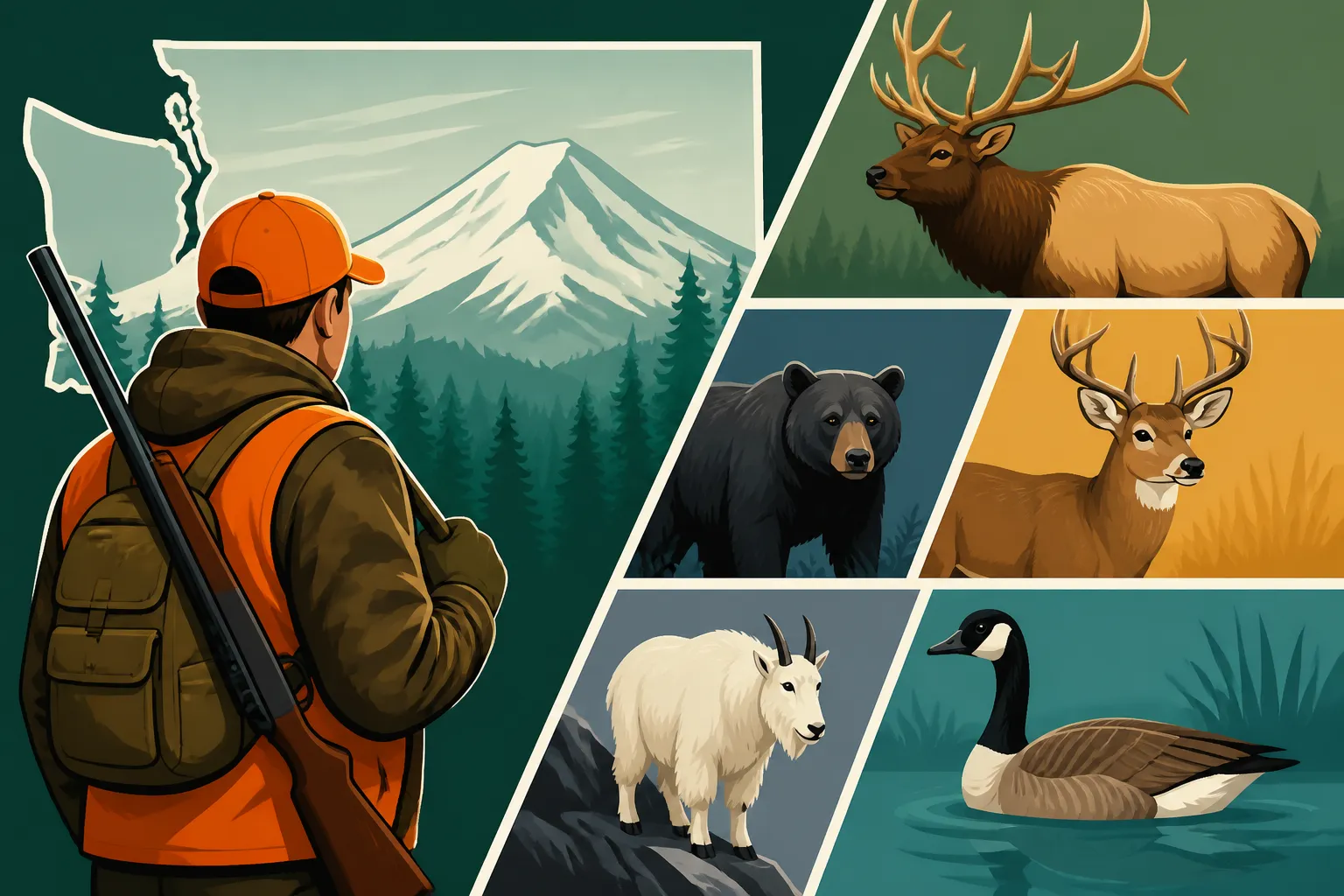
Finding a game animal to pursue in Washington state can feel a little overwhelming when you first dive into the regulations. With so much diverse habitat, from the temperate rainforests of the Olympic Peninsula to the sagebrush flats of the Columbia Basin, it's easy to get lost in the sheer number of species and seasons. This guide cuts through the noise to highlight the animals that Washington hunters consistently take most often, offering insight into why they're so popular and what makes pursuing them a quintessential Evergreen State experience.
Deer: The Staple Hunt Across Washington's Diverse Landscapes
Deer hunting in Washington is, for many, the annual tradition that defines their fall. It's accessible, offers a variety of experiences depending on whether you're hunting east or west of the Cascades, and provides a challenging pursuit for both new and seasoned hunters. The sheer number of deer across the state, combined with relatively generous general seasons for some species, makes them the most commonly harvested big game animal.
Elusive Blacktails: Western Washington's Evergreen Challenge
If you've spent any time hunting the west side of Washington, you know the Columbian blacktail deer is king. These are not your leisurely pasture deer; they are creatures of the deep, dark timber, masters of camouflage, and notoriously difficult to spot. Their habitat ranges from the dense coastal forests of the Olympic Peninsula, through the logged and replanted lands of the Willapa Hills, all the way up into the foothills of the Cascades.
Hunters here often speak of "ghosts of the forest" because blacktails have a knack for disappearing as quickly as they appear. They thrive in thick clearcuts, dense reprod, and the almost impenetrable salal and devil's club that makes hiking a true test of grit. Despite their elusiveness, blacktails are commonly taken simply because of their widespread distribution and the sheer volume of hunters who pursue them. It's a game of still-hunting, slow movement, and often, pure luck. You might spend days seeing nothing but sign, only for a buck to materialize out of the fog 30 yards away. This makes Blacktail Deer Hunting in Western Washington Timber a pursuit that builds character, testing patience and woodsmanship above all else. Many hunters rely on detailed topographical maps and land ownership layers, often utilizing platforms like GoHunt, to identify promising patches of cover and potential travel corridors where these secretive deer might be moving.
Majestic Mule Deer: Eastern Washington's Open Country Pursuit
Switching gears entirely, cross over the Cascade crest, and you're in mule deer country. These iconic Western deer are the focus for many hunters in regions like the Okanogan, the Blue Mountains, and the Columbia Basin. Unlike their blacktail cousins, mule deer often inhabit more open, broken terrain – sagebrush draws, wheat fields, and steep, rocky canyons. This lends itself to a completely different style of hunting, predominantly focused on glassing.
Hunters often spend hours perched on a vantage point, meticulously picking apart distant hillsides with binoculars and spotting scopes, hoping to catch the telltale flicker of an ear or a patch of hide. The reward for this patience can be a truly majestic animal, often sporting impressive antlers. Mule deer are also popular because they can offer good general season opportunities in many Eastern Washington units, though bagging a mature buck often requires skill in Glassing Eastern Washington Breaks for Mule Deer and a good understanding of their migration patterns between summer and winter ranges. They're a favorite for those who love the expansive views, the crisp autumn air, and the challenge of a long-range spot-and-stalk.
Adaptable Whitetails: Northeast Washington's Abundant Quarry
While mule deer dominate much of Eastern Washington, the northeast corner of the state, particularly in areas like Pend Oreille and Stevens counties, is prime white-tailed deer habitat. These deer prefer the timbered river bottoms, agricultural fringes, and brushy hillsides that offer both cover and food. Whitetail hunting can feel more akin to blacktail hunting in terms of timber density, but often involves a combination of stand hunting, still-hunting, and pushing brushy draws.
Their population in this region is robust, making them a consistently popular choice for hunters, especially those who appreciate the tactical challenge of outwitting a deer known for its keen senses and evasive maneuvers. The rut in this region can be particularly exciting, as bucks become more active and less cautious. While they may not grow to the size of some Midwest giants, a Washington whitetail is a beautiful animal and provides excellent venison. For hunters looking for a reliable deer opportunity with a different flavor than the wide-open mule deer country, the whitetails of Northeast Washington are a consistent draw.
Elk: The Prized Pursuit for Washington's Big Game Hunters
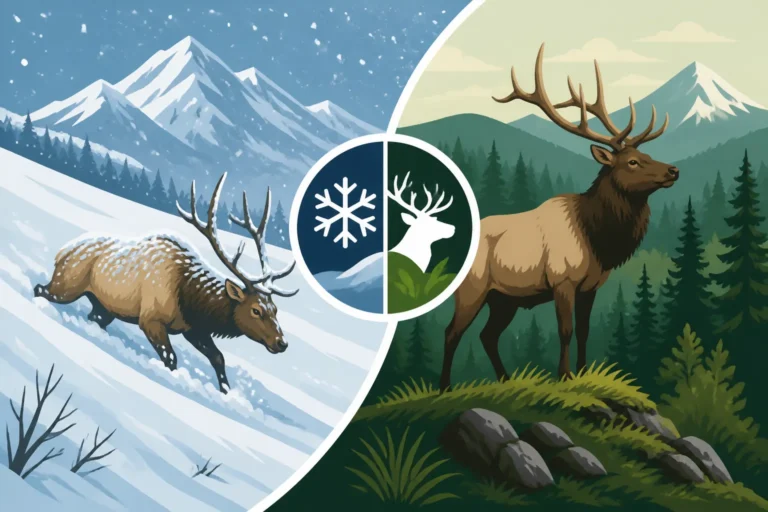
Elk are the holy grail for many Washington hunters. The sheer size, majesty, and challenge of an elk hunt elevate it to a different level. While deer harvests far outnumber elk, the dedication and passion for chasing elk mean they remain incredibly popular, even if success rates can be lower. Washington is unique in that it offers two distinct subspecies: Rocky Mountain elk on the east side and Roosevelt elk on the west side.
Rocky Mountain Elk: Bugles and Backcountry on the Eastside
Eastern Washington is home to the mighty Rocky Mountain elk, particularly in herds like the Yakima, Colockum, and Blue Mountains. For many, this is the classic elk hunting experience, complete with the thrilling prospect of a bugling bull in the crisp September air during archery season. General season opportunities exist, but securing a special permit for a quality unit is a dream for many, often requiring years of applying.
Hunting these elk frequently involves covering vast amounts of ground, from high mountain basins to ponderosa pine forests and steep, broken canyons. The reward is a substantial amount of prime wild game meat and an unforgettable adventure. The challenge is immense, from the physical demands of the terrain to the tactical difficulties of locating and approaching these herd animals. It's an experience that truly tests a hunter's mettle, leading many to consult resources like GoHunt to understand draw odds and unit specifics for Washington Elk Herds and Where They Live and the elusive special permit units. Even during the general seasons, the pursuit of a bull or cow can lead to incredible memories and a freezer full of organic meat.
Roosevelt Elk: Western Washington's Rainforest Monarchs
On the other side of the state, in the dense, wet forests of Western Washington, lives the Roosevelt elk. These are often larger-bodied than their Rocky Mountain counterparts but tend to have different antler configurations, often wider and heavier rather than tall. Hunting Roosevelt elk is a truly unique experience, defined by deep timber, thick undergrowth, and often, relentless rain.
Herds like the Willapa Hills and those found on the Olympic Peninsula offer general season opportunities, which are highly sought after. However, success rates can be lower than for Rocky Mountain elk due to the incredibly challenging terrain and vegetation. Spotting a Roosevelt in the dense rainforest can be a fleeting glimpse, and closing the distance often involves navigating through nearly impenetrable brush. Roosevelt Elk of Western Washington are often less vocal than Rocky Mountain elk, adding to the challenge. Despite the difficulty, the allure of these magnificent animals keeps hunters returning year after year, drawn by the wilderness experience and the unique trophy that a Roosevelt bull represents. It's a hunt where patience, perseverance, and good rain gear are your best friends.
Black Bear: An Accessible and Rewarding Big Game Opportunity
While deer and elk grab most of the headlines, black bear hunting is a consistently popular pursuit in Washington, often overlooked by those new to the hunting scene. Black bears are incredibly widespread, found throughout most of the forested regions of the state, from the coastal mountains to the Cascades and into the northeastern counties. This broad distribution makes them highly accessible to hunters across Washington.
Widespread Presence: Bears Across the Evergreen State
You'd be surprised just how many black bears call Washington home. They thrive in a variety of habitats, from dense timber to berry patches in clearcuts, and even in agricultural areas bordering forests. Their adaptability means that many hunters who are out for deer or elk might stumble upon a bear, making incidental encounters fairly common. However, dedicated bear hunters pursue them with specific strategies, often focusing on areas with abundant food sources like berry fields, huckleberry patches, or oak stands in the fall.
The seasons are typically generous, running from early August into November in many areas, offering a flexible hunting window. This long season, combined with the bears' widespread presence, contributes to their popularity. It's a great opportunity to extend your big game hunting season and explore new areas. Understanding Washington Black Bears Coast to Cascades means knowing their diet and movement patterns which are key to success.
The Challenging Pursuit: Spot-and-Stalk Success
Hunting black bears in Washington is almost exclusively a spot-and-stalk affair, as baiting is not permitted. This means hunters must rely on keen eyesight, careful scouting, and patient glassing, especially during the early season when bears are often feeding in open avalanche chutes or clearcuts. As fall progresses, they transition to denser cover to feast on acorns and other mast crops.
The challenge lies not just in finding a bear, but in accurately judging its size and ensuring it's not a sow with cubs, which is illegal to harvest. Spot-and-Stalk Bear Hunting in Washington Without Bait requires a precise approach, often navigating tricky terrain to get within shooting range. The reward is not just the hide, but incredibly delicious, lean meat that, when properly cared for and cooked, is a true delicacy. Many hunters find bear hunting to be a highly engaging and dynamic experience, offering a different kind of challenge than deer or elk.
Beyond Big Game: Popular Small Game and Predator Hunts
While big game like deer and elk might be the primary focus for many, Washington offers a wealth of other hunting opportunities that are incredibly popular and provide year-round engagement for outdoor enthusiasts. These pursuits are often more accessible, require less specialized gear, and can be fantastic ways to introduce new hunters to the sport or keep seasoned hunters sharp between big game seasons.
Upland Birds: Accessible Seasons and Diverse Species
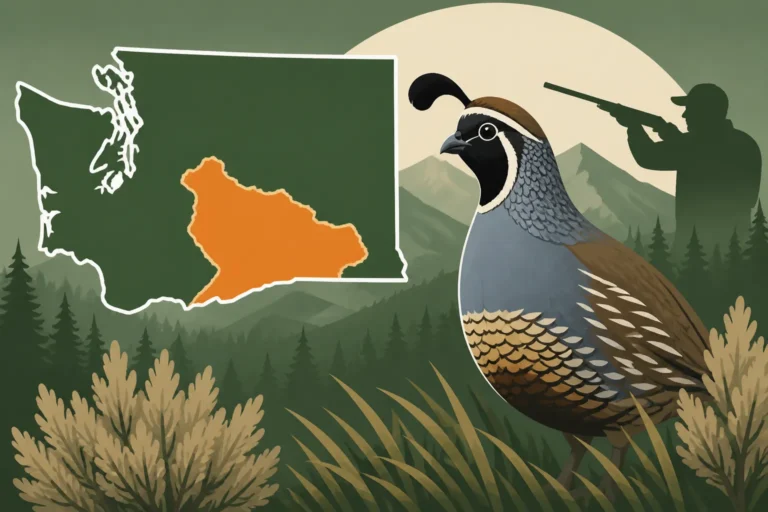
Washington is a fantastic state for upland bird hunters, with a diverse array of species available depending on the habitat. From the chukar and quail of the arid eastern canyons to the grouse of the dense western forests, there's something for every bird hunter. These hunts often involve covering significant ground, either walking logging roads for grouse or scaling steep hillsides for chukar.
- Chukar and Quail: Found in the dry, rocky canyons and draws of Eastern Washington, these birds offer a physically demanding but incredibly rewarding hunt. They hold tight, flush explosively, and are fantastic table fare. Many hunters dedicate entire seasons to chasing these fast-flying birds.
- Grouse: Ruffed, Spruce, and Blue (Dusky) grouse are common in Washington's timbered areas, both east and west. They are often encountered incidentally during deer or elk hunts but are also specifically targeted by bird hunters, often with dogs. They offer a more relaxed hunt compared to chukar but still require good woodsmanship.
- Pheasant: While not as widespread as they once were, pheasant hunting is still popular in certain agricultural areas and on managed wildlife areas, often supplemented with stocked birds to enhance opportunities.
The accessibility of these hunts, often requiring just a small game license and a shotgun, makes them a gateway for many new hunters. You can find more information about Washington Upland Birds and Waterfowl to plan your specific bird hunting adventure.
Coyote Hunting: A Year-Round Strategic Challenge
For many hunters, the end of big game season doesn't mean hanging up the rifle. Predator hunting, particularly for coyotes, offers a year-round challenge and is an increasingly popular pursuit in Washington. Coyotes are abundant across the state, from the agricultural fields of the Columbia Basin to the edges of urban areas, and hunting them can be done to help manage local deer and small game populations, or simply for the thrill of the chase.
Coyote hunting is a highly strategic endeavor, often involving specialized calls (electronic or hand calls), camouflage, and patience. Hunters will set up in an area, mimic distress calls (like a wounded rabbit or fawn), and wait for a curious coyote to approach. It requires a keen understanding of wind direction, terrain, and coyote behavior. Coyote calling in Eastern Washington can be particularly effective in open country where you can see approaching animals from a distance. The challenge of calling in a wary coyote and making an accurate shot provides an exciting experience that keeps many hunters engaged throughout the off-season. It's a testament to the diverse hunting opportunities Washington offers, extending well beyond just deer and elk.
Here's a quick overview of what makes these species such popular targets:
| Species | Primary Habitat | Common Hunting Method(s) | Why It's Popular | Typical Challenge |
|---|---|---|---|---|
| Columbian Blacktail | Western WA dense timber, clearcuts | Still-hunting, slow walking | Widespread, accessible general seasons, challenging | Elusive, dense cover, low visibility |
| Mule Deer | Eastern WA sagebrush, open hills | Glassing, spot-and-stalk | Majestic animals, open country views, trophy potential | Long shots, keen eyesight, covering vast ground |
| White-tailed Deer | NE WA timbered river bottoms, agriculture | Stand hunting, still-hunting | Abundant in specific regions, tactical challenge | Wary, excellent senses, dense cover |
| Rocky Mountain Elk | Eastern WA mountains, timber, basins | Bugling, spot-and-stalk, still-hunting | Iconic big game, bugle season, large animal, meat | Physical demand, extensive scouting, challenging access |
| Roosevelt Elk | Western WA dense rainforest, timber | Still-hunting, tracking | Unique wilderness experience, large body size | Impenetrable cover, wet conditions, less vocal |
| Black Bear | Statewide forested areas, clearcuts | Spot-and-stalk, glassing | Widespread, long seasons, delicious meat | Finding them in dense cover, judging size, quiet approach |
| Upland Birds | Diverse (canyons, fields, forests) | Flushing, dog work | Accessible, diverse species, fast-paced action | Fast-flying targets, physical exertion (chukar) |
| Coyote | Statewide, open to semi-open country | Calling (distress calls), ambush | Year-round, challenging, predator management | Wary, wind consideration, precise calling |
Disclaimer
This article is for general informational purposes only and does not constitute professional advice. Laws, prices and regulations vary by location and change over time. Consult a qualified professional for guidance on your specific situation.