Big Game You Cannot Hunt in Washington
It's a common story: you dream of heading out into Washington's stunning wilderness, picturing yourself glassing for elk or stalking a big mule deer. But then you start digging into the regulations, and suddenly, what you thought you could hunt becomes a frustrating maze of permits, draw odds, and outright prohibitions. It's truly disheartening to realize that some of the majestic big game animals you've always wanted to pursue are either completely off-limits or so incredibly difficult to draw a tag for that it feels like a pipe dream. This guide aims to clear up some of that confusion, shedding light on the big game species in Washington that you simply cannot hunt, or where the opportunities are so rare they're practically non-existent for the average hunter.
Species Fully Protected by Law in Washington
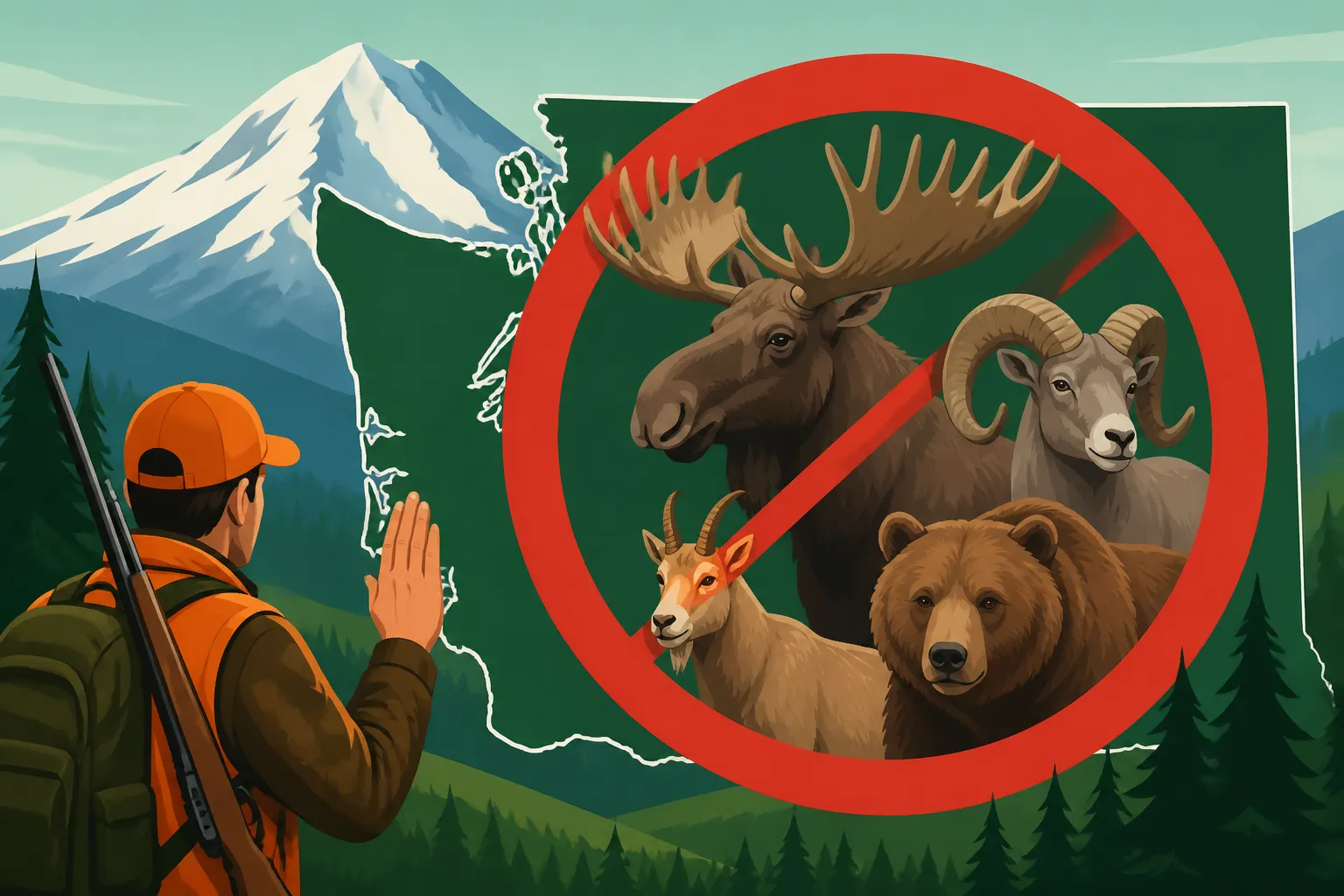
When we talk about big game you absolutely cannot hunt in Washington, we're often talking about species that are protected by state or federal law due to their endangered or threatened status. These aren't just animals that are hard to find; they are animals whose pursuit by hunters is illegal, with severe penalties for violations. It's crucial for every ethical hunter to understand these protections, not just to avoid legal trouble, but to respect the broader conservation efforts in our state.
Washington's Approach to Wolf Management
Ah, wolves. Few topics stir as much debate and emotion among Washington's outdoor community. For many hunters, the sight of a healthy elk or deer herd is intrinsically linked to predator management, and the presence of wolves introduces a complex dynamic. While wolves are undoubtedly a "big game" animal in terms of size and impact on the ecosystem, general public hunting for wolves is simply not allowed in Washington.
Historically, wolves were extirpated from Washington but have since naturally returned and recolonized much of the state, primarily in Eastern Washington. While the Washington Department of Fish and Wildlife (WDFW) has a management plan in place, and the state has even delisted wolves in certain eastern regions, federal protections still apply in other areas. This patchwork of regulations means that even where state protections might be lessened, federal law often steps in to keep them protected. It's a frustrating situation for hunters who observe growing wolf populations and believe they are negatively impacting deer and elk numbers. While agencies like WDFW do conduct targeted lethal removal in specific instances of livestock depredation, this is a highly controlled and localized action, not a public hunting season. So, while you might spot a wolf in the backcountry, putting a tag on one is not an option for the average hunter. For a deeper dive into their impact, check out Washington Wolves and Big Game.
Other Protected Mammals and Rare Subspecies
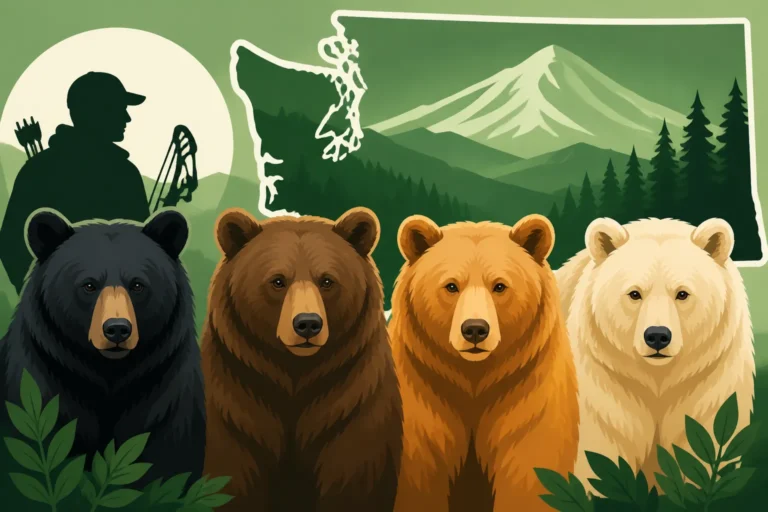
Beyond wolves, there are other large mammals in Washington that, while perhaps not traditionally thought of as "game" species, are big enough to potentially be confused. The primary example here would be grizzly bears. While Washington has a tiny, recovering population of grizzlies in remote areas like the Selkirk Mountains and North Cascades, they are federally protected under the Endangered Species Act. Any hunting of grizzly bears in Washington is strictly prohibited, and accidental harvest could lead to very serious legal consequences. It's vital to know how to identify bears, especially in areas where both black bears (which are huntable in the fall) and grizzlies might theoretically coexist, though such encounters with grizzlies are exceedingly rare in Washington.
Furthermore, sometimes it's not the entire species, but a specific, geographically isolated sub-population that receives protection. While general seasons exist for common species like blacktail deer or Roosevelt elk, certain herds or groups might be deemed critical for recovery and have specific areas closed to hunting, or be subject to very strict harvest limits that effectively make them unhuntable without a highly specialized permit. These often change, so staying current with the annual regulations is paramount.
Big Game with Practically Non-Existent or "Once-in-a-Lifetime" Opportunities
Then there's the category of big game that, yes, technically can be hunted in Washington, but the reality of drawing a tag is so incredibly slim that for the vast majority of hunters, it's an opportunity that will likely never materialize. These are the true "unicorn" hunts, often referred to as "once-in-a-lifetime" opportunities for good reason. They exist by special permit only, with an application process, and often, astronomically low draw odds.
Moose: A Dream Hunt for the Few
Imagine spotting a bull moose, its massive antlers swaying as it ambles through a quiet Washington wetland. It's a majestic sight, and for many, a dream hunt. Moose do indeed call Washington home, primarily in the northeastern corner of the state, around the Selkirk Mountains. Washington Moose in the Selkirks Their numbers have slowly been increasing, which is fantastic news for wildlife enthusiasts.
However, if you're hoping to actually hunt a moose in Washington, prepare for a long wait and some truly challenging odds. There is no general season for moose. Instead, successful hunting is limited to a handful of special permits issued each year through a highly competitive draw. Thousands of applicants vie for these precious few tags, meaning your chances of drawing one are incredibly small. Many aspiring hunters spend hours on platforms like GoHunt's Insider service, poring over draw odds and unit breakdowns for various states, and for Washington moose, those numbers are consistently sobering. Even if you apply diligently every year, it's highly probable you'll never draw a tag. This makes moose hunting in Washington, for all intents and purposes, unhuntable for the vast majority of our state's hunters, fitting squarely into the "once-in-a-lifetime" category. Want to understand the process? Check out Washington Moose Permit Applications.
Bighorn Sheep and Mountain Goats: True Rarity
If moose tags are rare, then bighorn sheep and mountain goat permits in Washington are almost mythical. These are animals that thrive in some of the most rugged and breathtaking terrain our state has to offer, from the steep, arid canyons of Eastern Washington where bighorns roam, to the dizzying alpine peaks of the Cascades that are home to mountain goats. Washington Mountain Goat Herds highlight their habitats.
Like moose, hunting for bighorn sheep and mountain goats is exclusively managed through a very limited special permit draw. The number of tags offered each year is minuscule, often single digits for the entire state across all units. This is due to a combination of factors, including naturally lower population numbers, specific conservation concerns (such as bighorn pneumonia die-offs), and the desire to manage these iconic species very conservatively. The odds of drawing one of these tags are exceptionally low, making them some of the most sought-after and elusive permits in North America. Once again, resources like GoHunt become invaluable for those who dedicate themselves to understanding these complex draw systems, but even with the best data, the reality is that very few hunters will ever experience a bighorn or mountain goat hunt in Washington. This is further reinforced by the "once-in-a-lifetime" rule, meaning if you do beat the odds and draw one of these tags, you won't be eligible to apply for it again. You can learn more about these specific draws here: Washington Bighorn Sheep Permits and Washington Mountain Goat Permits.
Common Big Game Species with Specific Hunt Closures
While most hunters know they can pursue deer, elk, and bear during general seasons in Washington, there are specific situations, times, or places where even these common big game animals become effectively unhuntable. These closures can often catch hunters off guard, especially if they haven't thoroughly reviewed the most current regulations. It's these nuanced rules that can turn a planned hunt into a missed opportunity or, worse, a legal infraction.
The End of Spring Bear Hunting in Washington
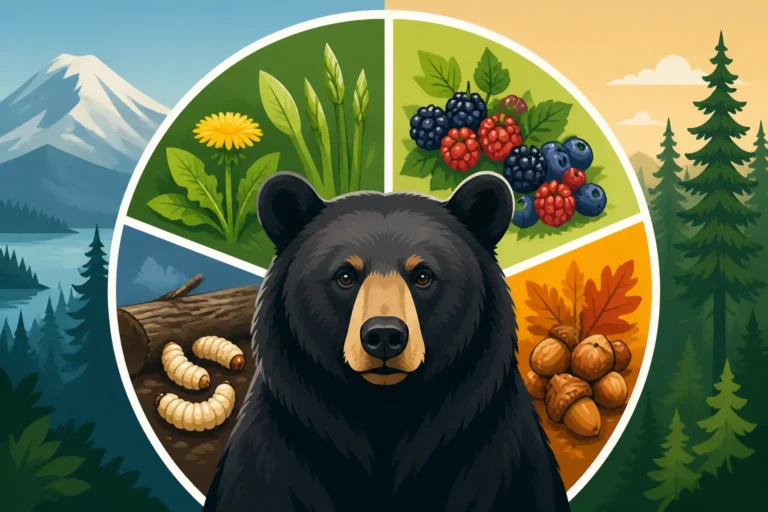
For years, many Washington hunters looked forward to the spring bear season. It offered a unique chance to get into the woods after the long winter, often targeting bears that were just emerging from their dens, feeding on fresh greens. However, this opportunity is no longer available. Washington no longer has a general spring bear hunting season.
This change has been a point of discussion among the hunting community, and it's something many still grapple with. While black bear hunting is absolutely still permitted and popular in Washington, it is now confined to specific fall seasons. Washington Bear and Cougar Seasons outlines these. So, if you're planning a bear hunt, you'll need to focus your efforts on the later months of the year. It's a significant change that means a specific and once-cherished big game hunting opportunity is now closed to the public. For those wondering about the reasoning, Why Washington Has No Spring Bear Season provides further context.
Geographic or Antler-Restriction Closures for Deer and Elk
Even for our most popular big game species – deer and elk – there are numerous areas and regulations that can effectively render them unhuntable for general season hunters. It's not that the animals don't exist, but that access or legal harvest opportunities are either non-existent or so restrictive they are practically impossible to meet.
First, consider geographic closures. Large swathes of land in Washington are off-limits to hunting, including national parks (Olympic National Park, Mount Rainier National Park, North Cascades National Park), many state parks, wildlife refuges, and urban growth areas. While a deer might be seen strolling through a suburban backyard, pursuing it there is illegal and unsafe. It's crucial to consult GMU maps and regulations carefully to ensure you're hunting in a legal and open area. Sometimes a GMU boundary can cut right through an area, leaving tiny pockets of huntable land amidst unhuntable zones.
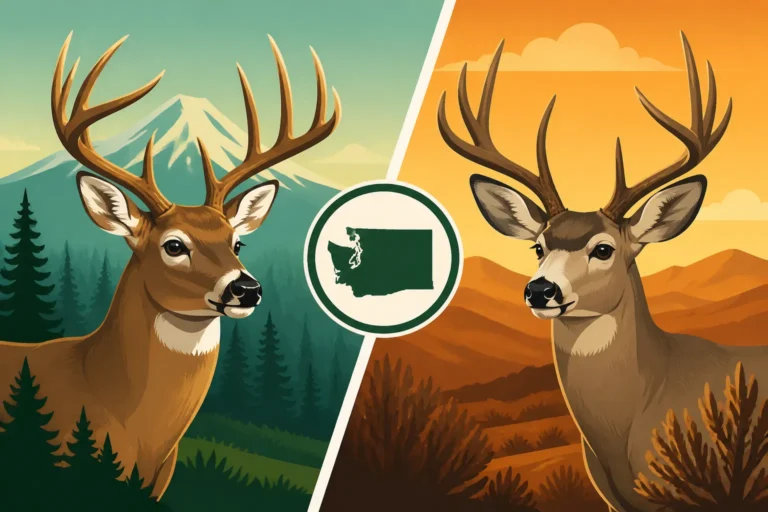
Then there are antler restrictions. Washington has several Game Management Units (GMUs) with specific antler point rules, such as a "three-point minimum" for deer or "spike-only" restrictions for elk. For instance, in a unit with a three-point rule, you can only harvest a buck with at least three points on one antler. Washington's Three-Point Rule and What Counts explains this in detail. While these rules are designed for herd management and to allow younger bucks to mature, they can make hunting incredibly challenging, especially in areas where trophy quality isn't high or where legal bucks are simply harder to find. A hunter might spend an entire season seeing only smaller bucks or does, effectively having no legal shot. Similarly, Washington Spike-Only Elk Units means you can only take a spike bull in those areas, which can be tough if only branch-antlered bulls are present. While not a complete ban, these restrictions significantly limit a hunter's ability to fill a tag, especially for those less familiar with the specific unit or with less experience in field judging.
Furthermore, antlerless (doe or cow) permits can be extremely limited or non-existent in many units during general seasons. While hunters might have a general tag, without a specific antlerless permit, they are often restricted to only bucks or bulls, even if antlerless animals are plentiful. This means if you're primarily interested in meat and don't care about antlers, your options can be severely restricted in certain areas. Understanding these nuances is critical, and it truly pays to invest time researching the specific GMU regulations for your target species before you ever step foot in the woods. For more information on highly regulated species, you can also look into Once-in-a-Lifetime Species in Washington.
To summarize some of these points, here’s a quick overview:
| Species Category | Example Species | General Hunting Season in WA? | Practical Hunting Status for Most Hunters | Notes |
|---|---|---|---|---|
| Fully Protected | Gray Wolf | No | Completely Illegal | Federally/State Protected; no public hunting. |
| Grizzly Bear | No | Completely Illegal | Federally Protected; tiny, recovering population. | |
| "Once-in-a-Lifetime" Draw | Moose | No (Special Permit Only) | Extremely Rare Opportunity | Very few tags; highly competitive draw odds. |
| Bighorn Sheep | No (Special Permit Only) | Extremely Rare Opportunity | Very few tags; highly competitive draw odds, once-in-a-lifetime. | |
| Mountain Goat | No (Special Permit Only) | Extremely Rare Opportunity | Very few tags; highly competitive draw odds, once-in-a-lifetime. | |
| Common Species, Specific Closures | Black Bear (Spring Season) | No | Season Closed | General fall seasons are open, but spring season is permanently closed. |
| Deer/Elk (Specific GMUs) | Yes (General Season) | Effectively Closed/Highly Restricted | Some GMUs have severe antler restrictions or are closed due to location/population. |
The takeaway here is that Washington's big game hunting landscape is diverse and dynamic. While many opportunities exist, an equal number of restrictions, prohibitions, and nearly impossible draws also define what you cannot hunt. Always consult the most current WDFW regulations before making any hunting plans. It's the best way to ensure your hunt is safe, ethical, and legal.
Disclaimer
This article is for general informational purposes only and does not constitute professional advice. Laws, prices and regulations vary by location and change over time. Consult a qualified professional for guidance on your specific situation.