What to Rent Instead of Buy
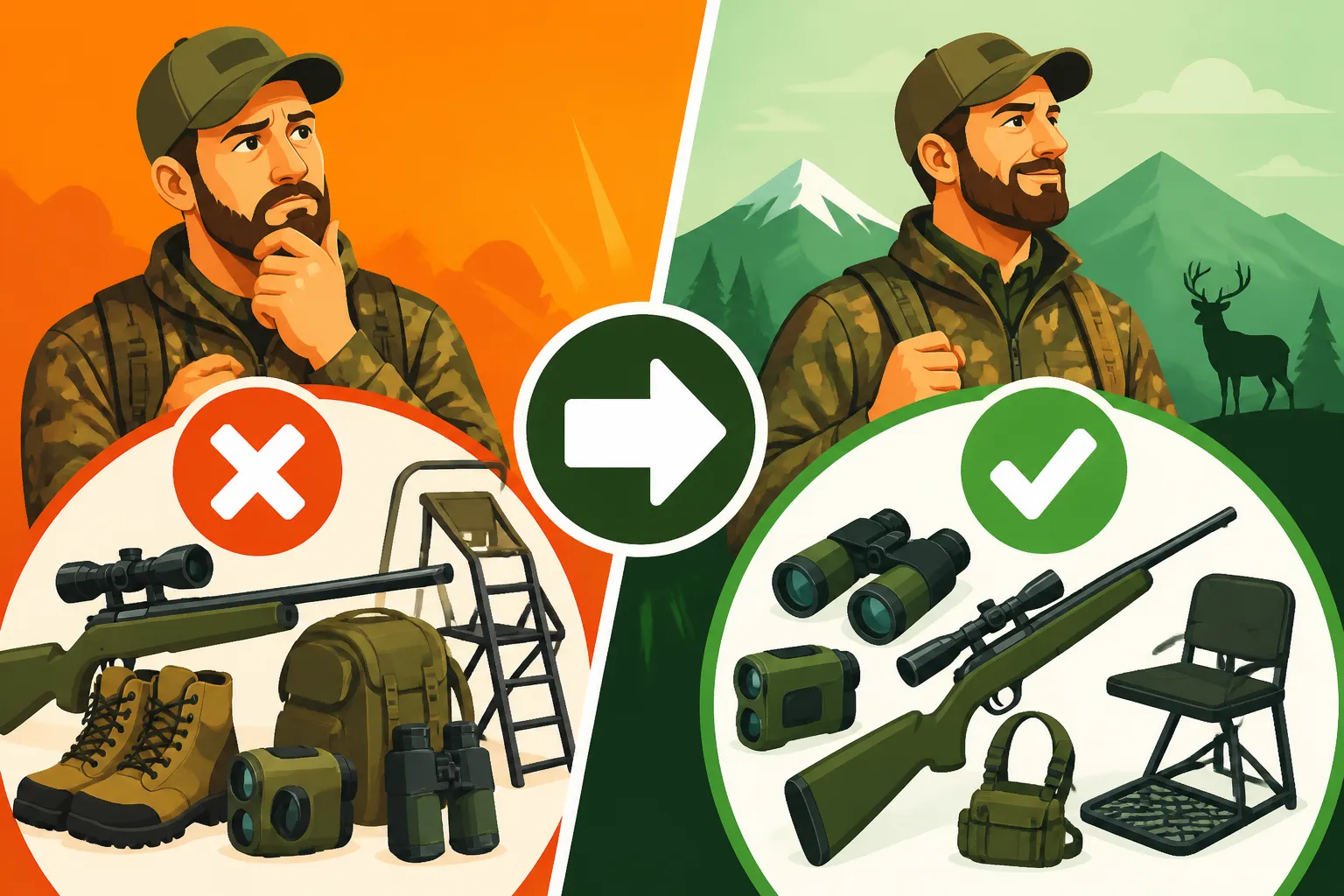
The sheer cost of gearing up for a Washington hunting adventure can feel like a punch to the gut, especially when you're just starting out or considering a new type of hunt. Many aspiring hunters get discouraged before they even step foot in the woods because of the daunting price tags on quality optics, specialized packs, or even a different weapon system. This guide is all about navigating that initial financial hurdle by showing you what gear you can wisely rent instead of buying, allowing you to experience the field without breaking the bank.
The Sticker Shock of Getting Started: Why Renting Makes Sense
Let's be real: hunting in Washington, whether you're chasing Roosevelt elk in the dense western timber or glassing for mule deer across the vast eastern breaks, requires some serious equipment. And that equipment often comes with a serious price tag. For many, this isn't just an inconvenience; it's a genuine barrier to entry. You want to try archery elk hunting, but a quality bow package can run you a grand or more. You're curious about glassing Eastern Washington for mule deer, but a top-tier spotting scope costs more than your monthly car payment. It’s enough to make anyone hesitant to dive in.
Initial Investment Versus Exploration
That initial investment can be overwhelming, especially when you're not even sure if this particular style of hunting is for you, or if you'll stick with it long-term. Perhaps you’ve always hunted deer with a rifle, but now you’re intrigued by the challenge of chasing elk with a muzzleloader. Committing to buying a high-end muzzleloader, all its accessories, and learning a whole new system is a big leap of faith and a significant financial drain if you discover it's not your cup of tea.
This is where renting truly shines. It allows you to explore different facets of hunting without the pressure of ownership. Think of it as a trial run. You get to experience the thrill, the challenge, and the gear itself in a real-world scenario. If it clicks, great! You can then make an informed decision about what to invest in for the long haul. If it doesn't, you haven't sunk thousands of dollars into something that will gather dust in the garage.
Trying Before Committing
One of the biggest advantages of renting is the opportunity to "try before you buy," which is invaluable in the diverse hunting landscapes of Washington. A pack that works perfectly for a day hunt for blacktails in the Western Washington Timber Country Access might be completely inadequate for Packing an Elk Out of Washington's Backcountry. Similarly, the optics you need for wide-open eastern sagebrush flats are different from what you'd use in the thick west-side rainforest.
Renting allows you to test out different pack sizes, frame types, and suspension systems to see what truly fits your body and your hunting style when loaded down. You can experiment with different binocular magnifications – maybe you thought you needed 15x, but discovered 10×42 was perfectly sufficient for your chosen terrain, or vice-versa. This hands-on experience in the field, rather than just in a store, provides crucial insights that save you from making expensive mistakes down the line.
Key Gear Pieces Worth Renting for Washington Hunts
When you start thinking about what to rent, consider the items that are expensive, specialized, or subject to personal preference that's hard to gauge without actual field experience. These are the categories where renting offers the most significant financial and practical benefits.
Optics: The Eyes of the Hunter
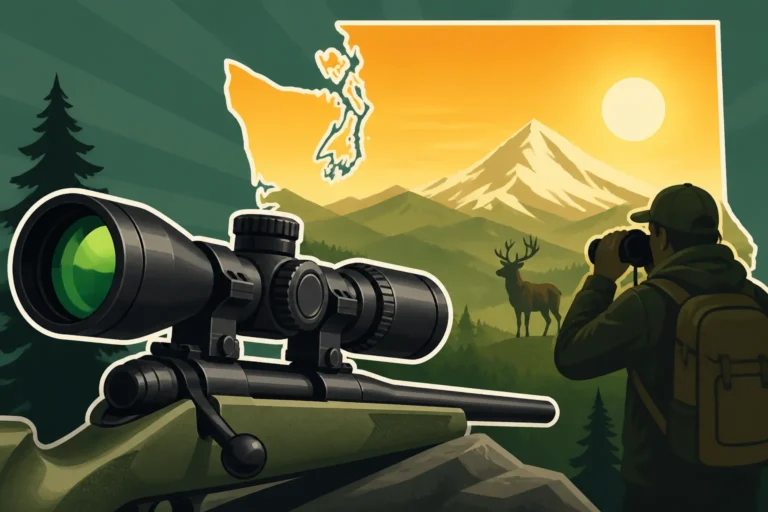
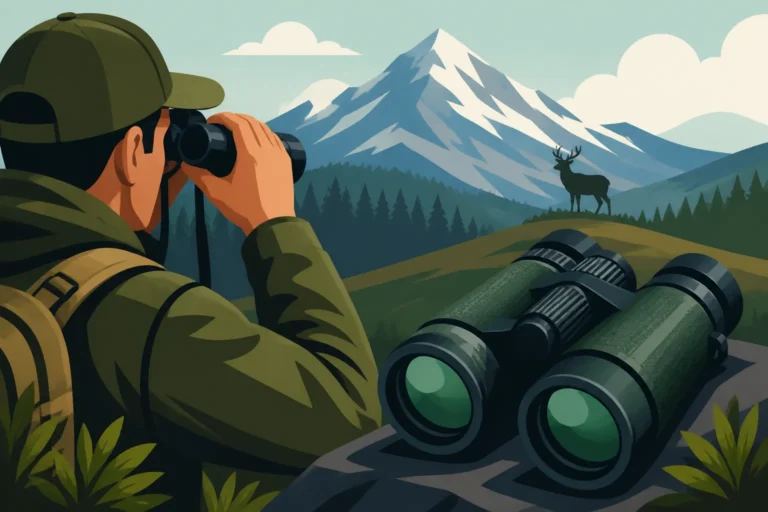
Good optics are non-negotiable for serious hunting, especially in Washington where you might be glassing vast distances on the east side or picking apart dark timber on the west. But the cost for quality binoculars and spotting scopes can be staggering. A top-tier pair of 10×42 binoculars, essential for general use and picking apart terrain, might be a multi-hundred-dollar investment. Step up to a 15×56 for long-range glassing across wheat fields or canyon breaks, and you’re often looking at a four-figure price tag. Spotting scopes, vital for confirming animals at extreme distances, are in the same league.
If you’re planning a hunt that requires extensive glassing, like for mule deer in Eastern Washington, renting a high-power spotting scope or specialized 15x binoculars makes perfect sense. You can put them to the test on real animals, during challenging light conditions, and across various distances, determining if that specific piece of glass truly enhances your hunting experience. Perhaps you'll even realize that for your particular hunt, 15×56 Binoculars Beat a Spotter in certain scenarios. Or maybe you'll discover the immense benefit of Glassing Breaks at First Light with truly clear, bright optics before committing to a purchase.
Backpacks: Hauling the Load
After the shot, the work really begins, especially if you're lucky enough to tag an elk deep in the Washington backcountry. A solid pack that can comfortably handle hundreds of pounds of meat is absolutely crucial. But like optics, packs are a very personal piece of gear. What fits one person might chafe another, and what feels fine with a day's worth of snacks can become a torture device with a quarter of an elk loaded onto it.
Renting a purpose-built external or internal frame pack designed for heavy loads is an incredibly smart move. These aren't your typical daypacks; they're engineered to distribute weight efficiently and protect your back during strenuous treks. You can rent a pack and use it for an actual hunt, getting a feel for its comfort, capacity, and durability when it truly matters, whether you're attempting Packing an Elk Out of Washington's Backcountry or focusing on Quartering and Packing an Elk Solo. This allows you to experience the difference a quality pack makes without the commitment of buying one that might not ultimately fit your needs or body shape.
Specialty Weaponry and Accessories
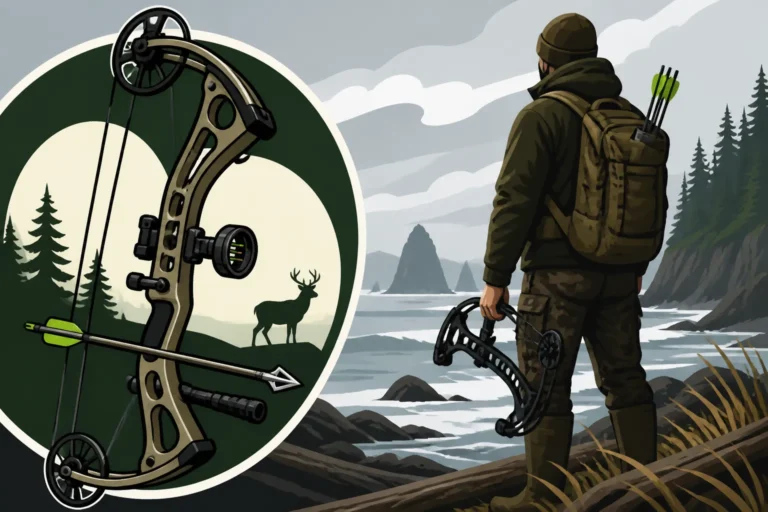
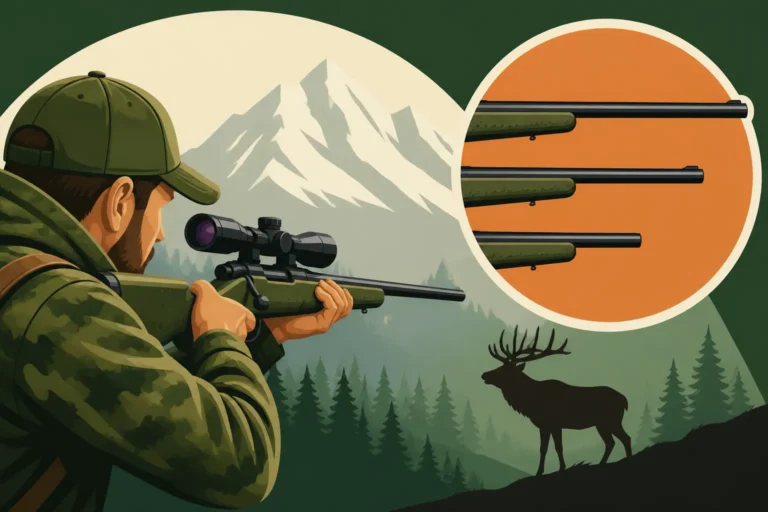
Diversifying your hunting methods often means investing in different weapon systems. Muzzleloaders and archery equipment are prime examples. Washington offers dedicated seasons for both, like Muzzleloader Hunting Washington's Special Seasons or Archery Elk Hunting in Washington's September Season, which can provide unique opportunities. However, buying a new rifle, shotgun, muzzleloader, or bow just for one season can be cost-prohibitive.
For muzzleloaders, you might need a specific caliber weapon, along with all the loading components, cleaning kits, and ignitions that come with it. You want to be sure you can manage tasks like Muzzleloader Loading and Ignition in Rain before you own one. Archery equipment, similarly, requires a significant outlay for the bow itself, arrows, broadheads, releases, and practice gear. Renting a quality muzzleloader or a complete archery setup allows you to try these specialized hunts. You can determine if you enjoy the challenge and the unique characteristics of the weapon before making a substantial investment. This also applies to high-end accessories like rangefinders with angle compensation or robust tripods for glassing, which are expensive but not necessarily needed for every single hunt.
Where to Find Rental Options and How to Make the Most of Them
Once you've identified what gear pieces make sense to rent, the next step is finding reliable sources for those rentals. Options range from local brick-and-mortar stores to increasingly popular online services.
Local Gear Shops and Outfitters
Your local hunting and outdoor gear shops, especially those in more rural or hunt-centric areas of Washington, are often fantastic resources for rentals. Many outfitters who guide hunts also offer rental services for clients or even general public. The benefit here is direct, in-person assistance. Staff at these shops often have intimate knowledge of the local terrain, the game, and exactly what gear performs best in specific conditions.
They can help you properly fit a pack, demonstrate the features of a spotting scope, or explain the nuances of a muzzleloader you’re renting. This kind of personalized service can be invaluable, particularly when you're preparing for a specific hunt, perhaps even one where you're Hunting the Same Unit Across Three Weapon Seasons and need to understand the varied gear requirements. Don't be shy about asking questions and leveraging their expertise to ensure you get the right gear for your adventure.
Online Rental Services and Member Programs
The internet has opened up a whole new world of gear rental options. Several online platforms specialize in renting outdoor and hunting equipment, offering a wider selection than many local shops. These services often ship directly to your door, which can be incredibly convenient if you don't live near a well-stocked outfitter. It's always a good idea to research these companies thoroughly, looking at their inventory, rental terms, and customer reviews.
Before you finalize your gear rental, checking resources like GoHunt can give you a better idea of what you'll truly need for your intended hunt. GoHunt often highlights the gear needed for specific terrain types or species, and their mapping features can reveal the kind of country you'll be tackling, helping you refine your rental choices. Many online providers also have member programs that offer discounts or expedited shipping, which can be worthwhile if you plan to rent frequently. Always compare prices and read the fine print regarding shipping, return policies, and potential damage waivers.
Rental Logistics: What to Ask and Check
When you're picking up or receiving your rented gear, a few key logistical considerations can make all the difference between a smooth hunt and a frustrating one. Don't be afraid to ask questions; it's your hunt on the line!
First, clarify the rental period and any associated fees for late returns or early pickup. Understand the cleaning policy – are you expected to return it spotless, or is a light clean sufficient? Most importantly, ask about damage waivers or insurance. Accidents happen in the field, and a small upfront fee can save you from a massive bill if a lens gets scratched or a pack tears.
Always, always inspect the gear thoroughly before you leave the shop or before your hunt begins if it's shipped. Check optics for scratches, ensure packs have all their buckles and straps, and confirm that any weapon you rent is clean and in good working order. If you're renting a muzzleloader, for example, ensure all the necessary components for safe and reliable ignition are present and in good condition, especially if you anticipate conditions like Muzzleloader Loading and Ignition in Rain. This pre-hunt inspection can prevent unpleasant surprises and give you confidence in your rented equipment.
| Gear Category | Why Rent It? | Key Considerations for Rental | What to Check Before Use |
|---|---|---|---|
| High-End Optics | Very expensive; specific needs vary by hunt type. | Magnification, lens quality, tripod compatibility. | Scratches on lenses, focus smoothness, tripod adapter fit. |
| Heavy-Duty Packs | Crucial for packing meat; fit is highly personal. | Frame type, capacity (liters), hip belt and shoulder strap adjustability. | All buckles present, no tears in fabric, proper fit when weighted. |
| Specialty Weapons | Archery or muzzleloader gear has high entry cost. | Caliber/draw weight, necessary accessories included. | Cleanliness, function of all moving parts, proper sights. |
| Backcountry Tents | Can be expensive; need specific weight/weather ratings. | 3-season or 4-season, weight, packed size. | No rips, all poles/stakes present, functional zippers. |
| Satellite Devices | Essential for safety; high purchase cost for limited use. | Battery life, plan activation, device functionality. | Fully charged, message test successful, clear instructions. |
Beyond Rentals: What You Should Still Prioritize Buying
While renting is a brilliant strategy for many expensive and specialized items, some gear pieces are so fundamental to your comfort, safety, and personal performance that buying them outright is almost always the better choice. These are the items you'll use constantly, that need to fit perfectly, or that are critical for your well-being in the field.
Personal Comfort and Safety Items
Your personal comfort items are paramount, and the fit and feel of these things are too critical to leave to chance with rentals. Boots, for instance, are the foundation of any successful hunt, especially in Washington's varied and often rugged terrain. Ill-fitting boots can ruin a hunt faster than almost anything else. You need to break them in, know how they feel on long ascents and descents, and trust them to protect your feet. Renting boots is generally a bad idea; invest in quality boots and take the time for Breaking In Boots Before a Hunt.
Similarly, a good layering system and reliable rain gear are non-negotiable for Washington's notoriously wet weather. You need to know your rain gear will hold up to a downpour on the west side or an unexpected snow squall on the east. Investing in Rain Gear That Survives a Washington Westside Season is a smart choice. Base layers, socks, and gloves are also highly personal and best purchased to ensure proper fit and function, keeping you dry and warm, mitigating the real threat of Hypothermia Risk on a Wet Hunt. And when it comes to safety, items like a robust First Aid Kit for a Remote Hunt, a headlamp with fresh batteries, and personal navigation devices (like a reliable GPS or a cell phone with downloaded offline maps) should always be owned and maintained by you.
Consumables and "Disposable" Gear
Certain items, by their very nature, are consumables or so specific to your individual setup that they should always be purchased. Ammunition, broadheads, and arrows fall squarely into this category. You need to practice with your specific load-out to ensure accuracy and ethical performance. You can't rent someone else's sight tape or bullet drop data.
Game bags are another essential purchase. They are the first line of defense for keeping your meat clean and cool, whether you’re doing Field Dressing in Warm Early-Season Weather or using the Bone-Out Versus Bone-In Packing method. While you might try to wash and reuse them, it's often more hygienic and practical to have fresh, clean game bags for each harvest. A quality hunting knife is also a very personal tool; one that fits your hand well and holds an edge is crucial. Learning to sharpen and maintain your own knife, using good Knife Steel That Holds an Edge, is a fundamental hunting skill. These items, though perhaps not as flashy as a new spotting scope, are the workhorses of a successful hunt and are worth the investment.
Disclaimer
This article is for general informational purposes only and does not constitute professional advice. Laws, prices and regulations vary by location and change over time. Consult a qualified professional for guidance on your specific situation.