A First-Year Washington Hunter’s Gear List
So you've decided to dive into the incredible world of Washington hunting? That's fantastic! But let's be honest, staring at endless online forums and gear websites can feel like trying to solve a Rubik's Cube blindfolded. It's overwhelming, and frankly, a bit intimidating when you're just starting out and don't want to break the bank on things you might not need. This guide is here to cut through the noise, offering a realistic gear list for your first season in Washington, focusing on practicality without sacrificing safety or success.
Essential Personal Gear Beyond Your Weapon
Before we even talk about firearms or bows, let's nail down the stuff that keeps you safe, fed, and oriented in the Washington wilderness. This is the foundation, and honestly, it's often more critical than the specific brand of your rifle. Many first-year hunters get so caught up in the weapon itself that they forget about the essentials that get them home safely.
Layering System for Washington Weather
Washington weather is… temperamental, to put it mildly. One minute it's crisp and clear, the next you're drenched from a sudden downpour, especially west of the Cascades. Even on the drier east side, mornings can be freezing and afternoons surprisingly warm. A proper layering system isn't just a suggestion here; it's a non-negotiable requirement for comfort and survival.
You'll want a good base layer, something that wicks moisture away from your skin, like merino wool or a synthetic blend. Cotton is your enemy in the woods because once it's wet, it stays wet and will chill you to the bone. Over that, an insulating mid-layer—a fleece jacket or a puffy vest—provides warmth. Finally, a waterproof and windproof outer shell is crucial. This doesn't have to be the most expensive GORE-TEX jacket on the market, but it does need to keep you dry. Look for something that's reasonably quiet when you move. Nothing spooks a deer faster than a noisy rain jacket. Remember, it's about being able to add or shed layers as the temperature and activity level change throughout the day. You'll be surprised how much heat you generate hiking up a steep ridge, only to freeze when you sit still for an hour glassing. This flexible approach to clothing is key to staying comfortable and focused, regardless of whether you're stalking Blacktail Deer Hunting in Western Washington Timber or glassing for Mule Deer of Eastern Washington.
Navigation and Communication Tools
Getting lost is no fun, and in Washington's vast backcountry, it can be downright dangerous. While your phone is handy, it's not a primary navigation tool due to battery life and lack of service in many areas. You absolutely need dedicated navigation.
A reliable GPS unit or a smartphone with downloaded offline maps (like what you get with a GoHunt subscription, for example) is essential. These apps allow you to mark waypoints, track your path, and see property boundaries, which is huge for avoiding trespassing, especially if you're hunting near private timberlands. But don't just have it; know how to use it! Practice before your hunt. Pair this with a physical map of your Washington Game Management Units Explained and a compass, and know how to use them together. Batteries die, electronics fail, but a map and compass generally don't. For communication, a fully charged phone in a waterproof bag is a start. For more remote areas, consider a satellite messenger device. These allow you to send emergency messages and check in with loved ones even without cell service, which can be a literal lifesaver if you have an accident while Packing an Elk Out of Washington's Backcountry alone.
Footwear and Headwear
Your feet are your vehicle in the woods, and treating them right is paramount. Invest in quality hunting boots that are waterproof, offer good ankle support, and are broken in before your hunt. There's nothing worse than blisters on day one. For Western Washington's muddy, wet conditions, taller boots that shed water are a blessing. Eastside hunting might see you climbing rocky, drier terrain, so good traction and stiff soles are important.
Just like your boots, your headwear serves multiple purposes. A warm knit hat is critical for retaining body heat in cold weather, as a significant amount of heat can be lost through your head. In milder conditions, a baseball cap or wide-brimmed hat will protect you from the sun and help keep rain off your face, improving visibility. A bright orange hat or vest (during modern firearm seasons) is also a legal requirement and a critical safety item to ensure you're visible to other hunters. Don't skimp here; comfort and safety are worth the investment. Think about it: if your feet are killing you or your head is freezing, you're not going to be focused on the hunt.
Weapon-Specific Gear Considerations
Now, let's talk about the tools of the trade. The gear you need beyond your weapon itself will largely depend on whether you're going after big game with a rifle, bow, or muzzleloader. Washington has specific rules for each, so knowing what's legal and practical is important.
Rifle Hunting Essentials
For rifle hunters in Washington, your core gear revolves around accuracy, safety, and carrying capacity. Beyond the rifle itself, you'll need a quality scope that's sighted in perfectly for the distances you expect to shoot. This means practice, practice, practice at the range. Make sure you understand Rifle Setup for Washington Elk and Deer for your chosen cartridge.
A good sling is crucial for carrying your rifle comfortably over varied terrain; you'll be covering a lot of ground. Bipods or shooting sticks are highly recommended for stable shots, especially in open areas of Eastern Washington where you might have longer distances. Hearing protection is a must at the range and a smart idea in the field, as hearing damage is cumulative. Finally, and this sounds obvious but it's often overlooked, carry enough ammunition for your hunt, but don't overdo it. A box or two, securely stored to prevent rattling, is usually plenty. Remember to check Washington's specific regulations on rifle calibers and magazine capacities, as these can vary by species and GMU.
Archery Hunting Specifics
Archery hunting introduces a whole new set of gear considerations, especially with Washington's frequently wet conditions. For Archery Elk Hunting in Washington's September Season, you'll need to ensure your bow is properly tuned and that your broadheads are razor-sharp. Washington has specific rules regarding broadhead width and arrow weight, so make sure your setup complies.
A rangefinder is absolutely essential for accurate shots at bowhunting distances, especially in varied terrain where distances can be deceiving. Many archers prefer a quality binocular harness to keep their glass secure and easily accessible while stalking. Quivers, whether attached to the bow or worn on your back, need to hold arrows securely and silently. You'll also want to carry a small repair kit with things like extra nocks, a string wax, and a small Allen wrench set, because things will loosen up or break in the field. Lastly, consider waterproof bow cases or covers for transport and if you get caught in a downpour in the field. Keeping your string dry is vital for consistent performance, especially in Western Washington's rainforests.
Muzzleloader Hunting Gear
Muzzleloader hunting is a unique challenge, and the gear reflects that. Beyond the actual muzzleloader, you'll need your powder, primers (or caps), and projectiles. Keeping these components dry is absolutely critical, as a wet primer or powder charge means a misfire. Many hunters use speed loaders or pre-measured charges in waterproof containers.
A ramrod, cleaning patches, and a bore brush are also essential, as you'll likely need to clean your barrel periodically, especially if you're taking multiple shots or hunting for extended periods. You'll also want a secure way to carry your ignition components. Historically, this meant a "possibles bag," and while modern hunters use more advanced methods, the principle remains: keep everything organized, secure, and dry. Washington has specific rules regarding Muzzleloader Loading and Ignition in Rain, scopes, and bullet types (often restricting sabots), so make sure your setup aligns with the current regulations for your hunt.
Meat Care and Field Processing
This is where the rubber meets the road. Ethical hunting means not just making a clean shot, but also responsibly caring for the meat. For a first-year hunter, this can be one of the most daunting aspects, but with the right gear, it's manageable.
Field Dressing and Quartering Tools
Once you've successfully harvested an animal, the clock starts ticking, especially in warmer early-season conditions. You'll need a sharp knife, and frankly, carrying a couple is a good idea. One for the initial field dressing, and maybe a smaller, sharper one for more precise work. Replaceable blade knives are incredibly popular now because you always have a fresh, sharp edge.
Game bags are non-negotiable. They protect the meat from flies, dirt, and debris, allowing it to cool properly. Synthetic, breathable game bags are best. Avoid cotton pillowcases as they don't breathe well and can trap heat. A small bone saw can be helpful for quartering larger animals like elk, though many hunters prefer the "gutless method" which minimizes sawing and involves boning out the animal in the field. Finally, a pair of surgical gloves keeps things sanitary and makes cleanup easier. Learning to Field Dressing in Warm Early-Season Weather is a skill you'll need to develop quickly.
| Item | Purpose | Considerations for Washington Hunters |
|---|---|---|
| Sharp Knife | Field dressing, skinning, quartering | Carry at least two; replaceable blade systems are excellent for maintaining sharpness. |
| Game Bags | Protects meat from flies, dirt, allows cooling | Breathable synthetic bags (e.g., Kuiu, Argali, TAG bags) are superior to cotton. |
| Bone Saw | Separating larger bone joints (optional) | Useful for elk; many prefer the gutless method to avoid carrying a saw. |
| Surgical Gloves | Hygiene and cleanliness | Reduces mess, prevents contamination, and makes cleanup easier. |
| Headlamp | Working in low light or after dark | Essential for any field work after dusk; make sure it's bright and has fresh batteries. |
Packing Out and Cooling the Meat
Getting the meat from the field to your cooler is often the most physically demanding part of the hunt. A quality pack system is vital. For smaller deer, a sturdy daypack might suffice if you're close to the vehicle and boning out, but for elk, a dedicated frame pack designed for hauling heavy loads is a game-changer. These packs distribute weight better and have load shelves for carrying quarters. Learn how to properly load your pack to minimize strain and make those multiple trips more efficient. This is where you really appreciate a quality pack, especially if you're Quartering and Packing an Elk Solo.
Once the meat is off the mountain, cooling it quickly and thoroughly is paramount. Large coolers, ideally with good insulation, are needed. Many hunters use frozen plastic water bottles instead of ice directly on the meat to prevent waterlogging, or they put bagged meat into coolers with ice. If you have a long drive home, plan how you'll keep the meat cool and dry. Knowing where local meat processors are, or having a plan for Cutting and Wrapping Your Own Deer at home, is also part of responsible meat care. A successful harvest isn't just about the shot, it's about the table fare.
Washington-Specific Considerations and "Nice-to-Haves"
Beyond the absolute necessities, there are some items and considerations that are particularly relevant to hunting in Washington State, making your experience safer and more enjoyable.
Weather Protection and Comfort Items
We've talked about layering, but it bears repeating: Washington weather is relentless. Always pack a compact rain jacket and pants, even if the forecast looks clear. A puffy jacket, even a lightweight one, is an absolute blessing when you stop moving and the temperature drops. Beyond clothing, a small, insulated sit-pad can make a world of difference during long waits or glassing sessions, keeping you comfortable and preventing a chill from the cold ground.
Think about headlamps and spare batteries—critical for early morning hikes in or late-night packing out. A small first-aid kit is also a must-have, equipped for cuts, scrapes, blisters, and any personal medications. Dehydration is a real risk, so a water filter or enough water bottles to last your outing, especially if you're in drier Eastern Washington, is essential.
Optics and Scouting Aids
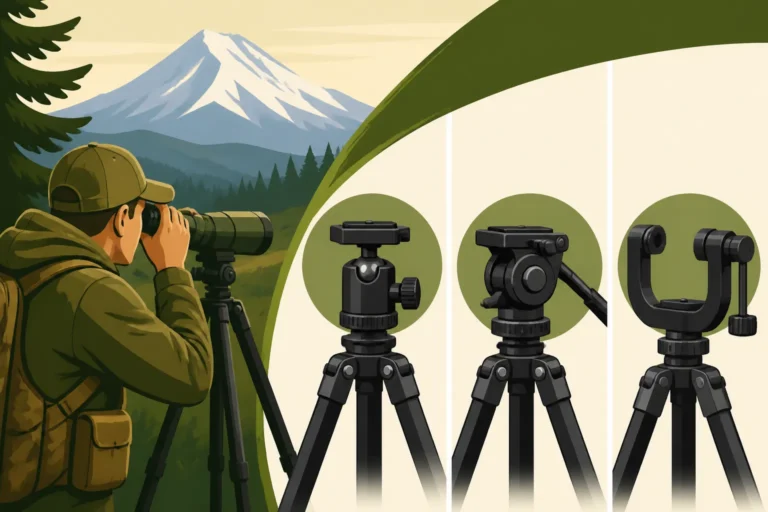
While not strictly "essential" for every first-year hunter on a budget, quality optics significantly increase your chances of success, especially in Washington's vast and varied terrain. A good pair of binoculars (10×42 is a common and versatile choice) will save your legs by allowing you to spot game from a distance. If you're hunting open country on the east side, consider stepping up to a spotting scope for detailed antler inspection.
Beyond just glass, tools for scouting make a huge difference. A good map app like GoHunt, combined with pre-scouting (even from your couch with satellite imagery), can help you identify promising areas, access points, and potential game corridors. E-Scouting Washington GMUs Before the Draw is a crucial first step for many successful hunters. Trail cameras, where permitted on public land, can also give you insights into local game movement, though be sure to know Trail Camera Rules on Washington Public Land.
The "Little Things" That Make a Big Difference
Sometimes it's the small, often-overlooked items that really improve a hunt. Trekking poles, for example, are invaluable for stability on steep or slippery terrain and can reduce strain on your knees, especially when carrying a heavy pack. Paracord or rope can be used for securing gear, dragging a deer, or hanging meat. Fire-starting materials (waterproof matches, lighter) are a crucial safety item.
A small, waterproof bag for your phone, wallet, and tags is also a good idea. Snacks and high-energy food keep you fueled throughout the day. And don't forget your hunting license and tags! Ensure you have them clearly visible or easily accessible as required by law. Taking a Washington Hunter Education Online Course is the very first step, but remembering all the little items is part of becoming a seasoned hunter. The more prepared you are, the more you can enjoy the experience, and that's really what it's all about.
Disclaimer
This article is for general informational purposes only and does not constitute professional advice. Laws, prices and regulations vary by location and change over time. Consult a qualified professional for guidance on your specific situation.