Roosevelt Bulls and Why They Bugle Less
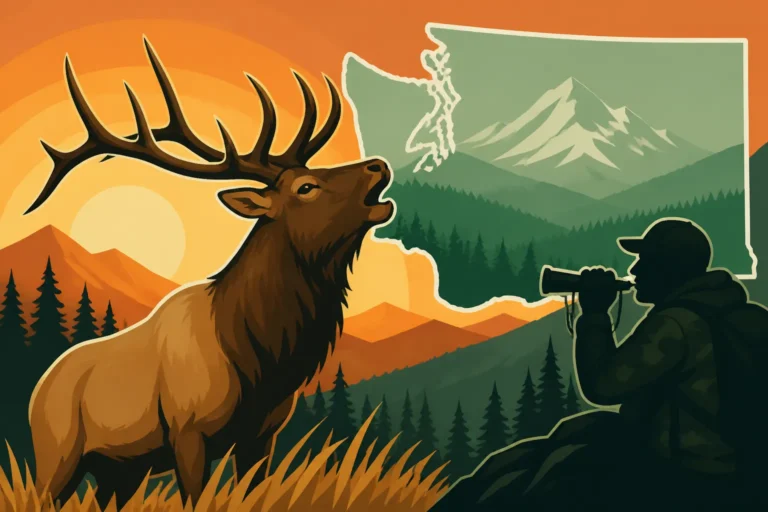
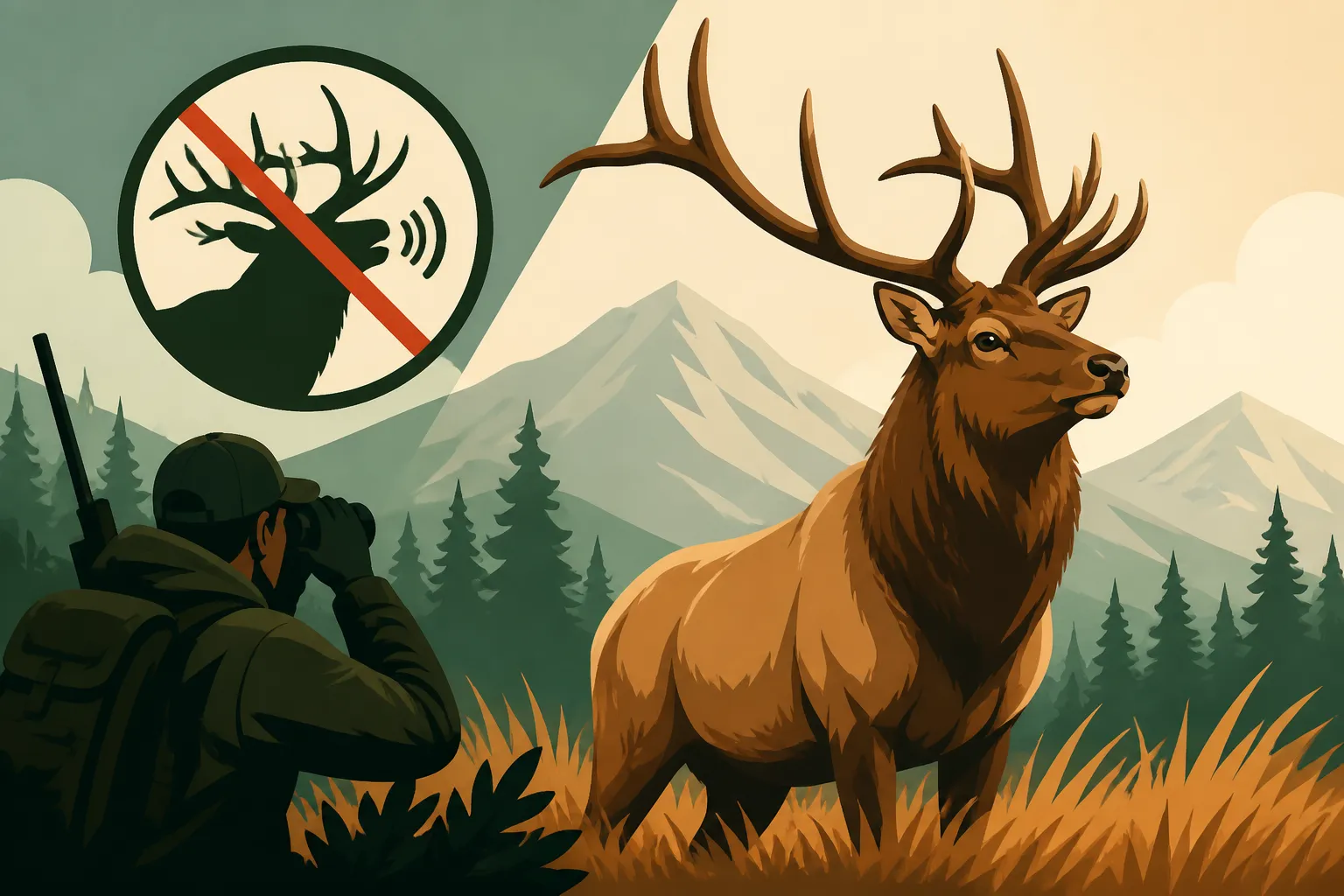
One of the most frustrating things for an elk hunter, especially if you've spent any time chasing the screaming Rocky Mountain bulls east of the Cascades, is heading west expecting the same kind of vocal fireworks from Roosevelt elk. You’ve likely heard stories of Roosevelt bulls being quieter, more elusive, and bugling significantly less, leaving you to wonder if you’re doing something wrong or if the woods are just dead silent. This guide will dive deep into why Roosevelt bulls often seem to keep their lips sealed, and what you can do to find success despite their quieter nature.
The World of the Roosevelt Elk: Dense Forests and Quiet Giants
The very first thing to understand about Roosevelt elk, or "Roosies" as many of us call them, is that their world is fundamentally different from their Rocky Mountain cousins. Forget those wide-open sagebrush flats or the vast Ponderosa pine forests of Eastern Washington. Roosevelt elk are creatures of the deep, dense, often soggy timber of Western Washington. We're talking about old-growth forests, second-growth reprod so thick you can barely push through it, and drainages choked with alder, salmonberry, and devil's club. This habitat shapes everything about them, including how and when they vocalize.
Imagine trying to shout across a room packed floor-to-ceiling with mattresses, and you start to get an idea of the acoustic challenge a bugle faces in a typical Roosevelt elk forest. The dense canopy, thick underbrush, and rolling, broken terrain literally eat sound waves. A bugle that might carry for miles in open country can be muffled to a whisper after only a few hundred yards in the typical Roosevelt environment. This isn't just theory; it's something you experience firsthand when you're trying to communicate with a bull across a brushy canyon. They simply don't need to bugle as loudly or as frequently to keep their herd together or challenge rivals because the visual and auditory range is so limited. They operate in a much smaller, more intimate bubble.
Another key aspect of their environment is the sheer amount of cover. A Roosevelt bull doesn't need to expose himself in open meadows to display his dominance or round up cows. He can do it all within the protective confines of the timber. This means less visual display, which in turn can lead to less need for constant vocal challenges. They often move through their territories like shadows, using the cover to their advantage. This makes for an incredibly challenging hunt, where knowing how to Still-Hunting Blacktails in Wet Washington Brush can often cross over into elk hunting tactics.
What Makes a Roosevelt Bull Go Silent?
Beyond the habitat, several other factors contribute to the perceived lack of bugling from Roosevelt bulls. It’s not just one thing; it’s a combination that often leaves hunters scratching their heads.
The Subtle Rut in Thick Timber
While Rocky Mountain elk in places like the Yakima or Colockum herds can be quite vocal during the rut, challenging each other with screams that echo through the canyons, Roosevelt elk often have a more subdued breeding season. Their rut behavior is intrinsically linked to their dense habitat. Instead of wide-ranging challenges, Roosie bulls tend to keep their herds tighter, moving less, and relying more on close-quarters interactions.
They still bugle, of course, but often it’s a quieter, more guttural grunt or chuckle, or a short, sharp whistle rather than the drawn-out, screaming bugles you might associate with elk. This isn't to say you won't hear a full-blown roar from a big Roosevelt bull; when they do let loose, it can be absolutely spine-tingling. But those moments are often fewer and further between. They also might not be as eager to respond to external calls, already having their cows gathered, or simply feeling secure in their cover. Understanding their typical Roosevelt Bull Antler Shape can also give you clues about their physical condition and dominance, which sometimes influences how much they feel the need to vocalize.
The Impact of Hunting Pressure
Let's be real: elk, especially mature bulls, are smart. They learn quickly. Western Washington sees significant hunting pressure, particularly during the archery and general seasons. These animals are constantly being pushed, called at, and pursued. They quickly learn that loud bugles often lead to an encounter with a human hunter. This pressure undoubtedly makes them more cautious.
When a bull continually hears a bugle and then encounters a human, he learns to associate that sound with danger. Over time, this conditioning leads to fewer responses and less spontaneous vocalization. It's a survival mechanism. This is why many experienced Roosevelt hunters will tell you that the early part of the Archery Elk Hunting in Washington's September Season might offer a slightly better chance at a vocal bull before they get hammered, but even then, it's not a guarantee. You might find that looking into resources like GoHunt for public land access data and past harvest reports can help you identify areas that might receive slightly less pressure.
Weather and Environmental Conditions
The weather in Western Washington is often a mix of rain, fog, and wind – sometimes all in one day. These conditions play a huge role in suppressing elk vocalizations and our ability to hear them.
- Rain: Softens the forest floor, making it harder for us to hear elk move, but it also muffles sound. A steady rain can make a bull less likely to bugle, or at least make his bugle less audible to us.
- Fog: Reduces visibility, which again, means elk don't need to communicate over long distances. It also dampens sound.
- Wind: The ultimate sound killer. Even a moderate breeze can carry sound away or create enough background noise to make hearing a distant bugle impossible. Elk also use wind to their advantage, often moving into the wind or using thermals, making it harder for you to get close undetected.
Think about hunting in late-season snow or during a heavy downpour; the elements themselves create a quiet, almost eerie atmosphere where animal sounds are sparse. This is just another layer of the challenge when you're targeting Roosies.
Adapting Your Approach for Quieter Roosevelt Bulls
So, if they're not bugling much, how in the world do you find them? The good news is, skilled Roosevelt elk hunters still find success by shifting their tactics and focusing on what these animals do offer.
Become a Master of Still-Hunting and Sign Reading
When the bugles aren't flying, your eyes and nose become your most important tools. Roosevelt country is prime for still-hunting. This means moving incredibly slowly, pausing often, and scrutinizing every detail around you. Look for fresh sign: tracks, droppings, rubs on saplings, and most importantly, wallows.
Wallows are liquid gold in Roosevelt country, especially during the rut. Bulls will frequent these muddy depressions to cool off, get rid of parasites, and spread their scent. A fresh, active wallow tells you a bull is in the area and likely still using it. You can learn a lot about how an elk is using its environment by learning to read these signs, similar to how you would when Reading Clearcuts and Reprod for Blacktail Bucks.
Strategic Calling: Less Volume, More Finesse
Just because a bull isn't screaming doesn't mean he won't respond to a call. You just need to change your approach. Instead of aggressive, loud bugles, think subtlety and realism.
- Cow Calls: Often, a soft, pleading cow call is more effective than a bugle for a quiet Roosevelt bull. It can pique his curiosity without threatening him. He might not bugle back, but he might sneak in for a look.
- Quiet Bugles/Chuckles: If you do bugle, keep it soft. Try a realistic chuckle or a muted growl, like a bull talking to his cows. This is more about communicating your presence subtly rather than challenging aggressively.
- Setups: Consider a two-man calling setup, where one caller stays back and the shooter moves ahead. This mimics a real elk herd and makes the caller sound less threatening to an approaching bull. This is a technique often explored in deeper detail in guides like Two-Man Calling Setups on Elk.
- Patience: After a call, wait. Wait much longer than you think you should. A quiet bull might take 10-15 minutes or more to respond, if he responds at all, or he might just come in silently.
E-Scouting and Boots on the Ground
Before you even set foot in the woods, detailed e-scouting is crucial. Use tools like GoHunt or other mapping software to identify potential elk habitat: steep drainages, dense timber patches, transition areas, and water sources. Look for areas with limited road access, as these often hold less pressured animals. Pay attention to changes in timber age, as elk often favor specific stages of forest regeneration for feed and cover.
Once you’re on the ground, focus on scouting high-percentage areas. Look for historical use, old sign, and trails. Even if you don't hear a bugle, you're building a mental map of where elk should be. This approach helps you cover ground more efficiently and hone in on likely spots where a bull might be holding up. When doing your research, you might also find value in posts covering topics like E-Scouting Washington GMUs Before the Draw.
Comparing the Vocalizations: Roosevelt vs. Rocky Mountain Elk
It's tempting to think of all elk as the same, but the differences between Roosevelt and Rocky Mountain elk extend beyond their physical size and typical antler structure to their very vocal nature.
| Feature | Roosevelt Elk | Rocky Mountain Elk |
|---|---|---|
| Habitat | Dense, wet coastal rainforests, thick timber | Open forests, sagebrush, mountains, grasslands |
| Bugling Volume | Generally quieter, shorter, more guttural | Louder, longer, more resonant, screaming bugles |
| Bugling Frequency | Less frequent, especially under pressure | More frequent, especially during the peak rut |
| Rut Behavior | Tighter herds, rely more on scent and close-range visuals | Larger herds, more aggressive vocal challenges, wide-ranging |
| Response to Calls | Often cautious, may come in silently or not at all | More likely to respond aggressively, challenge back |
| Typical Movement | More sedentary, utilize dense cover extensively | More migratory, cover larger areas |
This table isn't to say a Roosevelt won't scream, or a Rocky Mountain bull won't be silent. These are generalizations based on typical behavior. However, understanding these differences is crucial for setting realistic expectations and developing appropriate strategies. A screaming match that works wonders in Montana might just send a Washington Roosevelt bull deeper into the thickest cover he can find.
Ultimately, hunting Roosevelt elk is an exercise in patience, persistence, and adapting to their environment. It’s a game of chess, not checkers, where silence often speaks volumes. You might not hear the woods alive with bugles, but the reward of bringing down one of these magnificent coastal giants, knowing you outsmarted a truly wild and cunning animal in its element, is a feeling unlike any other. Don't let the quiet nature deter you; instead, let it challenge you to become a more complete and observant hunter.
Disclaimer
Hunting is an inherently dangerous activity. Always prioritize safety, understand and follow all Washington Department of Fish and Wildlife (WDFW) regulations, and consider taking a certified hunter education course. This information is for educational purposes and should not replace professional guidance or official WDFW resources.