Calling Cougars With a Fawn Distress Sound
The elusive nature of cougars in Washington can be incredibly frustrating for hunters. You spend hours, days even, scouring the landscape, looking for tracks or sign, but these silent predators seem to vanish into thin air. Many of us have felt that disappointment, wondering if we're even hunting the right areas or using the right methods. But what if there was a way to bring them to you? This guide will dive deep into a highly effective strategy: using a fawn distress sound to call in cougars, covering everything from understanding their behavior to mastering the call and ensuring your safety in the field.
Understanding Cougar Behavior and Calling Triggers
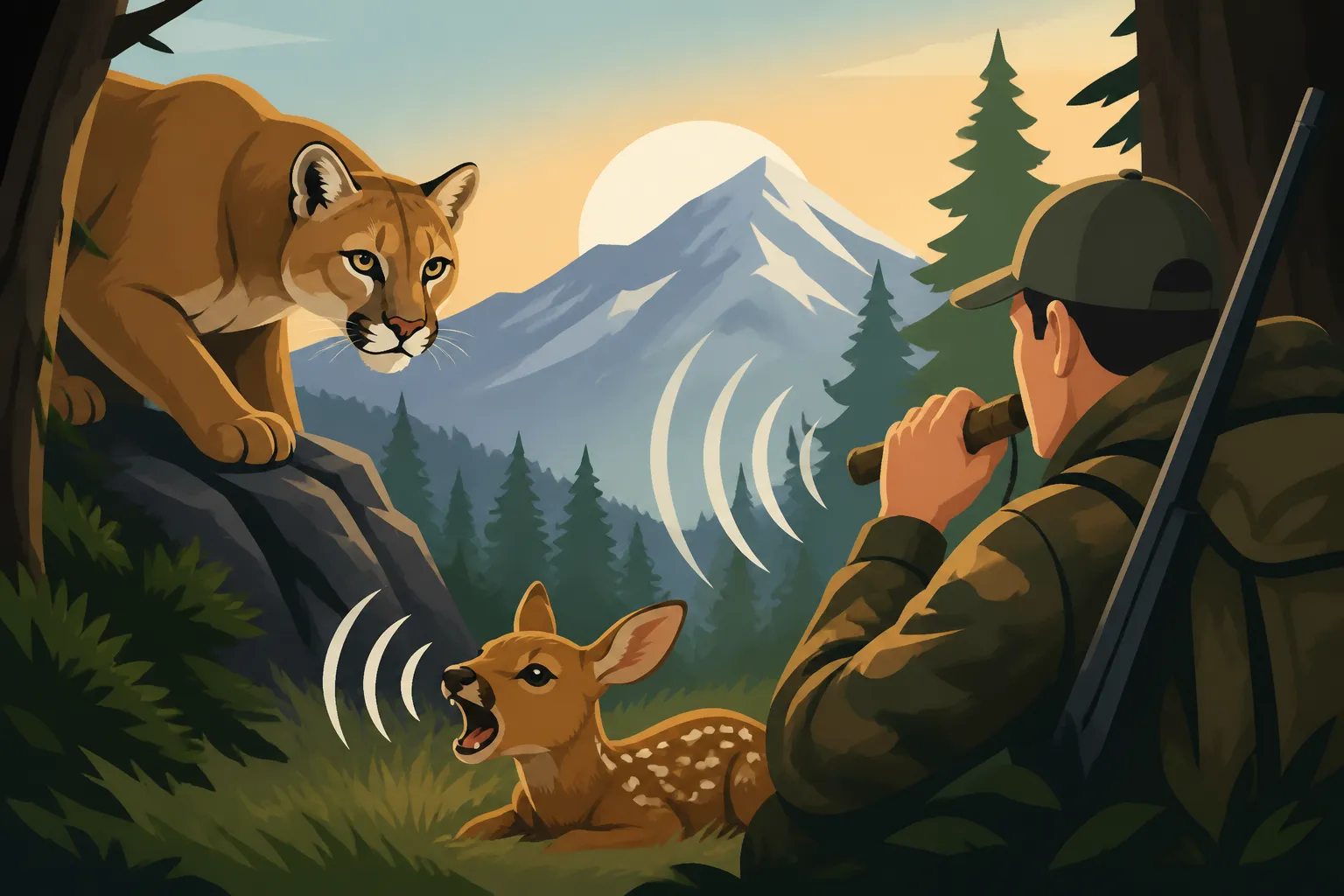
Calling in a cougar isn't just about making noise; it's about understanding what makes them tick, what drives them to respond. These animals are incredibly intelligent, wary, and opportunistic. When you replicate the sound of a distressed fawn, you're tapping into a primal instinct that's hard for them to ignore: the promise of an easy meal.
Why Fawn Distress Works So Well
Cougars, often referred to as mountain lions or pumas, are apex predators, and their diet in Washington primarily consists of deer, especially mule deer and blacktail deer. Fawns, being young and inexperienced, are particularly vulnerable and represent a relatively low-effort meal for a cougar. When a fawn distress call cuts through the quiet forest, it mimics precisely what a hungry cougar is constantly seeking: an injured, lost, or struggling juvenile deer. It's a sound that broadcasts immediate opportunity.
Think about it from the cougar's perspective. They spend a lot of energy stalking prey, often failing more often than succeeding. A sound that suggests a meal is literally waiting to be collected, potentially injured and unable to escape effectively, is an irresistible lure. This isn't just about curiosity; it's about survival. The effectiveness of a fawn distress call stems from its ability to bypass their usual caution, overriding their inherent stealth for the chance at a significant calorie intake. You're essentially ringing the dinner bell for them. They've likely heard that very sound many times before, and it almost always signals an easy target.
Prime Times and Locations for Calling
While cougars can be active at any time of day, they are typically most active during dawn, dusk, and throughout the night, aligning with the movements of their primary prey. However, a cougar that’s hungry will respond during the day, especially if the distress call is convincing. In Washington, calling during the cooler parts of the day or when deer are generally moving can increase your odds. Late morning or early afternoon, when many deer are bedded, can be surprisingly productive if a cougar is on the prowl.
Identifying prime locations for calling involves thinking like a cougar. They favor areas with dense cover, rimrock, deep draws, and thick timber that allow them to stalk silently and ambush prey. Look for areas with high deer density, which you can often scout using resources like GoHunt maps to identify habitat and historical animal movement patterns. South-facing slopes that melt out first in winter, offering early forage, can also be good areas. Always consider prevailing wind direction, as a cougar will almost certainly approach downwind to catch your scent. Terrain features like saddles, natural travel corridors, and points overlooking draws are excellent ambush locations for cougars, making them ideal places for you to set up your call. Before you even set up, spending time scouting for fresh tracks, scat, and kill sites, much like you would when Finding Cougar Tracks Without Hounds, will significantly improve your chances. Understanding Cougar Territory and Movement patterns can also help you predict where a cougar might be in relation to your calling setup.
Mastering the Fawn Distress Call
Making the right sound is only part of the equation; delivering it effectively and understanding the nuances of your chosen call can make all the difference between striking out and calling in a wary tom.
Choosing Your Call
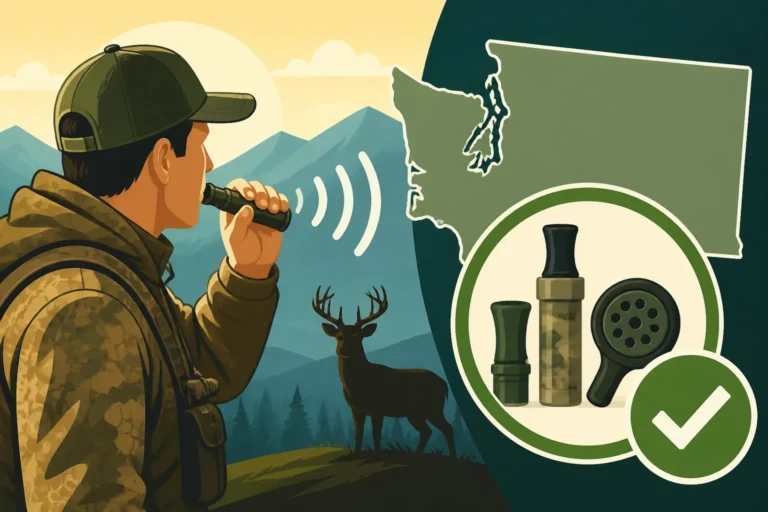
When it comes to cougar calling with fawn distress, you generally have two main categories: electronic calls and mouth calls. Both have their advantages and disadvantages, and many experienced hunters use a combination of both.
Electronic calls are incredibly popular for a good reason. Brands like FoxPro and Lucky Duck offer calls pre-loaded with a vast array of realistic sounds, including various fawn distress sequences. The primary benefit here is volume and realism. You can broadcast sounds at higher decibels, reaching further into dense cover, and the quality of the recordings can be incredibly lifelike. Many electronic calls also come with remote controls, allowing you to place the caller away from your position, drawing the cougar's attention to the sound source and not directly to you. This can be a huge tactical advantage. However, electronic calls require batteries, can be bulky, and might be an initial investment. For hunters focused on Calling Cougars Without Dogs in Washington, electronic calls are a powerful tool for mimicking the distress signals cougars naturally key into.
Mouth calls, on the other hand, offer unparalleled nuance and portability. These handheld calls allow you to control the volume, pitch, and duration of the distress sounds with your breath, adding a layer of realism that can be hard to replicate with an electronic device. You can make the sound fade as if the fawn is moving, or intensify it as if its struggle is increasing. They are lightweight, require no batteries, and are silent to carry. The downside is that they require practice to master, and their volume might be limited compared to an electronic call, especially in windy conditions or large, open areas. For close-quarters calling in thick brush, however, a well-mastered mouth call can be deadly.
Here's a quick comparison:
| Feature | Electronic Calls (e.g., FoxPro, Lucky Duck) | Mouth Calls (e.g., Primos, Critter Getter) |
|---|---|---|
| Realism | Very high, thanks to recorded sounds; multiple variations available. | High, with practice; allows for dynamic, nuanced expression. |
| Volume | Excellent, can reach far distances; adjustable. | Good, but limited by user lung capacity; can be subtle. |
| Ease of Use | Generally easy to operate; remote control adds convenience. | Requires significant practice to sound convincing and consistent. |
| Portability | Can be bulky, requires batteries; sometimes heavier. | Very lightweight and compact; no power source needed. |
| Cost | Higher initial investment ($150-$500+). | Lower cost ($10-$50). |
| Versatility | Multiple sounds for various predators; often includes decoys. | Typically focused on one or a few sounds; less multi-purpose. |
| Cougar Focus | Excellent for drawing attention away from hunter. | Great for subtle, close-range calling and finishing wary cats. |
Calling Sequences and Volume
A typical calling sequence for cougars using fawn distress isn't just a constant scream. It's about building a story, creating the illusion of a desperate animal. Start softly, almost hesitantly, as if the fawn is just beginning to struggle or has just been injured. After a minute or so, gradually increase the intensity and volume, making the sounds more urgent and frantic. This mimics a fawn fighting for its life.
Maintain this intense phase for a few minutes, then slowly decrease the volume and frequency, as if the fawn is tiring or perhaps even succumbing. Then, go silent for several minutes before repeating the sequence, perhaps with slightly less intensity. The key is to convey a sense of a living, struggling animal, not one that's already dead. If you blast the loudest, most frantic call right off the bat, a cougar might approach cautiously, assuming it's too late for an easy meal, or even decide it’s a trap.
The length of your stand is critical. Generally, when calling predators, it's advised to How Long to Sit a Cougar Stand for at least 20-30 minutes. Cougars are often slower to respond than coyotes or bobcats, and they may circle downwind before committing. Patience is paramount. Sometimes, a cougar will appear silently, having already been there, watching, for several minutes before you even realize it. For these reasons, vary your calling sequence, mix in short bursts, and long, drawn-out cries, and always be scanning your surroundings.
Setup and Safety for Calling Success
Calling in a cougar is an exhilarating experience, but it’s one that demands careful planning and an unwavering focus on safety. These animals are powerful, stealthy, and top predators; respect them, and they are beautiful game. Disrespect them, and you could find yourself in a dangerous situation.
Positioning Yourself for the Shot
Your setup is almost as important as your calling technique. Cougars are masters of stealth, using every bit of cover to their advantage. When you're setting up your stand, keep these points in mind:
- Wind Direction is Non-Negotiable: A cougar will almost always approach from downwind to get your scent. Position yourself so the wind is blowing from your position towards where you expect the cougar to come from. This allows your scent to blow away from their approach. Even a slight shift in wind can betray your position, so pay close attention to thermals, especially in mountainous Washington terrain. Use a wind checker frequently.
- Elevated Position: If possible, set up slightly elevated. This gives you a better vantage point to spot an approaching cougar and often provides a safer position as they tend to focus on the ground level where the "fawn" would be. A small rise, a sturdy tree stand (if applicable to your hunting style and area), or a rocky outcrop can work well.
- Clear Shooting Lanes (but with cover): You want to have clear lines of sight and shooting lanes in the direction of the call, especially where the cougar is most likely to emerge. However, avoid being silhouetted. Use natural cover like dense brush, fallen logs, or rock formations to break up your outline and provide concealment. Cougars have incredible eyesight, and any unnatural shape or movement will alert them.
- Back Against Something Solid: Whether it's a thick tree trunk or a rock face, having something solid at your back not only provides comfort but also prevents a cougar from circling directly behind you undetected. Cougars are known for their ability to approach from unexpected angles.
Calling with a Partner
Calling cougars, or any predator for that matter, is often much safer and more effective with a partner. This isn't just about company; it's about tactical advantage and safety.
When you're calling with a partner, one person can focus entirely on running the call – adjusting sounds, volume, and timing – while the other becomes the primary scanner and shooter. This division of labor means you have two sets of eyes constantly watching for movement. Cougars are incredibly subtle; a partner might spot a flick of an ear or the faint outline of a cat that you, engrossed in the call, might miss.
Position yourselves a short distance apart, perhaps 10-20 yards, allowing for overlapping fields of view but also covering different angles. The caller should ideally be slightly behind and to the side of the shooter, or in a position that draws attention away from the shooter. This allows the cougar to key in on the call while the shooter remains hidden, ready for a clean shot. Always have a pre-arranged signal for when a cougar is spotted, and communicate clearly but quietly. This cooperative approach significantly increases your chances of success and, more importantly, enhances your safety. This strategy is particularly valuable in Washington, where dense cover can make spotting a silent Cougar Population and Density challenging.
Safety First When Calling Predators
Remember, you are intentionally attracting a large, powerful predator. This is not a game to be taken lightly.
- Always Be Alert: Cougars are incredibly fast and agile. Once they decide to commit to the call, they can cover ground silently and quickly. Never relax your vigilance. Keep your firearm or bow ready and pointed in a safe direction, but ready to be brought to bear if a cougar appears suddenly.
- Know Your Target and Beyond: Ensure you have a clear, ethical shot and are absolutely certain of your target before pulling the trigger. Be aware of what's behind your target. In Washington, Cougar Hunting in Washington After the Hound Ban means you're relying entirely on calling and stealth, increasing the importance of a precise shot.
- Carry Appropriate Protection: While your primary hunting weapon is for the animal you intend to harvest, always have a secondary means of defense, such as a large caliber sidearm, if you are comfortable and legally permitted to carry one. This is a last resort, but peace of mind is invaluable.
- Tell Someone Your Plan: Always inform a trusted person of your exact hunting location, your intended return time, and who you are hunting with (if applicable). Cell service can be spotty in many Washington hunting areas, so consider carrying a satellite messenger for emergencies. This is critical for any remote hunting, but especially when you're actively trying to attract potentially dangerous animals.
- Respect the Animal: Cougars are magnificent creatures. If you are successful, ensure proper Cougar Meat Salvage in Washington and adhere to all harvest reporting requirements. If a cougar approaches but doesn't offer a clean shot, or if you decide not to harvest, let it pass safely and silently. Knowing its Cougar Predation on Washington Deer Herds is important for herd management.
By combining an understanding of cougar behavior with effective calling techniques and a paramount focus on safety, you can turn the frustration of elusive cougars into a thrilling and rewarding hunting experience in Washington.
Disclaimer
Always consult the latest Washington Department of Fish and Wildlife (WDFW) regulations before heading into the field. Hunting rules and seasons can change, and it is the hunter's responsibility to know and follow all applicable laws. This guide is for informational purposes only and does not supersede official WDFW regulations.