Elk Behavior in Deep Snow
Deep snow can transform a familiar hunting ground into an entirely different world, making those big Washington bulls and cows seem to vanish overnight. It's incredibly frustrating to put in the effort, only to find the landscape so altered that all your usual scouting intel seems useless. When the white stuff piles up, elk don't just put on a thicker coat; their entire way of life shifts. Understanding these profound changes in their behavior – from how they move and feed to where they seek shelter – is absolutely crucial for any hunter hoping to fill a tag when winter truly sets in. This guide dives deep into the intricate ways elk adapt to heavy snow and how you can use that knowledge to your advantage.
Adapting Movement and Migration in Heavy Snow
When the snow starts to pile up, an elk's primary goal shifts from mere sustenance to energy conservation. Imagine trying to trek through a foot or more of heavy snow all day – it's exhausting, even for a powerful animal like an elk. They are masters of efficiency, and their movement patterns reflect this stark reality.
Prioritizing Energy Conservation in Travel
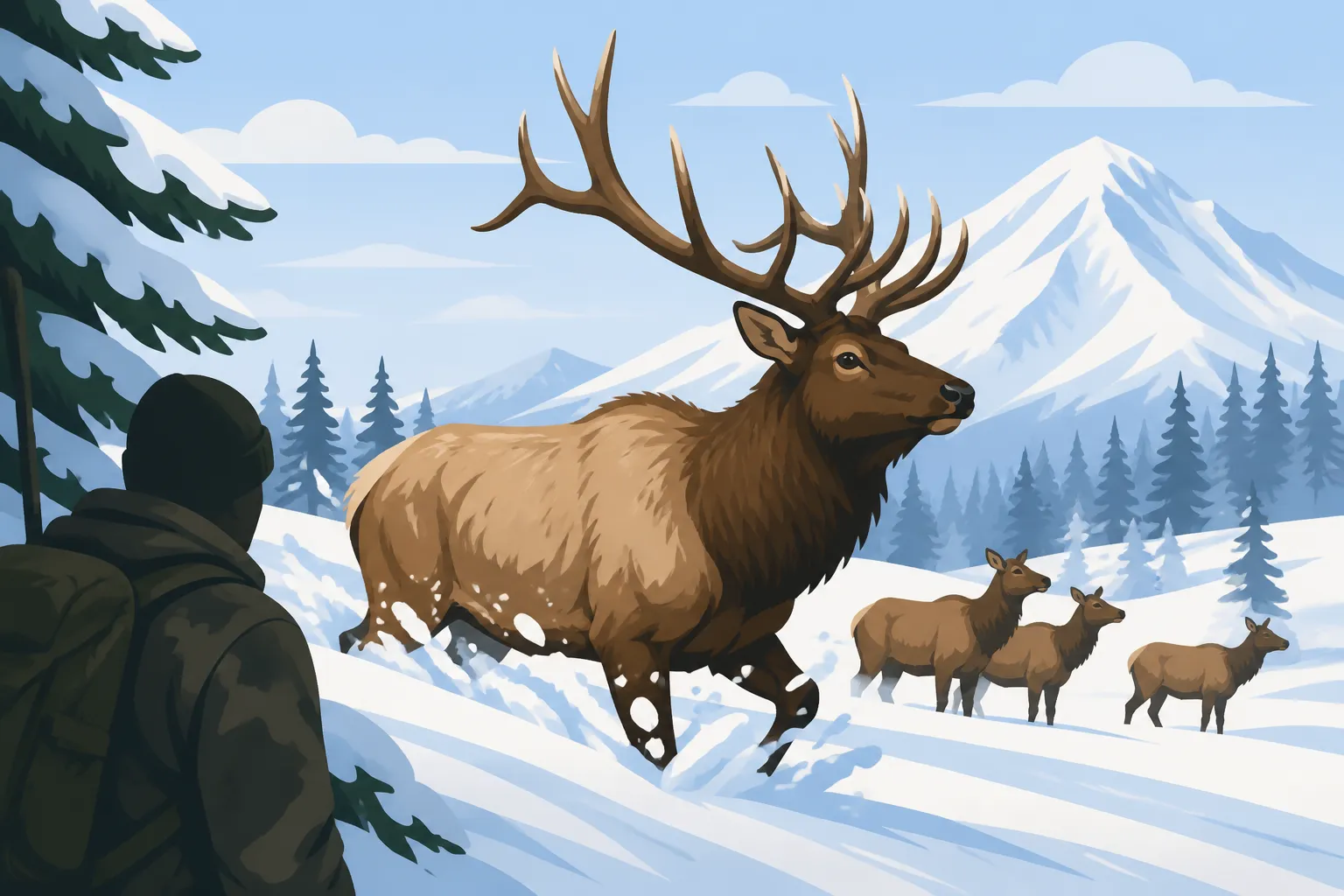
Elk aren't going to be busting through waist-deep drifts if they can help it. Their strategy is to minimize energy expenditure, which means they'll stick to established trails, old logging roads, or even the tracks left by other animals. You'll often find them moving in single file, breaking a path for the rest of the herd. This can be a huge clue for hunters – finding one of these "elk highways" in the snow can tell you exactly where they've been and likely where they're heading. If you stumble upon a network of these compacted trails, you're likely in a high-traffic area. Understanding how Snowpack Effects on Elk Survival means recognizing that every ounce of energy conserved can make the difference between an elk surviving the winter or not. This is why their movements become so deliberate and often predictable.
Migration to Lower Elevations and Defined Corridors
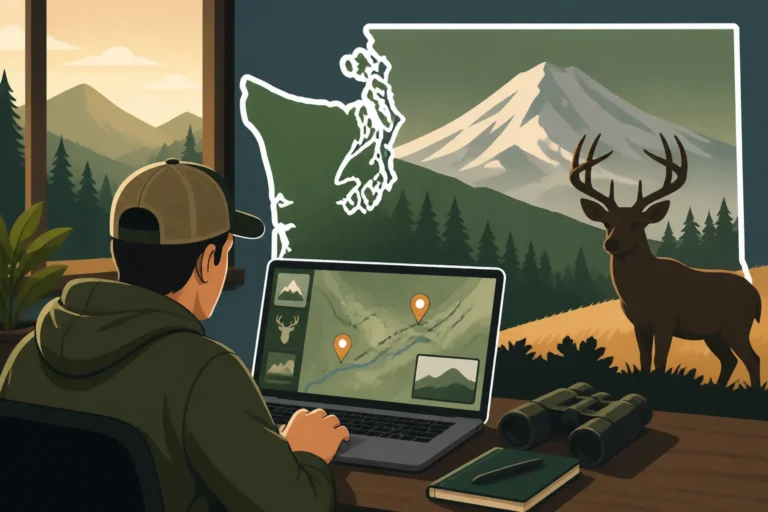
As snow deepens in the high country, elk are often forced to migrate to lower elevations. This isn't always a long journey; sometimes it's just a few thousand feet down to areas where snow depth is more manageable and forage is more accessible. These critical migration corridors can become bottlenecks, funneling elk into predictable patterns. Identifying these routes, often historically used for generations, is key. Many hunters spend hours poring over maps, perhaps even with tools like GoHunt's satellite imagery, to pinpoint these transition zones between summer and winter range. This e-scouting can start long before the snow falls. Knowing Elk Migration Timing in November can help predict when these movements will begin, but deep snow can accelerate or alter these timelines. You might find elk using old, decommissioned logging roads, and knowing how to identify Finding Old Logging Roads on Satellite can reveal vital travel paths not always obvious on standard maps.
Gravitation Towards South-Facing Slopes
Deep snow dramatically accentuates the importance of aspect. South-facing slopes receive more direct sunlight, which means the snow melts faster or compacts less, making travel and feeding easier. These slopes also absorb more solar radiation, providing a warmer microclimate – a welcome respite on bitter cold days. Elk will strongly gravitate towards these sunny exposures, seeking out any patch of bare ground or thinner snowpack. It's a waste of precious energy to grind up north-facing slopes if the snow is chest-deep unless you have a very specific reason. More often than not, the elk are soaking up the sun and finding easier foraging elsewhere.
Changes in Feeding Habits and Preferred Forage
Food becomes a much more precious commodity when it's buried under a blanket of snow. Elk, being resilient creatures, adapt their feeding strategies to extract every possible calorie from the winter landscape.
The Labor-Intensive Art of Cratering
When the snow gets deep, elk don't just stand around waiting for it to melt. They "crater," using their powerful necks and forelegs to dig down through the snow to reach buried vegetation. This is an incredibly energy-intensive activity, so they're looking for the biggest bang for their buck – high-calorie forage. You'll see distinct cratering patterns in the snow where a herd has been feeding. These fresh craters, often with excavated grasses or forbs, are a huge sign of recent activity and a strong indicator that elk are in the area. Finding a fresh cratered area means you've found a kitchen, and if the elk are actively feeding, they won't be far.
Switch to Browse and Conifer Needles
While elk are primarily grazers, deep snow forces them to become more reliant on browse – the twigs, shoots, and buds of woody plants. They'll strip bark from certain trees, especially aspen or willow, and eagerly munch on Douglas fir and grand fir needles, which provide some nutrition and are usually above the snowline. Look for clipped branches or fresh bark damage, which can signal a winter feeding area. Areas with dense stands of young conifers or brushy draws become magnets for elk. Hunters should also research Hunting a Recent Burn for Elk as these areas can produce abundant, regenerating browse and often have pockets of less snow where animals can more easily access the ground.
Seeking Sheltered Areas for Forage
Just as they seek shelter for bedding, elk will also look for sheltered feeding grounds. Areas with dense timber, especially old growth, can intercept snowfall, leaving patches of ground with significantly less snow. These pockets, along with clearcuts where browse is abundant, become crucial feeding sites. They'll choose spots where they don't have to work as hard to get to food, trying to maintain their fat reserves for survival. In deep snow, a sheltered ravine or a thick stand of timber on a sunny aspect can be the difference between a starving herd and one that thrives.
Bedding and Shelter Strategies in Winter
The biting cold and relentless winds of winter make shelter a non-negotiable priority for elk. Their bedding choices are driven by an instinct to stay warm and conserve energy above all else.
Thermal Cover and Windbreaks are Paramount
In deep snow conditions, thermal cover becomes paramount. Elk will seek out dense conifer stands, especially those with thick canopies that capture heat and block wind. These areas reduce heat loss and offer protection from harsh winter storms. Think dark timber, north-facing benches (paradoxically, they'll bed here for thermal cover even if they feed on sunny slopes), or any spot that offers a complete break from the elements. The difference in temperature under a thick canopy compared to an open ridge can be surprisingly significant, often by several degrees, which is a massive relief for an animal trying to survive. Identifying these dark timber refuges on satellite maps using tools like GoHunt is a critical part of winter scouting.
Snow Depth and Strategic Bed Selection
The depth and type of snow significantly influence where elk choose to bed. They prefer areas where the snow isn't too deep to lie down comfortably, but deep enough to provide insulation. Often, they'll compact the snow into a bed, creating a warm pocket. If it's a soft, fresh powder, they might bed right in it for insulation. If it's a hard, icy crust, they'll seek out softer spots or areas protected by timber, as a hard crust can be uncomfortable and offer less insulation. Sometimes, you'll find them using thickets of brush or downed timber to create micro-shelters. When considering potential locations, remember that Washington Winter Range Closures That End Late Hunts are implemented by WDFW to protect elk during these critical times, so always check regulations carefully to avoid disturbing them or breaking the law.
Group Bedding and Strategic Sun Exposure
Elk often bed in groups during winter, huddling together to share warmth. This communal bedding can significantly reduce heat loss for individual animals. On sunny days, they might seek out those south-facing slopes for a warm nap, especially after a morning of feeding. However, during blizzards or periods of extreme cold, they'll prioritize dense thermal cover regardless of sun exposure. Their choices are a constant trade-off between warmth, energy conservation, and safety from predators. A hunter who understands these bedding preferences and can identify likely winter bedding grounds is much more likely to locate elk.
Hunting Strategies for Snow-Bound Elk
Hunting in deep snow is physically demanding and calls for a complete shift in tactics. It's a tough grind, but the rewards can be immense if you adapt your approach.
Mastering the Art of Tracking
When there's fresh snow on the ground, fresh tracks become your most valuable asset. Elk tracks in deep snow are unmistakable, and they'll tell you if the animals are moving casually, trotting, or busting it through the drifts. A string of tracks leading into a thicket might indicate a bedding area, while tracks emerging from timber into a clearcut suggest feeding. Following tracks requires immense patience and skill, a true exercise in meticulous observation, much like Still-Hunting Blacktails in Wet Washington Brush (though for elk, the scale is larger, the principles of quiet movement and reading sign are identical). You'll need to learn to read not just the direction, but the freshness of the track, looking for crisp edges, displaced snow, and even melt patterns if the sun is out. This is where the hunt truly becomes a game of chess.
Effective Still-Hunting and Glassing in Winter
Still-hunting becomes incredibly effective in snow. The snow itself muffles your footsteps, allowing you to move silently through the forest. Focus on moving slowly through dense timber, along the edges of clearcuts, and in those transition zones between likely feeding and bedding areas. Stop often, scan with your binoculars, and listen intently – the smallest sound carries far in the still winter air. For more open country, glassing is still king, but you'll be focusing your efforts on those specific areas elk prefer in deep snow: south-facing slopes, sheltered pockets of timber, and known migration corridors. Using a good mapping tool like GoHunt can help you identify these features from afar, saving you precious energy and time in challenging conditions. You can mark potential bedding sites, feeding areas, and travel routes before you even step foot in the snow.
Essential Gear Considerations for Winter Hunts
Hunting in deep snow is physically demanding and utterly unforgiving of poor gear choices. Layering is paramount; you'll be working hard and sweating, but then stopping and getting cold quickly. Refer to guides on Layering for Wet Cold Weather to ensure you stay warm and dry. Your boots need to be waterproof, insulated, and offer excellent traction for navigating icy patches and deep drifts. Consider insulated rubber boots or high-quality mountaineering boots suitable for Boots for Steep Eastside Country, as the traction and warmth they provide are invaluable. A sturdy pack frame is essential not just for carrying your day gear but also for the heavy load of meat if you're successful. A reliable Rifle Setup for Washington Elk and Deer that is waterproof and dependable in cold conditions is also crucial. Don't forget essentials like a good headlamp, fire-starting supplies, and plenty of high-energy snacks. If you manage to connect with an elk, the tracking and recovery process can be even more challenging in snow, making knowledge of Blood Trailing in Thick Understory even more vital.
Table: Elk Behavior Adaptations in Snow
| Factor | Moderate Snow (6-12 inches) | Deep Snow (12+ inches, often crusted) |
|---|---|---|
| Movement | Still fairly mobile, may use trails, active foraging. | Energy conservation critical, single-file trails, minimize travel. |
| Migration | May begin moving to lower elevations, but not always urgent. | Forced migration to winter range, defined corridors. |
| Feeding | Crater for preferred forage (grasses/forbs), some browse. | Heavy reliance on browse, conifer needles, bark; intensive cratering. |
| Bedding | Thermal cover important, but might still use open areas on sunny days. | Prioritize dense thermal cover (thick timber), windbreaks, group bedding. |
| Location | Can be found in higher elevations, variety of aspects. | Concentrated on south-facing slopes (sun/food), sheltered draws, lower elevations. |
| Vulnerability | Moderate, still spread out. | Highly concentrated, but physically harder to reach and track for hunters. |
Navigating Washington Winter Range Closures
It's absolutely vital to be aware of winter range closures in Washington. The Washington Department of Fish and Wildlife (WDFW) implements these closures specifically to protect vulnerable big game animals, especially elk and deer, during harsh winter conditions. These areas provide critical forage and shelter when other resources are scarce, and disturbing animals during this period can have severe consequences for their survival. Hunting or even recreating in these closed areas can result in hefty fines and penalties, not to mention the ethical implications of harassing animals already under stress. Always consult the latest WDFW regulations and maps, including those found in the annual hunting pamphlet, before heading into the field, particularly for late-season hunts. Ignorance of the rules is never an excuse, and protecting these animals ensures healthy herds for future generations. Additionally, always remember to check Checking Washington Road Closures Before You Go as winter weather can close roads, making access impossible or dangerous, even outside of designated winter range closures.
Safety in Snowy Conditions
Hunting in deep snow presents unique safety challenges that every Washington hunter needs to take seriously. Hypothermia is a constant threat, especially with our wet Pacific Northwest snow. Always over-prepare your clothing and carry emergency shelter. Navigation becomes trickier when familiar trails are covered, so always have a reliable GPS (and a physical map and compass as a backup), and know how to use them. Tell someone exactly where you're going and when you expect to return. Consider carrying a satellite messenger for emergencies, especially if you plan on Solo Hunting Safety Precautions. Deep snow can also conceal hazards like fallen logs, rocks, and unstable terrain, increasing the risk of slips, falls, and injuries. Always move carefully and deliberately, test snow depths, and be acutely aware of your surroundings. The thrill of the hunt is never worth risking your life.
Disclaimer
Disclaimer: This guide is for informational purposes only and is not a substitute for official regulations. Always consult the latest Washington Department of Fish and Wildlife (WDFW) hunting pamphlets and regulations before planning any hunt. Conditions in the backcountry can change rapidly, and safety should always be your top priority. Ensure you have the necessary licenses, tags, and permits before entering the field.