Washington Branch-Antlered Bull Permits
One of the trickiest parts of navigating Washington's elk hunting regulations is understanding the specific antler requirements, and few create more head-scratching moments than the rules around branch-antlered bull permits. It can feel like you need a law degree just to figure out what you're legally allowed to chase! This guide is here to untangle the complexities of Washington's branch-antlered bull permits, helping you understand what they are, how to apply for them, and how to approach hunting these sought-after opportunities.
Understanding Washington's Branch-Antlered Bull Permits
Let's face it, elk hunting is a passion for many of us, and the dream of tagging a mature bull often drives our choices. Washington offers a diverse range of elk hunting experiences, from the dense timber of the west side to the open breaks of the east, but the rules for what you can harvest can vary wildly. Understanding branch-antlered bull permits is crucial for anyone hoping to pursue quality elk in specific units.
What Exactly Constitutes a Branch-Antlered Bull
Before you even think about applying for a permit, you absolutely have to know what a "branch-antlered bull" actually means in Washington state. The Washington Department of Fish and Wildlife (WDFW) defines a branch-antlered bull as an elk with at least one antler having a point or projection that is three inches or longer, and that point must be branched. This means it has a distinct fork or tines extending off the main beam, not just a brow tine or a single spike. It’s not about the number of points, necessarily, but that at least one antler displays a clear branch.
Imagine you're glassing a bull across a canyon. If you can clearly see a fork or a legitimate point branching off the main beam that's at least three inches long on either side, that's your target. This is different from a spike-only rule, where a bull with a single, unbranched antler is legal, or even a three-point minimum rule, where a bull needs three points on one side. The key here is the branching feature. This can sometimes lead to confusion, especially with smaller bulls or those with unique antler configurations, so always err on the side of caution and be 100% sure before you even think about taking a shot.
Why WDFW Uses Branch-Antlered Rules
The WDFW implements branch-antlered bull rules for a variety of reasons, primarily centered around wildlife management and promoting a healthy herd structure. In many areas, especially those with high hunter pressure or specific management goals, allowing hunters to take only branch-antlered bulls helps protect younger, less mature bulls. By letting spike bulls and even some two-point bulls survive an extra year or two, they have the opportunity to grow into larger, more desirable branch-antlered animals, which contributes to better genetics and more balanced age classes within the herd.
It's a way of ensuring that a certain percentage of the male elk population reaches a more mature age, leading to healthier breeding populations and more robust bull-to-cow ratios. This strategy doesn't just benefit trophy hunters; it creates a more sustainable and resilient elk population overall. These regulations are often based on years of biological data and harvest reports, aimed at fine-tuning the balance between hunter opportunity and elk population health.
The Difference Between General Season and Special Permit Branch-Antlered Hunts
It's vital to distinguish between general season branch-antlered rules and those governed by special permits. Some Game Management Units (GMUs) in Washington will have a general season where any hunter with a valid general tag can hunt a branch-antlered bull. These are usually open to modern firearm hunters, archers, or muzzleloaders depending on the specific GMU and season dates. For instance, you might find a general modern firearm season that specifies "branch-antlered bull only" in certain units. You simply buy your general elk tag, declare your weapon, and if your chosen GMU has that rule, you hunt accordingly.
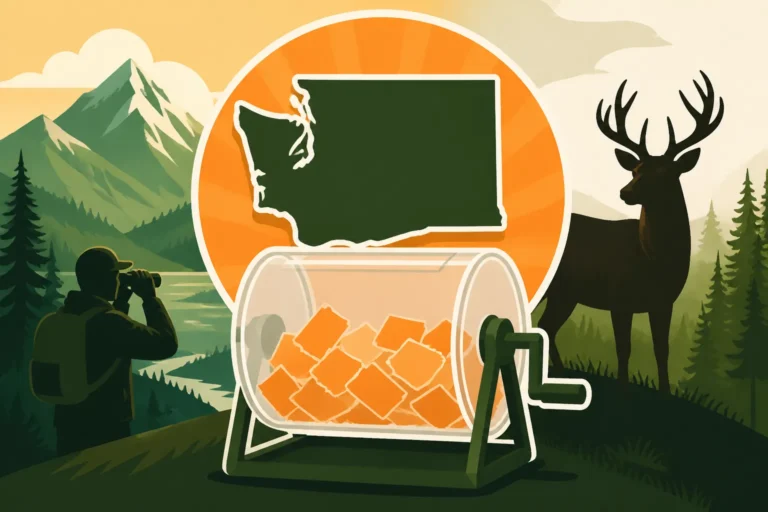
However, Washington also offers dedicated "special permit" hunts for branch-antlered bulls. These are often in units where general season pressure might be too high, or where WDFW wants to offer a limited, higher-quality hunting experience. With these special permits, you apply for a specific hunt choice (e.g., "GMU XXXX Branch-Antlered Bull Archery") during the spring application period. If you draw one of these permits, you get exclusive access to hunt branch-antlered bulls in that specific unit during a defined season, often with better success rates or less competition than general seasons. These hunts are highly coveted and can offer exceptional opportunities for a mature bull. Understanding the nuances of the Washington General Season Versus Special Permit Hunts is key to making informed decisions for your application strategy.
Applying for a Branch-Antlered Bull Special Permit
Applying for any special permit in Washington can feel like playing the lottery, and branch-antlered bull permits are no exception. The process requires careful attention to detail and a good understanding of the odds. Don't get discouraged if it takes a few years; persistence is often rewarded.
The Application Process and Important Deadlines
The application window for Washington special hunt permits typically opens on April 20th and closes on May 27th each year. This is a critical timeframe you absolutely cannot miss. You'll need to submit your application online through your WDFW WILD account. Before you can even apply, you must purchase a hunting license. You don't necessarily need the elk tag itself (the transport tag) to apply, but you need an active hunting license. However, if you draw a permit, you'll need to purchase the appropriate elk tag before the season starts.
During the application process, you'll select your hunt choices, ranking them by preference. For branch-antlered bull permits, you'll be looking for specific hunt codes that designate "Branch-Antlered Bull" in your desired weapon type and GMU. You're generally allowed up to four hunt choices, but be mindful that some "Quality" hunts, which might include certain branch-antlered bull opportunities, only allow two choices. The non-refundable application fee is relatively low, but remember, Washington operates on a random draw system; there are no preference points accumulating year after year. Every applicant starts fresh each year, which can be both frustrating and exhilarating. It means everyone has an equal chance, whether it's your first year applying or your twentieth. Keep an eye on the official WDFW website for any changes to the Washington Special Hunt Application Deadline.
Maximizing Your Chances in the Random Draw
Since Washington doesn't have a preference point system, "maximizing your chances" isn't about accumulating points, but rather about strategic application. Here's how you can think about it:
- Research Draw Odds: Sites like GoHunt provide invaluable data on draw odds for various units and species. While WDFW doesn't publish exact odds for every hunt, third-party services often compile this information from previous years' results. Look for units that might have slightly higher odds, even if it means sacrificing a small amount of "trophy potential." A branch-antlered bull is a branch-antlered bull, and sometimes aiming for a unit with 5% odds instead of 1% odds can make all the difference.
- Consider Lesser-Known Units: Everyone applies for the big-name units known for monster bulls. By digging a little deeper and researching less-pressured GMUs that still offer branch-antlered opportunities, you might find a hidden gem with more favorable odds. This often requires more pre-scouting or a willingness to explore new territory, but it can pay off handsomely.
- Apply with a Group (If Applicable): For some special permits (though generally not individual bull tags), you can apply as a party. While this doesn't increase your individual odds of drawing, it means if one person draws, everyone in the party draws. Always check the specific permit rules for group application eligibility.
- Weapon Choice: Sometimes, choosing a less popular weapon type (e.g., muzzleloader over modern firearm) for a branch-antlered permit in a particular unit can marginally increase your odds simply because fewer people apply for those hunts. This is a gamble, though, as you need to be proficient and comfortable hunting with that weapon.
- The GoHunt Advantage: Tools like the GoHunt Insider membership can be a game-changer for serious permit hunters. Their "Draw Odds" and "Filtering" tools allow you to analyze historical data, unit reports, and harvest success rates, giving you an edge in identifying the best application strategy for branch-antlered bull permits. They help you understand which units consistently produce and which ones might be long shots.
Remember, even with the best strategy, the random draw means there's always an element of luck. But being informed certainly improves your statistical outlook.
Notable GMUs for Branch-Antlered Opportunities
Washington has a variety of GMUs that offer branch-antlered bull opportunities, both through general seasons and special permits. While specific recommendations can change year to year based on herd health and WDFW management goals, some units are consistently known for producing quality bulls.
- Eastern Washington: Units in the Blue Mountains, like the Dayton or Tucannon units, often have excellent branch-antlered bull potential, particularly for Rocky Mountain Elk. These areas are characterized by steep, timbered canyons and open draws, requiring a good amount of physical fitness. Other east side units in the Colockum or Naneum GMUs, while popular, can also offer branch-antlered general season hunts or limited special permits, requiring extensive glassing to locate the animals. Learning to effectively glass the Eastern Washington Breaks for Mule Deer can translate directly to elk hunting success in similar terrain.
- Western Washington: The dense forests of western Washington hold Roosevelt Elk, and finding branch-antlered bulls here is a different ballgame. Units in the Willapa Hills or parts of the Gifford Pinchot National Forest, such as the Coweeman or Toutle units, might have special permit branch-antlered hunts. These hunts often mean still-hunting through thick timber, relying on close-quarters scouting and tracking. These areas are challenging, but the reward of a Roosevelt bull is significant. Exploring how to hunt Still-Hunting Blacktails in Wet Washington Brush can provide valuable insights for navigating these dense environments for elk.
Always consult the current year's WDFW Big Game Hunting Seasons and Regulations pamphlet for the most up-to-date and accurate information on specific GMU rules, season dates, and permit availability. Planning your hunt around the unique characteristics of specific Washington Game Management Units Explained is paramount.
Hunting Strategies for Branch-Antlered Bull Areas
Drawing a branch-antlered bull permit is just the first step. The real work begins when you hit the field. Hunting these areas, whether on a general tag or a special permit, requires a thoughtful approach, solid scouting, and adaptability.
Scouting and Locating Mature Bulls
Pre-season scouting is absolutely critical for branch-antlered bull hunts, especially on a special permit. You've been given a unique opportunity; don't waste it by showing up blind.
- E-Scouting: Start at home with satellite imagery (like that found on GoHunt's mapping tools or onX Hunt). Identify potential bedding areas, feeding zones, water sources, and travel corridors. Look for old clearcuts, benches, saddles, and dense timber pockets that might hold mature bulls. Mark these waypoints for future on-the-ground exploration. Understanding how to use E-Scouting Washington GMUs Before the Draw can give you a significant advantage.
- On-the-Ground Reconnaissance: Hike into these areas before the season. Look for elk sign: tracks, droppings, rubs, and wallows. Pay close attention to recent sign – fresh tracks tell a different story than old ones. Deploy trail cameras in strategic locations, like pinch points, water sources, or trails leading to feeding areas. Trail cameras can confirm the presence of branch-antlered bulls and help you understand their movement patterns. Remember to adhere to Trail Camera Rules on Washington Public Land.
- Glassing Strategy: For more open eastern Washington units, a meticulous glassing strategy is essential. Spend hours behind good optics, systematically picking apart hillsides, timber edges, and creek bottoms at first light and last light. You're looking for subtle movements, a flick of an ear, or the glint of an antler. High-quality binoculars and a spotting scope on a tripod are indispensable tools for these hunts. My personal preference for glassing open country like the Columbia Basin is a good pair of 15×56 binoculars on a tripod.
Tactics for Different Terrain and Seasons
Hunting for branch-antlered bulls will vary significantly depending on whether you're in the thick westside timber or the more open eastside country, and also based on the season (archery, muzzleloader, or modern firearm).
- Early Season (Archery/Early Muzzleloader): During the early season, especially September, bulls are often still in their bachelor groups or just starting to rut. In western Washington, this means getting into the dense cover where Roosevelt elk reside. Focus on still-hunting slowly, often in the rain, through heavy brush and dark timber. Use bugles and cow calls strategically, but understand that Roosevelt Bulls and Why They Bugle Less than their Rocky Mountain cousins. In eastern Washington, bulls might be higher in elevation, still feeding on lush vegetation before the deep rut kicks in. Focus on finding good feeding areas, then working your way to bedding areas. Bugling can be very effective if the bulls are responsive.
- Mid-Season (General Modern Firearm): This is often the most challenging time due to increased hunter pressure. Bulls will typically become much more nocturnal and seek out the thickest, nastiest cover they can find. If you're hunting general season branch-antlered units, you'll need to outwork other hunters. Focus on overlooked pockets of timber, steep canyons, or areas requiring significant effort to access. This is where your fitness and mental toughness truly come into play. Quiet movement and patience are paramount.
- Late Season (Late Muzzleloader/Late Modern Firearm): As the weather turns colder and snow starts to fall, elk behavior shifts. They'll often move to lower elevations, following migratory routes to winter range. Fresh snow can be your best friend for Tracking a Buck After a Fresh Snow, and the same applies to elk. Find the food sources that are still available, and focus on south-facing slopes where snow melts first, exposing forage. Be prepared for harsh conditions, as Late-Season Hunting in Washington Snow demands appropriate gear and fortitude.
Ethical Considerations and Shot Placement
Regardless of the permit or season, ethical hunting practices are non-negotiable. When hunting branch-antlered bulls, you're pursuing a mature animal, and your responsibility to make a clean kill is paramount.
- Positive Identification: Never take a shot unless you are 100% certain it's a branch-antlered bull and that you have a clear, ethical shot. If in doubt, don't shoot. The WDFW regulations are clear, and mistakes can lead to serious legal repercussions. Always confirm the branch antler requirement before pulling the trigger. The ability to distinguish antler points, especially when assessing Counting Points on a Live Buck, is critical for avoiding violations.
- Shot Placement: Practice, practice, practice! Know your weapon and its limitations, and yours. Aim for the vitals (heart/lungs). With a large animal like an elk, a precisely placed shot is essential for a quick, humane kill. Understand Shot Placement on a Quartering Elk or broadside. If you have any doubt about your ability to make a clean shot, wait for a better opportunity.
- Blood Trailing and Recovery: Even with a perfect shot, elk can travel a surprising distance. Always assume you've hit the animal and begin blood trailing immediately if safe to do so. A good headlamp and a systematic approach are vital for Blood Trailing in Salal and Devil's Club or other dense cover. Don't give up too easily. Your commitment to recovering the animal is part of the ethical hunter's code.
Hunting for branch-antlered bulls in Washington is a challenging but incredibly rewarding pursuit. With careful planning, persistent scouting, and adherence to ethical practices, you can significantly increase your chances of success and create memories that will last a lifetime.
Washington Branch-Antlered Bull Permit Overview
| Feature | General Season Branch-Antlered Hunts | Special Permit Branch-Antlered Hunts |
|---|---|---|
| Availability | Open to all hunters with a valid general elk tag in specific GMUs. | Limited number of permits awarded via random draw for specific GMUs/seasons. |
| Application | No separate application; just purchase a general elk tag and declare weapon. | Requires application during April 20 – May 27 window, specific hunt choices. |
| Competition | Typically higher hunter pressure and competition. | Lower hunter pressure due to limited permits. |
| Odds of Success | Varies greatly by GMU and hunter skill; often lower due to pressure. | Generally higher success rates due to controlled hunter numbers. |
| Hunt Quality | Can be good, but often requires more work to avoid other hunters. | Often considered a higher quality hunt experience with greater solitude. |
| Cost | General license and elk tag fees. | General license, elk tag fees, plus non-refundable application fee. |
| Target Animal | Bull with at least one antler having a point >= 3 inches and branched. | Bull with at least one antler having a point >= 3 inches and branched. |
Disclaimer
The information provided in this guide is for general informational purposes only and is not intended to be a substitute for official regulations. Hunting regulations, season dates, and permit requirements in Washington state are subject to change. Always consult the current year's Washington Department of Fish and Wildlife (WDFW) Big Game Hunting Seasons and Regulations pamphlet and official WDFW resources before planning or engaging in any hunting activities. Hunters are responsible for knowing and adhering to all applicable laws and regulations.