Rocky Mountain Bighorn Herds in Washington
For many Washington hunters, the thought of pursuing a bighorn sheep feels like a distant dream, an almost mythical quest reserved for the incredibly lucky few. The challenges are immense: understanding their unique mountain habitats, battling incredibly low draw odds, and navigating the complex conservation efforts to protect these magnificent animals. This comprehensive guide is designed to peel back the layers of mystery surrounding Rocky Mountain Bighorn herds in Washington, providing you with a deep understanding of their lives, the threats they face, and the intricate management strategies in place to ensure their survival for future generations.
Understanding Washington's Rocky Mountain Bighorn
The sheer presence of a bighorn sheep in its native, rugged habitat is enough to humble any outdoors enthusiast. For those of us in Washington, we're lucky enough to share our wild spaces with two distinct subspecies: the California Bighorn and the Rocky Mountain Bighorn. While both are incredible, the Rocky Mountain variety holds a special place, often found in the more dramatic, challenging terrain of our eastern mountains.
Distinctive Characteristics and Identification
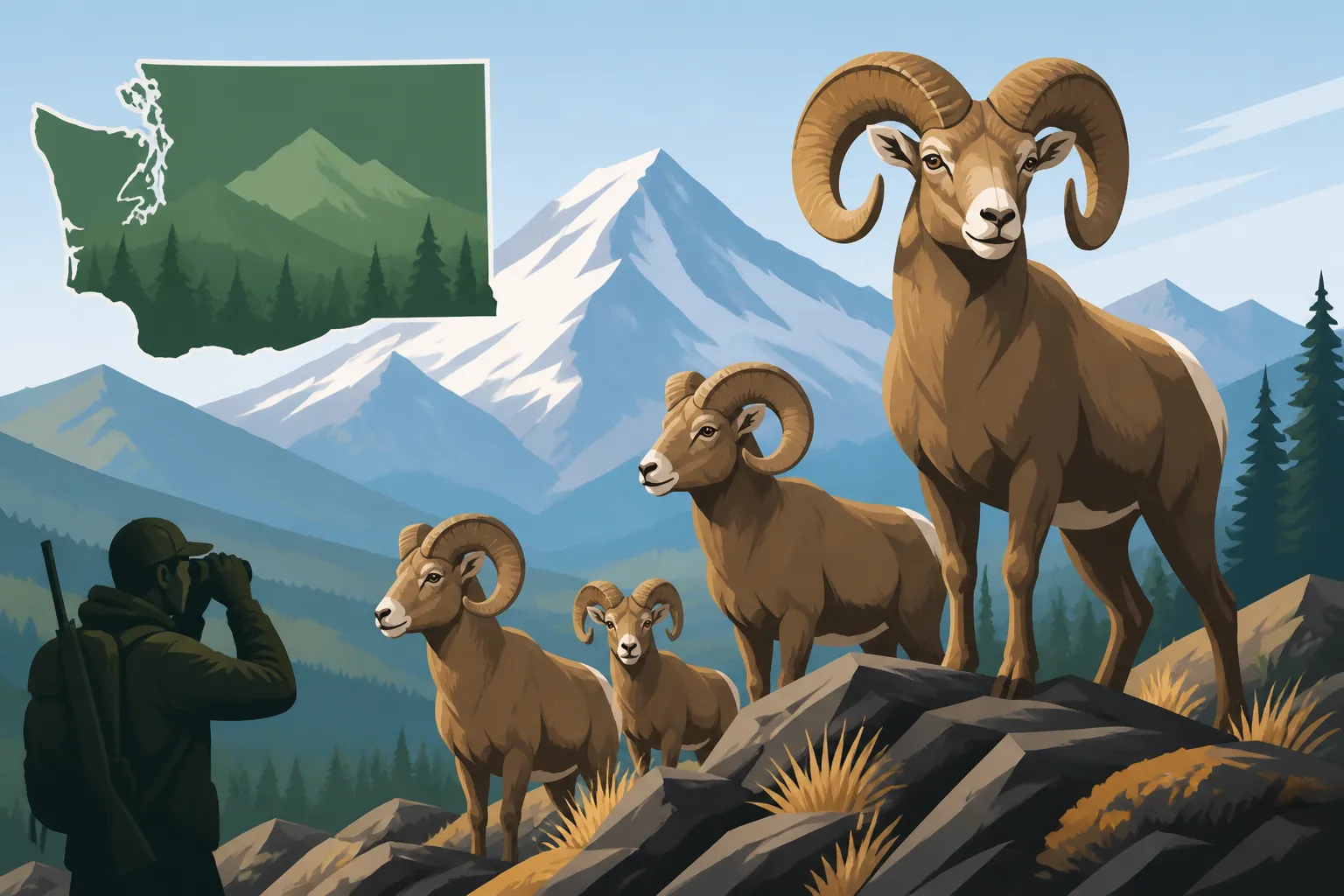
Rocky Mountain Bighorns are truly a sight to behold, immediately recognizable by their impressive, curling horns. Rams, in particular, develop massive, heavy horns that can complete a full curl or even more, tapering to a narrower point than their California cousins. These horns are permanent, growing throughout the animal's life, with growth rings (annuli) that can be counted to estimate their age. Their coat is typically a rich brown, fading to a lighter, almost white rump patch and muzzle, providing excellent camouflage against the rocky slopes and sparse vegetation they call home. Males can weigh between 150 to over 300 pounds, standing around 3 to 3.5 feet tall at the shoulder, while ewes are noticeably smaller, usually weighing 100 to 150 pounds, with more slender, less dramatically curved horns.
Beyond their physical appearance, bighorns exhibit fascinating social and reproductive behaviors. They live in segregated herds for much of the year, with rams forming bachelor groups and ewes, lambs, and juveniles forming nursery herds. This separation breaks down during the rut, typically in late fall or early winter, when rams engage in spectacular head-butting contests to establish dominance and breeding rights. It's a truly primal display of power and endurance, echoing through the canyons and drawing the attention of any fortunate observer. Lambs are typically born in spring, often in incredibly precarious, high-elevation birthing grounds, which offer protection from predators.
Historical Presence and Modern Distribution
Historically, bighorn sheep populations were more widespread across the American West, including parts of Washington, before significant declines due to disease, habitat loss, and unregulated hunting in the late 19th and early 20th centuries. In Washington, the Rocky Mountain Bighorn population was once robust, particularly in the rugged terrain of the Blue Mountains and some of the more northeastern reaches of the state. These animals adapted perfectly to the steep, arid landscapes, utilizing the challenging topography to their advantage.
Today, while still critically important, the distribution of Rocky Mountain Bighorns in Washington is much more localized and fragmented. The Blue Mountains remain a primary stronghold, a testament to the resilience of these animals and dedicated conservation efforts. You might also find smaller, more isolated herds in specific areas of northeastern Washington, often near the Canadian border or in the rugged country associated with the Selkirk Mountains. These herds are carefully managed, and their limited numbers mean that any interaction with them, let alone a hunting opportunity, is exceptionally rare. Factors such as disease outbreaks, particularly pneumonia, have significantly impacted their ability to expand beyond these core areas, making every sub-population precious.
Key Habitats and Preferred Terrain
Rocky Mountain Bighorns are creatures of the high country, thriving in places that would deter most other big game. Their habitat choices are a direct reflection of their survival strategies: access to forage, water, and, most critically, escape terrain. Washington's landscape, particularly on the east side of the Cascades, offers some prime examples of this challenging yet life-sustaining environment.
Rugged Blue Mountains Strongholds
The Blue Mountains, stretching across southeastern Washington and into Oregon, are perhaps the most iconic stronghold for Rocky Mountain Bighorn sheep in our state. This isn't your typical dense timber country; instead, picture incredibly steep, often volcanic canyons that rise sharply to open, windswept ridges. The vegetation is sparse, dominated by native grasses, sagebrush, and scattered pockets of pine or fir, perfectly suited to a bighorn's diet. These animals are agile climbers, and the sheer faces of these canyons provide them with a critical advantage against predators.
Throughout the year, their elevation preferences shift. In the spring and early summer, ewes will often lead their lambs to higher, more inaccessible ledges for safety and access to tender, new growth. As summer progresses and lower elevations dry out, bighorns might move to slightly higher ground or areas with more reliable water sources. In winter, they'll typically descend to lower, south-facing slopes where snowmelt is quicker, exposing crucial forage. The plant communities are vital, with specific bunchgrasses and forbs making up a significant portion of their diet, providing the nutrition needed to grow those impressive horns and sustain lamb production.
Water Sources and Escape Terrain
In the arid and semi-arid regions where Rocky Mountain Bighorns live, water is not just a convenience; it's a lifeline. They don't typically live in areas with abundant streams or lakes. Instead, they often rely on intermittent springs, seeps, and seasonal snowmelt caught in depressions in the rock. These water sources dictate their movements and can be a focal point for activity, particularly during the hot, dry summer months. Hunters and conservationists alike spend countless hours identifying and protecting these precious water points.
Equally critical, if not more so, is the presence of suitable escape terrain. Bighorn sheep are not known for their speed on flat ground, but put them on a sheer rock face, and they are virtually untouchable. Their specially adapted hooves, with hard outer edges and soft, grippy pads, allow them to navigate seemingly impossible inclines and ledges. This terrain provides sanctuary from predators like cougars and coyotes. When disturbed, a bighorn will almost always head for the steepest, most broken ground available, disappearing into the vertical landscape with astonishing speed. Without these steep, rocky havens, their survival rate would plummet. This "vertical safety" also helps regulate their body temperature, offering shade in summer and protection from harsh winds in winter, especially when choosing bedding sites on protected ledges.
Population Dynamics and Herd Health
Understanding the ebb and flow of bighorn populations is a complex dance between biology, environment, and human management. These herds are fragile, susceptible to numerous pressures that can drastically alter their numbers over short periods. For Washington's Rocky Mountain Bighorns, these dynamics are under constant scrutiny.
Population Trends and Current Estimates
The specific population numbers for Washington's Rocky Mountain Bighorn herds are always a bit of a moving target, dependent on the latest surveys by the Washington Department of Fish and Wildlife (WDFW). While exact figures fluctuate year to year, what we do know is that these populations are generally small and isolated, making them particularly vulnerable. For example, some units in the Blue Mountains might hold a few hundred animals, but these are often broken into smaller, distinct bands. Compared to the expansive herds of elk or deer across the state, bighorn numbers are minuscule, which is precisely why drawing a permit is such a long shot.
The factors influencing herd size are numerous. Lamb recruitment – the number of lambs surviving to their first year – is a critical metric. A strong lamb crop indicates a healthy breeding population and good environmental conditions. Conversely, poor lamb survival, often due to predation, harsh winters, or disease, can lead to stagnant or declining numbers. Adult survival is equally important, as mature ewes are the reproductive engine of the herd, and experienced rams are crucial for a successful rut. WDFW employs various techniques, including aerial surveys and ground observations, to monitor these trends, assess herd health, and make informed management decisions regarding limited permit allocations.
The Threat of Disease: Pneumonia
Perhaps the single greatest threat to bighorn sheep populations, both in Washington and across North America, is pneumonia. This isn't just a "cold"; it's a devastating, often fatal disease that can wipe out significant portions of a herd in a very short time. The culprit is typically a bacterial pathogen, Mycoplasma ovipneumoniae (M.ovi), which is often carried asymptomatically by domestic sheep. When bighorns come into contact with domestic sheep, even briefly, the M.ovi can transfer and, in wild sheep, it often triggers severe respiratory disease.
The spread of pneumonia is insidious. Once introduced, it can rapidly move through a bighorn herd, affecting animals of all ages but often being particularly lethal to lambs. A herd might experience a massive die-off, losing 50% or more of its individuals, and even if some survive, they can become chronic carriers, continuing to infect new lambs or other susceptible sheep, leading to years of depressed lamb recruitment. This makes managing disease incredibly challenging. Preventing contact between wild bighorns and domestic sheep is a top priority for wildlife agencies. This often involves controversial measures like grazing allotments and herd separation programs, as highlighted in discussions around topics like Why Domestic Sheep Threaten Bighorns.
Predation and Other Challenges
While pneumonia is a dominant threat, bighorns still face the everyday challenges of the wild, including predation. Cougars are arguably the most significant natural predator of bighorns, possessing the strength and stealth to bring down an adult sheep. Their hunting strategy often involves ambushing from above or below in the broken, steep terrain. Coyotes can also take lambs, especially during the vulnerable first few weeks of life, and in areas where wolf packs are established, they too can pose a threat, though bighorns' escape terrain usually gives them an advantage against wolves.
Beyond disease and predation, bighorn populations contend with other environmental and human-caused challenges. Severe winters with deep, persistent snow can limit access to forage, leading to starvation, especially for lambs and older ewes. Habitat fragmentation, caused by roads, development, or even unsuitable landscape features, can prevent herds from accessing critical seasonal ranges or from connecting with other sub-populations, which can limit genetic diversity. Climate change also plays a role, altering precipitation patterns and vegetation growth, potentially impacting their delicate high-desert ecosystems. WDFW, along with partners like the Wild Sheep Foundation, is actively engaged in Washington Wildlife Disease Surveillance and other conservation efforts to mitigate these numerous pressures.
Hunting Opportunities and Management
For most hunters, drawing a bighorn sheep tag in Washington is the ultimate dream hunt, but it's important to understand just how rare and tightly controlled these opportunities are. Bighorn sheep management in Washington is a masterclass in precision and conservation, reflecting the species' fragile status.
The Permit System and Draw Odds
Let's be blunt: if you're holding out for a general season bighorn tag in Washington, you're going to be waiting a very, very long time. Because of the extremely low population numbers and the critical need for conservation, Washington only offers bighorn sheep hunting through a highly competitive special permit draw. This means you must apply each year for a chance at one of a handful of tags available statewide – and often, there are only one or two for a specific Rocky Mountain Bighorn unit.
The draw odds are astronomically low. We're talking percentages that are well under 1%, often closer to 0.1% or less, depending on the specific unit and species (Rocky Mountain vs. California). You'll find detailed instructions on How to Apply for a Washington Special Hunt Permit in other resources, but the basic idea is you purchase a special hunt application and select your preferred bighorn units. Unlike some states, Washington operates on a random draw system, meaning there are Washington's Random Draw and No Preference Points. This means every applicant, whether it's their first time applying or their thirtieth, has an equal chance each year. This system is equitable but can be incredibly frustrating for those who diligently apply for decades without success. Tools like GoHunt can be invaluable resources for researching historical draw odds and unit performance, helping applicants make informed decisions, though even with the best data, the odds remain incredibly slim. The application window typically opens in April, and you'll want to review your choices carefully.
Ethical Hunting and Conservation Role
Those few hunters fortunate enough to draw a bighorn tag are entrusted with an immense responsibility. Ethical hunting practices are paramount, not just for the individual hunt but for the species' reputation and future. This means meticulous preparation, knowing your rifle and its capabilities inside and out, and being ready to make a clean, ethical shot. Given the rugged terrain and the value of these animals, shot placement is critical. Hunters are often encouraged to aim for a full-curl ram (or specific age classes) as defined by the WDFW regulations for that specific unit, ensuring older, mature animals are harvested while younger, breeding rams continue to contribute to the herd.
The role of hunters in bighorn conservation cannot be overstated. The fees from hunting licenses and special permits directly fund WDFW's wildlife management efforts, including bighorn research, habitat improvement, disease monitoring, and transplant programs. Each harvested animal provides invaluable data to biologists, offering insights into age structure, health, and population dynamics that are otherwise difficult to obtain. Hunters often serve as critical eyes and ears in the field, reporting observations of sick animals or illegal activity, such as in situations requiring Reporting a Limping Elk to WDFW, which can be adapted for bighorns too.
Raffle Permits and Conservation Funding
Beyond the regular special permit draw, there's another, albeit even more exclusive, pathway to a Washington bighorn tag: the conservation raffle permits. These highly coveted permits are typically offered by conservation organizations like the Wild Sheep Foundation, often through national or state chapter banquets and online raffles. The tickets can be expensive, sometimes hundreds of dollars each, but the odds are often slightly better than the WDFW draw, and more importantly, the funds generated are substantial.
The revenue from these raffle permits goes directly back into bighorn sheep conservation projects in Washington. This can include anything from funding critical research into pneumonia vaccines, supporting habitat restoration projects, building guzzlers (artificial water sources) in arid regions, or helping fund transplant operations to establish new herds or augment existing ones. These permits are crucial for raising significant capital for a species that requires intensive management and considerable financial investment. If you're looking for information on these unique opportunities, you might want to explore resources discussing Washington Raffle Permits for Moose, Sheep and Goat. They represent a powerful synergy between dedicated conservationists, generous donors, and the desire to hunt one of North America's most iconic species.
Outlook for Rocky Mountain Bighorns
The future of Rocky Mountain Bighorn sheep in Washington is a story of ongoing challenges and dedicated hope. While their populations are still small and face significant hurdles, persistent conservation efforts offer a glimmer of optimism for these majestic mountain dwellers.
Ongoing Conservation Efforts
WDFW, alongside various non-governmental organizations like the Wild Sheep Foundation and local conservation groups, is deeply committed to the survival and recovery of Washington's bighorn herds. Management plans are comprehensive, focusing on several critical areas. Habitat improvement projects are a continuous effort, often involving prescribed burns to rejuvenate native forage, controlling invasive species, and developing or enhancing water sources. These efforts ensure the sheep have access to the best possible nutrition and living conditions.
Disease mitigation remains a top priority. This involves rigorous testing of bighorns, careful monitoring of wild and domestic sheep interactions, and, in some cases, controversial but necessary strategies like herd separation. Research into pneumonia, its causes, and potential treatments or vaccines is also ongoing, representing a long-term investment in the species' health. Another key strategy is translocation, where sheep from healthy, robust populations are moved to establish new herds in suitable historical range or to bolster the genetic diversity of existing, struggling herds. These are incredibly intensive and expensive operations, but they are vital for expanding the bighorn footprint in Washington.
The Future of Bighorn Hunting in Washington
The delicate balance between conservation and regulated hunting will undoubtedly continue to shape the future of bighorns in our state. While the odds of drawing a tag will likely remain exceedingly low, the continued existence of these limited hunting opportunities is a testament to successful management and provides crucial funding. Hunters, through their license fees and participation in special draws and raffles, contribute directly to the resources needed for bighorn recovery. As populations stabilize or, hopefully, grow, there may be very slight increases in permit allocations, but this will always be done with extreme caution, prioritizing the health and growth of the herds above all else.
The long-term vision for Rocky Mountain Bighorns in Washington is one of resilience and expansion. It involves continued scientific research, collaborative efforts between state agencies, landowners, and conservation groups, and the unwavering dedication of those who cherish these incredible animals. The goal is to see these iconic sheep thrive in their rugged mountain homes, ensuring that the sight of a ram silhouetted against a high ridge remains a possibility for generations to come. It’s a journey that will take time, patience, and a deep understanding of the unique needs of these magnificent creatures.
| Herd Location (Primary) | Current Status (Approximate) | Key Challenges | Conservation Focus |
|---|---|---|---|
| Blue Mountains (SE WA) | Several hundred, fragmented herds | Pneumonia, habitat fragmentation, predation | Disease prevention, habitat restoration, limited permits |
| Selkirk Mountains (NE WA) | Smaller, isolated groups | Disease risk from domestic sheep, habitat connectivity | Transplant opportunities, population monitoring |
| Other Areas | Very limited or sporadic reintroductions | Maintaining genetic diversity, securing suitable habitat | Research into expansion potential |
Disclaimer
The information provided in this article is for general guidance and informational purposes only. Hunting regulations, seasons, and permit availability are subject to change by the Washington Department of Fish and Wildlife (WDFW). Always consult the most current WDFW hunting regulations pamphlet and official WDFW website before planning any hunt. Conditions in the field can vary, and responsible hunters should always prioritize safety and ethical practices.