Bull-to-Cow Ratios in Washington Herds
It can be incredibly frustrating to head out year after year, putting in the miles, only to wonder if you're hunting a healthy, thriving elk herd or one that's struggling to maintain itself. For many Washington hunters, a key indicator of herd health and future hunting potential lies in understanding the elusive bull-to-cow ratio. This guide will peel back the layers on what these ratios truly signify, how they impact your hunting opportunities, and what factors shape them across our diverse Washington landscapes.
Understanding Bull-to-Cow Ratios: Why They Matter to Hunters
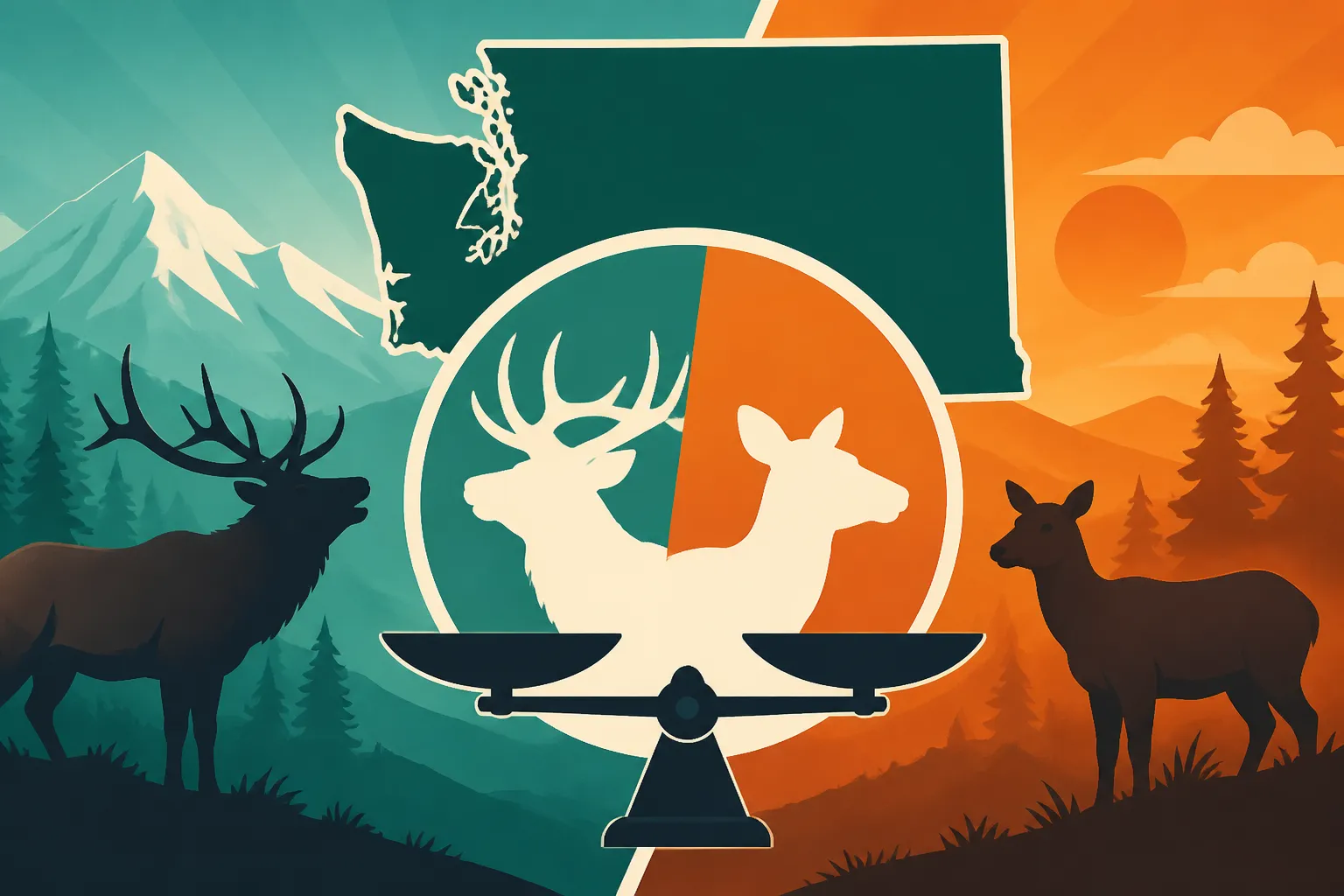
When we talk about bull-to-cow ratios in elk herds, we're really looking at a fundamental metric of herd health and reproductive success. It's not just a statistic for wildlife biologists; it's a window into the future of our elk populations and directly influences the quality of our hunting seasons. For us as hunters, these numbers tell a story about balance, opportunity, and the challenges elk face.
The Biological Significance of Balanced Ratios
Imagine a herd with too few mature bulls. It sounds simple, but the biological implications are profound. When there aren't enough bulls, especially prime breeding-age bulls, to cover all the cows during the rut, some cows might not get bred or might be bred later in the season. This isn't just a minor inconvenience; it can lead to calves being born later in the spring, which means those calves have less time to grow and put on weight before the harsh winter sets in. A smaller, weaker calf is far more vulnerable to predation and less likely to survive its first winter, directly impacting the herd's overall recruitment. A strong bull-to-cow ratio ensures timely breeding, robust calf crops, and the propagation of diverse genetics within the herd, which is crucial for long-term resilience against disease and environmental changes. A healthy spread of age classes among bulls also means better competition and stronger genes being passed on.
Hunter Opportunity and Management Goals
For those of us meticulously planning our seasons, poring over maps, and dreaming of bugling bulls, bull-to-cow ratios are more than just biology—they're about opportunity. Wildlife agencies like the Washington Department of Fish and Wildlife (WDFW) use these ratios as a cornerstone for setting annual hunting seasons and allocating special permits. If a particular Game Management Unit (GMU) shows a healthy or even high bull-to-cow ratio, it often translates into more general season tags, more special permit opportunities for branch-antlered bulls, or even additional second-season chances. Conversely, a unit with a low ratio might see more restrictive regulations, such as spike-only rules, shorter seasons, or fewer permits, all aimed at protecting young bulls and allowing them to mature. It's a careful balancing act, and these ratios are a critical tool in managing the delicate equilibrium between providing hunting recreation and ensuring sustainable elk populations. Understanding these metrics is vital when you're looking into something like Washington Special Hunt Permits and How to Apply, as the underlying health of the herd, as reflected in these ratios, dictates what permits are available.
Factors Influencing Washington's Bull-to-Cow Ratios
So, what exactly tips the scales one way or another when it comes to bull-to-cow ratios in Washington's diverse landscapes? It's a complex interplay of human activity, natural pressures, and environmental conditions. As hunters, recognizing these factors helps us appreciate the challenges wildlife managers face and how our own actions fit into the larger picture.
Hunting Pressure and Harvest Strategies
Undoubtedly, hunting pressure is one of the most significant factors influencing bull-to-cow ratios. Our seasons are designed with these ratios in mind, but the sheer number of hunters and the type of tags available can drastically shift the numbers. General season hunts, especially those allowing for "any bull" harvest, naturally put more pressure on the bull segment of the population, often leading to lower bull-to-cow ratios in those areas compared to units with more restrictive tags. Spike-only units, for instance, are a direct management tool used to protect mature bulls, allowing them to age and contribute to breeding for more seasons. This strategy aims to ensure a healthy older age class of bulls, even if it means hunters in those units pass on many younger animals. The weapon choice you make, too, can sometimes play a role. For example, if you're considering Choosing a Weapon Season for a Washington Elk Tag, understand that modern firearm seasons tend to be shorter and occur when elk are more concentrated, which can lead to higher bull harvest rates compared to the extended, more dispersed archery seasons. It's not just about how many bulls are taken, but which ones, and how those harvest numbers accumulate over time.
Predation, Habitat, and Environmental Stressors
Beyond human hunters, elk face a host of natural challenges that impact their numbers and, consequently, their bull-to-cow ratios. Wolves, for example, are efficient predators that target both calves and vulnerable adult elk, including bulls. While their impact is part of a natural ecosystem, increased wolf populations can certainly add pressure, especially on younger bulls or those weakened by other factors. Black bears and cougars also play a role, particularly in calf predation, which affects the overall recruitment into the herd, meaning fewer young bulls to replace older ones.
Habitat quality is another critical piece of the puzzle. Areas with abundant, high-quality forage and secure cover can support healthier, more robust elk, including a higher survival rate for calves and young bulls. Conversely, degraded habitat or areas with limited winter range can lead to increased stress, disease, and higher mortality rates. Diseases, such as the persistent hoof disease seen in parts of western Washington, can disproportionately affect certain age classes or sexes, indirectly impacting ratios. The devastating effects of Elk Hoof Disease in Western Washington on animal mobility can make elk more susceptible to predation or simply unable to access vital resources, leading to higher mortality rates, which naturally impact the herd structure. When we talk about Elk Calf Survival and Predation, it’s often these cumulative stressors that determine how many calves grow up to be bulls that contribute to a healthy ratio.
Regional Differences: Washington's Diverse Elk Herds
Washington is a big state with vastly different landscapes, and what works for one elk herd might not for another. This diversity means that bull-to-cow ratios aren't uniform across the state; they tell unique stories depending on whether you're east or west of the Cascades, or even within specific GMUs.
Eastside Rocky Mountain Elk Ratios
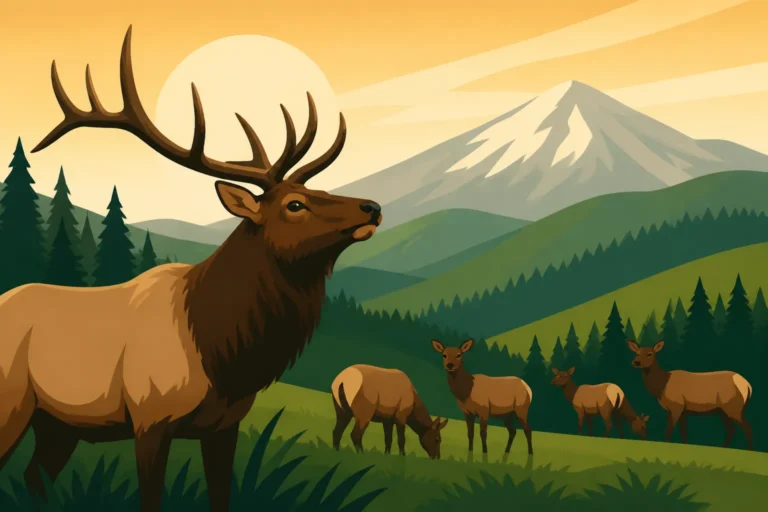
When you venture east of the Cascade crest, into the vast, often more open country that our Rocky Mountain Elk call home, you'll generally find different dynamics. Herds like the Yakima Elk Herd or the Colockum Elk Herd often exhibit relatively higher bull-to-cow ratios compared to their western counterparts. This isn't accidental; it's a result of management strategies that often include more restrictive "any bull" tags, a greater emphasis on limited-entry special permits for mature bulls, and terrain that, while still rugged, can sometimes allow for better dispersal and evasion from hunters. The sheer scale of these landscapes can also contribute, offering more places for bulls to seek refuge. Hunters often have to work harder, using techniques like glassing vast areas, but the reward can be a chance at an older, more mature bull. These higher ratios ensure robust breeding and often lead to more consistent calf recruitment, which is vital for maintaining a strong population in these dynamic environments.
Westside Roosevelt Elk Ratios
Now, shift your focus to the west side, into the dense, mossy rainforests and thick timber where Roosevelt Elk thrive. Here, the story of bull-to-cow ratios is often quite different. Due to the challenging terrain, lower visibility, and different hunting pressures—often more general season "any bull" tags in certain areas—you'll typically find lower bull-to-cow ratios. It's incredibly tough for WDFW to conduct accurate aerial surveys in such dense cover, making precise counts a real challenge. The hunting style itself is different; it's less about spotting a bull from a mile away and more about Still-Hunting Blacktails in Wet Washington Brush or patiently calling a bull out of the dark timber. Lower ratios don't necessarily mean an unhealthy herd, but it does mean fewer mature bulls relative to cows. Management efforts might lean towards specific antler restrictions, like Washington's Three-Point Minimum Units, to give younger bulls a chance to survive and contribute to the breeding pool before being harvested. This balance is tricky, and hunters in western Washington often become experts at finding those elusive mature bulls in their challenging habitat. Many resources, including mapping tools from services like GoHunt, can help hunters analyze historical harvest data and unit-specific regulations to try and identify areas with better opportunities for mature bulls, even if the overall ratio is lower.
How WDFW Monitors and Manages Ratios
Understanding these ratios is one thing, but actively managing them requires robust data collection and responsive policy adjustments. The Washington Department of Fish and Wildlife (WDFW) plays a crucial role in this, using a variety of methods to keep tabs on our elk herds and adapt hunting seasons accordingly.
Data Collection and Aerial Surveys
Getting an accurate count of elk, especially distinguishing between bulls and cows, is far from simple in Washington's vast and varied terrain. WDFW employs several techniques to gather this vital information. Aerial surveys, often conducted from helicopters in late winter when elk are more concentrated and easier to spot against snow, are a primary method. Biologists fly specific transects, meticulously counting animals and classifying them by sex and age whenever possible. This is particularly effective in the more open landscapes of eastern Washington. However, as any hunter who's spent time in the thick westside timber knows, counting elk from the air there can be like finding a needle in a haystack. So, supplemental methods like ground observations, trail camera data, and even hunter harvest reports (which are mandatory) contribute to the overall picture. These challenges highlight just how complex the process of How WDFW Counts Big Game truly is. While no method is perfect, combining these data points allows WDFW to develop estimates that guide their management decisions. GoHunt can be a powerful tool here for hunters, offering unit-specific harvest statistics and success rates that, while not directly bull-to-cow ratios, can give an indication of bull availability and herd density in a given GMU.
Adjusting Seasons and Permits
Once the data is collected and analyzed, WDFW uses these bull-to-cow ratios, along with other herd health indicators, to make critical decisions about future hunting seasons. This includes everything from the number of special permits allocated for specific units, to the length of general seasons, and even the implementation or removal of antler restrictions. For example, if a specific unit's bull-to-cow ratio drops below a healthy threshold, the department might reduce the number of "any bull" tags or introduce a temporary spike-only rule to allow young bulls to mature. Conversely, if ratios are robust and stable, they might expand hunting opportunities or offer more permits for mature bulls.
It's a delicate balancing act designed to provide maximum recreational opportunity for hunters while ensuring the long-term sustainability and health of the elk population. This continuous adjustment process is why it’s so important to check the hunting regulations pamphlet every year, as things can change based on the latest herd data. This management directly affects the distinctions and availability of Washington General Season Versus Special Permit Hunts, influencing how and where you can pursue elk in our beautiful state. The goal is always to maintain a healthy age structure within the bull population, allowing enough bulls to reach maturity to contribute to breeding and offer quality hunting experiences.
Here's a simplified look at typical differences in bull-to-cow ratio characteristics between Eastside (Rocky Mountain) and Westside (Roosevelt) elk herds in Washington:
| Characteristic | Eastside Elk Herds (Rocky Mountain) | Westside Elk Herds (Roosevelt) |
|---|---|---|
| Typical Bull-to-Cow Ratio | Often higher (e.g., 20-30+ bulls per 100 cows) | Often lower (e.g., 10-20 bulls per 100 cows) |
| Primary Management Goal | Maintain older age-class bulls, quality hunting | Sustain herd numbers, manage general harvest |
| Dominant Harvest Strategy | More limited-entry, special permits, spike rules | More general season "any bull" (historically) |
| Terrain & Visibility | More open country, easier aerial counts | Dense timber, challenging aerial counts |
| Hunter Success Rate for Bulls | Can be higher for permit holders, but competitive | Variable, often requires intensive effort |
| Impact of Predation | Influenced by wolf presence in some areas | Bears and cougars prevalent, dense cover aids prey |
Disclaimer
This article is for general informational purposes only and does not constitute professional advice. Laws, prices and regulations vary by location and change over time. Consult a qualified professional for guidance on your specific situation.