When Washington Elk Calves Drop
One of the most exciting, yet often overlooked, times in the elk woods isn't during the rut or even hunting season itself, but the spring when new life emerges. Many aspiring hunters and seasoned observers alike ponder the precise timing of when Washington's elk calves drop, wondering how these vulnerable newborns survive and what factors dictate their arrival. This guide will meticulously break down the typical calving windows across Washington, exploring the environmental influences at play, the critical early survival challenges, and how understanding this annual cycle can deepen your appreciation for these magnificent animals.
Understanding the Washington Elk Calving Season
The arrival of new elk calves is a symphony of nature, timed almost perfectly to coincide with the flush of green vegetation that provides both cover and vital nutrition for the nursing cows. While there's always a slight variation from year to year, understanding the general timeframe for when these little bundles of spotted joy make their appearance is key to appreciating the cycle of life in the wild. It's not just a single day on the calendar, but rather a concentrated period where most of the year's offspring will join the herd.
For those of us who spend a lot of time thinking about elk, knowing the calving schedule can really help paint a fuller picture of the herd dynamics. It informs our understanding of everything from herd health to migratory patterns. It’s a powerful reminder that the animals we pursue in the fall are products of a successful spring, facing challenges from the moment they are born.
The Peak Window: When Most Calves Hit the Ground
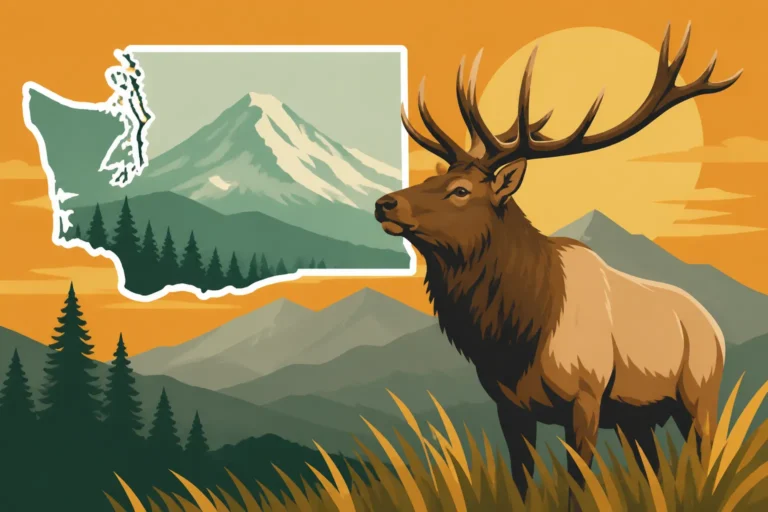
In Washington, the vast majority of elk calves are born between late May and mid-June. Think of it as a busy four-week stretch where the cow elk are doing their vital work. This timing is critical because it aligns with the emergence of lush, nutrient-rich forage that the cows absolutely need to recover from pregnancy and produce high-quality milk for their rapidly growing calves. Imagine a cow, having carried a calf through the lean winter months, finally getting access to abundant, tender new growth – it’s a biological imperative.
During this peak window, cows will often seek out secluded, dense cover away from the main herd to give birth. This isolation helps protect the vulnerable newborn from predators and allows the critical bonding period to occur without disturbance. They might only be a hundred yards off a well-traveled trail, or deep in a thicket you'd never dream of busting through, but they prioritize security above all else for those first few days. It's a testament to their instinctual drive to ensure the survival of their offspring.
Regional Differences: Eastside vs. Westside Calving
While the late May to mid-June window is a solid general guideline, Washington's diverse landscape means there can be subtle differences in calving timing between the dryer, high-desert areas east of the Cascades and the wetter, denser forests of Western Washington. These differences are primarily driven by local climate and the availability of prime forage.
On the eastside, where we find the Rocky Mountain Elk of Eastern Washington, green-up can sometimes lag behind the west, especially at higher elevations or after a particularly harsh winter. This might push the peak calving period a week or two later in some areas, or it could happen quite rapidly once the snow recedes and warmth arrives. Think of the sprawling landscapes around the Yakima Elk Herd or the Colockum Elk Herd; the timing of that first real flush of green in the spring dictates much. Conversely, the Roosevelt Elk of Western Washington, residing in the often-soggy, thick coastal forests, might see a slightly earlier or more drawn-out calving period due to a less dramatic shift in seasonal forage availability. The constant moisture means a more consistent, albeit often slower, green-up compared to the explosive growth you see in some eastern wheat fields or mountain meadows.
Factors Influencing Calf Drop Timing
Nature is rarely an exact science, and while we have a general window for elk calving, several critical factors can shift the timing by days, or even weeks. These aren't arbitrary changes; they are finely tuned responses by the elk to their environment, all designed to maximize the chances of calf survival. For hunters and wildlife enthusiasts, understanding these nuances adds another layer of appreciation for the resilience of these animals and the complex ecosystems they inhabit.
Think of it like predicting spring planting dates for farmers; while there's a usual time, an unseasonably cold spell or an early warming trend can push everything forward or back. Elk operate on a similar biological clock, sensitive to the cues around them.
The Role of Winter Severity and Spring Green-Up
The severity of the preceding winter is perhaps the most significant influencer on when calves drop. A long, harsh winter with deep snow can delay spring green-up, meaning the nutritious forage that cows need for birthing and nursing arrives later. When the land is still covered in snow, or the new growth is sparse, the cows' bodies conserve energy, and fetal development might slow slightly, pushing back the birth date. It's a survival mechanism: why bring a calf into the world if there isn't enough food to support it and the mother? This connection is clear when you consider how Mild Winters and Washington Elk Numbers can impact overall herd health.
Conversely, a mild winter followed by an early, warm spring can accelerate the process, bringing calves a bit earlier in the season. The immediate flush of lush grasses and forbs provides the energy and nutrients necessary for gestation and lactation, giving the cows a head start. This vital link between winter conditions and spring forage is why changes in Snowpack Effects on Elk Survival are always a topic of intense discussion among wildlife biologists and hunters alike. The healthier the mothers are coming out of winter, the more likely they are to have a successful calving season right on schedule.
Herd Health and Nutritional Impact on Calving
Beyond the weather, the overall health and nutritional status of the cow herd play a direct role in calving timing. A herd that is well-fed and healthy throughout the year, with access to quality forage, tends to calve more predictably and within a tighter window. These cows have the energy reserves and nutrient intake to carry their calves to term efficiently. For instance, if you are looking into applying for special permits, places with historically good forage and lower pressure might have healthier cows overall, leading to more consistent calving.
However, if a herd has been under stress—perhaps due to poor forage availability, high population density, or persistent disease like elk hoof disease—cows may be in poorer condition. Poor nutrition can lead to delayed conception in the fall, which naturally pushes back the calving date in the spring. Malnourished cows might also give birth to weaker calves, or even abort fetuses, though this is less common. This delicate balance highlights the importance of habitat management and why agencies like WDFW constantly monitor herd health and forage conditions to ensure the long-term vitality of Washington's elk populations.
The Critical First Weeks: Calf Survival and Predation
Once an elk calf hits the ground, the clock starts ticking on a very fragile period. Those first few weeks are absolutely critical for survival, a time when they are most vulnerable to the myriad dangers of the wild. Understanding what these tiny elk face immediately after birth helps us grasp why nature has orchestrated the calving season to occur when it does, maximizing every possible advantage for the newborns.
It's a marvel to witness the rapid development and instinctual behaviors of these calves, designed to help them evade predators and integrate into the herd as quickly as possible. Every spot on their coat and every moment of stillness is a survival tactic.
Vulnerability to Predators in Early Life
Newborn elk calves are essentially tiny, spotted meals for a wide range of predators. Their initial defense mechanism is often camouflage and stillness. Their spotted coats help them blend into the dappled light of the forest floor, and their natural instinct is to lie motionless, relying on their mother's distant presence and their own lack of scent to avoid detection. This strategy is surprisingly effective, but far from foolproof. Predators like bears, coyotes, and, increasingly, Washington Wolf Pack Numbers, are constantly on the prowl for vulnerable prey. The impact of these predators on the herd, especially young calves, is a critical part of the ecosystem, as detailed in discussions around Wolf Impact on Elk and Deer.
The sheer volume of calves dropping within a relatively short window (our peak window from late May to mid-June) is also a form of defense, known as "predator satiation." If all the calves are born at once, predators have more targets than they can possibly consume, increasing the odds that any individual calf will survive. It’s a numbers game, and the elk play it well by overwhelming the local predators for a brief, intense period. This intense period means that while any single calf is at high risk, the herd as a whole benefits from many surviving.
Mother-Calf Bonding and Protection Strategies
Immediately after birth, a strong, undeniable bond forms between the cow and her calf. This bond is fundamental for the calf's survival. The cow will clean her calf thoroughly, encouraging it to stand and nurse, and memorizing its scent and vocalizations. For the first few days, she will keep her calf hidden, often returning only to nurse it, trying not to draw attention to its precise location. This initial isolation phase is paramount.
As the calf gains strength, typically within a week or two, the cow will gradually introduce it back into a nursery group with other cows and their calves. These nursery herds offer a collective defense, with multiple sets of eyes and ears to detect threats. A cow's protective instincts are incredibly fierce, and she will aggressively defend her calf from perceived dangers, often charging or stomping at predators to drive them away. This unwavering dedication ensures that even after the initial hiding phase, the calf continues to benefit from its mother's vigilance and the communal protection of the herd. This maternal care is a significant factor in Elk Calf Survival and Predation.
What This Means for Hunters and Wildlife Enthusiasts
Understanding when Washington elk calves drop isn't just a piece of trivia for wildlife enthusiasts; it's a valuable insight that can inform scouting strategies, improve wildlife viewing experiences, and reinforce ethical practices in the field. For those of us who spend countless hours pouring over maps and planning our next adventure, this knowledge provides a deeper connection to the animals and their life cycles.
Whether you're looking to spot some new life in the spring, or better understand herd movements for a fall hunt, knowing the calving schedule empowers you with crucial context. It’s about appreciating the journey these animals take, from their first wobbly steps to becoming the magnificent creatures we pursue.
Observing Elk Behavior During Calving Season
If you're out in the woods during late May and June, keeping the calving season in mind can help you interpret elk behavior. You might notice cows that are particularly jumpy or secretive, often moving away from main trails or seeking out dense pockets of cover. If you encounter a lone cow behaving cautiously, it's very possible she has a hidden calf nearby. It’s a good reminder to give all wildlife, especially during sensitive times, plenty of space.
You'll also notice a general quietness in the elk woods, as the boisterous bugling of the rut is a distant memory. The focus is on survival and nurturing. For anyone doing some early season E-Scouting Washington GMUs Before the Draw, remember that many of these prime calving areas often coincide with good hunting grounds later in the year, as cows will bring their calves to areas with ample forage and cover. Seeing fresh sign or even spotting a cow during this time can give you clues for what areas to focus on in the fall, thinking about how they might be using the landscape as the calves grow.
Ethical Considerations and Avoiding Disturbance
This period demands our utmost respect and ethical consideration. Disturbing a cow and her calf can have serious consequences, potentially causing the cow to abandon her calf, especially if the bonding period hasn't fully solidified. It's crucial to resist the urge to approach, touch, or interfere with a seemingly abandoned calf. More often than not, the mother is close by, observing from a distance, waiting for you to leave. If you believe a calf is truly in distress or abandoned, the correct course of action is always to contact the Washington Department of Fish and Wildlife (WDFW) and let professionals handle the situation. They track population data and the success of various herds, and understanding When Washington Elk Calves Drop helps them in their conservation efforts and in documenting how WDFW Counts Big Game.
When planning any spring recreational activities in elk country—be it hiking, shed hunting, or early scouting—be mindful of this sensitive time. Give elk a wide berth, especially lone cows. Your presence can cause undue stress, forcing cows to expend valuable energy they need for nursing. Enjoy the wild from a respectful distance, and appreciate the incredible cycle of life unfolding before you. For further details on season dates and regulations that indirectly relate to these sensitive periods, always check the Washington Big Game Pamphlet Release. This commitment to ethical observation ensures that future generations of hunters and wildlife enthusiasts will continue to experience the magic of Washington's elk.
Here's a quick reference for general elk calving periods in Washington:
| Region | Typical Calving Window | Peak Activity | Key Influencers |
|---|---|---|---|
| Western Washington | Late May – Mid June | First two weeks of June | Consistent green-up, dense cover |
| Eastern Washington | Late May – Mid June | Second two weeks of June | Snowmelt timing, rapid forage growth |
| High Elevations (East) | Early June – Late June | Mid June | Extended winter, later green-up, snowpack |
Disclaimer
This article is for general informational purposes only and does not constitute professional advice. Laws, prices and regulations vary by location and change over time. Consult a qualified professional for guidance on your specific situation.