Washington Black Bear Population Size
It can feel like a real mystery trying to pin down exactly how many black bears are roaming Washington's vast landscapes. As hunters, we're often wondering about population health, density in our favorite units, and whether the numbers are stable. This guide is here to unravel some of that mystery, giving you a comprehensive look at how Washington's black bear populations are estimated, what influences their numbers, and what that means for both the bears and those of us who pursue them.
Understanding Washington's Black Bear Population Estimates
Figuring out the exact number of black bears in Washington isn't like counting cars in a parking lot. These animals are notoriously shy, often solitary, and thrive in dense, rugged terrain, making them incredibly difficult to survey accurately. However, the Washington Department of Fish and Wildlife (WDFW) employs a variety of methods to arrive at informed estimates, which are crucial for setting seasons and managing the species responsibly.
The Challenges of Counting Bears
Imagine trying to count shadows in a forest – that's often what it feels like for wildlife biologists trying to get a handle on black bear numbers. Their elusive nature is the primary challenge. Bears don't stand still for headcounts. They cover vast territories, especially larger males, and blend seamlessly into the diverse habitats of Washington, from the thick rainforests of the Olympic Peninsula to the dry, broken lands east of the Cascades. Traditional methods like aerial surveys, which work well for elk or deer in open country, are largely ineffective for bears hidden under dense canopy. This means biologists have to get creative, often relying on indirect methods that provide estimates rather than absolute counts.
Another significant hurdle is their seasonal behavior. Bears den up for a portion of the year, making winter counts impossible. Their activity patterns change with food availability, weather, and breeding cycles, adding layers of complexity to any consistent survey effort. Plus, bears can look surprisingly similar, making individual identification in the wild a tough task without specific markers.
Current Population Trends and Estimation Methods
Despite these challenges, WDFW works diligently to monitor trends and provide the best possible population estimates. They primarily use a combination of research methods, including DNA analysis from hair snags, mark-recapture studies, and harvest data. Hair snagging involves setting up barbed wire corrals around bait sites. As bears crawl over the wire to get to the bait, they leave behind hair samples. These samples are then analyzed for DNA, which can identify individual bears and help estimate population densities in a given area. This type of intensive research offers a scientific glimpse into localized numbers, which are then extrapolated across larger, similar habitats.
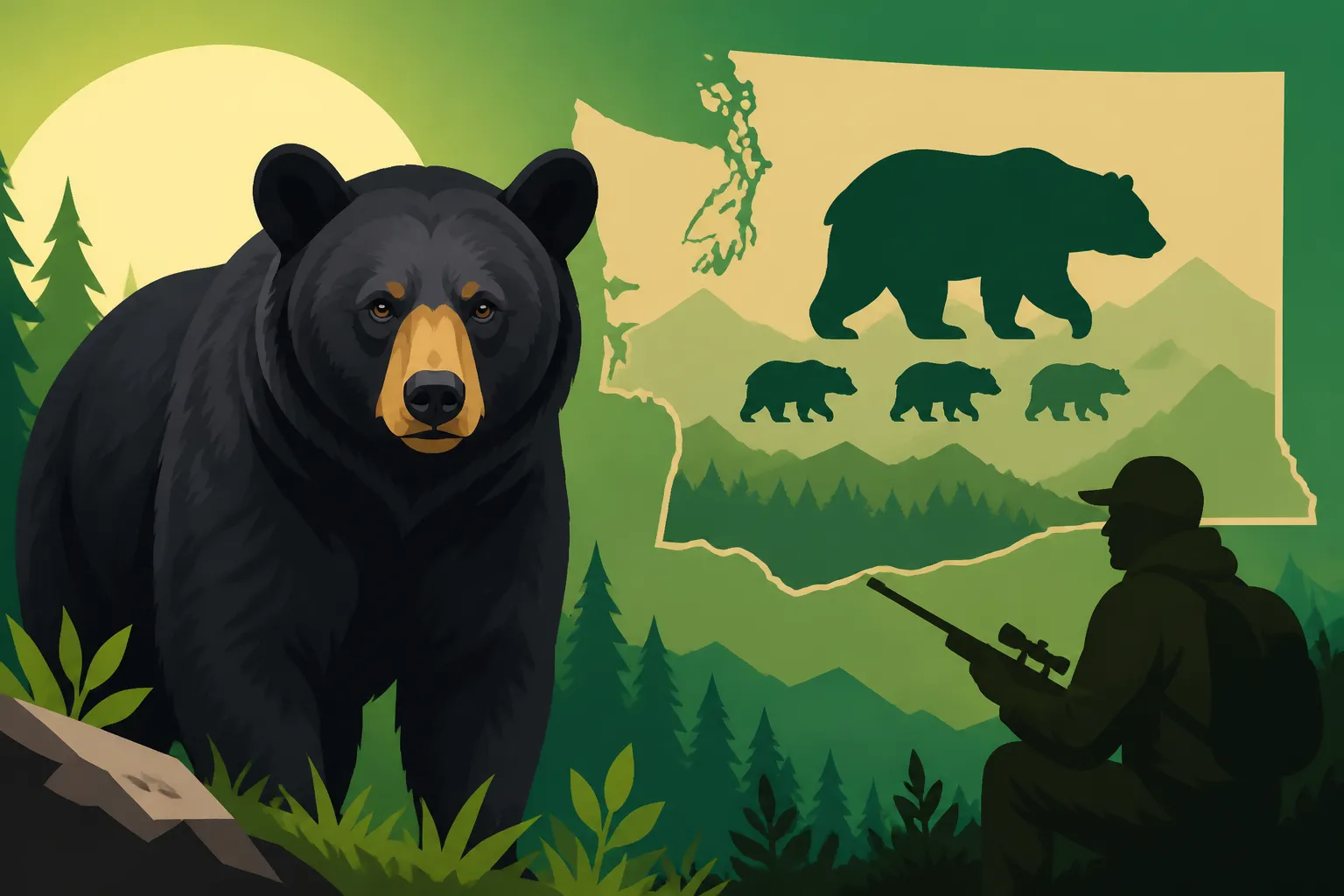
General population estimates for Washington typically place the black bear population in the range of 25,000 to 30,000 bears. These numbers suggest a healthy, stable population statewide, though densities can vary significantly from one Game Management Unit (GMU) to another. While direct, real-time counts are impossible, these robust methods allow WDFW to track whether populations are growing, shrinking, or remaining stable over time, informing management decisions. For hunters, understanding these trends is vital. Platforms like GoHunt, for instance, often compile WDFW data, allowing you to cross-reference general population information with specific harvest statistics for different GMUs, which can be an invaluable tool when you're planning your next hunt and trying to discern Where Washington's Biggest Bears Live.
Factors Influencing Black Bear Numbers
Black bear populations are not static; they fluctuate based on a complex interplay of environmental factors, food availability, and human interactions. Understanding these influences helps us appreciate the resilience of these animals and the challenges of managing them effectively.
Habitat and Food Availability
The availability of suitable habitat and a consistent food supply are arguably the most critical factors governing black bear numbers. Washington's diverse ecosystems provide a rich buffet for bears, but the quality and quantity of these food sources can vary year to year and region to region. On the west side of the Cascades, lush forests provide abundant berries (huckleberries, salmonberries, blackberries), acorns, and various plant matter. Historically, salmon runs were also a significant food source. East of the Cascades, bears rely more on fruit trees, serviceberry, chokecherry, and other high-country forage, as well as agricultural crops that can sometimes draw them into conflict with humans.
Good "mast years" – years with abundant nut and berry production – often correlate with higher cub survival rates and healthier bears going into denning season. Conversely, poor mast years can lead to increased bear movements in search of food, sometimes bringing them into closer contact with human settlements, or leading to lower reproductive success. Clear-cuts, while sometimes controversial, can also create excellent foraging opportunities as new growth (like grasses and berries) flourishes, making them prime spots for Spotting Bears on Avalanche Chutes or in regenerating timber. However, extensive habitat fragmentation due to logging or development can isolate populations and reduce overall carrying capacity.
Reproduction and Survival Rates
Black bears typically reach reproductive maturity between three and five years of age. Females (sows) usually give birth to one to three cubs every two to three years. Litter size and frequency are heavily influenced by the sow's health and food availability. In years with ample forage, sows tend to be healthier, have larger litters, and may even breed more frequently. Cubs are born in the den during winter and stay with their mother for about 1.5 to 2 years, learning essential survival skills.
Cub survival is precarious. Predation by other bears, cougars, or even coyotes, along with accidents or starvation, can significantly reduce cub numbers. Understanding Sows With Cubs and the Legal Line is crucial for hunters, as taking a sow with cubs is illegal and can negatively impact local populations. Harsh winters, disease, and road mortality also play a role in overall survival rates. While black bears are not currently facing significant disease outbreaks that impact their overall population on a statewide scale, localized issues can occur.
Human-Bear Conflicts and Management
As human populations expand and encroach on bear habitat, conflicts inevitably arise. Bears are incredibly adaptable, and some learn to associate humans with easy food sources, leading to problems like raiding garbage cans, bird feeders, or even campsites. These conflicts often result in bears being relocated or, unfortunately, euthanized. WDFW actively manages these situations, often employing deterrents and public education campaigns to minimize interactions and keep both humans and bears safe.
Management strategies also include setting hunting seasons and harvest limits. Regulated hunting is a primary tool for maintaining healthy bear populations, helping to manage numbers, and reducing conflicts. WDFW's goal is to ensure sustainable harvest while maintaining robust bear populations across the state. This balance is carefully considered when setting Washington Black Bear Season Dates and establishing harvest guidelines for specific GMUs. Hunters contribute valuable data through mandatory harvest reporting, which helps WDFW track population health and distribution.
Regional Differences and Hunting Implications
Washington is a state of incredible ecological diversity, and this diversity profoundly impacts where black bears thrive and how their populations are managed across different regions. What you see on the west side of the Cascades can be quite different from the east, and these distinctions are important for both understanding the bears and planning a hunt.
Eastside vs. Westside Bear Densities
The Cascade Mountain Range acts as a natural divide, creating two distinct ecosystems with varying bear densities and characteristics.
Western Washington:
- Habitat: Dominated by dense conifer forests, temperate rainforests, and abundant undergrowth (salal, huckleberry, devil's club). This environment provides excellent cover and a consistent supply of berries and mast crops.
- Density: Generally higher bear densities are found in Western Washington, particularly in the coastal ranges and lower Cascades. The consistent moisture and rich vegetation support more bears per square mile. These bears, particularly the Roosevelt elk-sharing habitat, often have darker, glossier coats.
- Behavior: Bears on the west side are often harder to spot due to the thick cover, making still-hunting or methodical spot-and-stalk in clear-cuts more common. They might be more accustomed to human presence in some areas due to logging activity, but remain largely elusive.
Eastern Washington:
- Habitat: Ranges from the open ponderosa pine forests and sagebrush steppe of the Columbia Basin to the rugged, timbered mountains of the Northeast. Food sources include wild fruits, agricultural crops, and drier forest mast.
- Density: Bear densities tend to be lower and more dispersed in Eastern Washington, especially in the drier regions. However, areas like the Selkirk Mountains and Blue Mountains can hold good numbers.
- Behavior: Bears in Eastern Washington may be more visible in open country, especially in the early morning or late evening, feeding on brushy hillsides or in clearings. The landscape can lend itself more to glassing and longer-range spot-and-stalk tactics. Hunters often encounter Cinnamon and Brown Phase Black Bears here, adding a beautiful variation to the hunting experience.
Recognizing these regional differences is key. A strategy that works for Spot-and-Stalk Bear Hunting in Washington Without Bait in a dense westside forest might need significant adjustments for the more open slopes of the east. This table highlights some general distinctions:
| Feature | Western Washington Black Bears | Eastern Washington Black Bears |
|---|---|---|
| Habitat Type | Dense conifer forests, rainforests, heavy undergrowth | Ponderosa pine, sagebrush, mixed conifer, open slopes |
| Primary Food | Berries (huckleberry, salmonberry), acorns, herbaceous plants | Wild fruits (serviceberry, chokecherry), agricultural crops, mast |
| Population Density | Generally higher | Generally lower, more dispersed |
| Visibility | More elusive, harder to spot due to thick cover | Can be more visible in open country, especially at dawn/dusk |
| Common Coat Color | Predominantly black, dark brown | Black, but cinnamon and brown phases more common |
| Key Challenges | Thick cover, heavy rainfall, difficulty of tracking | Hot, dry conditions, vast open areas, finding water sources |
Hunter Harvest and Management Goals
Hunter harvest plays a critical role in WDFW's bear management program. Each year, thousands of bear tags are sold, and hunters contribute valuable data through mandatory harvest reporting. This information—including the location of the harvest, sex, and often weight or age—helps biologists refine their population estimates and monitor the health of specific bear populations. WDFW uses this data, combined with other research, to set bag limits, season lengths, and even close certain areas if harvest quotas are met or if a particular GMU's population needs a reprieve.
The overall goal is a sustainable take, meaning a harvest that does not jeopardize the long-term health and viability of the black bear population. This approach recognizes that hunting is not just a recreational activity but a vital tool for wildlife management, helping to balance bear numbers with habitat carrying capacity and reduce conflicts with human interests, such as preventing Bear Damage to Timber Plantations. When considering your hunt, platforms like GoHunt provide valuable tools to analyze past harvest success rates in various GMUs, helping you choose an area with a higher likelihood of success.
Responsible Bear Hunting and Conservation
As hunters, we are critical stewards of Washington's wildlife. Responsible bear hunting goes beyond just following the rules; it encompasses ethical practices, respect for the animal, and a commitment to conservation. This means accurate Judging Bear Size at Distance to ensure you're harvesting a mature bear, not taking sows with cubs, and quickly and efficiently field dressing your animal to ensure the meat is salvaged, especially if you're out there during Washington Black Bear Season Opening Date, when temperatures can still be warm.
Our license and tag fees directly fund WDFW's conservation efforts, including bear research, habitat management, and enforcement. By participating in regulated hunting and adhering to best practices, we contribute to the health of Washington's black bear population for future generations. Moreover, understanding their habits, like What Bears Eat in Spring or When Washington Bears Den, allows us to hunt more ethically and effectively, connecting us deeper with the natural world.
Disclaimer
This article is for general informational purposes only and does not constitute professional advice. Laws, prices and regulations vary by location and change over time. Consult a qualified professional for guidance on your specific situation.