Sharp-Tailed Grouse Status in Washington
It's incredibly frustrating when you hear whispers about certain game birds in Washington, like the sharp-tailed grouse, but then can't seem to find any clear information about hunting them. You see their distinct tail feathers in old photos or read about them in historical accounts, and it leaves you wondering if there's any chance to pursue them today. This guide is here to cut through the confusion and give you the real story on sharp-tailed grouse in our state, covering their past, present status, and exactly what that means for hunters.
The Historical Presence and Decline of Sharp-Tailed Grouse in Washington
For many of us who cherish the wild places of Washington, it's easy to assume that all our game birds have always been here, thriving as they do now. But the story of the sharp-tailed grouse is a stark reminder of how quickly habitats can change and how fragile certain populations can be. These birds once graced a much larger portion of our state, but their numbers have dwindled dramatically over time, making them a ghost of their former presence.
Original Range and Habitat Needs
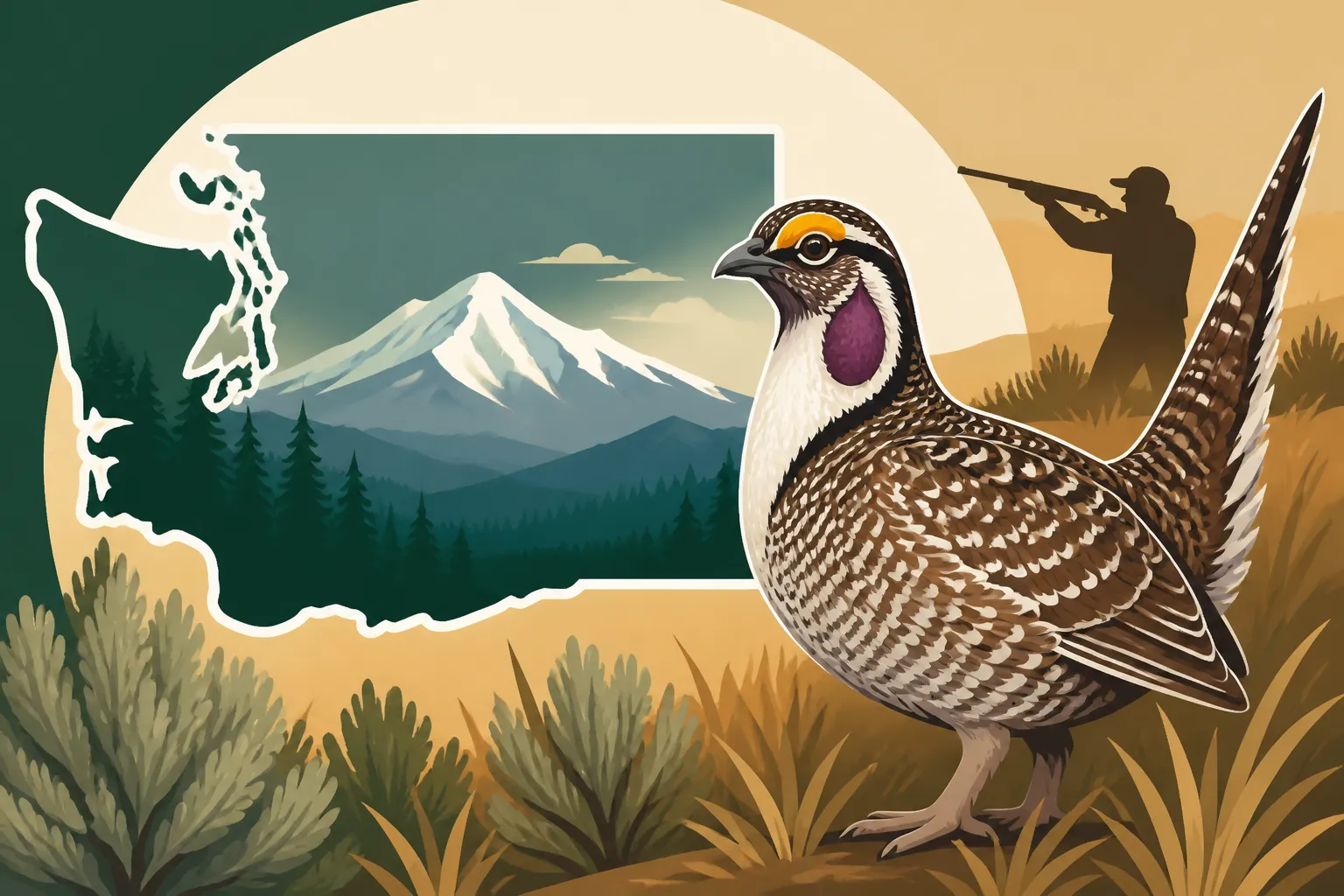
Historically, Washington's landscape was a mosaic of diverse habitats, and the sharp-tailed grouse, specifically the Columbian sharp-tailed grouse subspecies, was intimately tied to vast expanses of native grasslands and sagebrush-steppe. Think of the rolling hills of the Columbia Basin, the open country of the Okanogan, and even parts of the Palouse that, before extensive farming, were prime sharp-tail territory. These birds thrived where tall grasses provided nesting cover and protection from predators, while the abundant forbs and shrubs of the sagebrush ecosystem offered crucial food sources year-round. They weren't birds of the deep timber like a ruffed grouse, nor were they chukar clinging to rocky canyons. Their very existence depended on an open, healthy grassland-sagebrush matrix, a habitat type that is increasingly rare today.
Factors Leading to Population Reduction
The decline of the sharp-tailed grouse in Washington isn't a mystery; it's a direct result of human expansion and land use changes. The most significant factor has been the widespread conversion of native grasslands and sagebrush-steppe to agriculture. As pioneers settled the state, vast tracts of prime sharp-tail habitat were plowed under for wheat and other crops. This wasn't just a loss of land; it was a fragmentation of what remained, breaking up continuous habitats into isolated islands that couldn't sustain healthy populations.
Beyond direct conversion, other factors exacerbated their decline. Fire suppression, a common practice for many decades, altered the natural fire regimes that helped maintain healthy grassland ecosystems, often leading to encroachment by conifers or undesirable woody species. Invasive grasses, like cheatgrass, moved in, outcompeting native forage and increasing fire frequency in ways that degraded the ecosystem further. Add to this the pressures of overgrazing in some areas and the simple loss of connectivity between remaining populations, and you have a perfect storm that pushed the sharp-tailed grouse to the brink. They just couldn't adapt quickly enough to such radical and widespread changes to their essential homes.
Current Status and Conservation Efforts
When you look at the vibrant populations of other upland birds across Washington, it's easy to wonder why sharp-tailed grouse aren't thriving alongside them. The reality is quite different, and their current situation is a testament to the immense challenges conservationists face when a species has been pushed so far.
Listing Status and Remaining Populations
Here's the tough truth: the sharp-tailed grouse is listed as a state endangered species in Washington. This isn't just a casual designation; it means their numbers are critically low, and they face a very high risk of extinction within our borders. Unlike the robust populations of pheasants or even Washington Turkey Subspecies, sharp-tailed grouse are barely clinging on. Their few remaining strongholds are primarily found in the Okanogan region, specifically in certain pockets of habitat that have managed to escape the most intense forms of development and degradation.
These areas are isolated, and the grouse populations within them are small and vulnerable. There's very little genetic exchange between these groups, which makes them less resilient to disease, harsh winters, or other environmental stressors. Their struggle is a stark reminder of the long-term impact of habitat loss and fragmentation, making every bird in these small populations incredibly precious.
WDFW and Partner Conservation Programs
Despite the grim reality, there is hope, fueled by dedicated conservation efforts from the Washington Department of Fish and Wildlife (WDFW) and various partners. These efforts are laser-focused on restoring and managing the remaining sagebrush-steppe and grassland habitats crucial for sharp-tails. This can involve strategic land acquisitions to protect existing habitat, controlled burns to mimic natural fire regimes and remove encroaching vegetation, and extensive planting of native grasses and shrubs to enhance forage and cover.
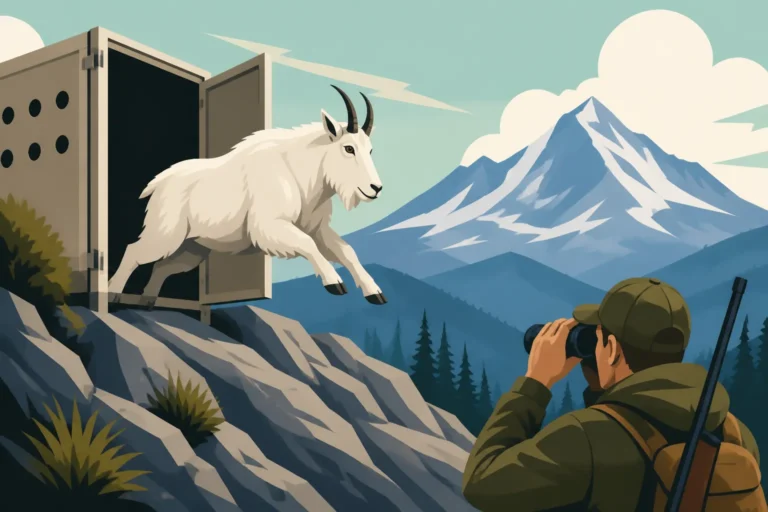
Reintroduction efforts have also played a significant role. This often involves trapping sharp-tails from healthier populations in other states or provinces and releasing them into suitable, restored habitats in Washington, hoping they will establish new breeding populations. It's a challenging, long-term endeavor that requires incredible dedication and careful monitoring. Organizations like the Okanogan Land Trust, the Mule Deer Foundation, and various local groups often partner with WDFW, pooling resources and expertise to make these ambitious projects possible. Their work often benefits other sagebrush-dependent species too, creating a ripple effect of positive impact across the ecosystem. When you're E-Scouting Washington GMUs Before the Draw for other species, sometimes you're unknowingly looking at land that's also critical for these fragile bird populations.
Hunting Opportunities and Regulations
Given the allure of these unique birds, it's natural for hunters to wonder about the possibility of pursuing them. However, when a species is facing such severe challenges, the immediate priority shifts dramatically from harvest to recovery.
Why There's No Open Season
Let's be blunt: there is no open hunting season for sharp-tailed grouse in Washington. This is a direct consequence of their state endangered status. The intent of hunting regulations, first and foremost, is to manage wildlife populations sustainably. For a species as critically imperiled as the sharp-tailed grouse, any harvest, no matter how small, could have devastating consequences for their already tiny numbers. The goal right now is 100% focused on increasing their population, not reducing it.
While you can still enjoy fantastic opportunities for Upland Bird Hunting After Deer Season for pheasants, quail, and various grouse species, sharp-tailed grouse are strictly off-limits. It's a tough pill to swallow for hunters who appreciate the challenge and heritage of bird hunting, but it's a necessary measure to give these birds a fighting chance at survival. Think of it less as a missed opportunity and more as a collective conservation effort where every hunter plays a part by respecting these crucial protections. This is a very different scenario than hunting other upland birds where you might consult the Washington Small Game Season Dates for current information.
Observing and Appreciating Sharp-Tailed Grouse
While hunting isn't an option, there are still incredibly rewarding ways to engage with and appreciate sharp-tailed grouse. For those truly passionate about wildlife, observing them in their native habitat can be a profound experience. It's a chance to witness their unique "lekking" displays in the spring, where males gather to perform elaborate dances and calls to attract females. This is a truly spectacular sight and a privilege for those who manage to see it. However, it's critical to practice ethical wildlife viewing, maintaining a respectful distance and ensuring you don't disturb their natural behaviors, especially during sensitive breeding times.
Hunters, by their very nature, are often keenly aware of habitat quality and land health. Even without an open season, you can still contribute to the broader conservation of sharp-tailed grouse. This might mean supporting organizations that work on sagebrush-steppe restoration, volunteering for habitat improvement projects, or simply reporting any sightings to WDFW, which helps them monitor populations. Knowing the general areas where these birds might exist, through tools like those offered by GoHunt for understanding habitat types and public land access, can help you appreciate the importance of these landscapes, even if your target is a mule deer or a chukar. Every set of eyes and every bit of effort contributes to a healthier ecosystem for all wildlife, including our rare and beautiful sharp-tailed grouse.
Differentiating Sharp-Tailed Grouse from Other Upland Birds
It's pretty easy to confuse different types of grouse, especially if you're only getting a fleeting glimpse in the field. But for species like the sharp-tailed grouse, where identification is critical due to their protected status, knowing the distinguishing features is paramount. You certainly don't want to accidentally mistake one for a legal game bird.
Key Identification Features
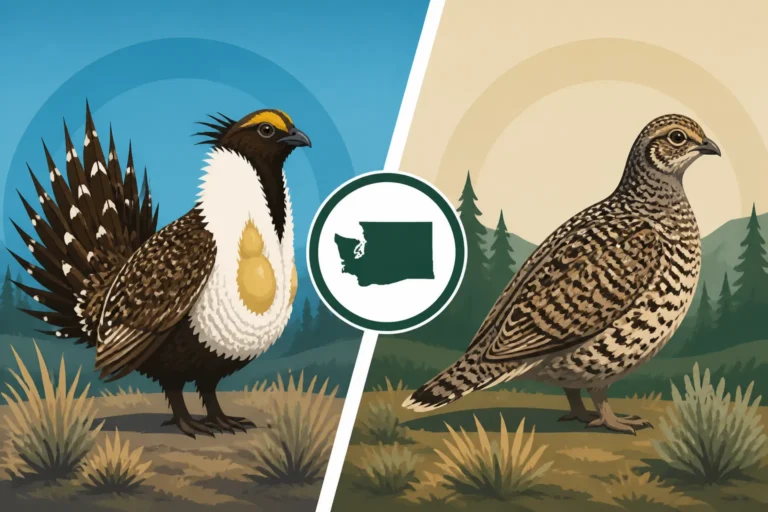
The sharp-tailed grouse, particularly the Columbian subspecies we have here in Washington, has some very distinct characteristics that set it apart. The most obvious, as its name suggests, is its tail. Unlike the broad, fan-shaped tail of a ruffed grouse or the rounded tail of a blue grouse, the sharp-tail has a relatively short, pointed tail, often looking somewhat ragged, especially during its famous lekking display. The outer tail feathers are shorter than the central ones, creating that unique "sharp" appearance.
Their plumage is generally a mottled brown and white, providing excellent camouflage in their grassland and sagebrush habitat. They often have a v-shaped barring pattern on their flanks. When they perform their mating dances, males inflate purple air sacs on their neck and stamp their feet, a behavior you won't see from other grouse species in Washington. Compare this to the striking red comb and fan of a male Ruffed Grouse in Washington Forests or the more subdued appearance of a Blue Grouse at High Elevation, and you'll start to see the differences. Always get a good look, and if there's any doubt, assume it's a protected species.
Habitat Differences
Beyond physical appearance, knowing where each grouse species typically lives is a huge clue. Sharp-tailed grouse are almost exclusively found in open, expansive sagebrush-steppe and native grasslands. They need that specific mix of open ground for their lekking rituals and dense grass for nesting cover. If you're in the deep, wet timber of Western Washington, you're absolutely not going to find a sharp-tailed grouse. That's prime territory for Roosevelt elk, blacktail deer, and ruffed grouse.
In contrast, ruffed grouse are creatures of the forest, preferring dense deciduous or mixed woods with plenty of understory, often along creek bottoms or in young clearcuts. Blue grouse, also known as sooty grouse in Western Washington and dusky grouse in Eastern Washington, tend to prefer higher elevations, conifer forests, and mountain slopes. So, if you're out looking for other upland birds, like chukar or quail, in very different habitats, you're unlikely to encounter a sharp-tail. Always consider the habitat you're in – it's often the best initial indicator of what species you might encounter. Using detailed maps, perhaps even from a platform like GoHunt, can help you discern these habitat types before you even lace up your boots.
To help clarify the distinctions, here's a quick comparison:
| Feature | Sharp-Tailed Grouse | Ruffed Grouse | Blue (Sooty/Dusky) Grouse |
|---|---|---|---|
| Primary Habitat | Open sagebrush-steppe, native grasslands, dry meadows | Deciduous/mixed forests, dense understory, riparian | Conifer forests, higher elevations, mountain slopes |
| Tail Shape | Short, pointed, often looks ragged, central feathers longer | Broad, fan-shaped, distinct dark band on tip | Dark, rounded, lighter band at tip sometimes |
| Plumage | Mottled brown/white, V-shaped flank barring, buff belly | Mottled brown/grey, "ruffs" on neck, fan tail | Dark grey/blue, lighter belly (sooty), darker (dusky) |
| Behavior | Ground-dwelling, elaborate lekking dances, cooing sounds | Explosive flush, drumming sound by males | Often walks/flushes from trees, hooting calls |
| Hunting Status | State Endangered, NO OPEN SEASON | General season upland bird, widely hunted | General season upland bird, widely hunted |
This article is for general informational purposes only and does not constitute professional advice. Laws, prices and regulations vary by location and change over time. Consult a qualified professional for guidance on your specific situation.