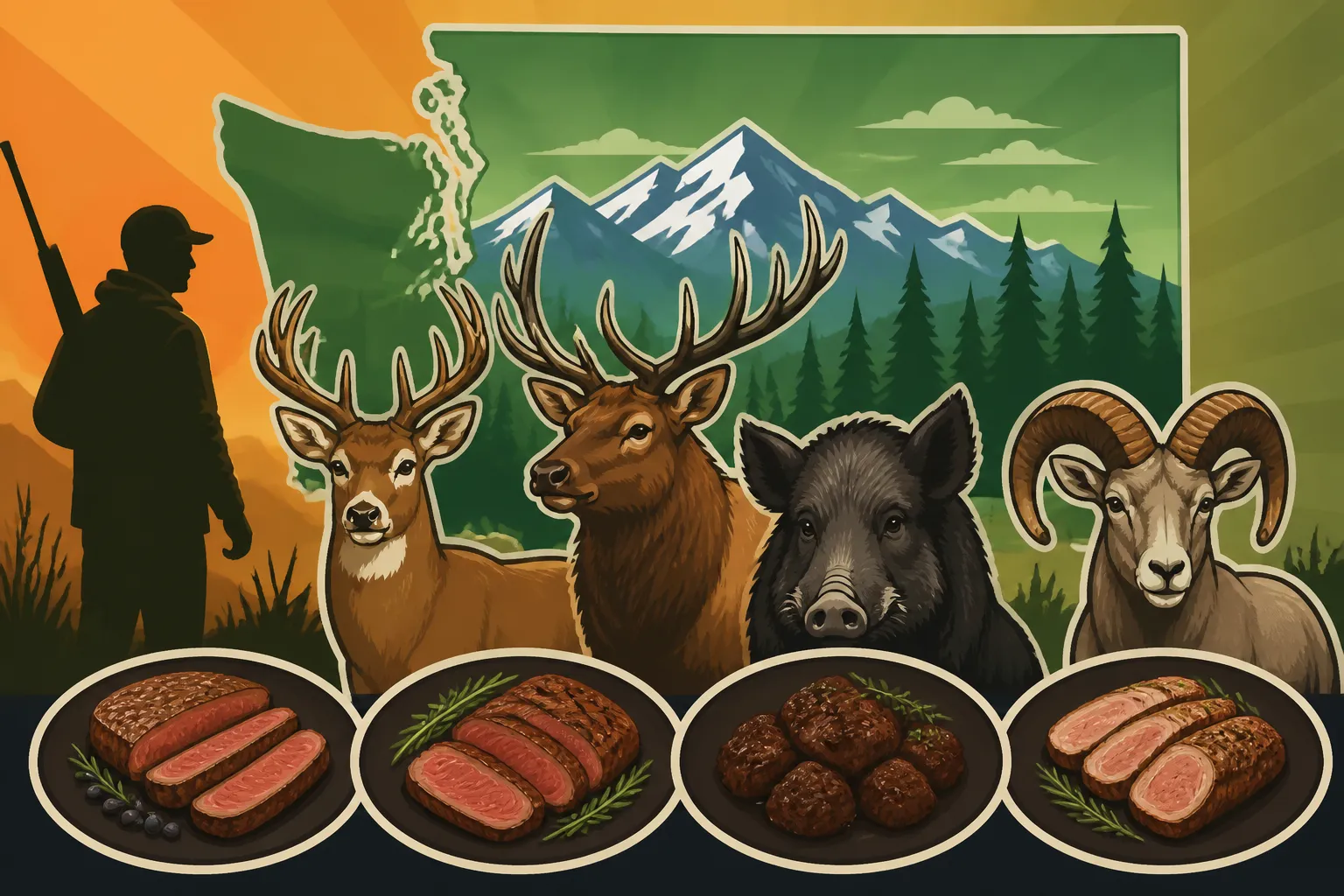
Which Washington Game Meat Tastes Best
There’s nothing quite like the pride and satisfaction of harvesting your own wild game here in Washington, is there? But let's be honest, many of us have heard – or even experienced – the dreaded "gamey" taste that can sometimes disappoint after all that hard work. It leaves you wondering, "Did I do something wrong?" or "Is this just how this animal tastes?" The truth is, the flavor of wild game is incredibly nuanced, and what one person calls "best" another might find less appealing. This guide is all about diving deep into the unique taste profiles of Washington's diverse game species and, perhaps more importantly, exploring the many factors that truly influence how delicious that hard-earned meat will be on your plate.
What Really Makes Game Meat Taste Different?
Before we crown any single species as the "best-tasting," we need to talk about why one deer might taste completely different from another, even from the same unit. It's not just some random act of nature; there are very real, tangible factors at play that shape the flavor, texture, and overall appeal of your game meat. Understanding these can actually empower you to make better choices in the field and during processing, leading to more consistently delicious results.
Diet and Habitat: You Are What You Eat
This is probably the single biggest factor influencing the taste of wild game. Just like a grass-fed beef steak tastes different from a grain-fed one, a wild animal's diet directly impacts its muscle composition and fat content, which in turn dictate flavor.
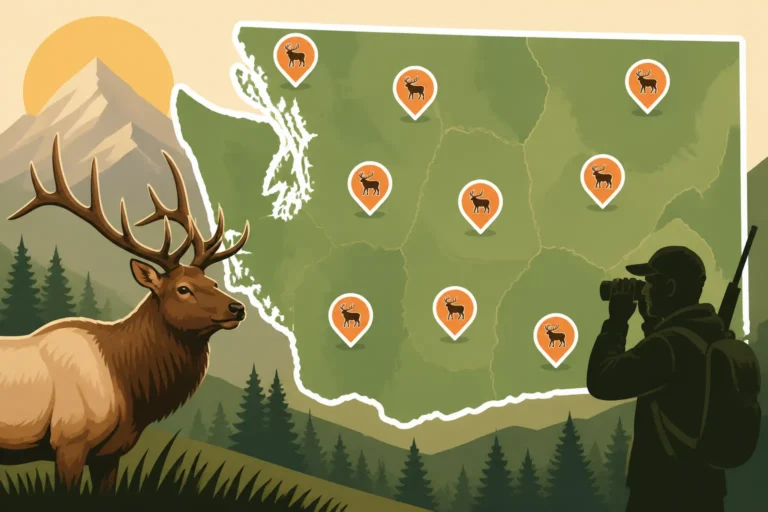
Consider a Roosevelt elk from the dense, wet forests of Western Washington. These animals browse on a mix of forbs, grasses, and woody shrubs, often including cedar and fir. This diet tends to produce a very lean, mild meat with a subtle, earthy undertone. Now picture a Rocky Mountain elk from the dry, sagebrush country east of the Cascades, perhaps one that's been feasting on alfalfa in a farmer's field or fresh grasses in a spring meadow. Their meat might be equally lean, but the flavor profile could lean more towards herbaceous or even a touch sweeter. You can read more about Washington Elk Herds and Where They Live to understand these regional differences. The same goes for deer: a blacktail living deep in a clearcut, browsing on salal and huckleberry, will often have a different flavor than a mule deer that's been munching on wheat stubble in Eastern Washington. What they consume literally becomes part of their being, and eventually, part of your dinner.
Age and Sex: A Matter of Maturity
Generally speaking, younger animals tend to have more tender, milder-tasting meat. A yearling buck or cow elk often provides a more delicate flavor than a mature, rut-weary bull or an old doe. This isn't to say an older animal's meat isn't good, but it might require different cooking methods to break down tougher muscle fibers and may possess a stronger "gamey" flavor, especially if it's a male animal caught up in the throes of the rut. The hormones raging through a mature bull or buck during breeding season can impart a very distinct, sometimes overpowering, flavor to the meat. This is a common frustration for hunters who bag a big, beautiful trophy buck, only to find the meat is tougher or has a stronger flavor than expected. It's just part of the lifecycle, but it's something to be aware of.
Stress and Adrenaline: The Fight or Flight Effect
This is where good hunting practices really pay off. An animal that has been extensively pursued, wounded, or stressed before it expires will release adrenaline and other stress hormones into its bloodstream. These hormones can cause the meat to be tougher, and many believe they contribute to a stronger, more unpleasant "gamey" taste. A clean, quick kill is not just ethical; it's absolutely crucial for maximizing meat quality. An animal that drops quickly, without a prolonged chase, allows its circulatory system to carry away metabolic waste products, resulting in cleaner-tasting meat.
Field Care: The Unsung Hero of Flavor
This cannot be stressed enough: how you handle the animal immediately after the kill is paramount. All the other factors become secondary if field care is poor. Getting the animal field dressed quickly, removing the entrails to allow the carcass to cool, and then ensuring rapid, thorough cooling are the most critical steps. Leaving an animal to sit in the sun for hours, or allowing gut contents to spill onto the meat, can ruin an otherwise perfectly good animal. Blood-shot meat, left in the carcass, will also contribute to off-flavors.
For elk or deer, the goal is to get that body heat out as fast as possible. If it's a warm early-season hunt, getting that carcass cooled down quickly is a race against time and bacteria. Field Dressing in Warm Early-Season Weather is essential reading for this. Even in colder weather, proper ventilation is key. Many hunters opt for the gutless method, especially for larger animals like elk, as it allows them to quarter the animal and get the meat cooling in game bags much faster. This not only lightens the load for packing but dramatically improves meat quality. Understanding Quartering and Packing an Elk Solo can show you how to do this efficiently.
A Taste Tour of Washington's Primary Big Game Meats
Now that we understand the influencing factors, let's explore the general taste profiles of the big game species you're most likely to encounter and harvest here in Washington. Remember, these are generalizations, and individual animals will vary based on the factors above.
Elk: The Gold Standard for Many
For many hunters, elk meat is the undisputed champion of wild game flavor. It's often described as incredibly lean, with a fine texture and a mild, slightly sweet, beef-like flavor. It's less "gamey" than deer for most palates, making it a favorite even among those who are new to wild game.
- Roosevelt Elk: Found west of the Cascades, these animals tend to live in dense, wet timber. Their meat is typically very lean, dark red, and has a mild, earthy taste. Because of their dense habitat and diet, they often have a slightly different flavor than their Rocky Mountain cousins. The sheer size of a Roosevelt bull means a significant amount of excellent meat for your freezer, often yielding hundreds of pounds of pure protein. Learn more about Elk Meat Yield From a Roosevelt Bull if you're planning a trip to the west side.
- Rocky Mountain Elk: Predominantly found east of the Cascades, Rocky Mountain elk often inhabit more open country, consuming a wider variety of grasses, forbs, and sometimes agricultural crops. Their meat is also very lean and mild, perhaps a touch sweeter than Roosevelt elk depending on their specific diet. They are equally prized for their flavor and quantity of meat.
Elk meat is incredibly versatile in the kitchen. It excels in almost any preparation where you'd use beef: steaks, roasts, stews, burgers, and jerky. It's so lean, though, that you'll often want to add some fat (like bacon grease or beef tallow) when grinding for burgers or making sausages to prevent it from drying out.
Deer: The Ubiquitous and Varied Flavor
Washington is home to three species of deer, and their meat can vary significantly, often leading to the most debate about "gamey" flavor. Generally, deer meat is leaner and can have a more pronounced "wild" flavor than elk.
- Columbian Blacktail Deer: Found exclusively in Western Washington, blacktails live in thick, often brushy timber and clearcuts. Their diet of diverse browse can sometimes give their meat a stronger, more herbaceous flavor compared to mule deer or even some whitetails. However, a young blacktail buck or a doe harvested early in the season, cleanly killed and properly cared for, can be exceptionally tender and mild. Many hunters swear by blacktail backstraps, especially from a spike or two-point. Columbian Blacktail Deer in Western Washington details their habitat. The yield from a blacktail is substantial for its size. For specifics, look into Deer Meat Yield From a Blacktail.
- Mule Deer: Dominating Eastern Washington's open sagebrush, Ponderosa pine forests, and agricultural lands, mule deer meat tends to be quite lean with a mild, sometimes slightly sweeter flavor than blacktails. Their diet often includes sagebrush, which can sometimes impart a subtle, unique taste to the fat (which is usually trimmed anyway). If they've been grazing on alfalfa or wheat, the meat can be exceptionally clean-tasting. You can find these impressive deer across Washington Mule Deer of Eastern Washington.
- White-tailed Deer: Primarily found in the northeast corner of Washington, whitetails are often praised for having some of the most consistently mild-flavored venison, similar to mule deer. They typically live near agricultural fields and forest edges, which can contribute to their milder flavor. They're often smaller than mule deer, providing a more manageable amount of meat.
With all deer, fat is often the culprit for "gamey" flavor. Trimming all visible fat, silver skin, and connective tissue goes a long way. Aging the meat (in a controlled environment, of course) can also significantly improve tenderness and flavor. For example, Aging Elk Meat Before Cutting offers principles that apply to deer as well. Venison is fantastic in slow-cooked dishes, chili, burgers, and lean steaks.
Black Bear: The Ultimate "It Depends" Meat
Bear meat is perhaps the most variable of all game meats. Its flavor and texture depend almost entirely on the bear's diet leading up to the harvest. Washington has a healthy Washington Black Bears Coast to Cascades population, and their diets differ widely across the state.
- Berry-Fed Bear: A bear harvested in late summer or early fall after gorging on huckleberries, salmonberries, or other fruits will often yield delicious, rich, and surprisingly sweet meat. This is considered the pinnacle of bear meat by many.
- Fish-Fed Bear: A bear taken near a salmon stream might have a very strong, oily, "fishy" flavor. While some enjoy this, it can be off-putting to others.
- Garbage/Carcass-Fed Bear: Bears that have been scavenging around human habitations or on carrion can have very unpleasant tasting meat.
Bear meat is often described as rich and pork-like, especially from berry-fed animals. It's excellent when slow-cooked, stewed, or ground into sausage. However, it is absolutely critical to cook bear meat thoroughly to an internal temperature of at least 160°F (71°C) to kill trichinosis parasites, which can be present in bear meat. Never eat bear rare or medium-rare.
Cougar: The Unexpected Delight
Many hunters don't think of cougar as table fare, but those who have tried it often report being pleasantly surprised. Cougar meat is surprisingly mild, light-colored, and fine-grained. It's often compared to pork or veal.
Cougars are apex predators, so their diet consists primarily of fresh deer, elk, and other small game. This consistent, lean diet contributes to a very clean-tasting meat. Like bear, it should always be cooked thoroughly to avoid potential parasites, though trichinosis is less common. Cougar Meat Salvage in Washington refers to the practice of harvesting the meat, which is encouraged. It's excellent in stews, slow-cooked pulled "pork" style dishes, or pan-fried.
Beyond Big Game: Exploring Other Wild Flavors
Washington offers a wealth of other hunting opportunities, each providing its own distinct culinary experience. Don't limit yourself to just the big boys!
Upland Birds: A Delicate Delicacy
Washington is home to several species of upland birds, and their meat is generally quite lean and delicate, with distinct flavors depending on the species.
- Grouse (Ruffed, Blue, Spruce): Often called "forest chickens," grouse meat is very mild, tender, and light-colored. It's fantastic pan-fried, roasted, or even breasted out and sautéed. Chukar, Quail and Grouse in Washington are plentiful here.
- Pheasant and Quail: If you're lucky enough to find these (often on private lands or specific release sites), their meat is also light, tender, and offers a slightly more distinct "game bird" flavor than grouse, especially pheasant.
- Wild Turkey: Washington has a growing wild turkey population. Their meat is dark, lean, and has a much more robust, earthy flavor than domestic turkey. It's excellent roasted whole, breasted for cutlets, or ground for burgers and chili.
Upland birds benefit from quick processing after the shot to maintain quality. They are generally less prone to "gamey" flavors than big game, provided they are cooled swiftly.
Waterfowl: Rich and Robust
Ducks and geese offer a very different flavor profile from upland birds. Their meat is dark, rich, and often described as having a deep, almost liver-like flavor. This is due to their diet and the highly oxygenated blood required for sustained flight.
- Ducks (Mallards, Wigeons, etc.): The breast meat is dark, tender, and flavorful. It can be excellent seared rare to medium-rare, much like beef, though some prefer it cooked more thoroughly.
- Geese (Canada, Snow): Goose meat is even richer and more robust than duck. The breasts are large and excellent roasted or grilled. The legs and thighs, like duck, are best slow-cooked to break down connective tissue.
Waterfowl hunters often learn to embrace and appreciate the unique, bold flavors of these birds. Soaking waterfowl breasts in buttermilk or saltwater for a few hours can help mellow the flavor for those new to it.
Tips for Guaranteeing the "Best" Taste
Since "best" is subjective, the real goal for any hunter should be to achieve the best possible quality from every animal harvested. This means focusing on the aspects you can control. Here’s a quick rundown:
- Clean Kill: As mentioned, a quick, ethical kill minimizes stress and adrenaline, leading to better-tasting meat.
- Rapid Field Dressing: Get those guts out immediately. The internal organs hold a lot of heat and bacteria that can quickly taint the meat.
- Aggressive Cooling: Get the carcass cooled down as fast as possible. This is paramount. Hang it in the shade, prop it open, quarter it into game bags if necessary to maximize air exposure. Getting a Carcass Cooled Fast is a skill every hunter needs.
- Keep it Clean: Prevent hair, dirt, leaves, or gut contents from contacting the meat. Use clean hands, a sharp knife, and game bags.
- Proper Transport: Keep meat cool during transport home. Use large coolers with ice (keep meat out of direct water by using frozen jugs or elevated racks) or transport at night if temperatures are cool.
- Aging (Controlled): For larger animals like elk and deer, dry aging in a cool, controlled environment (ideally between 34-40°F with good humidity control) for 5-10 days can significantly improve tenderness and develop a deeper flavor. This isn't just for gourmet chefs; it's a vital step for truly tender game meat.
- Trim Aggressively: Remove all fat, silver skin, blood clots, and bruised meat before cooking or freezing. Wild game fat, especially from deer and older bears, is often what contributes to that "gamey" taste people dislike.
- Match Cooking Method to Cut: Know your cuts. Tenderloins and backstraps are great for quick searing. Roasts and shoulders do better with slow cooking (braising, stewing). Ground meat is perfect for burgers, chili, and tacos. When planning your hunt, researching the unit and potential animal diet can even inform your expectations. Tools like GoHunt can provide valuable data on habitat and typical forage in different GMUs, which might offer clues about what to expect flavor-wise.
Here’s a quick comparison of some popular Washington game meats:
| Species | General Flavor Profile | Texture | Typical Fat Content | Best Cooking Methods |
|---|---|---|---|---|
| Elk | Mild, slightly sweet, beef-like, earthy | Fine-grained, tender | Very Low | Steaks, roasts, stewing, grinding, jerky |
| Mule Deer | Mild, clean, sometimes sweet | Fine-grained, tender | Low | Steaks, roasts, slow-cooking, grinding, chili |
| Blacktail | Mild to robust, earthy, herbaceous | Fine-grained, tender | Low | Slow-cooking, grinding, pan-frying tender cuts |
| Whitetail | Mild, clean, delicate | Fine-grained, tender | Low | Steaks, roasts, slow-cooking, grinding |
| Black Bear | Rich, pork-like, highly variable by diet | Coarse, tender | Variable (high if fat included) | Slow-cooking, stewing, grinding (must be well-done) |
| Cougar | Mild, light, pork-like, delicate | Fine-grained, tender | Very Low | Pan-frying, slow-cooking (must be well-done) |
| Grouse | Very mild, delicate, subtle | Fine, tender | Very Low | Pan-frying, roasting, sautéing |
| Waterfowl | Rich, dark, robust, sometimes livery | Fine to coarse | Low to Medium | Seared (duck), roasted, stewed, confit (goose/duck legs) |
Ultimately, the "best" tasting game meat is the one that you put the most care into, from the moment you squeeze the trigger to the final preparation in the kitchen. Every animal and every hunt is a unique experience, and with careful attention to detail, every meal can be a delicious celebration of your time in Washington's wild places. Keep those crucial field care steps in mind, research your areas with resources like GoHunt, and you'll be well on your way to a freezer full of incredible wild game.
Disclaimer
This article is for general informational purposes only and does not constitute professional advice. Laws, prices and regulations vary by location and change over time. Consult a qualified professional for guidance on your specific situation.