Muzzleloader Accuracy at 100 Yards
There's nothing quite as frustrating as spending precious time at the range, trying to dial in your muzzleloader, only to see your shots spread out like buckshot at 100 yards. You've heard tales of tight groups, but your modern inline just isn't delivering, and you're left wondering if it's the gun, the load, or something you're doing wrong. This guide is here to cut through that frustration, offering practical, in-depth advice to help you achieve consistent, ethical accuracy with your muzzleloader at 100 yards and beyond, making sure you're ready for those Washington special seasons.
The Unique Challenge of Muzzleloader Accuracy at 100 Yards
Muzzleloaders are fascinating firearms, steeped in history but brought into the modern era with incredible advancements. Yet, they still operate on a fundamentally different principle than a cartridge rifle. This difference means that achieving consistent accuracy, especially at a distance like 100 yards, requires a different mindset and approach. It's not just point and shoot; it's a careful dance of components, technique, and understanding.
Why 100 Yards is the Muzzleloader Sweet Spot
For many muzzleloader hunters, 100 yards feels like a benchmark, a point where confidence in their setup truly solidifies. And there's a good reason for that. Beyond shorter "plinking" distances, 100 yards begins to expose inconsistencies in your loading procedure, powder charge, projectile choice, and even your shooting form. It's often where the subtle nuances of muzzleloader ballistics start to become significant. Gravity and wind begin to exert more influence, and the projectile's stability through the air is truly tested.
Think about hunting the edge of a clearcut in the Colockum or the timbered draws near the Lewis River unit. A deer or elk might step out at 80, 90, or even 100 yards. If you haven't proven your rifle's accuracy at that range, that shot opportunity becomes a nervous gamble, not a confident execution. For Washington hunters, especially those chasing big game in diverse terrain, confirming accuracy at 100 yards means you're prepared for a wide range of realistic scenarios. It’s the range where many hunters feel confident in making an ethical shot on a large animal, knowing their bullet will hit precisely where they aim. It's a sweet spot because it balances the traditional limitations of the firearm with the practical needs of modern hunting.
Dispelling Common Muzzleloader Myths and Embracing Reality
There are a lot of myths floating around about muzzleloader accuracy. Some folks believe they're inherently inaccurate beyond 50 yards, or that only traditional patched round balls can be accurate. While traditional methods have their place, modern inline muzzleloaders, with the right components and care, are capable of surprising precision. It's not uncommon to hear experienced hunters claim half-dollar sized groups at 100 yards, and while that might be ambitious for everyone, sub-2-inch groups are definitely achievable with a well-tuned system.
The reality is, a muzzleloader isn't a bolt-action centerfire rifle. You won't consistently get sub-MOA groups with every shot, largely due to the variability introduced by loading a projectile down a dirty barrel and the slower velocities involved. However, you can achieve consistent Minute-of-Game accuracy, meaning your shots consistently land within a vital area. The key is to understand and control the variables, from your Powder, Bullets and Sabots to your loading technique. Don't let old wives' tales or internet forum chatter deter you from pushing your muzzleloader's potential. Embrace the reality that it's a process of meticulous experimentation and practice, and the rewards are significant.
Key Components for Consistent 100-Yard Groups
Just like any precision shooting, the components you use and how you prepare them are paramount to muzzleloader accuracy. Unlike a cartridge rifle where many variables are standardized, with a muzzleloader, you are essentially hand-loading each shot in the field. This hands-on process gives you a lot of control, but also means more potential for error if not executed precisely.
Matching Powder to Projectile: The Heart of Your Load
This is arguably the most critical aspect of muzzleloader accuracy. Your powder and projectile need to be a harmonious match, working together to achieve consistent velocity and optimal bullet stabilization.
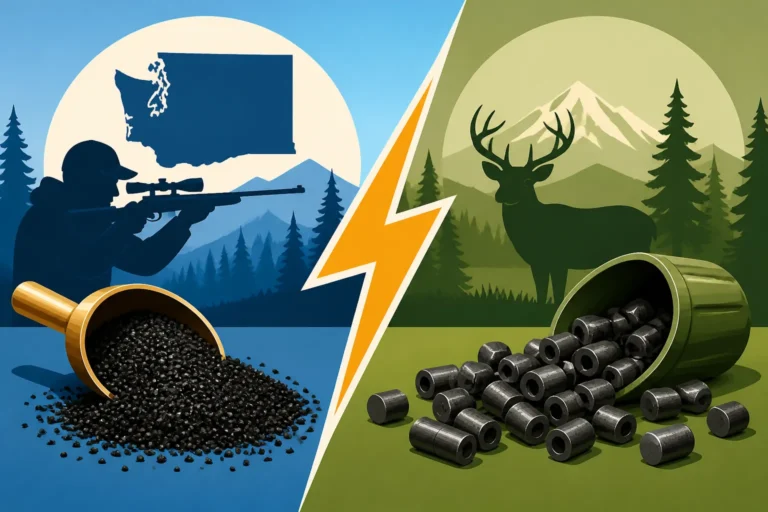
Let's talk powder first. You generally have two main types: loose granular powder and pre-formed pellets.
- Loose Powder (e.g., Hodgdon Triple Seven, Blackhorn 209): This offers the most flexibility. You can fine-tune your charge weight by the grain, allowing you to find that "sweet spot" load for your specific rifle and projectile. It typically burns cleaner, which can be a huge advantage when you're taking multiple shots without scrubbing the barrel. For instance, Blackhorn 209 is renowned for its clean-burning properties, meaning you can often shoot 5-10 shots before accuracy starts to degrade significantly due to fouling. This makes it a popular choice for serious hunters and target shooters.
- Pellets (e.g., Pyrodex Pellets, Triple Seven Pellets): These are incredibly convenient. Drop in 2 or 3 pellets, seat your bullet, and you're good to go. The downside is that you're limited to pre-set charge weights, so you can't fine-tune as much. They also tend to create more fouling than some loose powders, often necessitating swabbing between shots if you want peak accuracy. This might mean Cleaning a Muzzleloader in Camp becomes a more frequent task.
Then there are your projectiles. The world of muzzleloader bullets is vast, but generally breaks down to conical bullets and sabot-encased bullets.
- Conical Bullets (e.g., PowerBelt, Hornady Great Plains): These are often heavier and made of pure lead or a lead alloy. They engage the rifling directly, so bore diameter and bullet diameter are critical. A bullet that's too loose will wobble, one that's too tight will be hard to load and deform. Finding the right fit for your barrel is key.
- Sabot-Encased Bullets (e.g., Barnes TEZ, Hornady SST): These consist of a smaller-diameter bullet (like a .45 or .40 caliber rifle bullet) seated in a plastic sabot. The sabot engages the rifling, imparting spin to the bullet, and then separates upon exiting the barrel. Sabots allow you to shoot aerodynamically superior bullets at higher velocities. However, sabots can sometimes melt or deform if the powder charge is too hot or the barrel is excessively fouled, leading to "flyers." You'll want to carefully compare Sabot Versus Conical Projectiles to see what works best in your rifle.
The trick is to find a combination that your specific rifle "likes." Start with the manufacturer's recommendations for both powder and projectile, then test different charge weights in small increments (if using loose powder). Always check local regulations, as Washington's .45 Caliber Muzzleloader Minimum affects your choices.
| Powder Type | Characteristics | Pros | Cons |
|---|---|---|---|
| Loose Black Powder | Traditional, corrosive, smoky | Authentic, good for round balls, flexible | Requires immediate cleaning, dirty |
| Loose Pyrodex | Black powder substitute, corrosive | Good ignition, consistent | Still corrosive, moderate fouling |
| Loose Triple Seven | Black powder substitute, less corrosive, higher energy | Cleaner than Pyrodex, good velocity | Can be harder to ignite, creates "crud ring" |
| Loose Blackhorn 209 | Smokeless powder, very clean, highest energy | Very clean, high velocity, less corrosion | Specific primers, higher cost, can be temperature sensitive |
| Pelletized Powder | Pre-measured charges, varying types | Convenient, fast loading | Less flexible charge weights, often more fouling |
The Role of the Primer and Ignition System
Often overlooked, the primer and ignition system play a crucial role in consistent muzzleloader accuracy. The primer's job is to reliably ignite the main powder charge, and it needs to do so consistently from shot to shot.
Most modern inline muzzleloaders use 209 shotshell primers. However, not all 209 primers are created equal. Some are "hotter" than others, meaning they produce a stronger, longer-duration flame. While a hotter primer might sound universally better, sometimes a slightly milder primer provides more consistent ignition for a particular powder, especially with cleaner-burning powders like Blackhorn 209, which often prefer a hotter primer specifically designed for it, like the CCI Kleanbore.
If you're using an older percussion cap rifle, ensure your caps are fresh and fit snugly on the nipple. Any air gap can lead to misfires or delayed ignition, both of which are detrimental to accuracy. The ignition channel itself needs to be clear and free of fouling. A partially clogged flash channel can lead to inconsistent powder ignition, which means inconsistent velocity, and ultimately, inconsistent bullet placement. Before each hunt, and certainly after every range session, ensure your breech plug and flash channel are meticulously clean.
Barrel Maintenance and Fouling Management
A clean barrel is usually an accurate barrel, but with muzzleloaders, there's a delicate balance. You don't want an excessively fouled barrel, as that dramatically increases resistance for the next projectile, leading to inconsistent velocities and degraded accuracy. On the flip side, some muzzleloaders shoot best with a "seasoned" barrel – meaning a shot or two has been fired through it, leaving a light layer of carbon. A completely sterile barrel might shoot differently than one with a slight seasoning. This is something you'll need to experiment with at the range.
The type of powder you use greatly dictates your cleaning regimen. Traditional black powder and even Pyrodex create harsh, corrosive fouling that requires immediate attention. Triple Seven creates a hard "crud ring" just in front of the breech plug that can be difficult to remove and can make subsequent loading very difficult. Blackhorn 209, on the other hand, is much cleaner and non-corrosive, meaning you can often shoot more shots without the need for extensive cleaning between groups.
During a range session, if you're using fouling-prone powders, consider swabbing your barrel with a damp patch (water or a specialized cleaning solution) every 1-3 shots to maintain consistency. Make sure to follow up with a dry patch. If you're out hunting, you generally won't be taking multiple shots without cleaning, but knowing how many shots your rifle can handle before accuracy drops off is crucial. Muzzleloader Loading and Ignition in Rain also brings unique challenges, as moisture can impact fouling and performance.
Mastering Your Shooting Technique and Sighting System
Once you've got your components dialed in, the next piece of the accuracy puzzle is you. How you load your rifle and how you shoot it are just as important as the powder and projectile themselves. A perfect load means nothing if the shooter isn't consistent.
Consistent Loading Procedures for Optimal Accuracy
This cannot be stressed enough: consistency in loading is paramount for muzzleloader accuracy. Any deviation can result in significant changes in point of impact.
Here’s a breakdown of what "consistent loading" means:
- Powder Charge: If using loose powder, measure your charge precisely every single time. A volumetric measure is fine for the field, but for precision at the range, weigh your charges with a scale. Even a slight variation in powder weight can change velocity and bullet impact at 100 yards.
- Projectile Seating Pressure: This is probably the most overlooked aspect. Every time you seat your projectile, you need to apply the same amount of pressure until the projectile is firmly against the powder charge. Some hunters mark their ramrod to ensure the bullet is always seated to the same depth. If you push it lightly one time and lean into it hard the next, you'll see your groups open up. The goal is firm, consistent seating, compressing the powder charge uniformly.
- Barrel Swabbing: If you're swabbing between shots (recommended for maximum accuracy with most powders), ensure you use the same number of wet and dry patches, applied with the same pressure and strokes, every time. This ensures the barrel's condition is as consistent as possible before each shot.
- Primer Seating: Ensure your 209 primer is fully seated in the breech plug. A loose primer can lead to inconsistent ignition.
By making your loading procedure a ritual—a series of precise, repeatable steps—you eliminate a huge variable in accuracy. This is where patience and attention to detail truly pay off.
Sight Systems: Open Sights, Peep Sights, and Scopes for Washington Rules
Washington has specific rules for muzzleloaders, and they often restrict the type of optics you can use. Understanding these rules is critical before you even think about sighting in. For general season muzzleloader hunts, you're often limited to open sights or peep sights. Why Washington Restricts Muzzleloader Scopes is a common question, and it's largely to maintain a more traditional hunting experience and challenge.
- Open Sights: These are the most basic and consist of a front post and a rear notch. They can be challenging for precise shooting at 100 yards, especially in low light or on dark-colored game. The key is a consistent sight picture: always placing the front sight in the exact same spot in the rear notch, and the target exactly the same way on the front sight.
- Peep Sights: A significant upgrade from open sights for accuracy, especially at longer distances. A peep sight (a small aperture) at the rear, combined with a front post, allows your eye to naturally center the front sight. This eliminates the need to align three planes (rear sight, front sight, target) and simplifies the sight picture, making it much easier to shoot accurately out to and beyond 100 yards. Many hunters find peep sights dramatically improve their effective range and confidence.
- Telescopic Sights (Scopes): While generally restricted for Washington's muzzleloader-only seasons, there are often exceptions for certain special permit hunts or if you have a disability permit. If you are allowed to use a scope, this will undoubtedly offer the greatest precision, especially for discerning target details at 100 yards. However, if using a scope, ensure it's robust enough to handle the unique recoil impulse of a muzzleloader and that your mounts are rock solid. Always verify the current regulations in the WDFW hunting pamphlet for your specific season, as rules can change.
Regardless of your sight system, consistent cheek weld and eye relief (for scopes) are crucial for accuracy. Practice ensures that your eye is always aligned perfectly with the sights.
Range Practice and Ethical Shooting Limits
You simply must spend time at the range with your chosen load and sighting system. Don't just fire a few shots and call it good. Sighting In Before the Opener is a minimum, but true accuracy comes from sustained practice.
Here’s a practical approach:
- Start Close: Begin at 25 or 50 yards to ensure you’re on paper and to refine your loading procedure.
- Work Your Way Out: Once consistent at 50, move to 75, then 100 yards.
- Shoot for Groups: Don't just shoot at a target; shoot for groups. Three-shot groups are standard for muzzleloaders. This helps you understand the rifle's inherent accuracy and the consistency of your loading.
- Shoot from Hunting Positions: While bench rest shooting is excellent for dialing in your load, it's not how you'll hunt. Practice Practicing Offhand and Kneeling Shots, using shooting sticks, or leaning against a tree. Understanding your practical accuracy from these positions is vital.
- Simulate Field Conditions: If you plan on a chilly, wet hunt in the Willapa Hills or the Olympics, practice on a cold, damp day. See how your powder ignites. Keeping a Muzzleloader Dry in Washington Rain is a critical skill.
- Know Your Limits: Even with a muzzleloader capable of 100-yard accuracy, there might be conditions—like strong winds, poor light, or an awkward shooting position—that reduce your ethical range. Respect those limits. If you can’t consistently hit a 6-8 inch target (representing an animal's vital zone) in practice, you shouldn’t attempt that shot in the field.
By meticulously testing and practicing, you'll not only gain confidence in your rifle but also in your own abilities, which is perhaps the most important factor in ethical hunting. When planning your hunting adventures, resources like GoHunt can help you scout and understand the terrain, which indirectly helps you identify potential shot distances and prepare accordingly.
Troubleshooting Common Accuracy Issues
Even after careful preparation, you might encounter frustrating accuracy problems. The good news is that most issues can be diagnosed and fixed with a systematic approach. Don't just throw up your hands; become a detective.
Diagnosing Poor Groups: From Bench to Field
When your groups are opening up or inconsistent, it's time to methodically eliminate variables.
- The Shooter First: Always, always start by examining your own shooting form. Are you flinching? Is your trigger pull consistent? Is your sight picture identical for every shot? Many accuracy problems are "shooter induced." Have an experienced shooter try your rifle, or film yourself shooting to identify bad habits.
- Loading Consistency: Revisit your loading process. Is your ramrod marked? Are you applying the same pressure every time? Are you carefully measuring your powder (especially critical for loose powder)? Even a slightly different amount of pressure on the bullet can change its path.
- Fouling: How many shots are you taking between cleaning? If you're using a powder that fouls quickly, even a few shots can degrade accuracy. Try cleaning after every shot for a string of 3-5 shots. If your groups tighten, then fouling is likely the culprit, and you need to adjust your cleaning regimen. This might mean more frequent swabbing or switching to a cleaner powder like Blackhorn 209.
- Breech Plug/Ignition: A dirty or eroded breech plug can lead to inconsistent ignition. Is the flash channel clear? Are your primers seating properly and consistently igniting the powder? Sometimes a new breech plug or even just a thorough cleaning can make a world of difference.
- Projectile Fit: Is your bullet too loose or too tight? If it’s too loose, it won’t engage the rifling properly; too tight, and it might deform during loading. This is particularly noticeable with conical bullets. For sabots, check if the sabot itself is deforming or melting. Look for plastic residue in the barrel or on the target around the bullet hole. If this is happening, you might be using too hot a charge for that particular sabot or have a rough spot in your barrel.
- Barrel Condition: Does your barrel have any inconsistencies? Are there rough spots, pits, or damage to the crown (the very end of the barrel where the bullet exits)? Sometimes a subtle imperfection can cause fliers.
- Sights/Scope: Are your sights loose? Is your scope mounted securely? If using a scope, check that the rings haven't shifted and that the scope itself isn't damaged internally. Give it a gentle wiggle; any movement can throw off accuracy.
Document everything. Keep a log of your loads, weather conditions, and group sizes. This meticulous record-keeping, much like how a GoHunt user might track their scouting observations, will help you identify patterns and solve problems faster.
Environmental Factors and Their Impact
Even with a perfectly tuned rifle and consistent technique, the environment can play a role in 100-yard accuracy.
- Wind: Wind is the enemy of accuracy, especially for slower-moving muzzleloader projectiles. At 100 yards, even a moderate crosswind can push your bullet several inches off target. Learn to read the wind using flags, vegetation, or even mirage on a hot day. Practice holding into the wind or waiting for lulls. When hunting, consider ethical shot limits if the wind is swirling or strong.
- Temperature: Extreme temperature variations can affect powder performance and point of impact. Powder burns slightly differently in very cold versus very hot conditions. While minor for most hunting distances, if you develop your load in 70-degree summer weather and then hunt in 20-degree snow, you might see a slight shift in point of impact. Always try to verify your zero in conditions similar to what you'll be hunting in.
- Moisture: Rain and humidity can impact open sights (making them harder to see), affect powder ignition (though less common with modern sealed primers), and even alter bullet flight slightly. Muzzleloader Loading and Ignition in Rain requires extra care to keep everything dry. A consistent moisture level in the air can also subtly change bullet drag.
Being aware of these environmental factors and adjusting your expectations—and your ethical shot limits—accordingly is part of becoming a proficient muzzleloader hunter. The more you understand these nuances, the more successful and ethical you'll be in the field.
Disclaimer
This article is for general informational purposes only and does not constitute professional advice. Laws, prices and regulations vary by location and change over time. Consult a qualified professional for guidance on your specific situation.