Sol Duc Unit Rainforest Hunting
Hunting the Sol Duc Unit in Washington's Olympic Peninsula isn't for the faint of heart; it's a deep dive into an ancient, often unforgiving rainforest where soaking wet conditions are the norm and thick vegetation feels like it's actively working against you. Many hunters feel overwhelmed by the sheer density of the cover and the relentless dampness, wondering how anyone could possibly find success in such a challenging environment. This guide is dedicated to equipping you with the knowledge and strategies to not just survive, but to thrive and connect with game in the unique, wild heart of the Sol Duc.
Understanding the Sol Duc Unit: A Rainforest Challenge
The Sol Duc Unit, nestled within the Olympic National Forest, presents a hunting experience unlike almost anywhere else in Washington. It's a place where massive trees stand as sentinels to time, and the undergrowth can swallow a full-grown elk without a trace. Understanding this environment is the first step to unlocking its secrets.
Geography and Terrain of the Sol Duc
Imagine a landscape dominated by towering old-growth conifers – Douglas fir, Western hemlock, and Sitka spruce – some reaching incredible heights, their lower branches often draped in moss. Beneath this ancient canopy, or in the regenerated areas after logging, the ground is a tangle of salal, huckleberry, ferns, and the infamous devil's club. This isn't your open country glassing; visibility is often limited to mere yards, making every step a calculated move. The terrain is frequently steep and broken by drainages, wet ravines, and muddy game trails that wind through the dense foliage. Rivers like the Sol Duc carve through these valleys, and smaller creeks crisscross the landscape, contributing to the perpetually damp conditions.
Navigating this unit requires robust physical conditioning and an almost zen-like patience. You'll encounter elevation changes that aren't extreme by Washington standards but are made arduous by the slick, moss-covered rocks and fallen timber. Every ridge and saddle can feel like a mountain in its own right when you're pushing through chest-high brush. Logging activity has created a patchwork of clearcuts and reprod (regenerating timber), which, while offering different challenges, also provide crucial food sources and cover for game. These areas are often incredibly thick, offering fantastic bedding cover, but making hunter access and visibility even tougher.
Primary Game Species and Their Behavior
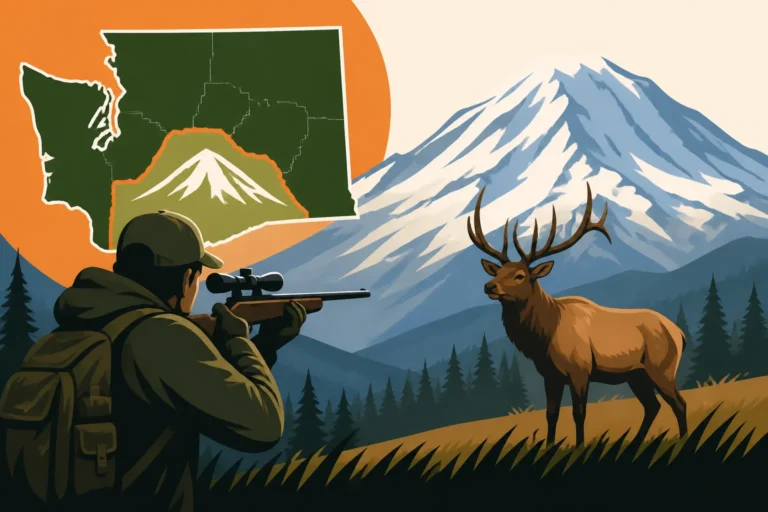
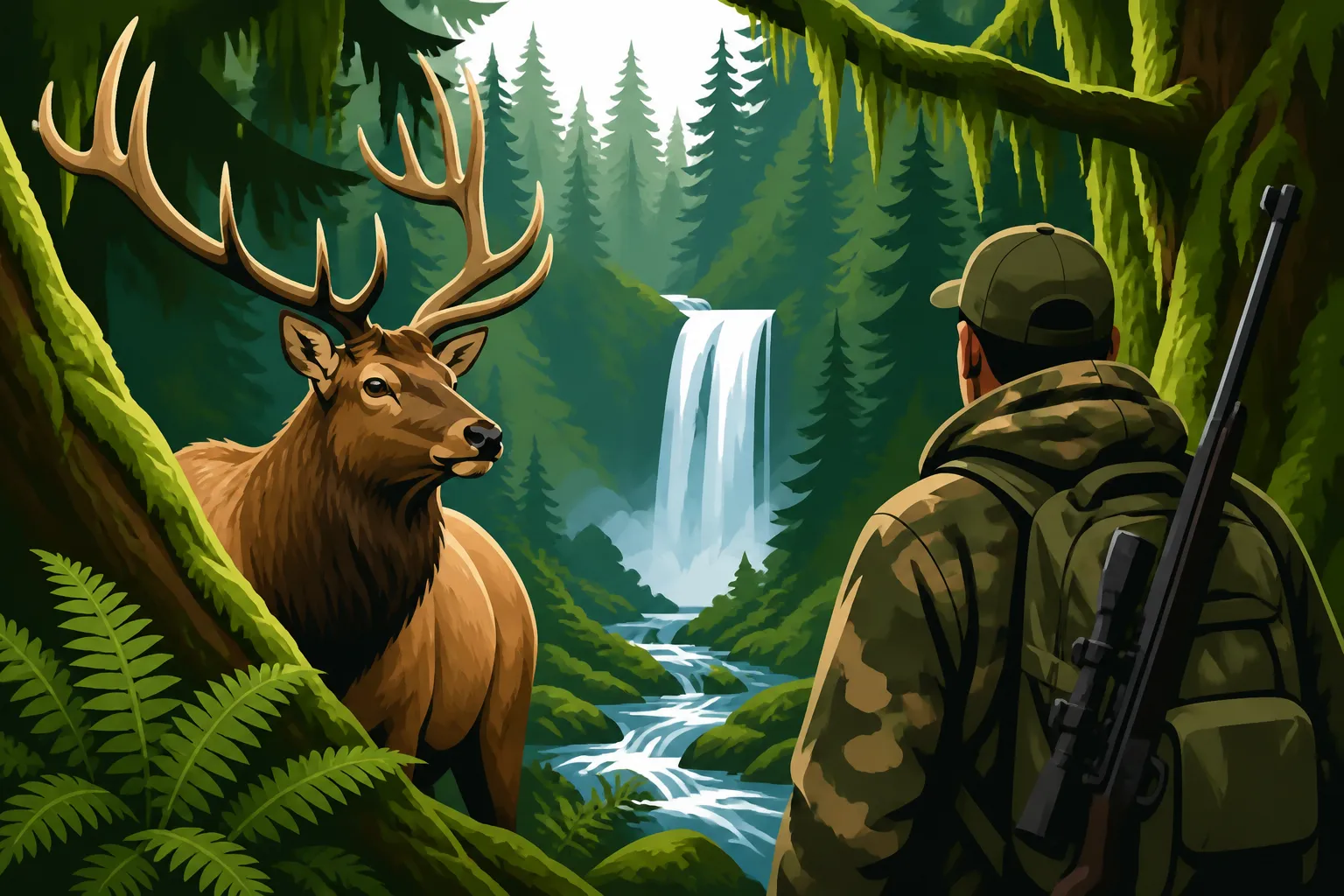
The undisputed kings of the Sol Duc are the Roosevelt elk. These magnificent animals are built for the dense rainforest, often sporting thicker hides and shorter, wider antlers than their Rocky Mountain cousins to navigate the tight timber. They are notoriously elusive in this habitat, using the cover to their advantage. Unlike elk in more open country, Roosevelt bulls can be less vocal, though during the rut, their deep, throaty bugles resonate through the fog. They thrive on the abundant forage found in the clearcuts and riparian zones, bedding in the thickest reprod or old-growth stands. Understanding their preferred bedding and feeding patterns in such dense cover is paramount.
While elk are the main draw, you'll also find a healthy population of Columbian blacktail deer. These deer are masters of camouflage and silent movement in the brush. They share much of the same habitat as the elk, often preferring the edges of clearcuts or the dense understory. Black bears are also prevalent, especially during berry seasons, and cougars roam the entire unit, preying on the abundant deer and elk. Hunting multiple species in such a diverse environment can be rewarding, but each demands a tailored approach to overcome the rainforest's inherent challenges.
The Impact of Rainforest Conditions on Hunting
The consistent moisture is arguably the biggest factor shaping hunting in the Sol Duc. Rain, mist, and fog are common, creating a landscape that is almost always wet. This humidity and moisture have several critical impacts. Firstly, sound travels differently; it's often muffled by the dense vegetation and absorbed by the damp earth, making it harder to pinpoint game, but also making it easier for you to move quietly. Secondly, scent. While the damp ground might hold tracks well, the pervasive humidity can either help or hinder scent dispersal, depending on the wind and thermal currents. Scent cones can be unpredictable, requiring vigilance about wind direction.
Furthermore, the constant moisture means your gear will get wet, and staying dry becomes a full-time job. Hypothermia is a genuine risk, even in mild temperatures, if you're not prepared with proper layering and rain gear. Optics fog up, hands get cold, and patience can wear thin. However, these conditions also offer advantages: the soft, wet ground allows for quieter movement, and a light drizzle can mask your presence, making Still-Hunting Blacktails in Wet Washington Brush or still-hunting elk much more effective. Embracing these conditions, rather than fighting them, is key to success.
Navigating Access and Regulations in the Sol Duc Unit
Hunting in the Sol Duc requires more than just understanding the wildlife; it demands a solid grasp of where you can go, what rules apply, and how to effectively navigate the challenging terrain. Boundaries can be subtle, and knowing them beforehand can prevent a lot of headaches in the field.
Public and Private Land Access
The Sol Duc Unit primarily consists of national forest lands, specifically within the Olympic National Forest, which is generally open to public hunting. However, don't confuse this with Olympic National Park, which typically prohibits hunting. Understanding where these boundaries lie is critical. Additionally, there are often pockets of Washington Department of Natural Resources (DNR) lands, which may have specific access rules or require a Discover Pass for parking. Interspersed with these public lands, you'll also find private timber company holdings. While some private timber companies in Washington do offer public access, sometimes for a fee or permit, it's vital to research their specific policies for the Sol Duc region well in advance of your hunt. Always check WDFW's pamphlet and online resources to confirm access.
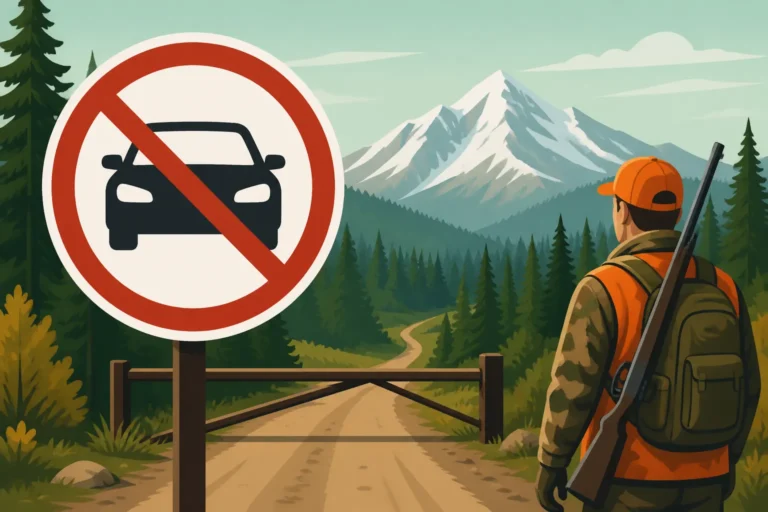
Accessing these areas often means utilizing a network of logging roads, some of which may be gated or decommissioned. The famous "Green Dot" road system that guides access in some other parts of Washington isn't as prevalent here, but road closures for winter range protection or active logging are common. Always have up-to-date maps and check for current road conditions and closures before heading out. Olympic National Forest Hunting Areas can provide general information, but specific unit details are crucial. Respecting all land designations and closures is not just good practice, it's the law.
Specific Unit Regulations and Considerations
Beyond the general state hunting regulations, the Sol Duc Unit may have specific rules regarding weapon types, antler point restrictions, or season dates. For Roosevelt elk, general seasons often include archery, muzzleloader, and modern firearm options, each with distinct dates. Always consult the most current Washington Hunting Seasons and Regulations pamphlet for the precise dates and rules for the Sol Duc. Some areas might have spike-only elk regulations, or antlerless permits might be available through special draws.
One significant consideration in such dense country is shot placement and animal recovery. The thick cover means that a wounded animal can disappear almost instantly, making blood trailing extremely difficult, even with a perfect shot. This emphasizes the need for practice and careful shot selection. The legal requirements for Washington's Minimum Rifle Caliber Rule or Washington's Seven-Eighths Inch Broadhead Rule must be strictly adhered to. Additionally, always be aware of any firearm restriction areas that might exist, particularly near developed areas or trails, though these are less common in the remote Sol Duc.
Essential Tools for Navigation and Information
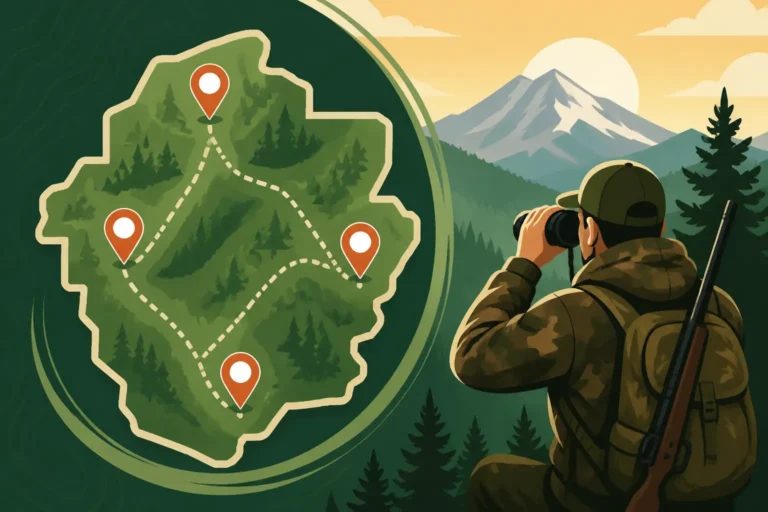
Given the challenging terrain and limited visibility, reliable navigation tools are non-negotiable. A GPS unit or a robust smartphone app like onX Hunt is an absolute must. These tools allow you to pinpoint your exact location, track your movement, and clearly display land ownership boundaries, which is invaluable in avoiding trespass and maximizing your hunting time on legal ground. Downloading offline maps for your chosen area is critical, as cell service in the Sol Duc is virtually non-existent.
Beyond GPS, always carry a physical map and compass, and know how to use them as a backup. A good pair of binoculars, even if you can only see 50 yards, can still help discern game from brush. Downloading Offline Maps for Washington is a crucial preparatory step. For broader hunt planning, services like GoHunt can provide valuable insights into draw odds and unit statistics, helping you select the best general season or special permit options, though specific Sol Duc data might be integrated into broader Olympic Peninsula trends. Remember to also leave a detailed trip plan with someone at home, especially when venturing into remote areas. Leaving a Trip Plan at Home is a simple but potentially life-saving precaution.
Effective Hunting Strategies for the Sol Duc Rainforest
Hunting in a rainforest like the Sol Duc demands a specific skillset, favoring stealth, patience, and adaptability over long-range shooting. Forget the wide-open glassing opportunities of Eastern Washington; here, it's about getting in close and personal.
Still-Hunting and Tracking in Dense Cover
Still-hunting is perhaps the most effective strategy in the Sol Duc's dense environment. This involves moving incredibly slowly, taking a few deliberate steps, then pausing for several minutes to observe, listen, and scan your immediate surroundings. The goal is to move like a ghost, blending with the rhythm of the forest. With visibility often limited, your ears become your most important tool. Listen for the crunch of hooves on fallen branches, the rustle of leaves, or the soft blowing of an elk. The damp ground can be a blessing here, muffling your footsteps.
Tracking can also be highly productive, especially after a fresh rain. Look for tracks in the soft earth, mud, or moss. Pay attention not just to the prints themselves, but to disturbed vegetation, fresh droppings, and rubs on saplings. The challenge is often staying on a track in such thick cover, where an animal can double back or simply vanish into the brush. Focus on directional signs and subtle cues. Moving into the wind is always preferable, as it carries your scent away and brings you the scent of game. Remember, your patience will be tested, but perseverance often pays off in the Sol Duc.
Calling Strategies for Roosevelt Elk
Roosevelt elk in the Sol Duc often exhibit different behaviors than their Rocky Mountain cousins. They tend to be less vocal, especially outside the peak of the rut, and are masters of slipping away silently. However, calling can still be incredibly effective, particularly during the September Archery Elk Hunting in Washington's September Season. Close-quarters calling is the name of the game here. Cow calls, soft chirps, and mews can be very effective at drawing a bull in, especially if he thinks he's approaching a lone cow. A subtle challenge bugle, mimicking a satellite bull, can sometimes provoke a response from a herd bull without spooking him.
Setting up calling locations involves positioning yourself where you have some shooting lanes, however small, and where an approaching animal will be forced to expose itself. Sometimes, the best strategy is a "calling and waiting" game, staying put for a good 30-60 minutes after a sequence of calls, as a curious elk might take its time to investigate. The dense cover also allows for unique Two-Man Calling Setups on Elk, where one hunter calls from a distance while another positions themselves for a shot closer to where the elk is expected to appear. Don't expect screaming matches; often, a soft grunt or a slight shift in the brush is all you'll get before a bull manifests.
Gear Considerations for Wet, Rugged Terrain
Your gear needs to be up to the task of constant moisture and rough handling. First and foremost, invest in top-tier rain gear. Not just "water-resistant," but truly waterproof and breathable. GORE-TEX or similar high-performance membranes are a must for your outer shell. Layering is key: synthetic or merino wool base layers that wick moisture, followed by insulating layers, and then your waterproof shell. Rain Gear That Survives a Washington Westside Season is a critical read.
Footwear is equally important. You need waterproof, durable boots with excellent traction for slick, muddy, and uneven terrain. Look for boots designed for wet, rugged backcountry hunting, with stiff soles for side-hilling and good ankle support. Gaiters are also highly recommended to keep water, mud, and debris out of your boots and off your lower pant legs. A sturdy pack, preferably one with a waterproof cover or internal dry bags, is essential to keep your extra layers, food, and emergency supplies dry. Consider a pack with a good meat-hauling frame, because if you're lucky enough to connect with a Roosevelt, you'll be packing out heavy in potentially challenging conditions. Boots for Washington's Eastside Rock and Westside Mud offers excellent advice relevant to the Sol Duc.
Planning Your Sol Duc Hunting Trip
A successful hunt in the Sol Duc isn't just about what happens in the field; it's heavily influenced by thorough preparation long before you even set foot in the rainforest. Everything from season timing to emergency plans needs to be considered.
Timing Your Hunt for Success
The timing of your hunt in the Sol Duc can significantly impact your experience and success. Early archery seasons in September offer the best chance to catch Roosevelt elk during the rut when bulls are more vocal and responsive to calls. The weather can still be mild, but rain is always a possibility. As the season progresses into modern firearm and muzzleloader hunts, the weather typically gets colder and wetter, and elk may become more focused on feeding to build reserves for winter. Late season hunts, often in November, can coincide with migratory movements of deer and elk, sometimes pushing them to lower elevations, but also bringing truly brutal weather.
For blacktail deer, the rut usually kicks in during November, making late-season hunts exciting. Bear hunting is typically better in early fall when berries are abundant. Researching historical weather patterns for the Olympic Peninsula during your chosen season can help you anticipate conditions. Remember that the dense cover and often limited visibility mean that even in prime seasons, you'll be working hard for every opportunity.
Safety and Preparedness in Remote Rainforest
The remote and rugged nature of the Sol Duc Unit demands a high level of safety awareness and preparedness. Hypothermia is a constant threat due to the wet conditions. Always carry extra layers, a means to start a fire (waterproof matches, lighter, fire starter), and emergency food. A personal locator beacon (PLB) or satellite messenger is highly recommended, especially if you're hunting solo or in a small group where cell service is non-existent. Solo Hunting Safety Precautions are particularly relevant here.
Beyond personal safety, be prepared for mechanical issues with your vehicle on rough forest roads. Carry a spare tire, tire repair kit, basic tools, and enough fuel. Navigational mistakes are easy to make in dense timber, so always double-check your bearings and know your route. Sharing your hunt plan with someone responsible at home is not just a good idea, it's essential for anyone venturing into the backcountry. A comprehensive first-aid kit, appropriate for extended stays in the wilderness, should be a standard part of your pack. First Aid Kit for a Remote Hunt covers the essentials.
Post-Harvest Considerations in the Sol Duc
If you're fortunate enough to harvest an animal in the Sol Duc, your work has just begun. The challenge of getting meat off the mountain in dense, often steep terrain, and in potentially warm, wet conditions, is significant. The gutless method is almost universally favored here for elk, as it allows you to break down the animal into packable quarters without having to roll the entire carcass or deal with gut piles far from a trail. The Gutless Method on an Elk is an invaluable skill to master.
You'll need quality game bags to protect the meat from flies and debris, and a sturdy frame pack designed for heavy loads. Cooling the meat quickly is crucial, especially during early season hunts when temperatures can be mild. Hang quarters in the shade, allowing air circulation, and if possible, get them on ice in coolers as soon as you're off the mountain. Planning your extraction route and anticipating the weight you'll be carrying are vital. Packing an Elk Out of Washington's Backcountry offers practical advice that applies perfectly to the challenging Sol Duc environment. Don't underestimate the physical demands of this task; it can be more arduous than the hunt itself.
Disclaimer
This article is for general informational purposes only and does not constitute professional advice. Laws, prices and regulations vary by location and change over time. Consult a qualified professional for guidance on your specific situation.