Tents, Stoves and Washington Camp Gear
Washington's vast and diverse landscapes offer some incredible hunting opportunities, but they also throw a serious curveball when it comes to setting up camp. From the damp, mossy forests of the west side to the dry, windswept peaks and plains of the east, you're looking at a huge range of conditions. That means your tent, stove, and overall camp gear need to be up to snuff, not just for comfort, but for safety and effectiveness in the field. This guide will walk you through choosing reliable camp equipment that will stand up to whatever Washington's wild places throw at you.
Choosing the Right Shelter for Washington's Diverse Conditions
When you're out hunting in Washington, your shelter isn't just a place to sleep; it's your sanctuary from the elements, a place to dry gear, strategize, and recharge. The type of tent you choose will largely depend on your hunting style, the terrain, and how long you plan to stay in one spot. Are you a minimalist, moving daily in search of elk, or are you setting up a comfortable base camp for a week-long mule deer hunt? Washington's weather demands gear that performs, whether it's shedding relentless rain or standing up to an early season snow squall.
Backpacking Tents for Mobile Hunts
For those of us who chase elk deep into the Olympic National Forest or high into the Pasayten Wilderness, a lightweight backpacking tent is non-negotiable. These tents are designed for portability, minimizing weight and packed size so they don't drag you down during long hikes in steep country. You're looking for something that can handle wind, rain, and even a dusting of snow, because Washington's weather can turn on a dime, especially in the mountains. A good quality 3-season tent with a robust rainfly and a high hydrostatic head rating (which indicates its waterproofness) is critical. Condensation is another silent killer of comfort in Washington. Even if it's not raining, the damp air, especially on the west side, means moisture will build up inside. Look for tents with good ventilation features – dual vestibules, mesh inner tents (if weather permits), and vents – to help mitigate this.
Imagine you're stalking Roosevelt Elk of Western Washington in a September archery season. You've hiked five miles into dark timber, setting up a spike camp just shy of a known bedding area. Your tiny backpacking tent, weighing maybe three pounds, is pitched quickly on a small flat spot. The rain starts just after you get your sleeping pad unrolled. If your tent leaks, or if condensation drips all night, you'll wake up cold, damp, and utterly miserable, which impacts your hunting performance. A reliable backpacking tent needs to be a fortress, even if it's a small one. Many experienced Washington hunters prefer single-wall tents for weight savings, but these often require careful ventilation management to avoid internal rain. Double-wall tents offer better condensation control but come with a slight weight penalty. Consider the trade-off based on your specific hunting area and expected conditions.
Wall Tents and Outfitter Camps for Base Camp Comfort
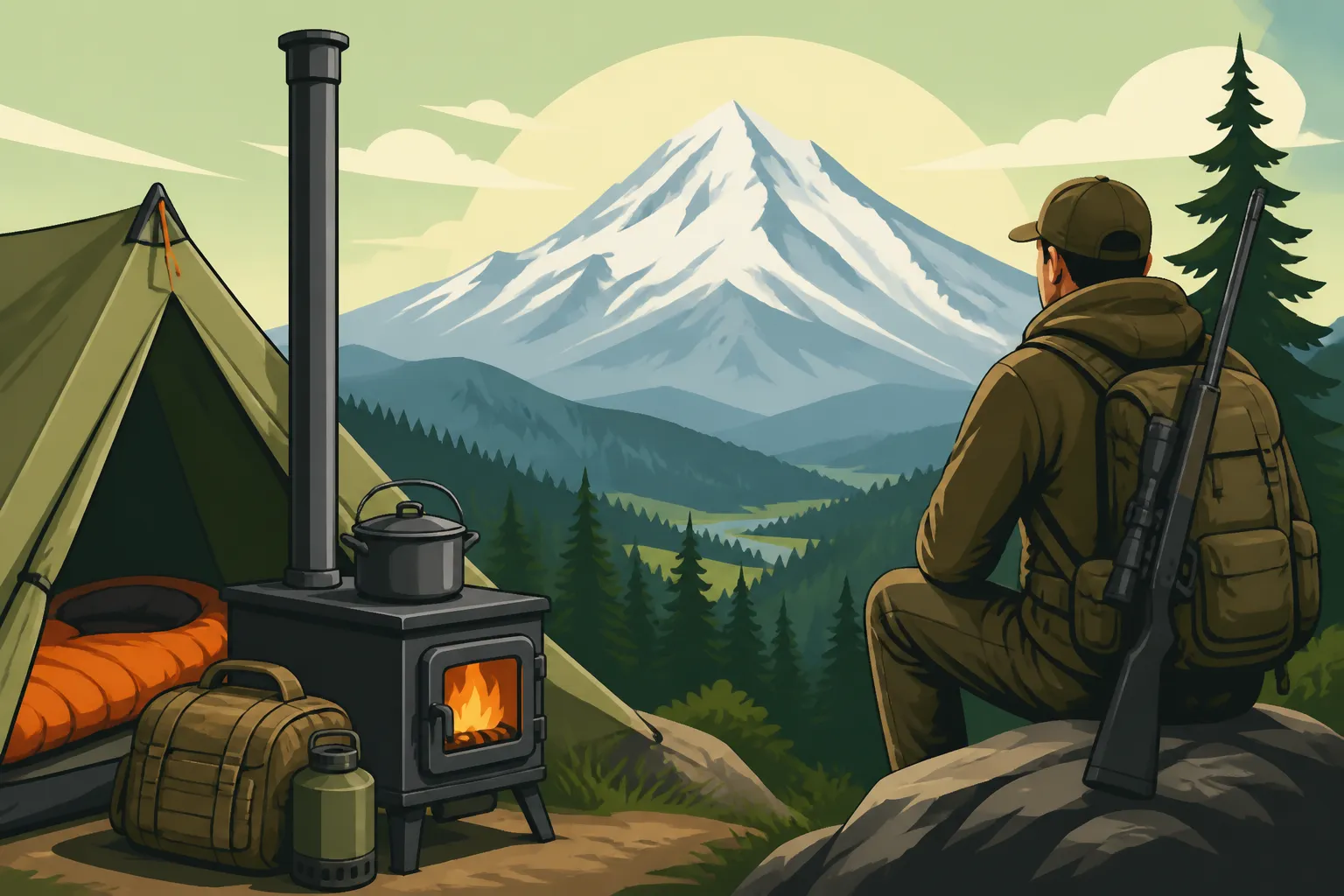
When your hunt involves a larger group, a longer stay, or an area with vehicle access, a traditional wall tent can be an absolute game-changer. These aren't for the faint of heart or the light packer; they require a significant amount of gear to set up, but the comfort they provide is unparalleled. A canvas wall tent, often paired with a wood stove, creates a warm, dry haven where you can properly dry wet clothes, cook elaborate meals, and relax after a long day afield. Imagine returning to camp after a grueling day of Packing an Elk Out of Washington's Backcountry in late November. The snow is falling, and your muscles ache. Stepping into a warm wall tent, stripping off your wet layers, and watching them steam dry by the stove is pure bliss.
The size of your wall tent will depend on your group size and how much gear you plan to store inside. A 10×12 foot tent is usually sufficient for 2-3 hunters with gear, while larger 12×14 or 14×16 foot tents can comfortably house 4-6 people. Canvas is the traditional material, known for its durability and breathability, but synthetic alternatives are available that can be lighter and require less maintenance. Setting up a wall tent involves a significant frame, either internal or external, and lots of guylines to secure it against Washington's often fierce winds. It's a commitment, but the reward is a truly comfortable base camp experience. Remember to check local regulations about where you can erect such a structure and if there are any specific requirements for stove jacks or fire pans. If you're considering a setup like this, you'll definitely want to read up on Wall Tent and Stove Setup to make sure you get it right.
Car Camping and Truck Tents for Accessible Areas
Not every Washington hunt requires a deep backcountry trek. Many fantastic opportunities exist within a short walk or drive from easily accessible roads, especially on national forest lands or designated Hunting Washington's Register to Hunt Properties. For these situations, car camping or truck tents offer a fantastic balance of comfort and convenience. These shelters are designed for quick setup and prioritize interior space and weather protection without the need for extreme lightweight materials. Think of them as extensions of your vehicle, providing a comfortable sleeping area and often some standing room.
A quality car camping tent will provide ample space for cots, gear, and possibly even a small table. Look for robust poles, good ventilation, and a solid rainfly that extends close to the ground to keep wind-blown rain out. Truck tents are specifically designed to fit over the bed of your pickup, lifting you off the cold, wet ground and offering a relatively secure space. They're a favorite among those hunting areas like the Colockum or Naneum GMUs, where you might drive to a new spot each morning. While these tents are heavier and bulkier than backpacking tents, their ease of setup and enhanced comfort often make them the ideal choice for hunts where vehicle access is readily available. They allow you to bring more amenities, like larger coolers or more extensive cooking gear, without worrying about carrying it all on your back.
Here's a quick comparison of common tent types for Washington hunting:
| Tent Type | Best Use Case | Key Advantages | Key Disadvantages | Washington Application |
|---|---|---|---|---|
| Backpacking Tent | Solo/Duo deep backcountry, spike camps | Lightweight, compact, portable, quick to pitch | Limited space, less insulation, condensation can be an issue | Mobile elk hunting, high-country deer, remote Blacktail Deer Hunting in Western Washington Timber |
| Wall Tent | Group base camps, extended stays, cold weather | Spacious, excellent for groups, can use wood stove, very durable | Heavy, bulky, time-consuming setup, requires vehicle access, specific regulations | Long-term deer/elk camps, late-season hunts in the Blues or Colville |
| Car/Truck Tent | Roadside access, frequent camp moves, comfort-focused | Easy setup, comfortable, good space for gear, off the ground (truck) | Limited to vehicle access, heavier, not for deep backcountry | Scouting trips, accessible deer/elk units, family hunts |
Cooking and Heating: Stoves for Every Washington Camp
Just like your shelter, your cooking and heating setup needs to match your hunting style and the conditions you expect. There’s a vast difference between boiling water for instant coffee on a minimalist hunt and simmering a hearty stew in a comfortable base camp. Washington's weather means you'll almost always appreciate a hot meal or a warm space, especially during those frosty mornings or wet evenings.
Backpacking Stoves for Lightweight Meals
For hunters who are counting every ounce, a lightweight backpacking stove is a must-have. These stoves are primarily designed for boiling water quickly for freeze-dried meals, coffee, or hot drinks, rather than gourmet cooking. The most common types are canister stoves, which screw directly onto a fuel canister (usually an isobutane-propane blend). They are incredibly simple to operate, lightweight, and relatively clean-burning. However, their performance can degrade in freezing temperatures, as the pressure in the canister drops.
For colder conditions, or for longer trips where fuel efficiency is key, liquid fuel stoves (like those from MSR or Primus) are often preferred. They burn white gas, which performs consistently even when the mercury plummets, making them excellent for a Late-Season Hunting in Washington Snow. They are also typically refillable, reducing waste, but they require priming and can be a bit more finicky to operate and maintain. Solid fuel tabs are another option for ultra-light minimalists, but they are slower and leave a residue. When choosing a backpacking stove, consider the weight, boil time, fuel efficiency, and how it performs in the cold and wind. Many systems now come with integrated pots and wind shields, which significantly improve performance in breezy Washington conditions. A reliable stove means you can enjoy a hot meal even when hunkered down in a remote Backcountry Camps in Washington Wilderness.
Wood Stoves for Wall Tents and Cold Weather
If you're embracing the comfort of a wall tent for your Washington hunt, then a portable wood stove is the absolute pinnacle of camp luxury, particularly when the cold sets in. Nothing beats the radiant warmth of a wood stove in a canvas tent, providing a place to dry out soaked gear, warm your bones, and create a truly inviting atmosphere. These stoves are typically made from lightweight steel or titanium, designed to pack down relatively flat or nest components for transport. They come with a stove pipe that vents through a fire-resistant jack in the tent roof.
The benefits are huge: incredible warmth, the ability to cook on the flat top, and an effective way to dry out clothes and boots after a wet day in the woods. However, they require a constant supply of dry wood, which means foraging or bringing in your own, and they demand careful attention to fire safety. You'll need a spark arrestor on the stove pipe, a fire-resistant mat under the stove, and a shovel and water source nearby. Crucially, you must always be aware of Fire Restrictions During Dry Hunting Seasons in your specific GMU, as wood fires (even in stoves) are often prohibited during dry periods. Before heading out, always check the current fire danger ratings and restrictions for the area you plan to hunt through resources like the Department of Natural Resources (DNR) or the National Forest Service, or even hunting resources like GoHunt, which often compile this information for different units.
Propane and Multi-Fuel Stoves for Base Camps
For car-accessible base camps, especially those with larger groups, propane or multi-fuel stoves offer robust cooking solutions that are easy to use and provide ample cooking power. These are the kinds of stoves you might find at a tailgate party or a family camping trip, scaled up for serious camp cooking. A two-burner propane stove is a common choice, allowing you to cook multiple dishes simultaneously – perhaps frying up some elk sausage for breakfast while boiling water for coffee. Propane cylinders are readily available and simple to connect.
Multi-fuel stoves designed for base camp use can burn various liquid fuels like gasoline, kerosene, or diesel, offering versatility, especially in remote areas where specific fuel types might be hard to find. They are generally more durable and capable of handling larger pots and pans than their backpacking counterparts. While these stoves are heavier and bulkier, their convenience and capacity make them ideal for preparing substantial meals for a hungry hunting party. They also tend to be less prone to wind interference than some smaller backpacking models, though a good windscreen is still a wise addition. If your hunt involves vehicle access and you're looking for comfortable, delicious meals at camp, a propane or multi-fuel stove is often the way to go.
Essential Camp Comforts and Practical Gear
Beyond just sleeping and eating, a well-equipped camp provides the little comforts and practical necessities that turn a grueling hunt into a memorable adventure. These are the items that keep you warm, dry, organized, and connected, all crucial for maintaining morale and effectiveness in the field.
Sleeping Systems: Bags, Pads, and Pillows
A good night's sleep is paramount for sustained effort in Washington's demanding hunting terrain. Your sleeping system is a critical investment. It consists of three main components: your sleeping bag, your sleeping pad, and often a pillow.
- Sleeping Bag: The most important consideration is the temperature rating. Washington's nights can get surprisingly cold, even in early season. A bag rated for 15-20°F is a good all-around choice for many big game seasons, but for late-season hunts, you might need a 0°F bag or even colder. Down insulation offers excellent warmth-to-weight ratio and compresses well, but it loses its insulating properties when wet – a significant concern in soggy Western Washington. Synthetic insulation, while heavier and bulkier, retains warmth even when damp, making it a popular choice for coastal and rainforest hunts. Consider the shape too; mummy bags are most efficient for warmth, while semi-rectangular bags offer more room for comfort.
- Sleeping Pad: This is just as important as your sleeping bag, if not more so, for warmth. The ground saps heat from your body quickly. A sleeping pad provides insulation and cushioning. Look for the R-value, which indicates its thermal resistance. For most Washington hunting, an R-value of 3.0 or higher is recommended. For cold, late-season hunts, an R-value of 4.0-5.0+ is better. Inflatable pads offer superior comfort and insulation but can be punctured; closed-cell foam pads are bombproof but less comfortable and bulkier. Many hunters combine a lightweight foam pad with an inflatable one for maximum warmth and durability.
- Pillow: While often overlooked, a comfortable pillow can make a huge difference in sleep quality. Dedicated inflatable camping pillows are lightweight and packable, or you can simply stuff a dry bag or clothes sack with soft items.
Keeping your sleeping system dry is absolutely critical in Washington. Always store your sleeping bag in a waterproof stuff sack, and make sure your tent floor is protected by a footprint. Waking up in a damp sleeping bag is a morale killer and can even be dangerous in cold conditions.
Camp Furniture and Organization
While hardcore backpack hunters might eschew anything beyond the bare essentials, a comfortable base camp can significantly enhance your experience. Foldable camp chairs are a game-changer after a long day of hiking or packing out meat. Being able to sit upright, rather than on a log or the cold ground, can feel like pure luxury. Similarly, a lightweight, packable camp table provides a clean, elevated surface for cooking, eating, or organizing gear, keeping things out of the dirt and mud.
Organization in camp, especially for longer stays, is key to preventing frustration and lost gear. Consider using plastic totes for food and cooking supplies that are critter-proof and stackable. Mesh hangars inside wall tents or even backpacking tents can help dry small items or keep essentials off the floor. Packing an Elk Out of Washington's Backcountry means a lot of gear moving in and out, so a system helps. For boots and wet outerwear, a designated drying area (especially near a wood stove) is essential. A well-organized camp reduces stress and makes everything more efficient, leaving you more time and energy for hunting.
Lighting, Power, and Communication
When daylight fades in Washington's deep forests, reliable light sources become non-negotiable. A quality headlamp is arguably the most important piece of lighting gear, leaving your hands free for tasks like setting up camp, processing game, or navigating trails after dark. Look for models with multiple brightness settings, a red light option (to preserve night vision and for stealth), and a long battery life. Always carry spare batteries or a rechargeable power bank. In addition to a headlamp, a compact LED lantern can illuminate your tent or cooking area, providing ambient light for group activities.
Power for your essential electronics – phone, GPS device, trail cameras – is another modern necessity. Portable power banks, charged before your trip, are indispensable. For longer excursions, some hunters might bring small solar panels, though Washington's often cloudy skies can limit their effectiveness.
Finally, communication in Washington's vast wilderness can be tricky. Cell service is often non-existent in remote hunting units. This is where satellite messengers or personal locator beacons (PLBs) become vital for safety, especially on solo hunts. Devices like Garmin inReach or Zoleo allow you to send and receive text messages, share your location, and, most importantly, send an SOS signal in an emergency. For group hunts, two-way radios (FRS/GMRS) can keep hunters connected within a few miles, particularly useful in thick timber or broken terrain. Always inform someone of your detailed hunt plan, including your intended route, camp locations, and return date, before heading into the backcountry. You can learn more about these critical tools in Satellite Messengers for Solo Washington Hunts.
Navigating Washington's Camp Regulations and Safety
Camping in Washington, especially on public lands, comes with a set of rules and best practices designed to protect both the environment and public safety. Understanding these regulations and adhering to Leave No Trace principles is crucial for a responsible and enjoyable hunt.
Fire Restrictions and Safe Campfires
This is a big one in Washington, especially during the dry summer and early fall hunting seasons. Wildfires are a constant threat, and conditions can change rapidly. Before every hunt, check the current fire restrictions for the specific national forest, state land (DNR), or wildlife area where you plan to camp. These restrictions can range from a complete ban on all open flames to requiring campfires only in designated rings or with a shovel and water nearby.
Even if campfires are permitted, always practice fire safety:
- Location: Build fires in established fire rings if available, or on bare soil away from overhanging branches, dry grass, and logs.
- Size: Keep fires small and manageable.
- Attendance: Never leave a fire unattended, even for a moment.
- Extinguishing: Douse fires with water, stir the ashes, and add more water until all embers are cold to the touch. This often requires much more water than people think.
- Propane/Gas Stoves: Even propane stoves can be restricted during extreme fire danger, though this is less common than campfire bans. Always err on the side of caution.
Ignoring fire restrictions can lead to severe penalties, including fines and even jail time, not to mention the devastating impact of a wildfire. GoHunt often provides updated information on fire bans for specific GMUs, or you can find current details by checking the WDFW and US Forest Service websites. It's really worth reading Checking Washington Fire Closures Before You Go before you head out.
Wilderness Rules and Leave No Trace Principles
Washington is home to incredible wilderness areas, offering pristine hunting experiences. However, these areas come with strict regulations to preserve their wild character. If you're planning a hunt in places like the Pasayten, Alpine Lakes, or Wenaha-Tucannon wilderness areas, you need to understand the rules. Common wilderness regulations include:
- Group Size Limits: Often limited to 12 people or fewer, with some areas having even smaller limits.
- Stock Use: If you're bringing horses or llamas for packing (see Packing In With Horses or Llamas), you'll need to use certified weed-free feed in many wilderness areas.
- Motorized Equipment: Strictly prohibited. This includes ATVs, e-bikes, chainsaws, and even motorized carts. This is a key difference from other public lands, and you should be aware of Washington Wilderness Rules on Motorized Carts.
- Camping Restrictions: Some areas have specific rules about where you can camp (e.g., minimum distance from water sources or trails) and how long you can stay.
Beyond regulations, the Leave No Trace (LNT) principles are critical for minimizing your impact on the environment:
- Plan Ahead and Prepare: Know the regulations, prepare for extreme weather, and pack appropriate gear.
- Travel and Camp on Durable Surfaces: Stick to established trails and campsites. If none exist, camp on rock, gravel, dry grasses, or snow. Avoid sensitive vegetation.
- Dispose of Waste Properly: Pack out everything you pack in, including all trash and food scraps. Dig catholes 6-8 inches deep for human waste, at least 200 feet from water, camp, or trails.
- Leave What You Find: Do not disturb cultural or natural artifacts.
- Minimize Campfire Impacts: Use established fire rings, keep fires small, and fully extinguish them.
- Respect Wildlife: Observe from a distance, do not feed animals, and store food securely.
- Be Considerate of Other Visitors: Respect solitude, avoid loud noises, and yield to others on trails.
Adhering to LNT not only preserves Washington's wild places but also ensures that future generations of hunters can enjoy them just as you do.
Water Sourcing and Purification
Access to clean drinking water is fundamental for any hunting trip, and Washington offers plenty of sources, but almost all require purification. Never assume natural water sources are safe to drink directly. Giardia, cryptosporidium, and other harmful pathogens are common.
Methods for water purification include:
- Filters: Pump filters, squeeze filters, or gravity filters are popular for backpacking. They remove bacteria and protozoa but may not remove viruses. They are generally fast and effective. Water Filters for Backcountry Camps can be a real lifesaesaver.
- Chemical Treatments: Iodine tablets or chlorine dioxide drops are lightweight and compact. They kill bacteria, viruses, and protozoa, but require waiting time and can leave a taste.
- UV Purifiers: Devices that use ultraviolet light to kill pathogens. Fast and effective against viruses, but require batteries and clear water (turbid water needs pre-filtering).
- Boiling: The most reliable method, killing all pathogens. Bring water to a rolling boil for at least one minute (three minutes at higher altitudes). The downside is the fuel required and the time to cool.
Always identify potential water sources during your scouting, either on maps (many mapping apps like GoHunt highlight springs and streams) or by asking experienced local hunters. Consider carrying a collapsible water reservoir or bladder to gather larger quantities of water at a source, allowing you to filter it back at camp. Even a small, personal filter like a Sawyer Mini or Katadyn BeFree can be a literal lifesaver if your primary filter fails or you find an unexpected water source.
Packing Smart: Logistics and Load Management
Effective packing isn't just about fitting everything in your pack; it's about making deliberate choices to ensure you have what you need, can carry it comfortably, and can access it efficiently. This is especially true for Washington hunts, where varied weather and challenging terrain demand smart logistics.
Prioritizing Gear for Weight and Space
Every item in your pack should earn its spot, especially on a backcountry hunt. This means ruthless prioritization.
- Multi-use items: Can one item serve several purposes? A tarp can be a ground cloth, a makeshift shelter, or a wind break. Your cooking pot can double as a mug.
- "Needs" vs. "Wants": Separate essential safety and survival gear (shelter, sleeping system, water purification, first-aid, navigation) from comfort items. On longer hunts, some comfort items become "needs" for morale.
- Shedding ounces: Look for lightweight versions of all your gear. Titanium cookware instead of steel, lightweight synthetic insulation in jackets (like those discussed in Layering for Wet Cold Weather), compact headlamps. While expensive, shaving ounces adds up to pounds, which makes a huge difference on a steep climb.
- Food and Fuel: These are often the heaviest consumables. Plan your meals carefully to be calorie-dense but not excessively heavy. Dehydrated meals are excellent for backpacking. Only bring the necessary amount of fuel for your stove.
When planning, visualize your daily activities: what do you need immediately accessible? What can be buried at the bottom of your pack? For example, your rain gear (check out Rain Gear for Westside Hunting) should always be easily reachable, not buried under your sleeping bag.
Organizing Your Pack for Efficiency
A well-organized pack can save you time, frustration, and even prevent hypothermia if you need to quickly access a warm layer.
- Bottom of the Pack: Bulkier, less frequently needed items go here. Sleeping bag (in a waterproof compression sack), camp shoes, extra camp clothes.
- Middle/Core: Denser, heavier items. Food, fuel, stove, water reservoir (if not in a separate bladder sleeve). Keep the heaviest items close to your back, slightly above your hips, for optimal weight distribution and balance.
- Top of the Pack: Items you need quickly. First-aid kit, rain gear, navigation tools (map, compass, GPS), headlamp, snacks, extra layers.
- Exterior Pockets/Lid: Small essentials like a knife, wind checker, calls, license, lip balm, and perhaps a small camera.
- Waterproofing: Use dry bags or pack liners inside your main pack to protect critical gear like your sleeping bag and extra clothes from Washington's notorious wet weather. Even if your pack is "water resistant," nothing beats a full pack liner.
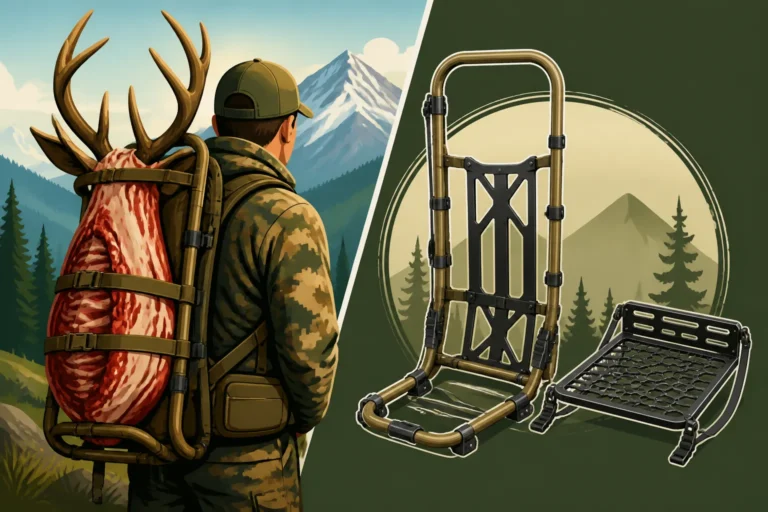
Consider the layout of your pack before you even load it. Many modern hunting packs have external compression straps, load shelves, and dedicated pockets for spotting scopes or water bottles. Using a good frame pack (as discussed in Packs Sized for a Washington Elk Quarter) is crucial when you anticipate having to pack out an animal, as it allows you to separate the meat from your other gear.
Weatherizing Your Camp Gear
Washington's weather can be relentless, and keeping your gear dry is a constant battle.
- Pre-treatment: Treat your tent, rainfly, and rain gear with a DWR (Durable Water Repellent) spray before the season. Check seams for any leaks and re-seal if necessary.
- Ground Protection: Always use a footprint or ground tarp under your tent to protect the floor from punctures and to add an extra layer against ground moisture.
- Internal Drying: In wall tents with wood stoves, hang wet gear to dry. In backpacking tents, air out your sleeping bag and damp clothes whenever there's a break in the weather, even if it's just for an hour during lunch. A small towel for wiping down interior tent walls can help with condensation.
- Ventilation: Maximize ventilation in your tent to reduce condensation. Keep vents open, and if possible, slightly unzip vestibule doors, especially in calm, cool conditions.
- Boot Care: Wet boots are a surefire way to get cold feet. Bring waterproof boots (relevant to Boots for Steep Eastside Country) and consider carrying waterproof gaiters. In camp, remove insoles to allow boots to dry, and if you have a wood stove, keep them near it but not so close they melt!
By being proactive about weatherizing and organizing your gear, you’ll not only stay more comfortable and safe but also extend the life of your valuable equipment, ensuring many more successful Washington hunting adventures.
Disclaimer
This article is for general informational purposes only and does not constitute professional advice. Laws, prices and regulations vary by location and change over time. Consult a qualified professional for guidance on your specific situation.