When a Crossbow Is Legal in Washington
It can be incredibly confusing to sort through all the hunting regulations in Washington, especially when it comes to specific equipment like crossbows. Many hunters, whether they're seasoned veterans looking for an alternative or newcomers trying to understand the landscape, often feel a bit lost trying to figure out if, and when, they can legally use a crossbow for deer or elk. This guide will cut through the jargon and clearly lay out the rules so you can hunt with confidence and stay on the right side of Washington's game laws.
The General Rule: When Crossbows Are Not Allowed in Washington
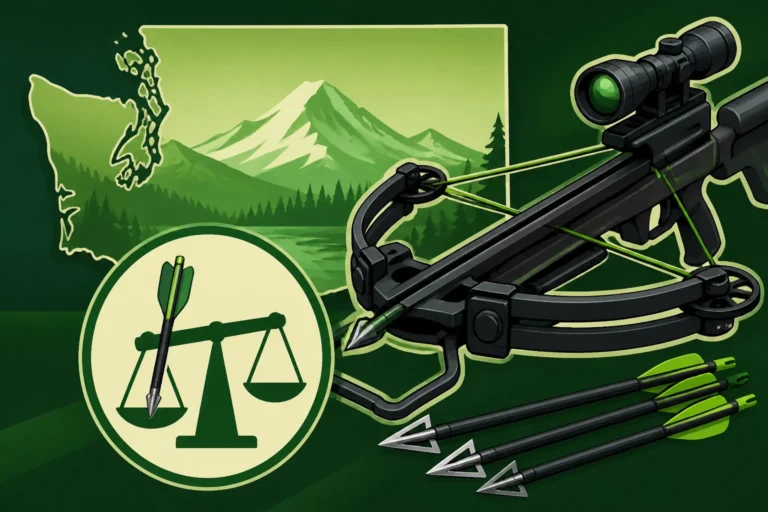
Let's just get this out of the way upfront, because it’s the biggest point of confusion for many: for most hunters, in most general archery seasons in Washington, a crossbow is not a legal weapon. This often catches people off guard, especially if they're coming from states with different regulations or are simply assuming that "archery" encompasses all bow-like devices. The Washington Department of Fish and Wildlife (WDFW) makes a clear distinction, and understanding this is your first step.
Crossbows in General Archery Season
If you've purchased a general archery tag for deer or elk in Washington, you are, by default, restricted to using a traditional or compound bow. The WDFW regulations explicitly define what constitutes a legal archery implement for these seasons, and a crossbow typically falls outside that definition for general hunting. This means if you simply head out during the statewide archery opener with a crossbow, you'll be in violation of the rules. It’s a hard pill to swallow for some, but it’s a critical piece of information. Think of it this way: the state views archery seasons as a distinct challenge, one that requires the specific mechanics and skills associated with drawing and holding a traditional bow. This isn't about judging your skill; it's about adhering to the established framework of the season.
Why the Distinction Between Bow and Crossbow?
This distinction isn't arbitrary, even if it feels frustrating at times. Historically, hunting regulations are often crafted with an eye toward preserving traditional hunting methods, maintaining fair chase principles, and managing game populations. Crossbows, with their ability to be cocked and held at full draw indefinitely, often with magnifying optics, are seen by many as offering a significant advantage over a hand-drawn bow. They bridge a gap between traditional archery and modern firearms in terms of effective range and ease of aiming. Because of these perceived advantages, many states, including Washington, have historically restricted their use in general archery seasons to maintain a perceived level playing field among archery hunters and to ensure the specific challenges of bowhunting remain. While the debate over "fair chase" and equipment advantages continues fiercely among hunters, the WDFW has maintained a clear line for general seasons.
Understanding Special Permit Crossbow Use in Washington
Now, don't despair if you're keen on using a crossbow! While the general rule might seem restrictive, Washington does allow crossbows under specific circumstances, primarily through special permits designed to accommodate hunters with disabilities or other specific needs. These provisions are incredibly important, ensuring that hunting remains accessible to a wider range of people. It’s a testament to the WDFW's commitment to inclusivity, even within strict regulations.
Disability Hunting Permits for Crossbows
This is where crossbows truly shine for many Washington hunters. If you have a permanent physical disability that prevents you from drawing and holding a conventional bow, you may be eligible for a special permit to use a crossbow during any general archery season. This isn't just a casual nod; it's a specific program designed to empower hunters who would otherwise be sidelined. To qualify, you’ll typically need a physician’s certification detailing your disability. This medical documentation needs to be submitted to the WDFW, and they will review your application. If approved, you'll receive a special permit that allows you to hunt with a crossbow during general archery seasons, effectively granting you access that other hunters don't have. It's crucial to understand that this permit is tied to you and your specific medical condition, not just your preference for a different weapon. You can find detailed application procedures and forms on the WDFW website, or tools like GoHunt can help you navigate the application process and deadlines. Always apply well in advance of the season you plan to hunt. For more on applying for these, check out Washington Disability Hunting Permits.
Other Special Situations and Exemptions
Beyond disability permits, there are other limited situations where crossbows might be legal. For instance, if you possess a valid Washington Multi-Season Deer and Elk Tags, your weapon choice might be expanded, though it’s still critical to check the specific regulations for that particular tag. Sometimes, special hunts or damage hunts might have different weapon allowances, but these are generally exceptions to the rule and are clearly outlined in the special hunt permit details.
It's also worth noting that in certain modern firearm seasons, a crossbow may be allowed as a legal hunting implement, but this isn't because it's considered an archery weapon. Rather, it might be permissible simply as an alternative to a firearm if it meets certain power and projectile requirements. This is less about specific crossbow legality and more about general weapon allowances in a modern firearm season where many types of weapons are already permitted. Always consult the most current WDFW Big Game Hunting Seasons and Regulations pamphlet for the specific GMU and season you intend to hunt. The rules can be nuanced, and what's legal in one unit or season might be strictly prohibited in another.
Washington's Specific Crossbow Equipment Regulations
Even when a crossbow is legal to use, either through a special permit or in an allowed general season, Washington still has stringent equipment requirements that must be met. It’s not enough to just have any crossbow; it has to be one that complies with WDFW standards for hunting big game. These regulations are in place to ensure ethical hunting practices and to ensure that animals are harvested cleanly and humanely.
Minimum Draw Weight and Safety Requirements
For starters, any crossbow used for hunting big game in Washington must meet a minimum draw weight. While specific numbers can change, the general intent is to ensure enough kinetic energy to deliver a lethal blow. You can't just pick up a recreational target crossbow and expect it to be legal for a bull elk. These devices need to be capable of humanely dispatching large game. Beyond draw weight, crossbows must also be equipped with a functional safety mechanism. This is a standard safety feature on all modern crossbows, but it's explicitly stated in the regulations to ensure hunter safety and prevent accidental discharge. Always ensure your crossbow's safety is engaged until you are ready to take a shot, especially when navigating dense Western Washington timber or open Eastern Washington breaks. This attention to detail aligns with Washington's Legal Equipment Rules by Weapon across the board.
Arrow/Bolt and Broadhead Specifications
The projectile fired from your crossbow, often called a bolt (though sometimes referred to as an arrow), also has specific requirements. The WDFW dictates a minimum weight for bolts. Currently, this is The 350-Grain Rule for Arrows and Bolts for big game. This ensures the projectile carries enough mass to penetrate effectively. Light, flimsy bolts simply won't cut it.
Furthermore, the broadhead attached to your bolt is under strict scrutiny. For big game, Washington requires a fixed-blade broadhead with a minimum cutting width, typically seven-eighths of an inch. Mechanical or expandable broadheads are legal in Washington, but they must meet this minimum cutting width when fully expanded. This is a critical detail, as many mechanical broadheads only achieve their full cutting diameter after impact. It’s your responsibility to ensure your chosen broadhead complies. The broadhead also needs to be razor sharp, as dull blades lead to poor penetration and potentially wounded animals. This is a common theme in all archery regulations, reinforcing the importance of Washington Broadhead Sharpness Requirements. Using a dull broadhead, regardless of type, is simply unethical and illegal. Ensure your practice bolts match the weight and flight characteristics of your hunting bolts.
Here’s a quick summary table of crossbow legality by general season in Washington:
| Season Type | Crossbow Legality (General Public) | Special Permit Required | Key Equipment Considerations |
|---|---|---|---|
| General Archery Season | No | Yes (Disability Permit) | Minimum draw weight, 350-grain bolt, minimum 7/8" broadhead width |
| General Modern Firearm | Often Permitted | No | Meets firearm season projectile requirements (check pamphlet) |
| General Muzzleloader | No | No | Not considered a muzzleloader |
| Special Permit Hunts | Varies by Hunt | Varies by Hunt | Always check specific permit rules and WDFW pamphlet |
Integrating Crossbow Hunting into Your Washington Strategy
So, you've qualified for a disability permit, or you've found a modern firearm season where crossbows are an option. Now what? Integrating a crossbow into your hunting strategy requires thoughtful planning, just like any other weapon. It's not simply a point-and-shoot affair; success comes from understanding the nuances of the weapon and how it interacts with the specific hunting conditions in Washington.
Planning Your Hunt Around Crossbow Legality
Your first step, once you confirm crossbow legality for your specific situation, is to select your hunting area and plan your season. This is where tools like GoHunt become invaluable. You can research Game Management Units (GMUs) that offer terrain and game populations suitable for your hunting style, keeping in mind the effective range of your crossbow. Crossbows generally offer a longer effective range than traditional bows but still fall short of many modern firearms. This means your approach to stalking, calling, and stand placement will be different from a rifle hunter's. For instance, if you're chasing Roosevelt Elk of Western Washington, the dense timber might keep shots close, making a crossbow highly effective. Conversely, on the vast Eastern Washington Hunting Country where shots can be long, you'll need to recognize your limitations.
Remember, even with a crossbow, you're still bound by all other hunting regulations for the season you're participating in. This includes rules on antler points, bag limits, shooting hours, and tag declarations. Don't assume that because you have a special permit for a crossbow, other rules are relaxed. Every hunter, regardless of weapon, must adhere to the overarching WDFW regulations for that specific hunt. Familiarizing yourself with resources like E-Scouting Washington GMUs Before the Draw can help you pinpoint units that align with your permitted weapon and hunting goals.
Ethical Considerations and Practice for Crossbow Hunters
Just like with any hunting weapon, proficiency is paramount for ethical hunting. Owning a crossbow doesn't automatically make you a marksman. You need to practice regularly, not just at a static target, but simulating hunting conditions. Practice shooting from elevated stands, from kneeling or sitting positions, and at varying distances. Understand your crossbow's trajectory and drop, especially at longer ranges. While a crossbow eliminates the need to hold a draw, you still need steady aim, proper trigger control, and an understanding of shot placement.
Additionally, consider the specific challenges of hunting in Washington. If you're hunting in western Washington, expect rain and dampness. Ensure your crossbow, bolts, and optics (if using a scope) are all weather-resistant. For eastern Washington's rugged terrain, physical conditioning to reach prime spots will be key. And regardless of where you hunt, always be prepared for tracking an animal. Even with a perfectly placed shot, animals can travel, and knowing how to Blood Trailing in Thick Understory is a skill every hunter needs. Ethical hunting means doing everything in your power to ensure a quick, clean kill and a successful recovery. A crossbow can be a powerful tool in the right hands, but those hands must be trained and responsible.
Disclaimer
This article is for general informational purposes only and does not constitute professional advice. Laws, prices and regulations vary by location and change over time. Consult a qualified professional for guidance on your specific situation.