Olympic National Park Versus Forest Hunting
It's incredibly easy to get turned around, especially when you're thinking about hunting in a region as stunning and wild as the Olympic Peninsula. Many hunters, myself included, have looked at a map and scratched their heads, wondering about the difference between Olympic National Park and Olympic National Forest. This confusion isn't just a minor detail; it's a critical distinction that can mean the difference between a legal, fulfilling hunt and a potentially very expensive, regrettable mistake. This guide is here to untangle that knot for you, clearly outlining where you can hunt and, more importantly, where you absolutely cannot, ensuring you can plan your next adventure with confidence.
The Fundamental Difference: National Parks Versus National Forests
Let's cut right to the chase, because this is the absolute core of the confusion. The names sound similar, both conjuring images of pristine wilderness and abundant wildlife, but their fundamental missions and, therefore, their regulations, are vastly different when it comes to hunting. Understanding this distinction is the first, most crucial step for any hunter looking to explore the Olympic Peninsula.
Olympic National Park Regulations
Olympic National Park, like all national parks across the country, is managed by the National Park Service (NPS). Its primary directive is preservation. This means protecting its natural and cultural resources for future generations. For hunters, this translates to one very clear and non-negotiable rule: hunting is strictly prohibited within Olympic National Park boundaries. You cannot hunt, trap, or even discharge a firearm for hunting purposes inside the park. The penalties for violating these regulations are severe, ranging from hefty fines to confiscation of equipment, and potentially even jail time. It's a federal offense, not just a state one. Imagine spending months planning, scouting, and preparing, only to realize you've crossed an invisible line and now face serious legal trouble – it’s a nightmare scenario that’s easily avoidable with proper planning. Even carrying a cased firearm through the park requires strict adherence to federal law, which is often easier to avoid entirely if you're headed to hunting grounds outside its perimeter.
Olympic National Forest Regulations
In stark contrast, Olympic National Forest is managed by the U.S. Forest Service (USFS). The USFS operates under a "multiple use" mandate. This means they manage the land for a variety of purposes, including timber production, recreation (like hiking, camping, and hunting), grazing, and wildlife conservation. For hunters, this is good news: hunting is permitted within Olympic National Forest, provided you adhere to all Washington State hunting regulations. This includes having the appropriate licenses and tags, following season dates, weapon restrictions, and bag limits set by the Washington Department of Fish and Wildlife (WDFW). The forest is a vast, rugged expanse, offering incredible opportunities for Roosevelt Elk of Western Washington and Columbian Blacktail Deer in Western Washington. You'll find a mix of old-growth timber, dense second-growth, clearcuts, and high-alpine basins, all offering different hunting challenges and experiences. The terrain is famously wet and steep, demanding robust gear and physical preparation, but the rewards can be truly exceptional.
Understanding the Boundaries on the Olympic Peninsula
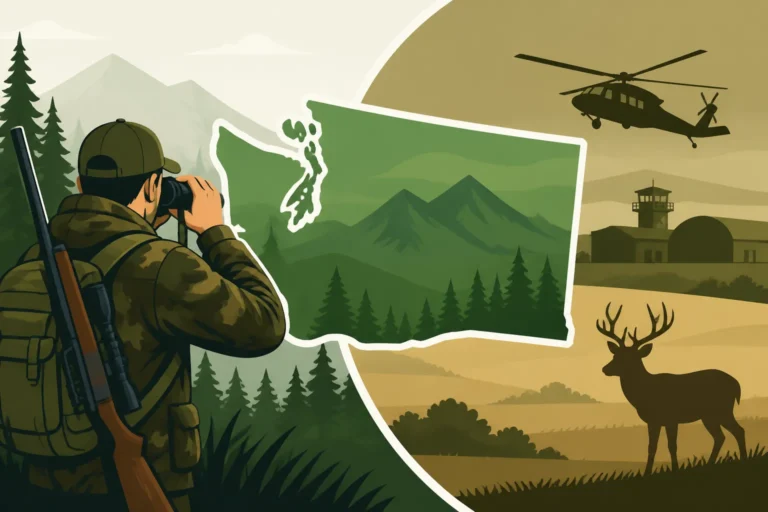
The Olympic Peninsula is a tapestry of public and private lands, and the way Olympic National Park and Olympic National Forest are laid out can be incredibly confusing. They don't just sit neatly side-by-side; rather, the national forest often wraps around and even intermingles with the national park, creating a complex patchwork. This intricate geography makes accurate boundary identification absolutely critical for hunters.
Visualizing the Map
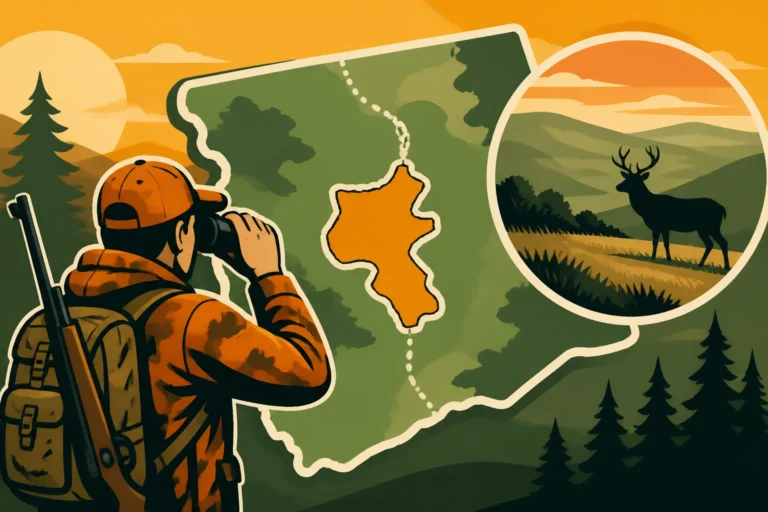
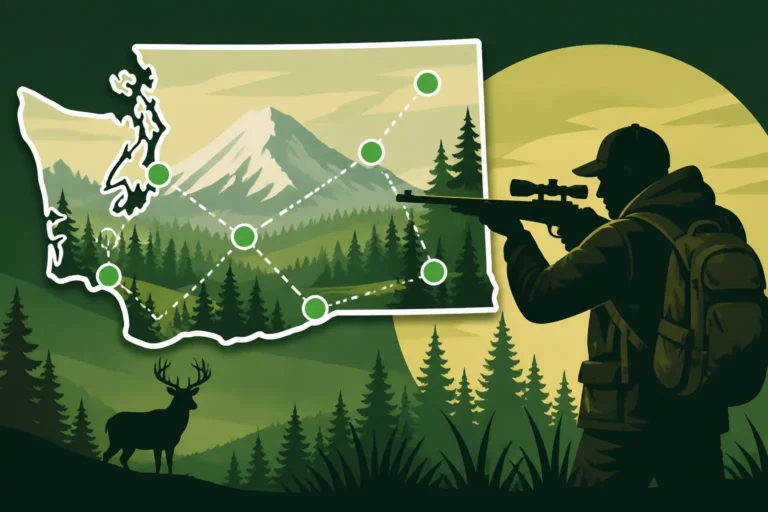
Think of the Olympic National Park as the central, protected core, with the Olympic National Forest acting as a protective, and huntable, buffer zone around much of it. However, it's not a perfect ring. There are fingers of national forest reaching into areas, and sometimes private parcels or even state lands (like DNR, or Department of Natural Resources lands) nestled right up against the park. This creates a kind of "donut hole" or "swiss cheese" effect, where you can be hunting in national forest, drive a short distance, and suddenly be in the national park without a clear change in scenery. This is where modern mapping technology becomes not just helpful, but absolutely indispensable. Tools like onX Hunt, for example, are fantastic for visualizing these complex land ownership layers directly on your phone or GPS device. You can see the distinct boundary lines between national park, national forest, state lands, and private property with remarkable clarity. Before you ever step foot on the ground, you should be thoroughly studying these maps. Zoom in, zoom out, identify access points, and trace those boundaries. It’s the single best way to avoid accidental trespass or, worse, hunting illegally within the park.
Practical Tips for Boundary Awareness
Reliance on physical signs alone for distinguishing National Park from National Forest can be risky. While some boundaries may be clearly marked with signs or differing management practices (like logging roads suddenly ending at an untouched forest line), others are not. Weather, vandalism, or simple oversight can mean critical signage is missing.
Here's how to stay safe:
- GPS is Your Best Friend: Always carry a reliable GPS unit or a smartphone with a robust offline mapping app, such as onX Hunt. Download the maps for your intended hunting area before you lose cell signal, which is inevitable in much of the Olympic Peninsula backcountry. Mark the boundaries of the national park, national forest, and any other relevant land ownership with waypoints or colored lines.
- Always Double-Check: When you're near a boundary, take a moment to confirm your position. If you're walking a ridge line and your map shows the national park just over the crest, stay on your side. If you're approaching a creek bottom that forms a boundary, know exactly where that line is. A quick glance at your GPS can save you a world of trouble.
- Look for Subtle Clues: While not foolproof, sometimes the type of forest management can offer a clue. National forest lands might show signs of past logging, active timber management, or more extensive road systems (even if many are gated). National park land will typically look more pristine, with very limited human intervention beyond designated trails. However, these are general observations and absolutely should not replace precise GPS navigation.
- Scout, Scout, Scout: Pre-season scouting, both digitally and physically, will help you familiarize yourself with the terrain and the nuances of the boundaries. Understanding Olympic National Forest Hunting Areas will be much easier if you've done your homework.
Hunting Opportunities in Olympic National Forest
Now that we've firmly established where you can hunt, let's talk about the exciting part: the hunting itself within the sprawling, rugged beauty of Olympic National Forest. This area presents unique challenges and equally unique rewards, primarily for two iconic big game species.
Common Game Species and Seasons
The two main big game draws in the Olympic National Forest are Roosevelt elk and Columbian Blacktail deer.
- Roosevelt Elk: The Olympic Peninsula is famous for its massive Roosevelt elk. These animals are generally larger in body than their Rocky Mountain cousins, adapted to the dense, wet forests of Western Washington. Hunting them is an exercise in patience, stealth, and endurance. They typically inhabit thick timber, river bottoms, and lush clearcuts. General seasons for elk on the west side of the Cascades, which includes the Olympic Peninsula, usually occur in the fall, with specific dates varying by weapon type (archery, muzzleloader, modern firearm). You'll need to consult the current WDFW regulations pamphlet for exact dates in your chosen Game Management Unit (GMU), but generally, archery seasons kick off in early fall, followed by muzzleloader and then modern firearm. Success often means still-hunting through dense brush or intercepting animals moving between bedding and feeding areas. Roosevelt Bulls and Why They Bugle Less is a good read if you're trying to figure out their vocalizations in this dense environment.
- Columbian Blacktail Deer: These secretive deer are the dominant deer species on the west side. They are notoriously elusive, preferring the security of thick cover found in regenerating clearcuts and dense timber. Blacktail hunting in the Olympic National Forest demands a slow, deliberate approach. Still-hunting is a highly effective tactic, as is targeting areas with recent logging activity where new browse offers feeding opportunities. The general deer seasons typically run concurrently with or around the elk seasons, usually in October and November. Like elk, specific dates and antler restrictions (such as the Washington's Three-Point Rule and What Counts) depend on the GMU and weapon choice, so always double-check the WDFW pamphlet. Reading Clearcuts and Reprod for Blacktail Bucks can give you an edge in this type of habitat.
Access and Terrain Challenges
Hunting the Olympic National Forest is not for the faint of heart. The terrain is often steep, brushy, and relentlessly wet, making every step a deliberate effort.
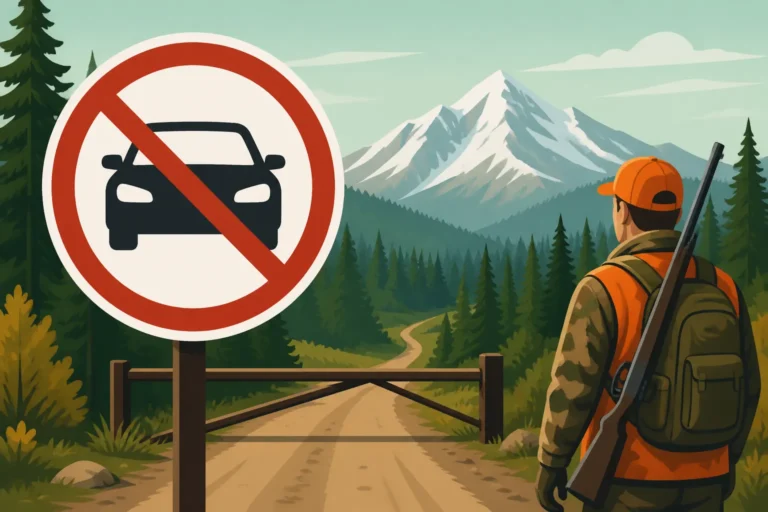
- Road Access: While there's a network of logging roads throughout the national forest, many are gated or decommissioned. The "Green Dot" road system is prevalent in some areas, indicating roads open to vehicle traffic on specific dates or for specific purposes. Washington Green Dot Road Systems outlines these regulations. Always verify road status before planning your approach, as gates can close without much warning, turning a short drive into a long hike. Weyerhaeuser and Hancock often have extensive timber holdings adjacent to or within the forest, and accessing these sometimes requires permits, so research private timber access programs.
- Dense Vegetation: Expect to push through salal, devil's club, sword ferns, and huckleberry brush. This isn't wide-open country. Visibility can be limited to mere yards in places, making close-quarters hunting the norm. This kind of environment tests your patience and your gear.
- Relentless Rain: The Olympic Peninsula is known for its precipitation. You can expect rain, drizzle, or fog, often for days on end, especially during the prime hunting seasons. This means your gear needs to be up to the task. Rain Gear and Layering for Washington Hunts is not just a suggestion, it's a survival guide for this region. Investing in high-quality waterproof outerwear is non-negotiable.
- Steep, Uneven Ground: From the deep river valleys to the high peaks, the landscape is constantly going up or down. Your footwear choice is paramount. You'll need boots with excellent ankle support and aggressive traction to navigate slippery slopes, wet rocks, and muddy trails. Boots for Washington's Eastside Rock and Westside Mud are a must.
- Navigational Challenges: The dense canopy, fog, and winding terrain can disorient even experienced woodsmen. Coupled with the complex land ownership boundaries, robust navigation tools are essential. Your GPS with pre-loaded maps and a compass as a backup should always be with you.
Planning Your Hunt to Avoid Costly Mistakes
Hunting the Olympic Peninsula offers incredible experiences, but it also carries the potential for significant pitfalls if not planned meticulously. Given the strict boundaries between huntable forest and protected parkland, avoiding mistakes is paramount. A well-thought-out plan isn't just about success; it's about legality and safety.
Pre-Season Scouting and Research
The best defense against accidental violations is thorough preparation. You can't just show up and hope for the best, especially in an area with such intertwined land designations.
- Deep Dive into Regulations: Before anything else, get your hands on the latest Washington Big Game Hunting Seasons and Regulations pamphlet. Read it cover to cover, paying special attention to the GMU you plan to hunt. Note all season dates, weapon restrictions, bag limits, and specific rules for that unit. Remember, regulations can change, so always ensure you have the most current information. The Washington Big Game Pamphlet Release is your go-to source.
- Map Mastery: This can't be stressed enough. Utilize digital mapping platforms like onX Hunt or even WDFW's own online maps to identify the exact boundaries of Olympic National Park, Olympic National Forest, DNR lands, and private timberlands. Look for any "no-hunting" zones, firearm restriction areas, or wilderness designations. Learn Reading a Washington GMU Boundary inside and out. Mark potential access points, possible routes, and bailout options. Spend hours pouring over these maps, simulating your hunt from your armchair. GoHunt can also be a valuable resource for species information and general hunting unit intel, helping you identify potential areas for successful hunts within the national forest.
- Contact Local Agencies: Don't hesitate to call the local WDFW office or the U.S. Forest Service Ranger District office that manages the specific area you're interested in. They are a wealth of information regarding current conditions, road closures, fire restrictions, and any recent changes in regulations. A quick phone call can often clarify ambiguities and prevent misunderstandings.
- Identify Access Points: Pinpoint where you can legally enter the national forest. Are there specific gates? Are permits required for certain timber company lands? What's the closest public access point to the national park boundary where you can hunt? Understanding Hunting Behind Timber Company Gates is vital for many areas on the peninsula.
Essential Gear for Olympic Peninsula Hunts
Beyond your weapon and optics, the Olympic Peninsula demands a specific set of gear to ensure comfort, safety, and legality. This isn't a place to skimp on essentials.
- Robust Navigation Tools: A reliable GPS device with pre-loaded maps of land ownership is non-negotiable. Pair it with your smartphone running an app like onX Hunt, and always carry a physical map and compass as backup. Know how to use all of them, especially offline. GPS Apps and Offline Maps for Washington Units are critical when cell service disappears.
- Superior Rain Gear and Layers: As mentioned, rain is a given. Invest in truly waterproof, breathable outer layers that can withstand constant moisture. Layering is key, allowing you to adapt to temperature swings from chilly mornings to mild afternoons. Focus on synthetic or merino wool base and mid-layers that retain insulating properties even when wet.
- High-Quality Footwear: Waterproof, supportive boots are crucial. They should be broken in well before your hunt to prevent blisters on steep, uneven terrain. Consider gaiters to keep brush and water out of your boots.
- First Aid and Emergency Supplies: Hunting in the Olympic National Forest often means being miles from civilization. A comprehensive First Aid Kit for a Remote Hunt is essential. Include items for blisters, cuts, sprains, and any personal medications. Also carry fire starting materials, a headlamp with spare batteries, emergency shelter, and sufficient food and water. For solo hunters or those going deep, a satellite messenger or two-way radio can be a lifesaver.
- Game Processing Tools: If you're successful, you'll need game bags, a sharp knife, and potentially a bone saw. Given the dense terrain, be prepared for Quartering and Packing an Elk Solo or The Gutless Method on an Elk if you're deep in the woods. Early season hunts can also be warm, requiring quick field dressing to cool meat.
By meticulously planning and equipping yourself for the unique challenges of the Olympic National Forest, you can enjoy a safe, legal, and potentially very successful hunt in one of Washington's most wild and beautiful regions. Ignoring the rules, especially those governing national park boundaries, can lead to severe consequences, including Washington Wildlife Violation Penalties, so always err on the side of caution.
Disclaimer
This article is for general informational purposes only and does not constitute professional advice. Laws, prices and regulations vary by location and change over time. Consult a qualified professional for guidance on your specific situation.