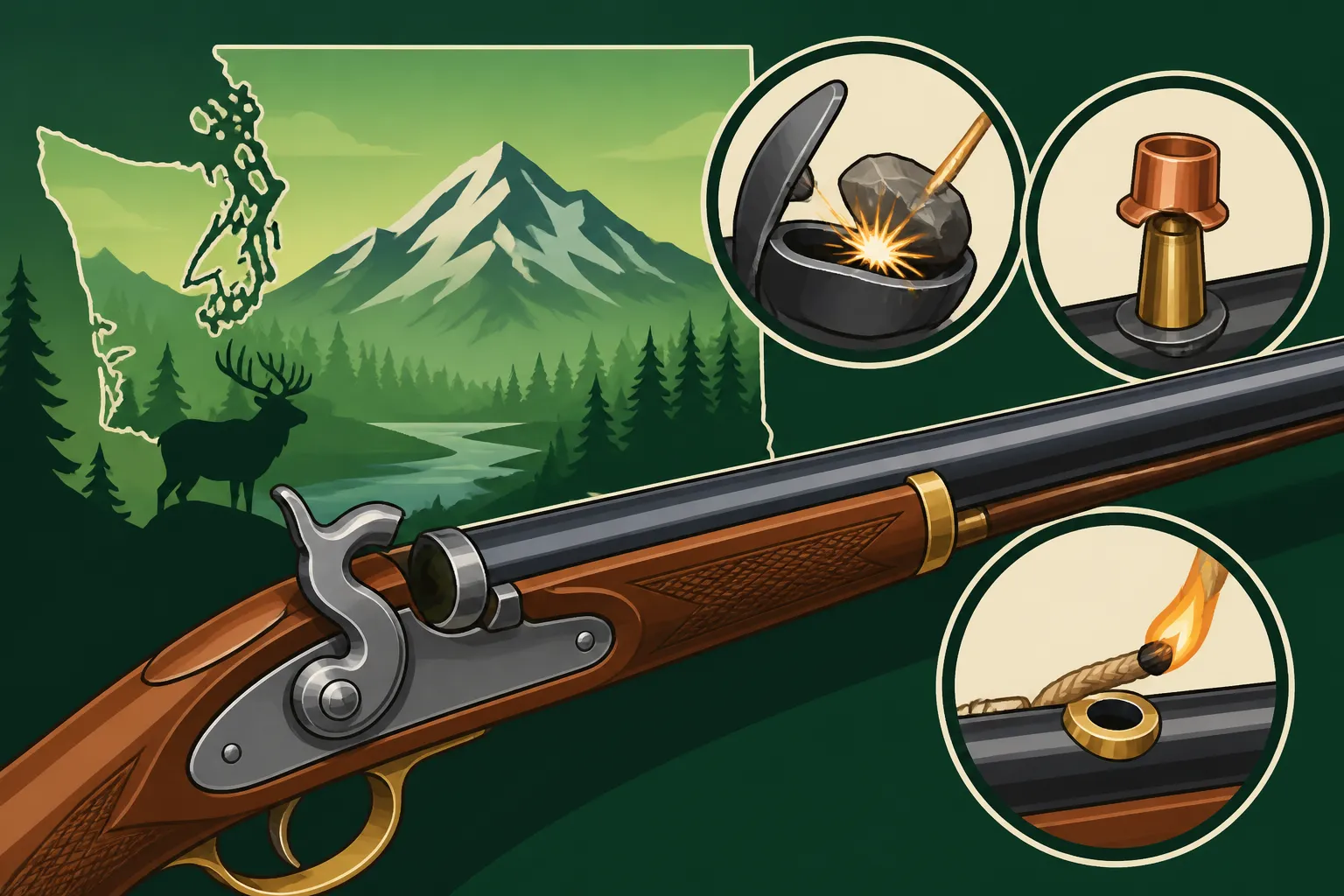
Muzzleloader Ignition Types Washington Allows
If you've ever stared at the muzzleloader section of the Washington Big Game Hunting Seasons pamphlet, feeling a little overwhelmed by the specifics of what's legal and what's not, you're definitely not alone. It can feel like a maze trying to figure out if your trusty inline, or that beautiful traditional flintlock you inherited, is actually good to go for a Washington muzzleloader season. This guide is here to untangle the nuances of muzzleloader ignition systems allowed in our state, helping you hunt confidently and legally.
Navigating Washington's Muzzleloader Rules: A Primer on Ignition
Washington state has a unique approach to muzzleloader hunting, often aiming to preserve a more traditional hunting experience. This means that not every "modern" muzzleloader you see on a sporting goods store shelf is necessarily legal for Washington's designated muzzleloader seasons. The key often lies in the ignition system, and understanding these distinctions is crucial before you head afield.
The Spirit of Muzzleloader Seasons
The regulations for muzzleloaders in Washington aren't just arbitrary rules; they're designed to maintain a specific challenge and aesthetic in the field. When you sign up for a muzzleloader hunt, whether it's for elk in the Blue Mountains Elk Herd or blacktails in the Willapa Hills Elk Herd, you're opting into a more primitive style of hunting. This philosophy often dictates what types of ignition systems, scopes, and even projectiles are allowed. It’s about limiting technology to create a more level playing field for the game and a deeper connection to historical hunting methods. This means that while some states embrace more technologically advanced muzzleloaders, Washington tends to lean towards systems that are simpler and, arguably, more dependent on the hunter's skill and preparation.
Where to Find the Official Regulations
Before you invest in any new gear or commit to a specific hunt plan, your first stop should always be the official Washington Department of Fish and Wildlife (WDFW) hunting regulations pamphlet. This document is the ultimate authority, and it's updated annually. While I can offer guidance, the WDFW pamphlet will have the most current and legally binding information. Often, the regulations are broken down by weapon type, and the muzzleloader section will explicitly detail requirements for everything from caliber and bullet type to, crucially, the ignition system. Checking the specific rules for the Game Management Unit (GMU) you intend to hunt is also vital, as sometimes local rules can add further restrictions. Websites like GoHunt can also be great resources for cross-referencing GMU-specific rules and planning your hunt, providing tools that integrate official data with mapping capabilities, helping you discern exact boundaries and regulations for your chosen area.
Percussion Cap Systems: The Workhorse of Washington Muzzleloader Hunts
For many Washington muzzleloader hunters, the percussion cap system is the go-to. It strikes a balance between tradition and relative reliability, especially when compared to the sometimes finicky nature of a flintlock. This system uses a small copper or brass cap containing a tiny charge of impact-sensitive explosive, which, when struck by the hammer, sends a spark down a nipple to ignite the main powder charge in the barrel. It’s a tried-and-true method that has been around for centuries and continues to serve hunters well across our diverse landscapes.
Cap Sizes and Their Compatibility
Percussion caps come in a few common sizes, primarily #10 and #11, though larger musket caps exist as well. The size you need is entirely dependent on your rifle's nipple. A #11 cap is generally larger and is perhaps the most common size found in stores, fitting a wide array of rifles. The #10 cap is smaller and typically used on older, original firearms or reproductions designed to tighter tolerances. It's not a "one size fits all" situation, and attempting to force the wrong size cap can lead to misfires, damage to your nipple, or even unsafe conditions. Always double-check your rifle's manual or consult with a reputable gunsmith if you're unsure which size your rifle requires. Having a snug, proper fit is paramount for reliable ignition, especially when you're out in the field and that once-in-a-lifetime bull steps out of the timber.
Nipple Types and Maintenance
The nipple is a critical component of your percussion system; it's the bridge between the cap's spark and the main powder charge. Most nipples are made of steel or stainless steel and have a small flash hole through which the ignition spark travels. Over time, this flash hole can become fouled with powder residue or even slightly eroded from repeated firings. A partially obstructed flash hole is a leading cause of misfires. Regular cleaning is non-negotiable. After every shooting session, and certainly before heading out for a hunt, remove the nipple and clean it thoroughly with a small pick or drill bit (sized appropriately for the flash hole). Ensure it's completely clear. You might even consider having a spare nipple or two in your possibles bag, just in case one gets damaged or hopelessly fouled deep in the backcountry. Proper care of this small but mighty component will save you a lot of heartache.
Keeping Your Percussion Caps Dry and Reliable
If you've ever hunted Blacktail Deer Hunting in Western Washington Timber or chased elk on a rainy November morning in the Willapa Hills, you know Washington weather can be brutally wet. Percussion caps are sensitive to moisture. A damp cap is a dead cap, meaning a click instead of a bang when you pull the trigger. There are several strategies to combat this. First, store your caps in a waterproof container—a small plastic film canister or a dedicated cap tin with a tight-fitting lid works wonders. In the field, some hunters carry their caps in a strip on their rifle stock, covering them with a piece of electrical tape or a specific "cap protector" made of rubber or leather. Others might apply a thin coat of waterproof grease around the base of a seated cap before heading out, creating a seal against driving rain. When the moment of truth arrives, you want to be absolutely certain your ignition system is ready to perform, regardless of whether you're dealing with a fine mist or a full-on downpour. This meticulous attention to detail is part of the challenge and reward of muzzleloader hunting in Washington.
Flintlock Ignition: Embracing the Tradition in Washington
For the purist, or simply someone who appreciates the history and raw mechanics of early firearms, the flintlock system offers an unparalleled connection to hunting heritage. While more demanding and often slower to load and fire than a percussion cap system, successfully harvesting game with a flintlock in Washington's varied terrain can be an incredibly rewarding experience. These systems embody the true spirit of "traditional" muzzleloading and are absolutely allowed in our state's designated seasons, as long as they meet the other criteria of Washington's Muzzleloader Equipment Rules.
The Flintlock Mechanism Explained
A flintlock rifle operates on a wonderfully simple, yet ingenious, principle. When the trigger is pulled, a hammer (or "cock") holding a sharpened piece of flint snaps forward. The flint strikes a hinged piece of steel called the "frizzen," creating a shower of sparks. As the frizzen flies open, it exposes a small pan filled with a fine "priming" powder. The sparks from the flint ignite this priming powder, and the resulting flash travels through a small vent hole (the "touchhole") into the main powder charge in the barrel, igniting it and propelling the projectile. It's a sequence of events that takes a fraction of a second but feels deliberate and tangible compared to modern firearms. Mastering the flintlock means understanding each part of this chain reaction and ensuring it's all in perfect working order.
Powder, Frizzen, and Pan Prep
Reliable flintlock ignition starts with meticulous preparation of your powder, frizzen, and pan. For the priming pan, always use a very fine-grained black powder, typically 4F (FFFFg), as it ignites more easily and quickly than coarser powders. Only put a small amount in the pan – just enough to cover the bottom and touch the touchhole. Too much powder can cause a delayed flash or "flash in the pan" without igniting the main charge. The frizzen needs to be clean, sharp, and hard to generate good sparks. Regularly degrease it and, if it becomes dull or pitted, it may need refacing or replacement. The flint itself needs to be sharp and correctly seated in the hammer jaws, striking the frizzen at the optimal angle to throw sparks consistently. Having spare flints and a small sharpening stone in your pack is a smart move. All these details contribute to that split-second ignition, which is critical when a bull elk is holding tight in the dark timber during Archery Elk Hunting in Washington's September Season.
Weatherproofing Your Flintlock for Washington's Rain
Just like percussion caps, flintlock systems are highly susceptible to moisture, arguably even more so due to the exposed priming pan. Hunting with a flintlock in Washington's often-wet climate, particularly on the west side, requires extra vigilance. One common practice is to use a "pan cover" – a small piece of leather or rubber that shields the priming pan from rain and snow. Some hunters even grease the edges of the pan cover for a better seal. You'll also want to keep your main powder charge and priming powder as dry as possible; waterproof powder flasks and containers are essential. When you're sitting in a stand or still-hunting, keep the rifle pointed slightly downward, and consider carrying it under a poncho or within your jacket to shield the lock mechanism. A quick wipe down of the frizzen and a check of the pan powder before that critical shot can make all the difference between a successful hunt and a frustrating misfire. This dedication to keeping your weapon dry is a hallmark of Keeping a Muzzleloader Dry in Washington Rain.
In-line Muzzleloaders and Their Ignition Systems: What's Allowed and What Isn't
In-line muzzleloaders represent a significant leap in muzzleloader technology, offering enhanced reliability, accuracy, and ease of use compared to traditional side-hammer designs. However, Washington's regulations for muzzleloader seasons often draw a clear line, limiting how "modern" an in-line system can be to be considered legal. This can be a source of confusion for many hunters accustomed to more liberal regulations in other states. The core of Washington's restrictions typically revolves around the type of primer used and whether the ignition system is considered "exposed."
The Role of 209 Primers and Permitted Alternatives
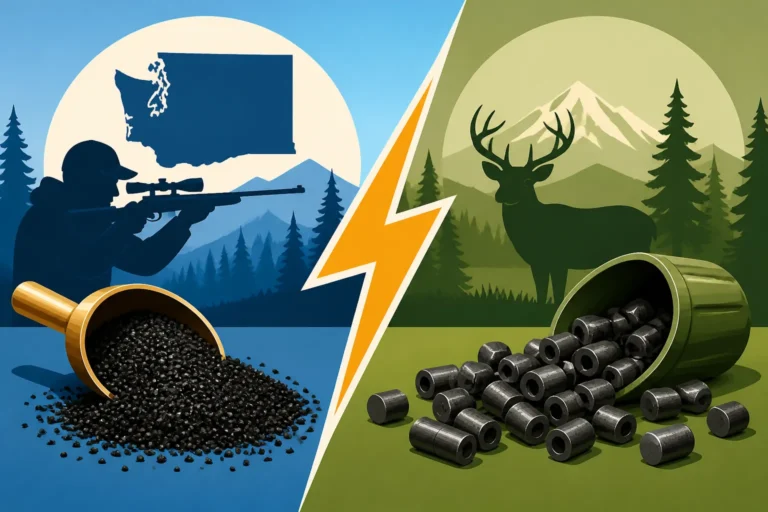
Here's where it gets interesting and can cause some head-scratching. Many modern in-line muzzleloaders are designed to use 209 shotshell primers for ignition. These primers are powerful, reliable, and almost completely waterproof, making them a favorite for hunters in wet conditions or those seeking maximum consistency. However, Washington state generally does not permit the use of 209 primers in general muzzleloader seasons for deer and elk. The reasoning often ties back to the state's desire to keep muzzleloader hunting "traditional" and challenging, viewing the 209 primer as too modern and reliable.
So, what is allowed for in-line muzzleloaders? Typically, Washington regulations specify that muzzleloaders must use a "exposed percussion cap or flintlock ignition system." This means if you have an in-line, it must be adapted to use a #11 percussion cap, or similar exposed cap. Many manufacturers offer conversion kits for their 209 primer-based in-lines to accept #11 caps, which usually involve swapping out the breech plug and sometimes the firing pin. Always verify that your specific in-line system, once converted, still meets the "exposed" requirement, meaning the cap is clearly visible and accessible when the rifle is cocked.
Sealed Breech Systems and Their Legal Standing
Another area of contention for in-line muzzleloaders in Washington is the concept of a "sealed breech" or "enclosed ignition" system. Many modern in-lines feature designs where the primer (often a 209) is completely enclosed within the breech of the rifle, protecting it from the elements and providing an even more reliable, consistent ignition. While fantastic for performance, these fully enclosed systems are generally not legal for Washington's general muzzleloader seasons. The WDFW regulations typically stipulate that the ignition system must be "exposed" to the elements. This means that the percussion cap (or flintlock pan) must be visible and accessible to the hunter, embodying that traditional vulnerability to weather and external conditions.
This rule is designed to ensure that muzzleloader hunters face a similar set of challenges, regardless of their specific firearm choice, keeping the "spirit" of the hunt intact. So, if your in-line has a completely hidden primer or a sealed breech system that doesn't expose the percussion cap, it's likely not compliant for general muzzleloader seasons here. You'll want to review the official pamphlet carefully or consider a different muzzleloader if your current setup falls into this category.
Understanding Washington's Scope Restrictions
While not directly about ignition, the discussion of in-line muzzleloaders in Washington often ties into scope restrictions because both are aspects where "modernity" clashes with "tradition." It’s worth noting that in addition to specific ignition requirements, Washington state also imposes strict limits on optics for muzzleloaders. Generally, "modern firearm" scopes with high magnification or complex reticles are not permitted. Most often, the regulations will limit you to open sights, or sometimes a very low-power, fixed-magnification scope (e.g., 1x or 2x, often with limited eye relief and field of view). Some seasons or GMUs may even restrict you to open sights only.
This restriction is another layer in maintaining the traditional hunting experience, forcing hunters to get closer to their game and rely more on their woodsman skills rather than advanced optics. It's a critical detail to remember, as having an illegal scope on an otherwise legal muzzleloader will still result in a violation. Always refer to the WDFW pamphlet for the precise Why Washington Restricts Muzzleloader Scopes for your chosen season and area, as these rules can change and vary.
Practical Considerations for Your Washington Muzzleloader
Choosing the right ignition system is just one piece of the puzzle for successful muzzleloader hunting in Washington. Beyond the legalities, there are numerous practical elements that contribute to your overall effectiveness and enjoyment in the field. From maintaining your firearm in adverse weather to selecting the right components for accuracy and humane kills, every detail matters. Approaching your muzzleloader hunt holistically, considering all these factors, will greatly improve your chances and ensure you're prepared for whatever the Washington backcountry throws at you.
Muzzleloader Loading and Ignition in Rain
Hunting in Washington means dealing with rain, pure and simple. Whether you’re glassing Reading Clearcuts and Reprod for Blacktail Bucks on the west side or dealing with a late-season drizzle on the east, moisture is your enemy when it comes to muzzleloaders. Beyond protecting your caps or pan, how you load and handle your rifle in the rain is critical. When loading, try to keep your powder dry at all costs. Use a waterproof powder flask or pre-measured charges in sealed vials. A loading block can also help keep your components off the wet ground. Once loaded, protect the muzzle with a piece of electrical tape or a specific "muzzle cover" to prevent moisture from getting down the barrel and wetting your powder charge. Similarly, Muzzleloader Loading and Ignition in Rain highlights the need to protect the breech. Some hunters use small rubber or plastic sleeves over the hammer and nipple area to create an extra layer of defense against the elements. Practice loading in simulated rainy conditions at home so you're not fumbling when it counts in the field.
Choosing the Right Powder and Projectile Combination
The ignition system gets things started, but the powder and projectile combination is what ultimately determines your accuracy and ethical killing power. Washington's regulations will specify legal bullet types (typically solid lead or saboted projectiles, but often no jacketed bullets). For powder, black powder or approved black powder substitutes (like Pyrodex or Triple Seven) are allowed. Each type of powder has its own burn rate and characteristics, affecting velocity and pressure. Your task is to find a combination of powder, charge weight, and projectile (whether it's a patched round ball, a conical bullet, or a saboted bullet) that shoots accurately out of your specific rifle.
This often involves extensive range time, testing different loads to see what groups best at 50, 75, and 100 yards. Remember, Muzzleloader Accuracy at 100 Yards is a significant achievement for many traditional muzzleloaders, and understanding your rifle's effective range is paramount. For hunting elk, a heavier conical bullet or a well-constructed saboted projectile will deliver better penetration and energy transfer than a light round ball. Always clean your bore between shots during testing to maintain consistency, and record your findings in a logbook. A well-tuned load gives you the confidence to make an ethical shot when the opportunity arises. For more detail on specific components, check out Powder, Bullets and Sabots.
Essential Muzzleloader Accessories
Beyond the rifle itself, a collection of essential accessories will make your Washington muzzleloader hunt smoother and safer. A reliable cleaning kit is non-negotiable. This includes patches, bore brushes, cleaning solvents (specifically for black powder), and a nipple wrench for percussion systems or a vent pick for flintlocks. A bullet starter, powder measure, and a capper/de-capper tool (for percussion systems) are also vital. For safety, always carry a bullet puller, just in case you need to unload your rifle without firing it. A sturdy possibles bag or small pack is perfect for carrying these items, along with your spare caps or flints, additional powder, and pre-measured charges. Don't forget ear protection for the range and the field, and a good pair of gloves for handling your rifle, especially in cold weather. Having all these items organized and ready to go can save you precious time and frustration when you're deep in the Okanogan-Wenatchee Forest Access chasing your dream animal.
| Ignition Type | Washington Legality (General Season) | Key Components | Pros | Cons |
|---|---|---|---|---|
| Percussion Cap | Yes, exposed #10 or #11 caps | Hammer, Nipple, Percussion Cap | Relatively reliable, widespread availability | Susceptible to moisture, slower than modern in-lines |
| Flintlock | Yes, exposed pan | Hammer (cock), Flint, Frizzen, Pan, Priming Powder | Highly traditional, deep historical connection | Very susceptible to moisture, slower ignition, more technique required |
| In-line (Converted) | Yes, if adapted to exposed #11 cap | Hammer/Striker, Breech Plug, Nipple, #11 Percussion Cap | Often more accurate than traditional designs | Requires conversion from 209, still susceptible to moisture at cap |
| In-line (209 Primer) | No, 209 primers generally not allowed | N/A | N/A | Considered too modern, not allowed in general seasons |
| In-line (Sealed Breech) | No, must be exposed | N/A | N/A | Not an "exposed" ignition, not allowed |
Disclaimer
This article is for general informational purposes only and does not constitute professional advice. Laws, prices and regulations vary by location and change over time. Consult a qualified professional for guidance on your specific situation.