Hunting Blacktails in Fog and Rain
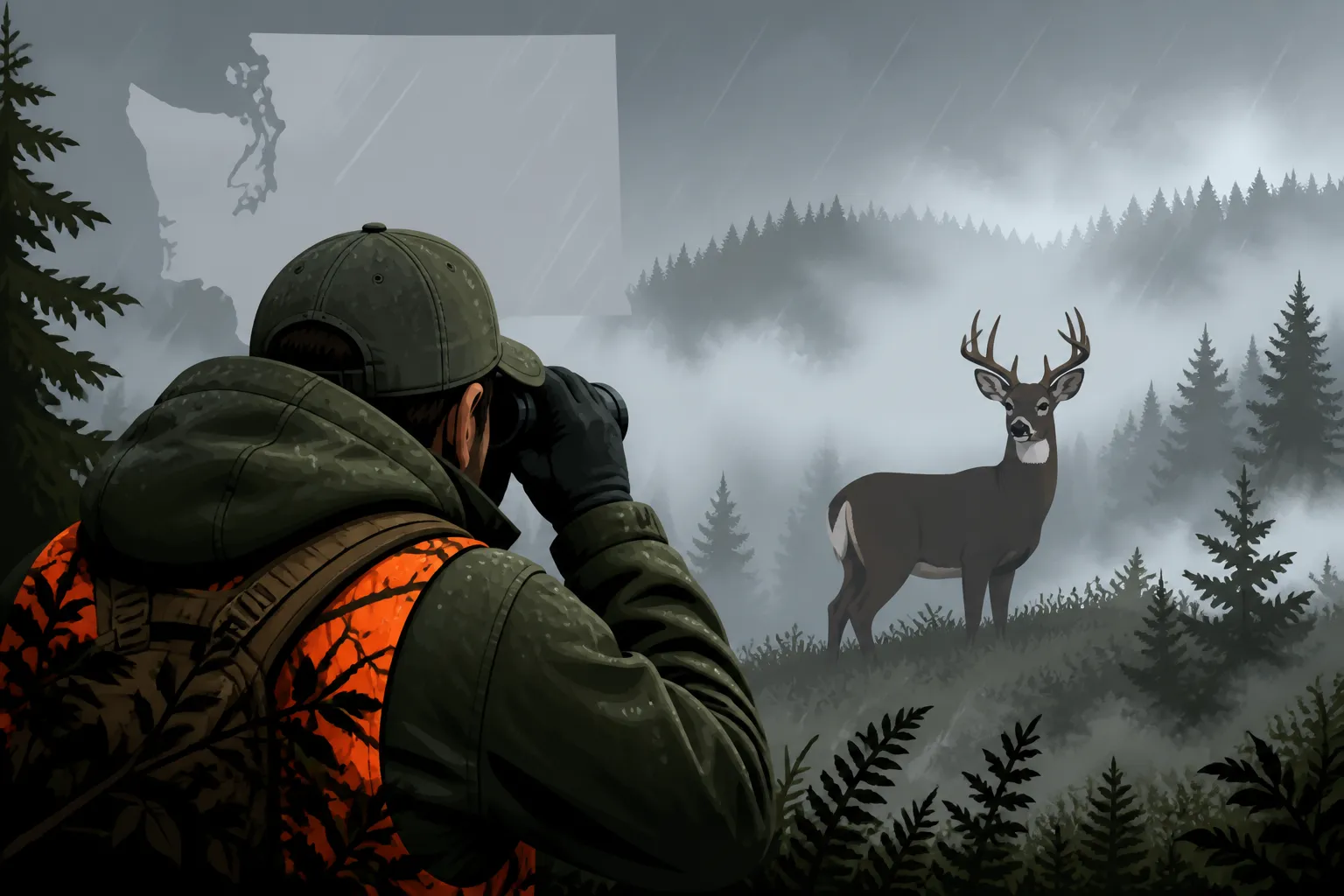
There's nothing quite like the unique challenge and undeniable beauty of chasing blacktail deer through Washington's coastal forests, especially when the skies open up and the fog rolls in. Many hunters get discouraged when the weather turns, feeling like the deer simply vanish. But here's the thing: blacktails don't disappear; they adapt, and you can too. This guide will walk you through understanding blacktail behavior in inclement weather and adjusting your hunting tactics to increase your odds when the fog hangs heavy and the rain is falling.
Understanding Blacktail Behavior in Wet Weather
Hunting blacktails in a downpour or thick fog isn't just about getting wet; it's about understanding how these conditions fundamentally alter the deer's world, and consequently, their behavior. When the skies unleash typical Western Washington weather, blacktails don't just throw in the towel and go hide in a cave; they make calculated shifts to their daily patterns that, once understood, can be exploited by the patient hunter. It's a game of chess with Mother Nature, and knowing your opponent's next move is half the battle.
Why Blacktails Seem to Vanish
The perception that blacktails vanish in fog and rain is a common frustration, and honestly, it feels that way when you're out there. What's really happening is a combination of factors related to how deer perceive their environment and how those conditions impact your ability to detect them. Visibility, for both you and the deer, drops dramatically in fog, turning familiar clearcuts into dense, disorienting labyrinths. This reduced sight distance means deer can move relatively close to you without being seen, and you, in turn, might walk right past them. It creates a psychological barrier for hunters, making everything feel more difficult and obscure.
Beyond vision, heavy rain can mask sound, which has both pros and cons. While it can cover your footsteps, it also dampens the subtle sounds of deer moving through the brush – the snap of a twig, the rustle of leaves – making it harder to pinpoint their location. Think about how difficult it is to hear a distant bugle when it's pouring; the same principle applies to deer. Perhaps most significantly, heavy moisture saturates the air, reducing the effectiveness of scent. A deer's nose is its primary defense mechanism, and when the air is waterlogged, scent particles don't travel as far or as clearly, potentially leading a deer to feel a bit more secure in its movements, or conversely, making them more twitchy if they feel their primary sense is compromised. This can lead to unpredictable behavior, making tracking and still-hunting both more challenging and potentially more rewarding if you can get in close.
Feeding and Bedding Shifts
Consistent moisture doesn't just affect how blacktails move; it also impacts what they eat and where they choose to bed down. Blacktails, like all deer, are primarily browsers, and rain can affect the palatability and accessibility of certain forages. Lush, new growth might be more abundant in sustained wet conditions, drawing deer to specific areas. However, heavy, persistent rain can also drive them to seek shelter under dense canopies or in thick, young reprod where they can stay relatively drier and out of the direct downpour. They're looking for thermal regulation and protection from the elements, just like us.
You might find deer moving into older, more mature timber stands where the canopy provides a natural umbrella, or deeper into areas of thick salal, huckleberry, or devil's club that offer both cover and a degree of dryness underneath. These spots become their sanctuaries. Pay close attention to south-facing slopes, even in the rain; if there's a break in the weather, these areas can warm up slightly, providing a more comfortable spot for deer to rest or feed on new growth. Conversely, in truly miserable, driving rain, they might hunker down on leeward slopes, tucked behind ridges or in drainages, seeking whatever respite they can find from the wind and precipitation. Understanding these subtle shifts in their daily routines is critical to putting yourself in the right place at the right time.
Adapting Your Hunting Strategy for Fog and Rain
When the weather turns foul, your sunny-day tactics might as well be left in the truck. Hunting blacktails in Washington's fog and rain demands a fundamental shift in approach, favoring stealth, patience, and an intimate knowledge of the terrain. This isn't the time for high-speed glassing from a distant ridgeline; it's about getting down and dirty, moving with purpose, and letting the elements work for you, not against you. Forget about covering vast amounts of ground; success in these conditions often comes down to meticulously dissecting small, promising areas.
Prioritizing Still-Hunting and Tracking
This is where the magic happens when the woods are wet. The constant drip and rustle of rain on leaves and branches effectively muffle your own sounds, giving you a distinct advantage. It's an ideal scenario for still-hunting, moving at a glacial pace, taking one or two steps, then pausing for several minutes to observe, listen, and scan. Think of it as a moving ambush. Every shadow, every brush pile, every tangle of downed timber needs to be scrutinized. You're looking for horizontal lines in a vertical world, the flick of an ear, the shine of an eye, or the subtle outline of a deer through the mist. This slow pace is paramount, as blacktails are masters of using cover, and in limited visibility, they can be incredibly close without you knowing it. To truly master this technique, check out our in-depth guide on Still-Hunting Blacktails in Wet Washington Brush.
Tracking becomes a powerful tool in the rain, especially on soft, wet ground or in fresh mud. Look for fresh tracks along old logging roads, game trails, or near water sources. A steady rain can wash away old sign, leaving only the freshest tracks visible, making them easier to distinguish. Follow these tracks slowly, anticipating where the deer might be headed for shelter or food. This is less about speed and more about persistence and reading the story in the dirt. Even if the rain is heavy enough to erase tracks almost immediately, you can still follow the freshest ones by noting displaced debris or disturbed vegetation. You're essentially following a breadcrumb trail that nature is quickly trying to clean up, so you need to be constantly vigilant.
Maximizing Visibility and Sound Advantage
While fog and rain limit overall visibility, they also offer unique advantages. The diffused light of a foggy or rainy day reduces harsh shadows, often making it easier to pick out deer in dense cover that would normally be obscured by dappled sunlight. Your eyes become even more critical, constantly scanning for any anomaly in the landscape. Don't be afraid to use your binoculars, even in low light. A good pair of 10x42s can still help resolve details and identify deer hiding in plain sight, even if the overall range is limited. Wipe your lenses frequently to prevent water buildup, and keep them protected under your rain gear when not in active use.
The sound advantage is twofold. As mentioned, the rain can mask your approach, allowing for closer stalks. However, it also means you need to hone your listening skills to pick up subtle deer sounds that might otherwise be drowned out. The crunch of hooves on wet ground, the soft rustle of a deer browsing, or the distinct sound of an animal rising from its bed can be your only clues. Stop frequently, close your eyes, and just listen. Furthermore, consider the wind: while the rain might help mask your movement, the wind still carries your scent. Always try to hunt into or across the wind, especially when still-hunting. In these conditions, deer might rely more heavily on their nose if their sight and hearing are compromised, so managing your scent becomes even more critical.
Focusing on Transition Areas and Sheltered Spots
Blacktails are creatures of habit, but their habits shift with the weather. In fog and rain, they'll seek out areas that offer both cover and food, or pathways between the two. Focus your efforts on transition zones – the edges of dense reprod where it meets more open clearcuts, the intersections of old logging roads with game trails, or the fringes of mature timber bordering younger growth. These are natural travel corridors and feeding areas. Our guide on Reading Clearcuts and Reprod for Blacktail Bucks offers excellent insights into how blacktails utilize these specific habitats, which becomes even more pronounced in wet conditions.
Sheltered spots become magnets. Think about leeward slopes, protected by ridges from the prevailing wind and rain. Dense stands of conifer, especially those with thick undergrowth, provide excellent cover and a relative dry haven. Look for pockets of heavy brush along creek bottoms or in deep draws. Even small depressions or benches within these areas can hold deer hunkered down. They're looking for comfort, security, and readily available browse. When the rain eases up, even for a short period, deer may temporarily move out into more open areas to feed before retreating to cover when the next band of rain rolls in. By understanding these movements, you can anticipate where they'll be and position yourself accordingly. Using mapping software like GoHunt, which layers public and private land, topography, and even timber harvest data, can be incredibly helpful for identifying these high-percentage areas before you even set foot in the woods.
Essential Gear and Preparedness for Washington's Wet Hunts
Hunting in Washington's fog and rain is as much about mental toughness as it is about physical endurance, but neither will save you if your gear isn't up to snuff. Being wet and cold is not only miserable; it's dangerous. Proper layering, waterproof outer shells, reliable optics, and robust footwear are non-negotiable for a successful and safe hunt in these often unforgiving conditions. You need to be prepared to spend hours in damp, chilly environments, remaining comfortable enough to focus on the hunt rather than shivering in misery.
Layering for Consistent Warmth and Dryness
This is where many hunters make their biggest mistake. You don't just throw on a heavy coat. Effective layering is a system designed to manage moisture and maintain your core temperature. Start with a good base layer that wicks moisture away from your skin. Merino wool or synthetic fabrics are excellent choices; cotton is an absolute no-go as it holds moisture and steals heat. Next, add a mid-layer for insulation – a fleece jacket or a puffy vest made from synthetic fill will provide warmth without excessive bulk.
Finally, your outer layer is your shield against the elements. A high-quality waterproof and breathable rain jacket and pants are essential. Don't skimp here. Look for materials like Gore-Tex or similar proprietary membranes that will keep driving rain out while allowing sweat vapor to escape. If you're going to be in Western Washington's notorious wet weather, investing in top-tier gear from brands like Sitka Gear or Kuiu will make a monumental difference. When choosing, consider our guide on Rain Gear for Westside Hunting to ensure you're getting something truly robust. Remember, if your outer layer fails, everything else becomes saturated, and hypothermia quickly becomes a real concern. Layering isn't just about comfort; it's about survival. For more on this, check out Layering for Wet Cold Weather.
Optics and Navigation in Low Light
In foggy, rainy conditions, good optics become even more critical for picking apart the dense timber and spotting deer. A quality pair of binoculars (10×42 is often ideal for blacktail country) with excellent light transmission will help immensely in low-light situations. However, keeping them clear and dry is a constant battle. Invest in a good bino harness that protects the lenses from rain and provides quick, easy access. Carrying a small microfiber cloth specifically for wiping lenses is a must. Many seasoned hunters will also carry a small, waterproof scope cover for their rifle scope.
Navigation is another huge hurdle. Fog can disorient you quickly, making familiar terrain look alien. This is where a reliable GPS unit or a smartphone with robust offline mapping capabilities becomes indispensable. Apps like GoHunt or onX Hunt allow you to download detailed topo maps and satellite imagery of your hunting unit before you leave cell service. Mark your vehicle, important waypoints, and your intended travel routes. Always carry a compass and a physical map as a backup, and know how to use them. Phone batteries drain faster in the cold, so a portable power bank is also a smart addition to your pack. For tips on setting up your mapping apps, refer to our guide on Downloading Offline Maps for Washington. Don't rely solely on your memory; the woods can play tricks on you in a whiteout.
Footwear and Traction for Slippery Terrain
The wet terrain of Washington's blacktail country—steep slopes, slick roots, moss-covered rocks, and muddy clearcuts—demands exceptional footwear. You need boots that are waterproof, provide excellent ankle support, and have aggressive outsoles for superior traction. Leather boots treated with waterproofing agents or synthetic boots with a Gore-Tex membrane are good choices. Make sure they're well broken in before your hunt to prevent blisters. Nothing will ruin a hunt faster than wet, sore feet.
Along with your boots, gaiters are non-negotiable. They create a waterproof seal between your boots and your rain pants, preventing water, mud, and debris from entering your boots from the top. This is especially important when trudging through deep, wet brush or crossing small streams. Consider studying Boots for Washington's Eastside Rock and Westside Mud for specific recommendations. Traction is paramount for safety. A slip on a steep, wet slope can lead to serious injury, especially if you're carrying a heavy pack. Prioritize footwear that keeps you upright and comfortable, allowing you to focus on the hunt rather than your footing.
Post-Harvest Considerations in Foul Weather
The hunt isn't over until the meat is in the freezer. And when you've successfully tagged a blacktail in the rain and fog, the real work begins. Managing your harvest in wet, chilly conditions presents its own set of challenges, from preserving the meat to ensuring your own safety during the pack-out. It’s a crucial phase that requires careful planning and efficient execution to ensure that trophy you worked so hard for doesn’t go to waste.
Protecting Your Harvest
Getting a deer field dressed quickly is always important, but even more so in wet weather. Rain can introduce moisture and contaminants, and while cold temperatures help, constant dampness isn't ideal for meat preservation. Get your game bags on the meat as soon as possible. Use lightweight, breathable game bags that allow air circulation while protecting the meat from flies and debris. Even though the weather might be cold, don't assume the meat is safe indefinitely, especially if it's packed tightly or exposed to lingering moisture. For detailed field dressing strategies, even if the guide focuses on warm weather, many principles apply to efficient processing; consider reading Field Dressing in Warm Early-Season Weather for the fundamental techniques.
Once quartered and bagged, get the meat out of the direct rain. If you have a tarp or plastic sheeting, use it to create a temporary shelter. The goal is to cool the meat rapidly and keep it as dry and clean as possible during the pack-out. If you're breaking the deer down using the gutless method, which is often preferred in the backcountry for efficiency, ensure your hands and knives are clean to minimize bacterial contamination. The quicker you can get the quarters back to your vehicle and into a cooler, the better. Even if it's cold, if the meat is sitting in pooled water or remains damp for too long, it can still spoil or develop off-flavors.
Safety First in Challenging Conditions
Packing out a deer, especially a large blacktail, is physically demanding work under the best conditions. Add steep, slippery terrain, limited visibility from fog or gathering darkness, and relentless rain, and the risk of injury skyrockets. Before you even start the pack-out, take a moment to assess the situation. Is it getting dark? Is the rain intensifying? Do you have enough daylight and energy to make it out safely? Consider breaking the load into smaller, more manageable trips if necessary, even if it means more walking.
Always let someone know your hunting plan, including your intended route and expected return time. This is invaluable, especially when hunting solo in remote, wet areas. Our guide on Leaving a Trip Plan at Home provides excellent advice on this essential safety measure. Carry a headlamp with spare batteries, even if you plan to be out before dark; things can change quickly in Washington's forests. Your first aid kit should be robust and easily accessible, containing items for cuts, sprains, and potential hypothermia treatment. Wear your rain gear and appropriate footwear. Dehydration can still be a risk, even in cold, wet weather, so carry plenty of water and calorie-dense snacks. Never rush the pack-out. Take your time, watch your footing, and make safety your absolute top priority.
Comparing Hunting Strategies for Blacktails
To summarize how your approach needs to shift when the weather takes a turn, here's a quick comparison:
| Condition | Primary Hunting Strategy | Movement Pace | Focus Areas | Key Gear Considerations |
|---|---|---|---|---|
| Clear/Sunny | Glassing, Spot-and-Stalk, Ambush | Moderate to Fast (Glassing) | Open clearcuts, ridge lines, travel corridors | High-power optics, lightweight layers, sun protection |
| Fog/Rainy | Still-Hunting, Tracking, Close-Quarters | Slow, Deliberate, Patient (Still-Hunting) | Dense reprod, sheltered timber, leeward slopes | Waterproof layers, protected optics, aggressive boots |
Disclaimer
The information provided in this guide is for educational and informational purposes only. Hunting is an inherently dangerous activity, and readers should always prioritize safety, adhere to all local, state, and federal hunting regulations, and obtain proper licenses and permits. Always consult the official Washington Department of Fish and Wildlife (WDFW) regulations for the most current rules and season dates. The author and publisher are not responsible for any accidents, injuries, or legal infractions incurred while hunting.