What Bears Eat in Spring
Emerging from a long winter's denning, a Washington black bear isn't exactly thinking about a gourmet meal. They’re usually shedding significant body weight and are acutely focused on one thing: replenishing lost energy and fluids. This guide will walk you through the seasonal progression of a black bear’s diet in Washington during spring, helping you understand where to look and what signs to observe, whether you're a curious wildlife watcher or a hunter hoping to ethically pursue one.
The First Taste of Spring: Post-Denning Forage
When a black bear first shakes off the winter slumber and pokes its head out of the den, its body is in recovery mode. The immediate priorities are rehydration and easily digestible calories. Their digestive system needs to slowly get back up to speed after months of inactivity. This initial phase of spring feeding is critical, and the food sources they seek reflect these biological needs.
Hydration and Early Green-Up
Think about stepping out after a long fast – you wouldn’t crave a heavy steak right away. Bears are much the same. Their bodies are dehydrated, and their stomachs have shrunk. The first things they consume are often succulent, moisture-rich plants. We're talking about the earliest shoots that push through the thawing ground, often found in wetter, lower-elevation areas or sun-exposed slopes where snow melts first.
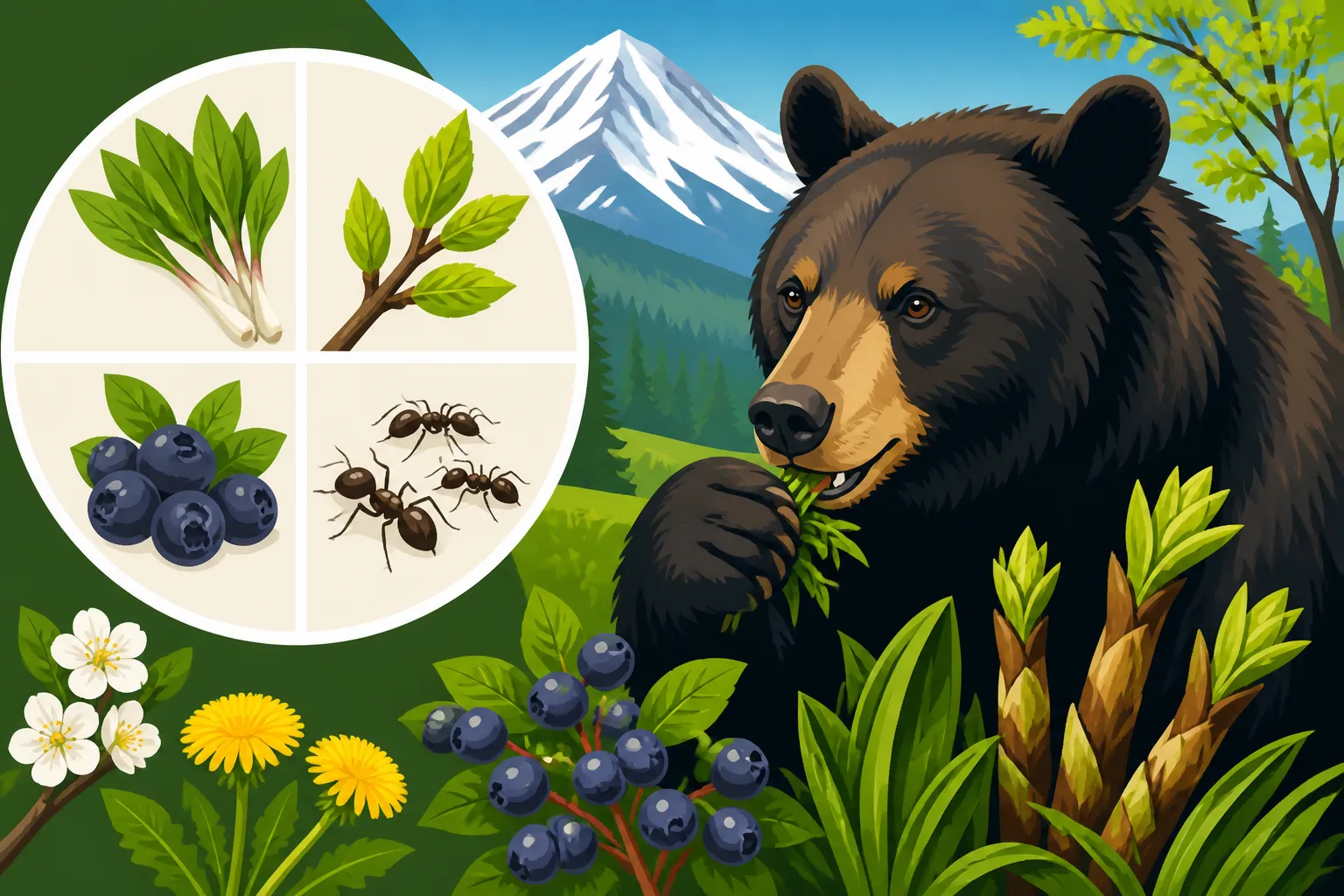
Skunk cabbage, for instance, is a common early spring food source in Western Washington. Its large, broad leaves and stems are packed with water and offer some initial nutrition. While not exactly palatable to humans (or even many other animals due to calcium oxalate crystals), bears are quite fond of it. You might find them nosing around damp drainages or marshy areas where this plant thrives. Similarly, emerging sedges and horsetails provide quick, hydrating roughage. These are generally found in meadows, along stream banks, and in other wet areas that green up rapidly.
Roots, Bulbs, and Fungi
Beyond just surface greens, bears are powerful diggers, and their sense of smell is legendary. As the ground thaws, they’ll start targeting underground food sources that provide more concentrated energy than leafy greens. Think of it like digging for buried treasure – the bears are looking for calorie-dense roots and bulbs.
One of the prime examples is the camas lily bulb, which can be found in certain prairies and open forest habitats, particularly on the east side of the Cascades. Bears will root these up with their strong claws, leaving telltale excavations in the soil. These bulbs provide carbohydrates that are crucial for regaining energy. Fungi, particularly some early-emerging mushrooms, can also be part of the mix, though they're often more opportunistic findings. If you’re hiking in spring, keep an eye out for disturbed soil in otherwise intact grassy areas – it could be a sign of a bear's persistent digging for these subterranean treats. This intense digging can sometimes make it seem like the ground has been tilled.
The Gritty Reality: Carrion
Let's be real: bears are omnivores, and they don't turn their noses up at an easy meal. After a long, hard winter, not all deer, elk, or other animals make it. Carcasses, or carrion, become a vital protein and fat source for bears in early spring. These unfortunate animals, perhaps weakened by deep snow or old age, provide a massive nutritional boost when other food sources are scarce.
Bears will sniff out these carcasses from a remarkable distance. If you're out in the woods in spring, especially in areas known for wintering deer or elk, be aware that you might stumble upon a bear feeding on a winter-killed animal. This is a time when bears can be particularly protective of their food source, so extreme caution is warranted. Hunters using E-Scouting tools like GoHunt might cross-reference historical winter range data with their spring scouting to identify areas where such opportunities for bears would be highest, as these locations might also be where a bear is currently feeding. This isn't just about scavenging; it's about survival for a hungry bear.
Mid-Spring Bounty: From Tender Shoots to Timber Stripping
As spring progresses into late April and May, the landscape transforms. More vegetation emerges, and with it, a wider variety of dietary options for Washington's black bears. Their metabolism is fully revved up, and they're actively seeking to build back fat reserves lost over winter.
Embracing the Green: Forbs and Grasses Galore
With warmer temperatures and increasing daylight, a veritable salad bar opens up for bears. They transition from just seeking watery greens to consuming a broader array of forbs and grasses that are higher in protein and more calorie-dense. Clover fields, young dandelions, vetch, and various tender shoots become staples.
These foods are often found in open areas like clearcuts, logging roadsides, forest openings, and meadows that receive good sunlight. South-facing slopes, in particular, are hotspots for early green-up and can attract bears for prolonged feeding sessions. If you spend time in areas like the Gifford Pinchot National Forest or the Okanogan-Wenatchee, you'll see these types of vegetation taking off. A bear will graze almost like a bovine, sweeping up mouthfuls of fresh grass and clover. You might notice distinct "paths" or areas where vegetation has been flattened from repeated feeding. This is often where you'll find them in the early morning or late evening, capitalizing on the lush growth.
An Unconventional Meal: Tree Cambium
Here's one that surprises many people: bears will sometimes strip the bark off trees to get at the sweet, nutrient-rich cambium layer underneath. This is particularly common in areas with younger, thinner-barked trees like Douglas fir, western hemlock, or cedar. While not a primary food source, it’s definitely a valuable one, especially in areas where other forage might be temporarily scarce or when they're craving something specific.
When a bear feeds on cambium, it leaves very distinctive signs. They'll use their teeth and claws to peel off strips of bark, often high up on the trunk, leaving large, exposed patches of the lighter wood beneath. This can sometimes cause significant damage to timber plantations. Bear Damage to Timber Plantations is a very real concern for forestry managers, but it also provides a clear indicator of bear activity for anyone looking to understand their feeding habits. If you see this kind of fresh damage, you know a bear has been in the vicinity, and recently.
Insect Protein: A Crunchy Delight
Just like a kid with a candy bar, a bear loves insects, and spring offers a growing buffet. Ants, grubs, and various beetle larvae provide a fantastic source of fat and protein that is otherwise hard to come by in large quantities from plants alone.
You’ll find bears diligently tearing apart rotten logs, turning over rocks, and digging into ant hills with their impressive claws. They aren't just nibbling; they're often consuming hundreds, if not thousands, of insects in a single sitting. In Eastern Washington, particularly in the drier ponderosa pine forests, ant mounds can be goldmines for bears. The disturbed earth around a large ant hill, or the shredded remains of a downed log, are clear indicators of a bear's diligent search for these protein-packed snacks. While scouting with tools like GoHunt, understanding the various habitat types can clue you into where these insect hotbeds might be, guiding your exploration to areas where bears might be focused on this aspect of their diet.
Late Spring Delights: Preparing for Summer's Feast
As spring truly blossoms and edges closer to summer, new food sources become available, further diversifying the bear's diet and allowing them to pack on even more crucial weight.
The First Berries and Soft Mast
While many of Washington's famed huckleberry patches ripen later in summer, some early varieties of berries and other soft mast begin to mature in late spring. Salmonberries, for instance, are one of the first to pop in Western Washington's wetter, coastal areas. These provide a much-anticipated sugary treat and a good dose of carbohydrates. Serviceberries might also begin to ripen in some of the drier, eastern regions.
Bears will seek out these patches, sometimes spending hours grazing in a single area. If you find yourself in coastal units or near river bottoms where salmonberries are abundant, look for trampled vegetation and scat filled with berry seeds. This is a clear indicator that bears are transitioning to these fruitier foods, moving away from a solely vegetative or carrion-based diet. This signals a shift towards a diet that's easier to find in concentrated patches, allowing them to gain weight more efficiently.
Opportunistic Predation: Fawns and Calves
While bears are primarily opportunistic omnivores, late spring is also when deer fawns and elk calves are born. These vulnerable newborns can become a target for a hungry bear, especially a sow needing to feed her cubs. This isn't their primary hunting strategy, but an easy meal won't be passed up. Sows With Cubs and the Legal Line is something every hunter needs to be aware of, not just for legal reasons, but for ethical considerations and safety in the field.
A bear might stumble upon a hidden fawn or calf, or actively patrol areas where birthing is common. While not a daily occurrence, these high-protein, high-fat meals provide an immense energy boost. Hunters should be mindful of these dynamics, understanding that bear activity might increase in certain areas during fawning and calving season.
Regional Differences in Spring Diet
Washington is a state of diverse landscapes, and a bear’s spring diet can vary significantly between the lush, wet forests of Western Washington and the drier, more open country east of the Cascades.
Western Washington: Here, the early spring green-up is often faster and more widespread. Skunk cabbage, horsetails, and various succulent grasses and forbs are abundant. Salmonberries appear earlier in many areas. The dense timber means bears might spend more time rooting in the rich forest floor or stripping cambium. Given the thicker cover, bears here might be less visible but can be found in more concentrated areas of specific forage. When considering Black Bear Weight in Western Washington, their ability to access a consistent supply of varied green forage and early berries plays a significant role in their health and growth.
Eastern Washington: The spring here can be more variable, with colder snaps and slower green-up in some higher elevations. This might mean carrion remains a significant food source for longer. As things warm up, bears will focus on alfalfa fields, clover patches, and areas rich in camas bulbs or ant hills. The more open landscape, particularly in areas like the Blue Mountains or the Okanogan, means glassing for bears on green-up slopes becomes a more effective strategy. Glassing Breaks at First Light would be a key technique here, as bears exploit pockets of early growth. Tools like GoHunt can help identify these specific habitat types in different GMUs.
| Early Spring (Emergence – Mid-April) | Mid-Spring (Late April – Mid-May) | Late Spring (Late May – Early June) |
|---|---|---|
| Succulent greens (Skunk cabbage, sedges) | Higher protein forbs (Clover, vetch, dandelions) | Early ripening berries (Salmonberry, Serviceberry) |
| Roots & bulbs (Camas) | Tree Cambium (Douglas Fir, Hemlock) | Fawn/Calf predation (Opportunistic) |
| Carrion (Winter-killed deer/elk) | Insects (Ants, grubs, larvae) | More widespread grasses/forbs |
| Snowmelt/Watery vegetation | Emerging sprouts in clearcuts | Continued insect foraging |
| Focus: Rehydration, easy calories | Focus: Replenish protein, build some fat | Focus: Maximize calorie intake, prepare for summer |
Strategic Scouting: Finding Spring Bear Hotspots
Understanding what bears eat in spring isn't just academic; it's intensely practical. Whether you're a photographer or a hunter, knowing their diet helps you predict where they'll be and what they'll be doing. Public Land Scouting in Washington Before Opening Day is crucial, and knowing what to look for changes with the season.
Identifying Key Feeding Sign
When you're out in the woods in spring, you need to become a detective. Bears leave a lot of sign related to their feeding habits.
- Dug-up Areas: Look for fresh excavations, particularly in grassy meadows, along old logging roads, or near rotting logs. This indicates they were digging for roots, bulbs, or grubs.
- Turned-Over Rocks: Bears will flip over rocks to find insects, leaving telltale signs.
- Stripped Bark: As mentioned earlier, patches of stripped bark on younger trees are a dead giveaway of cambium feeding. The height of the damage can also give you an idea of the bear's size.
- Scat: While not always pleasant to examine, scat can tell you a lot. Early spring scat might be dark and tarry from winter's last meals or full of coarse vegetation. As spring progresses, you'll see more green, fibrous material, and later, the seeds of early berries. Where Bears Feed in Early Fall focuses on different dietary components, but the principle of using scat as an indicator is consistent.
Prime Spring Habitats
Not all areas are created equal for spring bears. Certain habitats consistently offer the food sources they need:
- South-Facing Slopes: These warm up and shed snow first, leading to the earliest green-up. Bears will gravitate to these areas to forage on emerging grasses and forbs.
- Avalanche Chutes: On mountain slopes, avalanche chutes are often scoured clean and green up quickly, offering a rich buffet of new growth. Spotting Bears on Avalanche Chutes provides a deep dive into this specific habitat.
- Clearcuts and Logging Roads: These open areas receive abundant sunlight, promoting lush growth of grasses, clover, and dandelions. The disturbed ground can also expose roots and attract insects.
- Riparian Areas and Wet Bottomlands: Locations along rivers, streams, and marshy areas are where skunk cabbage and other moisture-loving plants thrive.
- Winter Range Areas: As bears emerge from dens, they often don't travel far initially. Focusing your search on or near traditional wintering grounds for deer and elk, where carrion might be present, can be fruitful.
Timing Your Hunt and Observing Bear Behavior
For hunters, understanding these dietary shifts is crucial for successful spring bear hunting. Bears are often most active during the cooler parts of the day – early morning and late evening – when they feel safe to feed out in the open. During the middle of the day, especially as temperatures rise, they might retreat to thicker cover to rest or digest.
When you're out glassing a spring hillside, patience is key. Use good optics. Choosing Binoculars for Washington Glassing can make a huge difference in picking out a dark shape against a green backdrop. Look for movement, obviously, but also look for disturbances: a flash of black as a rock is turned over, a patch of grass flattening, or a strip of bark peeling.
It’s about putting the pieces together. If you know what bears eat in spring, you can anticipate where they'll be, what they'll be doing, and how to approach them responsibly. Whether you're using GoHunt to identify potential habitat features or simply enjoying a hike, appreciating the black bear's resourcefulness in seeking out sustenance in the ever-changing spring landscape is a rewarding experience.
Disclaimer
This article is for general informational purposes only and does not constitute professional advice. Laws, prices and regulations vary by location and change over time. Consult a qualified professional for guidance on your specific situation.