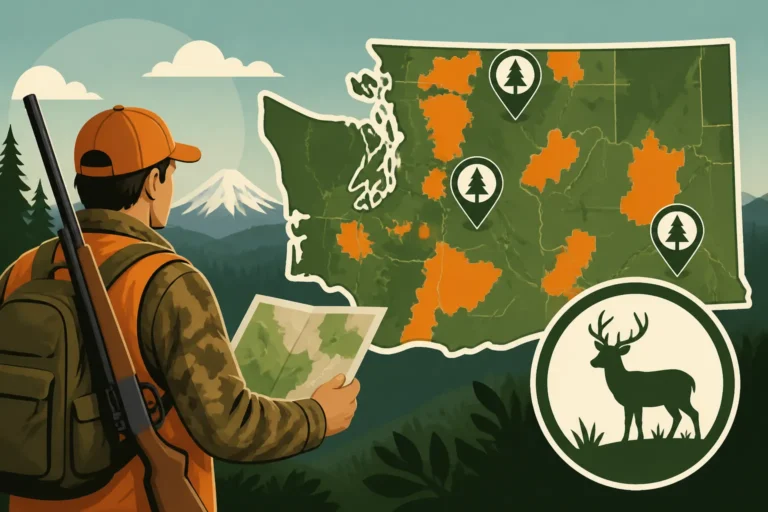
Hancock Permit Availability in Washington
It’s a common story in Washington: you’ve spent countless hours poring over maps, scouting remote corners of national forest, and then you discover vast tracts of prime hunting ground locked behind a gate, owned by a private timber company. The frustration is real, especially when you know those lands hold some incredible game. This guide is dedicated to helping you understand the ins and outs of securing access to Hancock Forest Management lands in Washington, covering how their permit system generally works and offering strategies to boost your chances.
The Reality of Private Timber Access in Washington
Hunting in Washington often feels like a puzzle, with public and private lands intricately mixed, and the most promising areas sometimes hidden behind locked gates. Private timber lands, especially those managed by companies like Hancock Forest Management, represent a significant portion of prime habitat that many hunters desire access to.
Why Private Timber is So Crucial for Washington Hunters
If you've hunted in Western Washington, you know that the landscape is dominated by dense forests, and a huge chunk of that is privately owned timberland. These lands aren't just empty woods; they're actively managed forests, which often means a mosaic of clearcuts, regenerating young growth (reprod), and mature stands. This diverse habitat is a paradise for game. Young clearcuts, especially after a few years, provide crucial browse and cover for species like blacktail deer and elk. The edges where old growth meets new can be absolute magnets for big game. Many of the best Blacktail Deer Hunting in Western Washington Timber opportunities, and even good elk country, are found on these private timber holdings.
The sheer scale of these lands means that if you only stick to designated public access, you're missing out on a huge amount of potential hunting territory. However, accessing these areas isn't as simple as driving up and walking in. Most are gated and require specific permission, leading to a constant struggle for hunters to find legitimate entry. That gnawing feeling of seeing fresh tracks going under a locked gate, or knowing that ideal habitat is just beyond reach, is something every Washington hunter has experienced.
The Business of Timber and Recreation Permits
Hancock Forest Management, like other large landowners, is primarily in the business of growing and harvesting timber. Their forests are working forests, managed for long-term production. While they do understand the desire for public recreation, providing access comes with challenges: road maintenance, fire prevention, managing liability, and mitigating impacts from users. To address these concerns and to help offset some of the costs associated with managing land and providing recreational opportunities, many timber companies have moved to a permit system.
This is where Hancock's permit system comes in. It's their way of managing the delicate balance between their core business operations and providing regulated recreational access. You’ll find similar models with other major landowners in the state, such as those that require Timber Company Permits in Western Washington, including the often-discussed Weyerhaeuser permits. The permits aren't just about collecting a fee; they're also about controlling numbers, educating users on rules, and being able to communicate with permit holders about active logging operations or temporary closures due to fire danger or road work. It's a structured approach to managing vast tracts of private property for multiple uses.
Navigating Hancock's Permit System
Understanding Hancock's specific approach to recreational access is key to even having a chance at hunting their lands. Unlike some other landowners, their system can vary, and keeping up with the details is a hunt in itself.
General Availability Windows and Application Periods
Hancock Forest Management typically makes its recreational access permits available in a staggered fashion, often tied to specific hunting seasons. For general big game seasons, you might see permits become available in late summer or early fall. This means you need to be actively looking and ready to act quickly. The exact dates can shift year to year, depending on their internal planning, timber operations, and even external factors like fire season severity.
It’s not like the state's special permit draw with a rigid, multi-month application window. Instead, it often feels more like a first-come, first-served rush for a limited number of opportunities. Many hunters have stories of permits selling out in minutes, or specific, desirable areas being snapped up almost instantly. The frustration of missing out simply because you weren't checking their portal at precisely the right moment is incredibly relatable. So, mark your calendar for late summer and early fall as a critical time to start monitoring their website. This is especially true for prime big game hunting season access.
Different Permit Tiers and What They Offer
Hancock's permit offerings can range significantly depending on the specific property and area. It's not a one-size-fits-all approach, and what's available in one region might be completely different in another. You might encounter:
- Annual Access Permits: These typically provide year-round access to a designated area, often allowing vehicle entry on specified roads. These are usually the most sought-after and, consequently, the most competitive. They offer the most flexibility, allowing you to scout and hunt throughout the seasons.
- Seasonal or Specific Hunt Permits: These permits are more restricted, perhaps only allowing access for a particular hunting season (e.g., modern firearm deer) or for a shorter duration. They might limit vehicle access to walk-in only past a certain point, or only allow certain types of recreation.
- Walk-In Only Permits: These are often less expensive and more readily available but require you to hike past a designated gate. While more physically demanding, they can offer a great way to access areas that see less pressure. Think of it as a form of Walk-In Only Gates on Industrial Timber, similar to what you might find on other timber company lands.
The benefits of these permits are clear: guaranteed access to private land, often with less competition than crowded public land, and potentially better habitat. However, they come with a cost, and that cost can vary widely. It’s important to understand that these fees are part of the equation, as discussed in Access Fees on Private Timber Land.
Here's a simplified look at how these types generally compare:
| Permit Type | Vehicle Access | General Availability | Competitive Level | Typical Cost Shape | Key Benefit |
|---|---|---|---|---|---|
| Annual Access | Yes (restricted) | Limited, Sells out fast | Very High | Higher | Maximum flexibility, year-round access |
| Seasonal/Hunt-Specific | Varies, often no | Moderate, specific windows | High | Medium | Focused access for a specific hunt |
| Walk-In Only | No | More readily available | Medium | Lower | Access to less pressured areas, budget-friendly |
Note: Specific availability, features, and actual costs vary annually and by location. Always check Hancock's official channels for current information.
Key Factors Influencing Permit Availability
Hancock doesn't just randomly decide which lands to open up. A host of operational factors influence what permits are available in any given year, and understanding these can help set realistic expectations.
One major factor is active timber operations. If an area is slated for logging, thinning, or road building, public access might be restricted or completely closed for safety reasons. It's a working forest first, recreational access second. This is why you might see an area open one year and closed the next.
Fire risk and season severity also play a massive role. During dry summers and early fall, when fire danger is high, Hancock—like all landowners—is extremely cautious. This can lead to delays in opening permits, or even sudden closures of permitted areas, which can be heartbreaking if you've planned a hunt. Similarly, road conditions can limit access. If a main access road is washed out or needs significant repair, an entire block might remain closed until it's safe.
Finally, past user behavior can impact future availability. Areas that have experienced issues with illegal dumping, gate cutting, excessive off-road vehicle use, or other forms of property damage are more likely to see stricter access rules, reduced permit numbers, or even permanent closures. It’s a sad reality that a few bad apples can spoil it for everyone else. This is why following all rules and respecting the land is paramount when you do gain access.
Strategies for Securing Access
Given the competitive nature of Hancock permits, a proactive and informed approach is essential. You can't just hope to stumble upon an open gate; you need a plan.
Staying Informed: When and Where to Look
The absolute best advice for anyone hoping to secure a Hancock permit is to monitor their official website relentlessly. This isn't just a suggestion; it's a necessity. They typically have a dedicated recreation or access page where they announce permit availability, application windows, and any changes to their programs.
Beyond just checking the website, if Hancock offers an email notification list or newsletter, sign up for it immediately. This is often the quickest way to get real-time updates directly to your inbox, giving you a crucial head start when permits are released. Missing out on a permit simply because you weren't aware of the exact release date or time is a deeply frustrating experience, and an email alert can save you that heartache. Don't rely on hearsay; go straight to the source.
Another tip, especially if you're targeting a specific region, is to connect with local hunting groups or forums. While unofficial, these communities often share information quickly about permit releases or rumors of upcoming opportunities. Just be sure to cross-reference any information with Hancock's official channels.
Planning Ahead with Maps and Scouting
You don't want to be scrambling to figure out where Hancock lands are when permits suddenly become available. This is where diligent pre-season planning and mapping come into play. Tools like onX Hunt are invaluable for this. You can overlay property boundaries, identifying Hancock Forest Management parcels well in advance. This allows you to:
- Identify Desirable Areas: Before permits are even announced, you can pinpoint specific Hancock blocks that look promising based on satellite imagery, recent timber cuts, proximity to public land, or known game corridors. This is a critical step in E-Scouting Washington GMUs Before the Draw.
- Understand Access Points: Locate potential gates and entry points. Even if it's a walk-in permit, knowing where you'll be parking and starting your hike is crucial.
- Develop a Backup Plan: If your primary Hancock target area doesn't pan out, having other identified parcels, or even adjacent public lands, as alternatives can save your season.
By doing your homework with tools like onX Hunt, you'll be prepared to act decisively when permits drop. You'll know exactly which parcel numbers or block names to look for and won't waste precious minutes trying to figure out if an area is even worth pursuing. A service like GoHunt can also provide valuable information regarding unit statistics and access notes, helping you prioritize your efforts. It’s all about putting in the groundwork before the season rush.
Alternatives and Contingency Plans
Even with the best planning, Hancock permits are highly competitive, and there's no guarantee you'll get one. It’s vital to have backup plans. Don't put all your eggs in one basket.
- Explore Other Private Timber Companies: Hancock isn't the only private timber game in Washington. Other companies might offer similar permit programs, though their availability and systems will differ. Keeping an eye on what Weyerhaeuser offers, for instance, through their system, is always a good idea, as described in Weyerhaeuser Permit Draw Timing in Washington. Sometimes, smaller, local timber companies might offer more informal arrangements, though these are harder to track.
- Leverage Washington DNR Lands: The Washington Department of Natural Resources (DNR) manages vast tracts of state-owned forest land that are often open to public recreation. While some may require a Discover Pass for parking, these lands can offer excellent hunting opportunities. Familiarize yourself with Washington DNR Land Open to Hunting and understand their specific rules and regulations. DNR lands can be a great alternative, especially if you're willing to walk a bit further from the main roads.
- Focus on Public Land: Never underestimate the power of dedicated Public Land Scouting in Washington Before Opening Day. Even if public lands see more pressure, proper scouting, willingness to hike deep, and hunting smarter can still yield success. Target overlooked corners, steep terrain, or areas far from road access.
- Seek Written Permission on Smaller Private Parcels: While it might not be a timber giant, there are always smaller private landowners. Don't be afraid to politely knock on doors well before the season and ask for permission. Many landowners are receptive, especially if you present yourself well and offer to help with chores. This direct approach can lead to some fantastic, low-pressure hunting experiences, as detailed in Getting Written Permission on Private Land. Remember to always secure a written agreement.
The key is diversification. A successful Washington hunter is often one who has multiple options and isn't solely reliant on one type of access. Be flexible, be persistent, and keep exploring every avenue available.
Disclaimer
This article is for general informational purposes only and does not constitute professional advice. Laws, prices and regulations vary by location and change over time. Consult a qualified professional for guidance on your specific situation.