Replacing a Lost Washington Tag
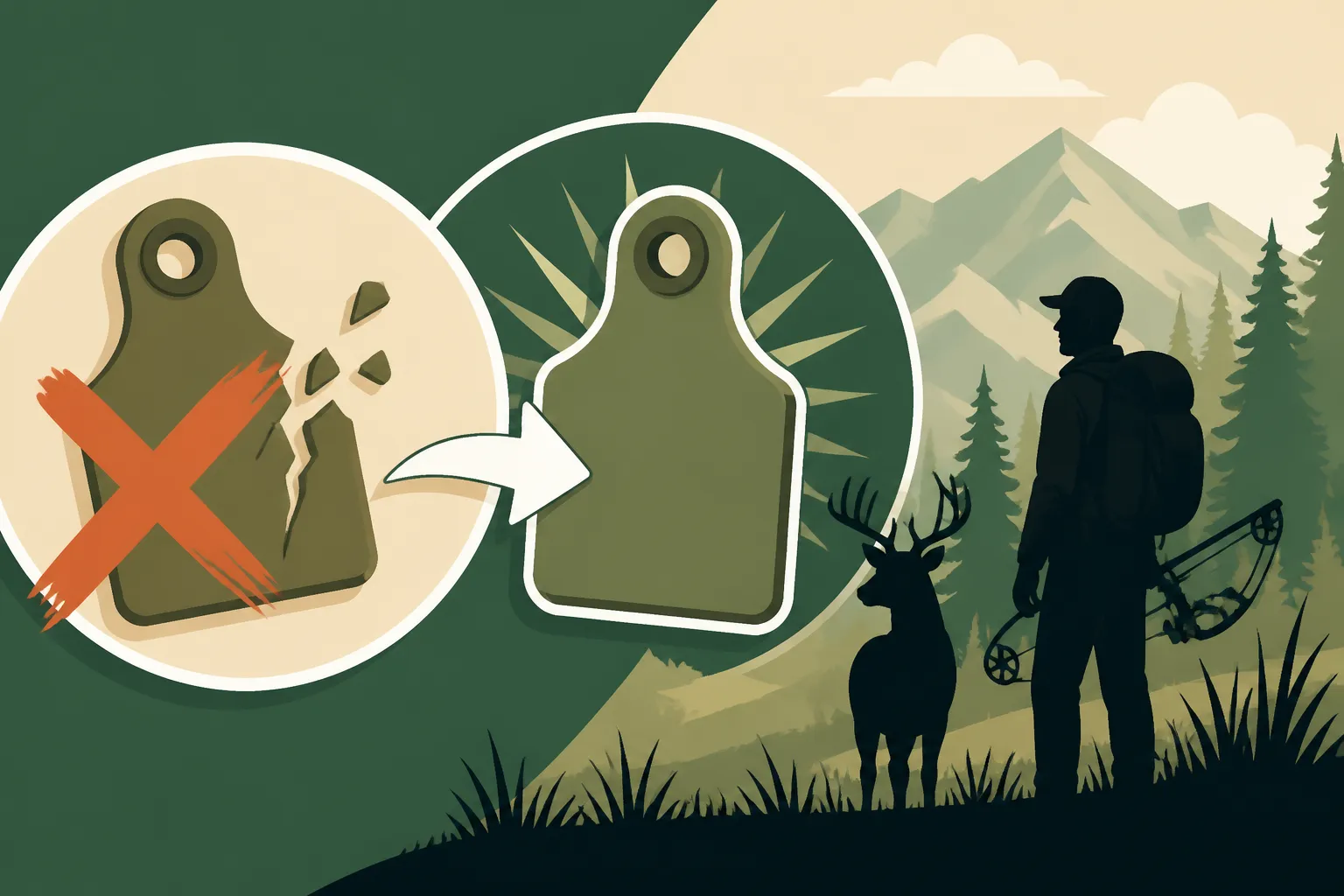
That heart-sinking moment when you pat your pocket, reach for your wallet, or dig through your pack and realize it – your Washington hunting tag is gone. It's a gut-wrenching feeling that can turn an exciting hunt into a stressful scramble, leaving you wondering if your entire season is now jeopardized. This guide is here to walk you through exactly what to do when you lose that crucial piece of paper, how to get a replacement, and practical advice to make sure it doesn't happen again.
The Panic of a Missing Tag: Why It Happens and Why It Matters
We've all been there, or at least imagined the scenario: you're miles into the backcountry, you've just spotted the buck of a lifetime, and then a cold dread washes over you as you discover your tag has vanished. It's not just an inconvenience; it's a genuine crisis in the field, hitting you right in the gut with a mix of frustration and fear of legal repercussions.
Common Scenarios for Lost Tags
Losing a hunting tag isn't usually due to outright carelessness; it often happens in the chaos and focus of the hunt itself. Think about it: you're scrambling over blowdowns, pushing through thick brush, or perhaps you just pulled out your phone for a quick map check, and your wallet or license holder slips out unnoticed. Maybe you were layering up or down as the weather shifted, and it fell out of a pocket. I've heard stories of tags going through the laundry (we've all done it with something important!), or simply being misplaced in a messy camp after a long day. One buddy even realized his deer tag was missing only after he had a big Roosevelt bull on the ground, having accidentally dropped it when pulling out his knife. The immediate worry isn't just about the hunt you're on, but the potential penalties if you can't produce a valid tag when a game warden checks.
The Critical Importance of Your Washington Tag
Your Washington hunting tag is far more than just a slip of paper; it's your legal permission to harvest a specific animal in a specific season, and it's absolutely non-negotiable in the field. Without it, you cannot legally tag an animal, which means if you were to harvest something, you'd be looking at a serious violation, potentially including hefty fines, confiscation of your animal, and even loss of hunting privileges. It's proof that you've paid your dues, that you're hunting within the regulated framework, and that you're contributing to wildlife management efforts. Each tag has a unique identifier linked to your WDFW account, allowing the state to track harvest data, manage populations, and ensure sustainable hunting opportunities for everyone. This data is vital for setting future seasons and understanding the health of our wildlife, from our Yakima Elk Herd Population Numbers to the burgeoning mule deer populations in Eastern Washington. So, when that tag goes missing, it's not just your personal hunt on the line, but your compliance with the very rules that make hunting possible in our state.
Navigating the Replacement Process with WDFW
Once the initial panic subsides, your next thought is, "How do I get a new one, and fast?" Thankfully, the Washington Department of Fish and Wildlife (WDFW) has a fairly straightforward process for replacing lost tags, though knowing your options ahead of time can save you a lot of stress and valuable hunting time.
The Online Replacement Method
For most hunters, the easiest and quickest way to replace a lost tag is through the WDFW's online WILD system. This digital portal is a lifesaver for situations like these, allowing you to handle the issue from virtually anywhere with an internet connection. You'll need access to your WDFW WILD account, which means remembering your username and password – a crucial step often overlooked until you desperately need it. Once logged in, navigate to the licensing section, and you should find an option for "Replace Lost License/Tag." The system will prompt you to select which specific license or tag you need to replace. There's typically a nominal fee for replacement, which helps cover the administrative costs. After confirming your selection and paying the fee, you can often print a temporary authorization immediately, which serves as your legal tag until the official replacement arrives in the mail, or for some general tags, the printout is your tag. This immediate print option is a game-changer if you're still in the field or planning to head out shortly. It's always a good idea to confirm with WDFW what constitutes a valid printed tag for your specific species and season, especially for special permit tags that might have different rules. For instance, understanding Washington's Weapon Choice Rule for Deer and Elk often ties into the specific tag you possess.
Here's a quick rundown of the online replacement steps:
| Step | Description | Estimated Time | Cost (approx.) |
|---|---|---|---|
| 1. Log into WILD Account | Access the WDFW WILD system with your username and password. | 1-2 minutes | Free |
| 2. Navigate to "Replace Lost Tag" | Find the appropriate section for license and tag replacements. | 1-3 minutes | Free |
| 3. Select Lost Item(s) | Choose the specific license or tag that needs replacing. | 1 minute | Free |
| 4. Pay Replacement Fee | Complete the online payment for the replacement tag. | 2-5 minutes | $3.80 – $5.00 |
| 5. Print Temporary Authorization | Print out the temporary tag or confirmation page. This is usually valid immediately. | 1-2 minutes | Free |
| 6. Await Mailed Replacement (if applicable) | Some tags may have a physical replacement mailed to you. | 7-10 business days | Free |
Visiting an Authorized License Dealer
If you're out in the boonies with no cell service, or perhaps your internet connection is as reliable as a three-legged mule, the online method might not be an option. In such cases, your next best bet is to visit an authorized WDFW license dealer. These are typically sporting goods stores, bait shops, or even some grocery stores that are set up to sell and replace hunting and fishing licenses.
When you go, make sure you bring some form of identification, like your driver's license. It also helps immensely if you have your WDFW customer ID number or even a previous year's license, as this will help the vendor quickly locate your account in their system. They can look up your purchasing history and issue you a replacement tag on the spot. This can be particularly useful if you're hunting an area where you might also be pursuing a Washington Second Deer or Elk Tags or need a quick replacement for a specific weapon type, like understanding What a Modern Firearm Tag Allows in Washington. The process is very similar to buying a new license, only this time you're specifically requesting a duplicate. Expect to pay a small replacement fee, similar to the online process. The great advantage here is walking out with a physical tag in hand, which can be invaluable when you're under pressure to get back to your hunt. Just be aware of their operating hours, especially if you're hunting early morning or late evening.
Understanding Replacement Costs and Limitations
While replacing a lost tag is generally straightforward, it's important to be aware of the associated costs and any potential limitations. As mentioned, there's usually a small fee, often around $3.80 to $5.00 per replacement. This fee is standard across most license types and helps cover the administrative overhead. While it might seem minor, if you're prone to losing tags, these costs can add up!
More importantly, while WDFW doesn't typically impose a strict limit on how many times you can replace a tag, frequent replacements might raise an eyebrow or two. It's primarily seen as a service to hunters, but it's not designed to be exploited. Also, for certain highly regulated or limited-entry tags, like those obtained through the Washington Special Hunt Permits and How to Apply process, there might be specific guidelines for replacements. For general season tags, however, the process is usually quite forgiving. The key is to act promptly. Don't wait until you've got an animal down to realize your tag is missing. Get it replaced as soon as you notice it's gone to avoid any legal complications and ensure your ethical compliance with Washington's hunting regulations.
Proactive Steps to Prevent Losing Your Tag Again
Prevention is always better than a cure, especially when the "cure" involves scrambling to replace a crucial piece of paper in the middle of hunting season. Taking a few intentional steps can drastically reduce your chances of ever facing that heart-stopping moment of a missing tag again.
Smart Tag Management in the Field
The field is a chaotic environment for small, important items. The best way to prevent losing your tag is to establish a strict routine and dedicated storage. Firstly, consider investing in a quality waterproof license holder. Many hunters use a simple Ziploc bag, which works, but a dedicated holder that attaches to a lanyard or securely clips inside your pack provides an extra layer of protection. Wear your tag around your neck under your jacket, or in a very specific, zippered pocket that you only use for your tag and maybe your driver's license.
Before you even leave the truck, make it a habit to physically check for your tag. When you take off a layer, check for your tag. When you stop for a break, check for your tag. Create a mental checklist that you run through every time you change gear, move camp, or even just stand up after sitting for a while. If you're using a specific hunting app like GoHunt for scouting or navigation, train yourself to always confirm your physical tag's presence before you open the app to check your coordinates. This consistent routine will embed the habit and prevent accidental drops or misplacement. Remember, a little vigilance goes a long way in ensuring your ability to Field Dressing in Warm Early-Season Weather is not interrupted by a missing tag.
Digital Backups and Resources
In our increasingly digital world, smart use of technology can be a fantastic backup, even if it doesn't always replace a physical tag. While you still need that physical tag to affix to your animal after a harvest, having digital records can be a lifesaver for verification or replacement purposes. Before you even head out for your hunt, take clear photos of all your licenses and tags with your smartphone. Get both sides, ensuring all your personal information, tag numbers, and season details are legible. Store these photos in a dedicated album on your phone or, even better, in a cloud service like Google Drive or Dropbox, so they're accessible even if you lose your phone.
Furthermore, leveraging hunting apps can provide another layer of organization. While GoHunt is primarily known for its mapping and research tools, many hunters use its notes feature to store important license numbers or WDFW customer IDs. This means if you lose your physical tag, and even your wallet, you still have easy access to the information you need to log into the WILD system online or provide to a license dealer. Just remember to download offline maps within these apps, especially if you're E-Scouting a Washington GMU From Home and then heading into areas without cell service. This digital foresight can significantly streamline the replacement process and get you back to hunting faster.
Planning for the Unexpected
Even with the best precautions, things can still go awry. That's why having a contingency plan is crucial. First, ensure you know your WDFW WILD account login details by heart, or have them written down in a secure, separate location at home. This way, if your tag goes missing, you're not also locked out of the online replacement system.
If you're hunting with a partner, share your WDFW ID number with them and ask for theirs. In an emergency, they could potentially assist you in accessing your information or even driving to a dealer to facilitate a replacement on your behalf, depending on WDFW's policies. For more remote hunts, consider having a satellite messenger like a Garmin inReach or Zoleo. While primarily for emergency communications or Two-Way Radio Use While Hunting, they can sometimes allow you to send a message to a loved one asking them to access your online account and assist with a replacement if you're truly isolated. Think about the scenarios that could unfold, from a quick trip back to town to a more involved effort to get a new tag, and have a mental roadmap for each. This readiness reduces panic and allows you to react calmly and efficiently when the unexpected inevitably happens. Make sure your First Aid Kit for a Remote Hunt also includes a waterproof pouch for important documents, just in case.
Disclaimer
The information provided in this guide is for general informational purposes only and is subject to change. Hunting regulations, licensing fees, and replacement procedures are set by the Washington Department of Fish and Wildlife (WDFW) and can be updated at any time. Always consult the official WDFW website or the most current Washington Big Game Hunting Seasons and Regulations pamphlet for the most accurate and up-to-date information before planning your hunt or replacing a lost tag.