Scotch Creek Wildlife Area Hunting
Trying to navigate the maze of public land access in Washington State can feel like a full-time job, especially when you're looking for a new hunting spot that isn't overrun. Many hunters drive past great opportunities simply because they don't know the specifics of a particular wildlife area. This guide is going to walk you through everything you need to know about hunting the Scotch Creek Wildlife Area, from its unique landscape to the specific game animals you can expect to encounter, so you can plan a successful and stress-free hunt.
Understanding the Scotch Creek Wildlife Area
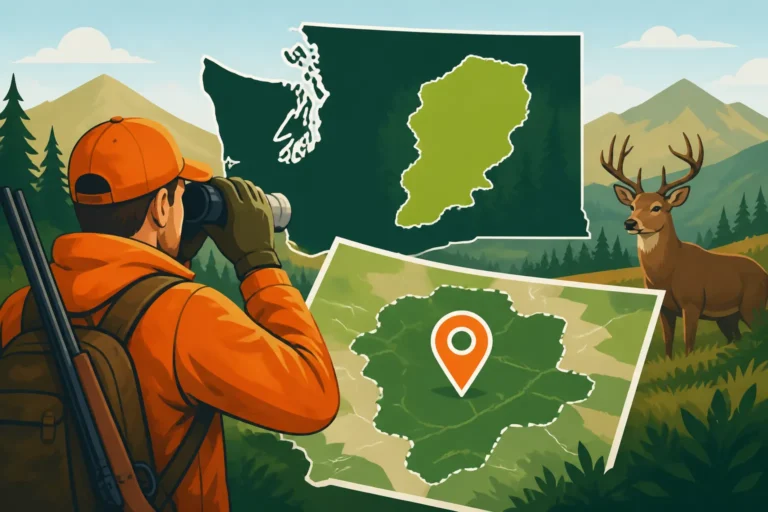
The Scotch Creek Wildlife Area is one of Washington's hidden gems, nestled in Okanogan County in the north-central part of the state, not far from the small town of Loomis. It's an expansive piece of public land, managed by the Washington Department of Fish and Wildlife (WDFW), designed to protect critical wildlife habitat while providing recreational opportunities, including hunting. It sits right in that interesting transition zone where the sagebrush steppe of the Columbia Basin starts to give way to the foothills and timbered slopes leading up into the Okanogan Highlands. This diverse landscape is precisely what makes it such an attractive destination for various game species and, by extension, hunters.
Geographically, you're looking at a mix of terrain. There are open, rolling hills covered in sagebrush and native grasses, dissected by numerous draws and coulees. These areas are classic eastern Washington habitat, perfect for glassing long distances. As you move into the higher elevations or deeper into the drainage bottoms, you'll start to find pockets of more dense timber – ponderosa pine, Douglas fir, and some riparian zones along Scotch Creek itself. This mix creates incredible edge habitat, which, as any seasoned hunter knows, is where the animals love to be. The creek itself, while often small, provides crucial water sources, especially during the dry late summer and fall months, drawing wildlife in. This blend of open country and cover makes for dynamic hunting, offering different challenges and strategies depending on where you are within the area.
Access and Regulations Specific to Scotch Creek
Gaining access to Scotch Creek Wildlife Area is generally straightforward, but like all WDFW lands, it comes with specific rules and expectations you need to be aware of. Most access points are off county roads that run adjacent to or through the area. A good starting point for any hunter is to get a detailed map of the area; digital tools like onX Hunt are invaluable here for identifying public land boundaries and main access roads. While some roads within the wildlife area might be open to vehicles, many will be designated as Green Dot roads or completely closed to motorized vehicles to reduce disturbance to wildlife and maintain a quality hunting experience. Always check the current WDFW pamphlet and any posted signs at the entrance to be sure.
Parking within the Scotch Creek Wildlife Area typically requires a Discover Pass, which is standard for most state-managed recreation lands in Washington. If you purchase a hunting license, it often includes a portion of the Discover Pass fee, but it's essential to confirm if you need a separate pass for your vehicle. You can often find small designated parking areas, but sometimes it's just a pull-off along a main road. Camping is generally restricted within the wildlife area itself to minimize human impact, especially during peak seasons. This means you’ll likely need to seek dispersed camping opportunities on adjacent National Forest land or utilize designated campgrounds outside the wildlife area if you're planning an overnight trip. It’s always a good idea to research these options in advance, perhaps even using a mapping application to scout potential camp spots. For more comprehensive information, be sure to consult Washington Wildlife Area Rules.
When it comes to hunting, Scotch Creek falls under the general Washington hunting regulations, but pay close attention to the specific GMU (Game Management Unit) boundaries it encompasses. The area often includes portions of multiple GMUs, and rules can vary slightly between them for specific seasons or species. For example, some GMUs might have antler restrictions for deer, while others might not. Always double-check the current WDFW hunting pamphlet for the most up-to-date regulations, season dates, and specific bag limits. This is also where understanding special permits comes into play, as drawing a specific permit for a GMU that includes parts of Scotch Creek can grant you access to unique hunting opportunities not available during general seasons.
Hunting Opportunities and Strategies
The Scotch Creek Wildlife Area offers a variety of hunting opportunities for both big game and small game, making it a versatile destination for hunters throughout the year. The primary draw for many hunters here revolves around its deer populations, but there are also good prospects for upland birds and even predators.
Deer Hunting in Scotch Creek
Scotch Creek is particularly well-known for its mule deer, which thrive in the open sagebrush country and the broken topography of the region. You'll find them using the draws and coulees for cover and travel, especially during daylight hours. Strategies for mule deer here often involve patient glassing from a vantage point at first light or last light, picking apart the hillsides with binoculars or a spotting scope. Look for subtle movements, an ear flick, or the tell-tale horizontal line of a deer's back against the brush. Once you spot an animal, a careful stalk using the terrain to your advantage is key. Early season hunts might find bucks in smaller bachelor groups, while the rut, which typically occurs in November, can bring more activity and less wary animals into play. For more on these majestic animals, check out Mule Deer of Eastern Washington.
While mule deer are the dominant species in the more open habitat, you can also find white-tailed deer in the timbered pockets and riparian areas along Scotch Creek. Whitetails are much more elusive and prefer denser cover, often remaining hidden. Still-hunting through these timber patches, moving slowly and deliberately, pausing often to scan for movement, can be an effective tactic. Also, focusing on pinch points and travel corridors between bedding areas and water sources can pay off. The white-tailed deer in this region are often associated with the northern parts of eastern Washington. If you're interested in pursuing this species, the guide to White-Tailed Deer in Northeast Washington offers excellent advice.
Upland Bird Hunting Prospects
Beyond big game, Scotch Creek Wildlife Area provides solid opportunities for upland bird hunters. Chukar partridge are a common target, favoring the steep, rocky slopes and broken terrain. Hunting chukar is physically demanding, often requiring significant hiking up and down steep hills, but the reward of a covey flush can be exhilarating. California quail are also present, often found in the lower elevations closer to water sources and thicker brush. Ruffed grouse might be found in the denser timbered draws, particularly those with aspen or willow thickets.
For successful upland bird hunting, good conditioning is essential. Dogs are often a huge asset for locating birds and retrieving them in the dense cover. Early mornings and late afternoons are prime times, especially when birds are moving to and from water or feeding areas. Knowing the calls of these birds can also help you pinpoint their locations. Be sure to understand the specific season dates and bag limits for each species, as they can vary. More details on pursuing these feathered game animals can be found in Washington Upland Birds and Waterfowl.
Predator Hunting and Other Opportunities
Coyotes are abundant in the Scotch Creek area and provide excellent year-round hunting opportunities. They thrive in the mix of open sagebrush and timbered pockets, preying on small game and deer fawns. Predator calling, using electronic calls or mouth calls to mimic distress sounds, can be very effective, especially during the colder months when other hunting seasons are closed. Setting up with good visibility and being patient is crucial. Check out Predator Calling for Coyotes in Eastern Washington for more in-depth strategies. While less common, black bears do move through the area, especially during fall when berries and other food sources are available. However, bear hunting typically requires a specific tag and understanding of their movements and feeding habits in the region.
Planning Your Hunt and What to Expect
A successful hunt in Scotch Creek, or any new area, starts long before you ever set foot on the ground. Thorough preparation is your best friend, especially when dealing with public land and its nuances.
Permits, Licenses, and Season Dates
First and foremost, you need to ensure all your legal ducks are in a row. This means having the correct hunting license, species-specific tags, and any necessary endorsements. Washington has a comprehensive licensing system, and understanding what you need for each species and season is critical. If you're new to hunting in Washington or need a refresher on the basics, Washington Big Game Licence and Tag Costs and Washington Hunter Education and Licensing are essential resources. Remember to check the official WDFW Big Game Hunting Seasons and Regulations pamphlet for the current year. This pamphlet is the definitive source for season dates, GMU-specific rules, bag limits, and any special restrictions that might apply to Scotch Creek. Don't rely solely on what you think you remember from last year; regulations can and do change.
E-Scouting and Navigation Essentials
Modern technology has revolutionized how we scout and navigate hunting areas. Before heading out, spend significant time e-scouting Scotch Creek from home. Utilize satellite imagery on tools like onX Hunt or Google Earth to identify terrain features, timber pockets, water sources, and potential bedding or feeding areas. Look for natural funnels, ridges that offer good glassing points, and subtle benches that might hold animals. Pay close attention to public/private land boundaries, as these are clearly marked on onX Hunt, ensuring you stay on legal hunting ground. For those looking to dive deeper into planning, services like GoHunt can provide even more detailed intel on unit statistics and draw odds, though for a general season hunt, the focus remains on understanding the landscape. E-Scouting Washington GMUs Before the Draw offers excellent tips for this pre-hunt preparation.
Crucially, download offline maps of the area to your phone or GPS device. Cell service in many parts of Okanogan County, including portions of Scotch Creek, can be spotty or nonexistent. Having your maps pre-loaded ensures you can navigate safely and accurately without relying on a signal. Downloading Offline Maps for Washington is a must-read if you're not already doing this. Even with digital maps, carrying a physical map and compass as a backup is always a wise decision, especially when venturing into unfamiliar territory.
Gear Considerations and Environmental Preparedness
Hunting in eastern Washington, particularly in the fall, means preparing for variable weather. Days can be warm and sunny, while nights can drop significantly, and sudden storms aren't uncommon. Layered clothing is essential, allowing you to adapt to changing temperatures and activity levels. Good quality, waterproof hiking boots with ankle support are a must, as the terrain can be uneven, rocky, and often steep.
Optics are critical for mule deer hunting in Scotch Creek. A good pair of binoculars (10×42 is often a sweet spot) and a spotting scope can help you pick apart distant hillsides. Don't forget a rangefinder, especially if you're hunting with a rifle, as shot distances can be longer than in dense timber. Water, and plenty of it, is vital. While Scotch Creek runs through the area, its flow can vary, and relying solely on it is risky. Carry more water than you think you'll need, especially during warmer early-season hunts. A good pack capable of carrying your day's essentials, plus extra layers and potentially game meat, will round out your gear list. Finally, always let someone know your hunt plan, including where you're going and when you expect to return. It's a simple step that could save your life.
Remember, the Scotch Creek Wildlife Area is a shared resource. Respect other users, wildlife, and the land itself. Pack out everything you pack in, leave no trace, and adhere to all regulations. With a little planning and effort, Scotch Creek can provide a rewarding hunting experience in Washington's beautiful eastern landscapes.
| Species | Primary Habitat | Best Hunting Times | Key Strategy |
|---|---|---|---|
| Mule Deer | Open sagebrush hills, draws, coulees, timbered edges | Early season (Sept-Oct), Late Rut (Nov) | Patient glassing, careful stalks |
| White-tailed Deer | Dense timber pockets, riparian areas along creek | Early-Mid season (Oct), Late Rut (Nov) | Still-hunting, focusing on pinch points |
| Chukar | Steep, rocky slopes, open sagebrush | Fall (cooler mornings/evenings) | Physically demanding hikes, dog work |
| California Quail | Lower elevations, dense brush near water | Early Fall (cooler temperatures) | Working thickets, focusing on water sources |
| Coyote | Throughout the area, open and timbered | Year-round, best in colder months | Predator calling, long-range setups |
Disclaimer
This article is for general informational purposes only and does not constitute professional advice. Laws, prices and regulations vary by location and change over time. Consult a qualified professional for guidance on your specific situation.