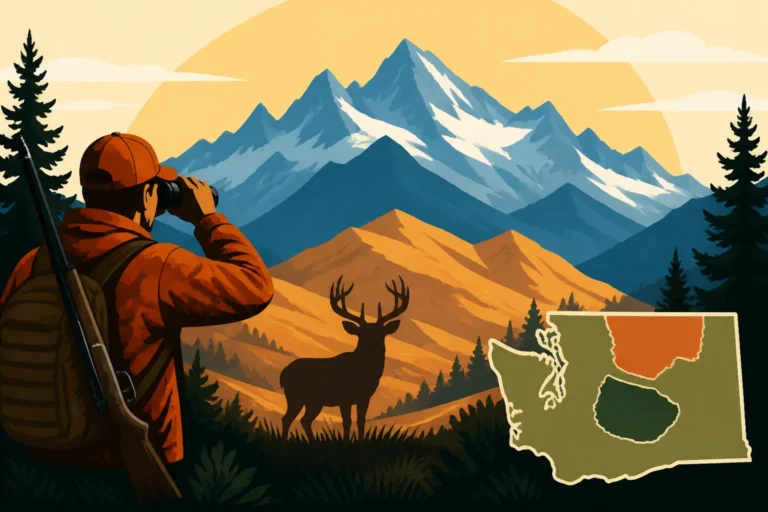
Skagit Unit Deer and Elk
Hunting the Skagit Unit in Washington can feel like you're constantly battling the elements and the terrain, a truly unique challenge compared to many other parts of the state. The thick timber, relentless rain, and often rugged ground can leave even seasoned hunters wondering where to begin. This guide aims to pull back the curtain on deer and elk hunting within the Skagit Unit (GMU 418), offering practical insights and strategies to help you navigate this incredible, yet demanding, Western Washington landscape.
Understanding the Skagit Unit Landscape and Its Challenges
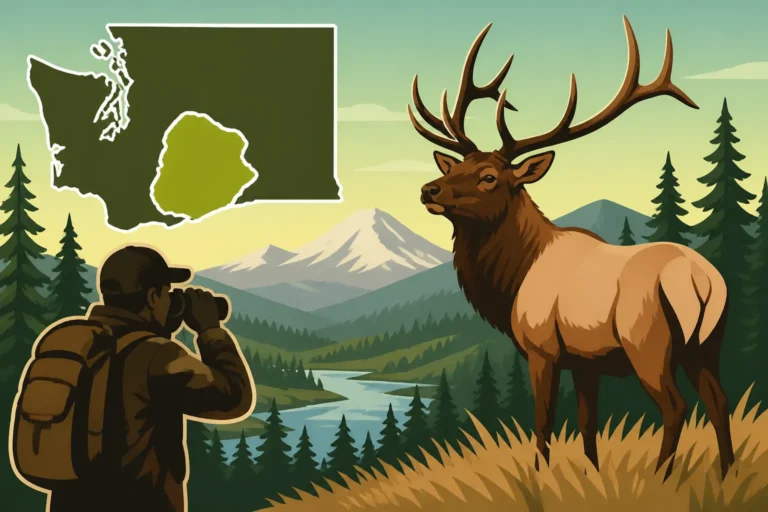
The Skagit Unit, officially known as GMU 418, presents a distinct set of challenges and opportunities for hunters. It's not your typical glassing country; instead, it's a dense, often wet, world that demands a specific approach and a hefty dose of perseverance.
Geography and Terrain of GMU 418
Imagine a landscape carved by glaciers and fed by an abundance of moisture, and you're starting to picture the Skagit Unit. This GMU encompasses a vast area, from the low-lying river bottoms and sloughs near the Puget Sound all the way up into the rugged foothills of the North Cascades. You'll encounter a mosaic of habitat: towering old-growth timber, dense second-growth Douglas fir and hemlock, sprawling clearcuts in various stages of regrowth, and brushy riparian zones. The topography can shift dramatically, from gentle slopes to incredibly steep, brush-choked hillsides that make every step a workout.
The sheer density of the vegetation is perhaps the most defining characteristic. Think salal, devil's club, sword ferns, and dense huckleberry bushes forming an almost impenetrable barrier in many areas. This thick cover means visibility is often limited to mere yards, forcing hunters to rely heavily on tracking, still-hunting, and keen auditory senses. The pervasive moisture, especially during the fall hunting seasons, contributes to a perpetually damp environment, making everything slick, cold, and quiet underfoot – a double-edged sword for hunters. Elk and deer utilize this cover to their advantage, often being incredibly difficult to spot until you're right on top of them.
Access Points and Road Systems
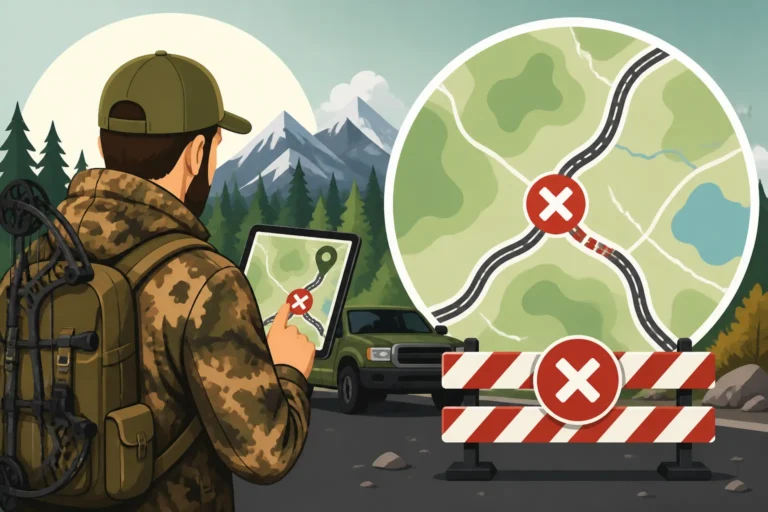
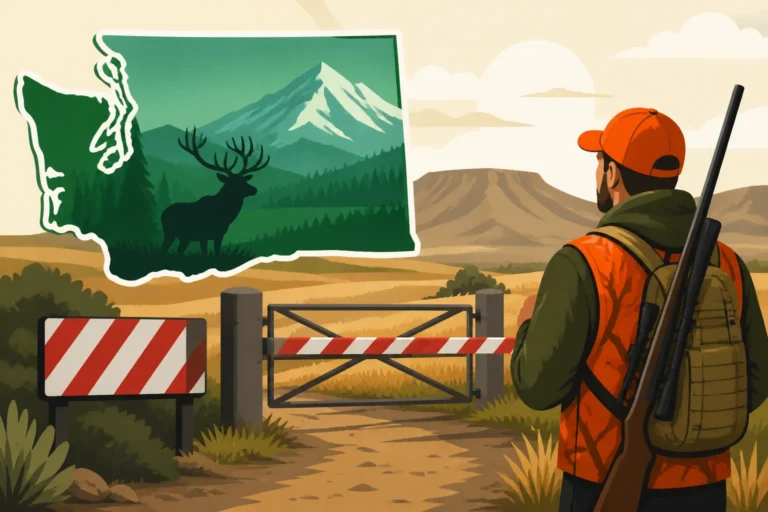
Navigating the Skagit Unit effectively hinges on understanding its complex web of access. Much of the land within GMU 418 is a mix of state-managed lands, primarily Washington Department of Natural Resources (DNR), and extensive private industrial timberlands. These private timber holdings, often owned by companies like Weyerhaeuser or Hancock, often require permits or have specific access rules, which can change frequently. It's not uncommon to find a gate locked one year that was open the last, making pre-season scouting and up-to-date information absolutely critical.
Public access exists on state and national forest lands, often via "Green Dot" road systems that regulate vehicle use to reduce road density and improve wildlife habitat. However, even these can be seasonal or subject to closures due to weather, fire danger, or logging operations. Many of the most promising areas are behind locked gates, necessitating walk-in access, which significantly ups the physical demands of the hunt. Always make sure to check Washington DNR Road Gate Closures and understand the requirements for Timber Company Permits in Western Washington well before you plan your trip. Online mapping tools like onX Hunt are invaluable here, helping you identify land ownership boundaries, open roads, and potential walk-in access points. Without a clear understanding of where you can and cannot go, you'll spend more time frustrated than actually hunting.
Deer Hunting Opportunities in the Skagit Unit
While the Skagit Unit is often lauded for its elk, the blacktail deer here offer a challenging and rewarding pursuit for those who understand their habits in this unique environment. Don't expect to be glassing open hillsides for herds of deer; this is intimate, close-quarters hunting.
Blacktail Deer Habits and Habitat
The Columbian blacktail deer are perfectly adapted to the dense, wet forests of Western Washington, and the Skagit Unit is prime blacktail country. Unlike their mule deer cousins of Eastern Washington, blacktails prefer the thickest cover imaginable. They thrive in regenerating clearcuts, often just a few years old, where dense brush and young trees provide both ample forage and incredible security cover. You'll also find them moving through mature timber, especially along game trails that offer some semblance of easier travel. River bottoms and the fringes of agricultural lands can also hold deer, particularly during the early morning and late evening hours.
Their elusive nature makes them a true ghost of the forest. They're masters of using cover to their advantage, often remaining motionless just yards away, allowing you to walk right by. This means traditional spot-and-stalk tactics often give way to slow, deliberate still-hunting. Pay close attention to subtle movements, the flick of an ear, or a patch of hide through the dense foliage. Their diet consists of various browse, including huckleberry, salal, and young conifer shoots, which explains their presence in logged areas. Understanding where the freshest forage is after a clearcut has been logged can be a game-changer. For a deeper dive into how to effectively hunt these deer, check out Still-Hunting Blacktails in Wet Washington Brush and Reading Clearcuts and Reprod for Blacktail Bucks.
Key Deer Hunting Seasons and Strategies
The general season for blacktail deer in the Skagit Unit typically includes both archery and modern firearm opportunities in the fall. Early archery season can be mild and wet, making scent control a constant battle, but also offering a quiet approach in the dense timber. Modern firearm seasons often coincide with increasing rainfall and cooler temperatures, which can make for soggy, but sometimes productive, hunting conditions. The rut timing is also a critical factor; while not as pronounced as with other deer species, the blacktail rut in Western Washington usually peaks in November. Knowing this can help you focus your efforts when bucks are more active and less cautious. You can learn more about this by reading Blacktail Rut Timing in Western Washington.
Successful deer hunting in the Skagit often involves covering ground slowly, often referred to as "still-hunting." This means taking a few steps, stopping for several minutes to observe and listen, and then repeating the process. Focus on areas where different types of habitat meet, such as the edge of a mature timber stand bordering a young clearcut, or a creek bottom that offers a natural travel corridor. Utilizing subtle cow calls or grunt tubes can sometimes get a curious buck to reveal himself, especially during the rut. Patience is paramount, as is the ability to move silently through noisy, wet underbrush. Don't underestimate the power of sitting on a good vantage point overlooking a suspected bedding area or travel route, especially if you can get there before first light.
| Characteristic | Blacktail Deer Hunting (Skagit) | Roosevelt Elk Hunting (Skagit) |
|---|---|---|
| Primary Habitat | Dense young clearcuts, brushy second-growth, creek bottoms | Dense old-growth, regenerating timber, steep valleys |
| Typical Method | Still-hunting, slow methodical pushes, stand hunting | Calling (bugling/cow calls), still-hunting, tracking |
| Visibility | Very limited (often <50 yards) | Limited (often <75 yards), but elk sign is more distinct |
| Terrain | Varied, but often steep and brushy | Rugged, steep, demanding, often remote |
| Primary Challenge | Elusiveness, dense cover, pinpointing movement | Elusiveness, dense cover, physical exertion, locating herds |
| Physical Demand | Moderate to High | High to Extreme |
| Weapon Season | Archery, Modern Firearm | Archery, Modern Firearm, Muzzleloader (unit dependent) |
Elk Hunting in the Skagit Unit
The Skagit Unit is home to the majestic Roosevelt elk, and pursuing these animals in their dense, rain-soaked habitat is a quintessential Western Washington experience. It's physically demanding, mentally taxing, and incredibly rewarding when it all comes together.
Roosevelt Elk Behavior and Range
Roosevelt elk are truly creatures of the dense coastal rainforests and mountain slopes. Unlike their Rocky Mountain cousins, which often frequent open parks and meadows, Roosevelt elk in the Skagit are masters of the timber. They prefer areas with thick canopy for cover, often bedding down in dark, almost impenetrable stands of conifers. However, they also utilize clearcuts and younger growth for feeding, especially those areas that have recently been logged and offer a flush of new vegetation. Roosevelt Elk of Western Washington can give you a broader understanding of their habits.
Their movements are heavily influenced by logging activity. Fresh clearcuts will draw them in for forage, but sustained human presence will push them back into the security of the deep woods. They often move along established game trails, utilizing benches and saddles for easier travel through the steep terrain. Finding fresh sign – tracks, droppings, rubs, and wallows – is absolutely critical to locating these animals. Remember, Roosevelt bulls are often less vocal than Rocky Mountain elk, especially outside of the peak rut, making them harder to locate by sound alone. This particular behavior is detailed further in Roosevelt Bulls and Why They Bugle Less. Expect to do a lot of walking, listening, and looking for subtle clues of their presence.
Tactics for Skagit Elk Hunters
Hunting Roosevelt elk in the Skagit requires a blend of aggression and patience. During the early archery season, the rut can be in full swing, and calling can be effective. Both bugles and cow calls can work, but often you'll be trying to pull a bull out of dense timber from a short distance rather than across a valley. Setting up quietly and calling from ambush positions along known travel routes can be highly effective. During modern firearm seasons, the elk are often warier, and still-hunting or tracking becomes the primary method. Focus on moving silently through the timber, using the contours of the land to your advantage, and pausing frequently to listen for subtle sounds.
Physical fitness is non-negotiable for Skagit elk hunting. When you finally connect with an elk, the work has only just begun. The terrain is steep, the cover is thick, and the weather can be miserable. Being able to quarter an animal efficiently and pack it out, often multiple trips, is a critical skill. Learn the gutless method for field dressing to make the process easier. For more detailed information on getting your harvest out of the woods, refer to Packing an Elk Out of Washington's Backcountry. Always consider your shot placement carefully in this dense environment, as blood trailing can be incredibly difficult. Read up on Shot Placement on a Quartering Elk to ensure you're making the most ethical and recoverable shot possible. Expect to be wet, tired, and pushed to your limits – but the reward is truly unparalleled.
Essential Gear and Planning for Skagit Hunts
Success in the Skagit Unit isn't just about knowing where to go or what to hunt; it's also about being prepared for the unique conditions this Western Washington gem throws at you. The right gear and a solid plan can make all the difference between a miserable trip and a memorable hunt.
Navigating the Unit with Mapping Tools
In a GMU as complex as Skagit (418), relying solely on paper maps or your memory is a recipe for frustration. Modern mapping applications have revolutionized how hunters approach these challenging areas. Tools like onX Hunt are indispensable for several reasons. First, they clearly delineate land ownership, showing you instantly where public land ends and private timber begins. This is crucial for avoiding trespass and identifying access points. onX Layers for Washington Land Status can help you visualize these boundaries. Second, these apps allow you to download offline maps, which is absolutely vital because cell service in much of the Skagit Unit is spotty to non-existent. Without offline maps, your GPS will still work, but you won't see any of the crucial topographical or land ownership details. You can learn more about this by reading Downloading Offline Maps for Washington.
Before you even leave home, use these tools to e-scout. Look for old logging roads, clearcut boundaries, creek drainages, and areas of dense cover that might hold deer or elk. Mark potential parking spots, locked gates, and natural funnels. In the field, use the GPS functionality to track your movements, mark fresh sign, and navigate back to your vehicle, especially in thick fog or after dark. Brands like GoHunt also offer extensive resources and mapping capabilities that can help you with unit-specific data and drawing odds, though for in-field navigation, onX Hunt is a widely favored choice for its comprehensive land data. Always carry a physical compass and map as a backup, because electronics can fail, but a properly used map and compass won't.
Wet Weather Gear and Safety Considerations
The Skagit Unit is synonymous with rain. Ignoring this reality in your gear planning is a critical mistake. A reliable rain system isn't just about staying dry; it's about staying warm, maintaining morale, and ultimately, staying safe. Invest in high-quality waterproof and breathable rain gear that can withstand hours, if not days, of persistent drizzle or downpour. Look for durable outer layers that can stand up to thick brush without tearing. Layering is key: a good moisture-wicking base layer, insulating mid-layers (fleece or synthetic puffy), and that bombproof outer shell. Wool or synthetic materials are preferred over cotton, which loses all insulating properties when wet. For advice on what truly holds up, check out Rain Gear That Survives a Washington Westside Season.
Beyond keeping dry, safety should always be at the forefront of your mind. Hunting solo in remote, rugged terrain carries inherent risks. Always leave a detailed trip plan with someone responsible back home, including your expected route, unit, and return time. Pack a comprehensive first aid kit – not just a few band-aids, but items to treat serious cuts, sprains, or even hypothermia, a real risk in wet, cold conditions. A satellite messenger or two-way radio is a wise investment, especially if you venture off-grid. Read First Aid Kit for a Remote Hunt and Solo Hunting Safety Precautions to ensure you're covering all your bases. The Skagit can be unforgiving, and being prepared for the unexpected is your best defense.
Disclaimer
This article is for general informational purposes only and does not constitute professional advice. Laws, prices and regulations vary by location and change over time. Consult a qualified professional for guidance on your specific situation.