Waterproofing Leather Boots
There’s nothing quite like the feeling of cold, wet feet seeping into your boots when you’re miles deep in Washington’s backcountry, whether you're chasing elk in the Cascades or blacktails in the coastal rainforests. That clammy, squishy feeling isn't just uncomfortable; it can quickly ruin a hunt, lead to blisters, and even become a safety issue. This guide is all about tackling that common frustration head-on, showing you exactly how to properly waterproof your leather hunting boots so your feet stay dry, comfortable, and ready for whatever Washington throws at them.
Why Waterproofing Leather Boots is a Game Changer for Washington Hunters
Let's be real: Washington is wet. From the misty rainforests of the Olympic Peninsula to the snow-dusted eastern slopes, you’re almost guaranteed to encounter moisture. Your boots are your primary defense against that relentless wetness, and keeping them in top shape isn't just about comfort—it's about the success and safety of your hunt.
The Relentless Washington Wetness
Think about a typical Washington hunting day. You might start off with heavy dew soaking the brush as you still-hunt for Blacktail Deer Hunting in Western Washington Timber. Then, a mid-morning drizzle sets in, turning the forest floor into a slick, muddy mess. Maybe you're crossing a small stream that’s a little deeper than you expected, or pushing through thick, wet salal and devil's club that slaps moisture onto every inch of your gear. In late season, you’re likely breaking through crusty snow or slogging through slush. Even on "dry" days in Eastern Washington, there can be unexpected pockets of moisture or morning frost. All of these conditions are actively trying to breach your boot's defenses, making proper waterproofing absolutely critical. It's not a "nice-to-have," it's an essential part of your gear strategy.
Beyond Comfort: Preventing Foot Issues
Beyond the sheer misery of cold, wet feet, there's the very real danger of debilitating foot issues. Blisters are the most immediate threat. When your skin stays wet, it softens and becomes incredibly susceptible to friction, leading to painful blisters that can sideline you for days. Have you ever tried to hike out with a massive blister on your heel? It's agonizing. Then there’s the more serious concern of trench foot or immersion foot, where prolonged exposure to cold and wet conditions can damage nerves and blood vessels. This isn't just an inconvenience; it's a serious medical condition that can have long-term effects. Keeping your feet dry helps maintain your core body temperature, keeping you warmer and more alert, which is vital when you're focusing on Shot Placement on a Quartering Elk or navigating tricky terrain.
Protecting Your Investment
Let’s face it, quality leather hunting boots aren’t cheap. They’re a significant investment in your hunting success and comfort. Neglecting their care, especially waterproofing, is like buying a high-performance truck and never changing the oil. Water absorption causes leather to swell and then dry out unevenly, leading to cracking, stiffening, and eventually, failure of the stitching or the leather itself. Regularly waterproofing your boots creates a barrier that prevents water from soaking into the leather, which in turn keeps the leather supple, durable, and performing as it should for many seasons to come. It’s not just about keeping your feet dry; it’s about making sure those expensive boots last long enough to justify their cost, hunt after hunt.
Understanding Your Leather Boots and Their Waterproofing Needs
Not all leather boots are created equal, and understanding the type of leather and any integrated waterproof features your boots possess is the first step toward effective waterproofing. A "one-size-fits-all" approach simply won't cut it if you want to maximize protection and longevity.
Full-Grain, Nubuck, and Suede: Different Leathers, Different Approaches
The type of leather your boots are made from significantly impacts how you should waterproof them.
- Full-grain leather is the most common for heavy-duty hunting boots. It's tough, durable, and naturally water-resistant due to its dense fibers. Waterproofing treatments like waxes and greases work exceptionally well on full-grain, penetrating the pores and creating a robust, long-lasting barrier. The trade-off is that these treatments can sometimes darken the leather and might slightly reduce breathability.
- Nubuck leather is full-grain leather that has been buffed on the exterior to give it a soft, velvety texture, similar to suede but tougher. It's still very durable, but its buffed surface is more porous than untreated full-grain. Waxes and greases can flatten the "nap" and alter its appearance permanently. For nubuck, sprays and specific conditioning creams designed for this type of leather are usually the better choice, as they offer protection without drastically changing the texture.
- Suede leather is less common for primary hunting boots due to its softer, more delicate nature, but some lighter-weight boots might incorporate it. Suede is the most porous of these three. Like nubuck, waxes and greases are generally too heavy and will ruin the finish. Water-based or silicone-based sprays are the go-to for suede, offering a breathable, protective layer that maintains the material’s characteristic texture. When you’re shopping for new gear, GoHunt often has great reviews and guides on identifying different leather types and their ideal care products, which can save you a lot of guesswork.
The Role of Waterproof Membranes (Gore-Tex, eVent, etc.)
Many modern hunting boots come equipped with an internal waterproof/breathable membrane, like Gore-Tex or eVent. These membranes are fantastic at preventing water from entering the boot while theoretically allowing moisture vapor (sweat) to escape. So, if your boots have a membrane, why do you still need to waterproof the leather exterior? It's a common and valid question. The membrane will keep water from getting your socks wet, but it doesn't stop the leather itself from absorbing water. When the leather soaks up water, it becomes heavier, colder, and takes much longer to dry out. This can make your feet feel colder because the membrane isn't working as efficiently, and the boot feels like a lead weight after a few hours in the rain. Furthermore, wet leather is more prone to abrasion and damage, shortening the life of your boots. Waterproofing the exterior leather acts as the first line of defense, keeping the boots lighter, more breathable, and more durable, allowing the internal membrane to do its job more effectively and keeping your feet comfortable even in soggy conditions. This double layer of protection is essential for confronting Washington's unpredictable weather.
When and How Often to Re-Waterproof
Knowing when to re-waterproof your boots is more an art than a science, but there are clear signs. The most obvious indicator is when the leather starts to absorb water instead of beading it up and shedding it. If you see dark, wet patches forming on the leather after walking through a puddle or wet grass, it’s definitely time. Another sign is if your boots start feeling noticeably heavier when wet, or if your feet just feel colder, even if they aren't technically "wet" from a breach. The frequency depends heavily on how often you hunt and the conditions you hunt in. For typical Washington hunting, especially if you're out multiple weekends a season in varied terrain, you should plan to re-waterproof at least once or twice a year—ideally before the season starts, and then perhaps mid-season if you’re doing a lot of hard hunting. If you’re truly putting them through the wringer, like spending a week Archery Elk Hunting in Washington's September Season in the Willapa Hills, consider treating them more frequently. Regular inspection and proactive treatment are far better than waiting until your feet are soaked miles from the truck.
Step-by-Step Guide to Waterproofing Leather Hunting Boots
Waterproofing your leather hunting boots isn't a magical, one-time fix. It’s a process that requires a little elbow grease and patience, but the payoff in dry, comfortable feet is absolutely worth it. Let’s break it down into manageable steps.
Thorough Cleaning is Key
You wouldn’t put wax on a dirty car, and the same principle applies to your boots. Cleaning is non-negotiable and crucial because dirt, mud, and grime can prevent waterproofing agents from penetrating or adhering properly to the leather fibers.
First, remove the laces and any insoles (if they're removable). Then, get a stiff brush—an old toothbrush works wonders for nooks and crannies—and brush off all visible caked-on mud, dust, and debris. Pay close attention to the seams and around the sole where dirt loves to accumulate. Once the major gunk is gone, use warm water and a specialized leather cleaner (or a mild soap, like a saddle soap, if you don't have a dedicated boot cleaner). Apply the cleaner with a soft cloth or brush, gently scrubbing the entire leather surface. You're aiming to remove any oils, old waterproofing residue, or fine dirt that the brush missed. Rinse the boots thoroughly with clean water, ensuring no soap residue remains.
After cleaning, it’s vital to dry your boots properly before applying any treatment. Air dry them in a well-ventilated area, away from direct heat sources like campfires, wood stoves, or electric heaters. Stuffing them with crumpled newspaper can help absorb moisture and maintain their shape. Allow them to dry completely—this can take 24-48 hours depending on how wet they got. Trying to waterproof damp leather is a recipe for failure.
Choosing the Right Waterproofing Product
The market is flooded with waterproofing products, and selecting the right one depends on your boot’s leather type, the conditions you hunt in, and your personal preference.
- Waxes/Greases: Products like Obenauf's LP or Sno-Seal are excellent for full-grain leather. They deeply condition and create a very durable, long-lasting waterproof barrier. They’re fantastic for wet, muddy, or snowy conditions, making them a great choice for Late-Season Hunting in Washington Snow. However, they will almost certainly darken the leather and can slightly reduce breathability. Apply these sparingly but thoroughly.
- Creams/Conditioners: These products, often water-based or oil-based, offer a balance between waterproofing and conditioning. They nourish the leather, keeping it supple, and provide good water resistance without drastically altering the appearance of full-grain or some tougher nubuck leathers. They generally don't offer the same heavy-duty protection as waxes but are great for regular maintenance and less extreme wetness.
- Sprays (Silicone/Water-based): These are the go-to for nubuck and suede boots, as they provide a breathable, invisible layer of protection without changing the texture or color. They are also super easy to apply. Brands like Nikwax or Granger's offer excellent spray-on options that are often water-based, meaning they're safe for most technical fabrics and membranes. The downside is they might need more frequent reapplication compared to waxes. I've seen guides on GoHunt often recommend specific spray products for synthetic-leather blend boots, noting their breathability benefits.
Application Techniques for Maximum Protection
Once your boots are clean and completely dry, and you’ve selected your product, it’s time for application.
- For Waxes/Greases: Warm the boots slightly before application. You can set them in the sun for a bit or use a hairdryer on a low setting (but be careful not to overheat the leather!). Warming the leather opens its pores, allowing the wax or grease to penetrate more deeply. Apply a generous amount with your fingers or a soft cloth, working it thoroughly into the leather. Pay extra attention to seams, stitching, and the area where the leather meets the sole, as these are common points of water ingress. Don't forget the tongue and around the eyelets. Once applied, let the product sit for a while—an hour or two, or even overnight. Then, with a clean cloth, buff off any excess, ensuring a smooth, even finish.
- For Creams/Conditioners: Apply a thin, even layer of cream with a soft cloth or sponge over the entire leather surface. Allow it to soak in for the recommended time (check the product instructions), then buff off any excess. These are generally less messy than waxes.
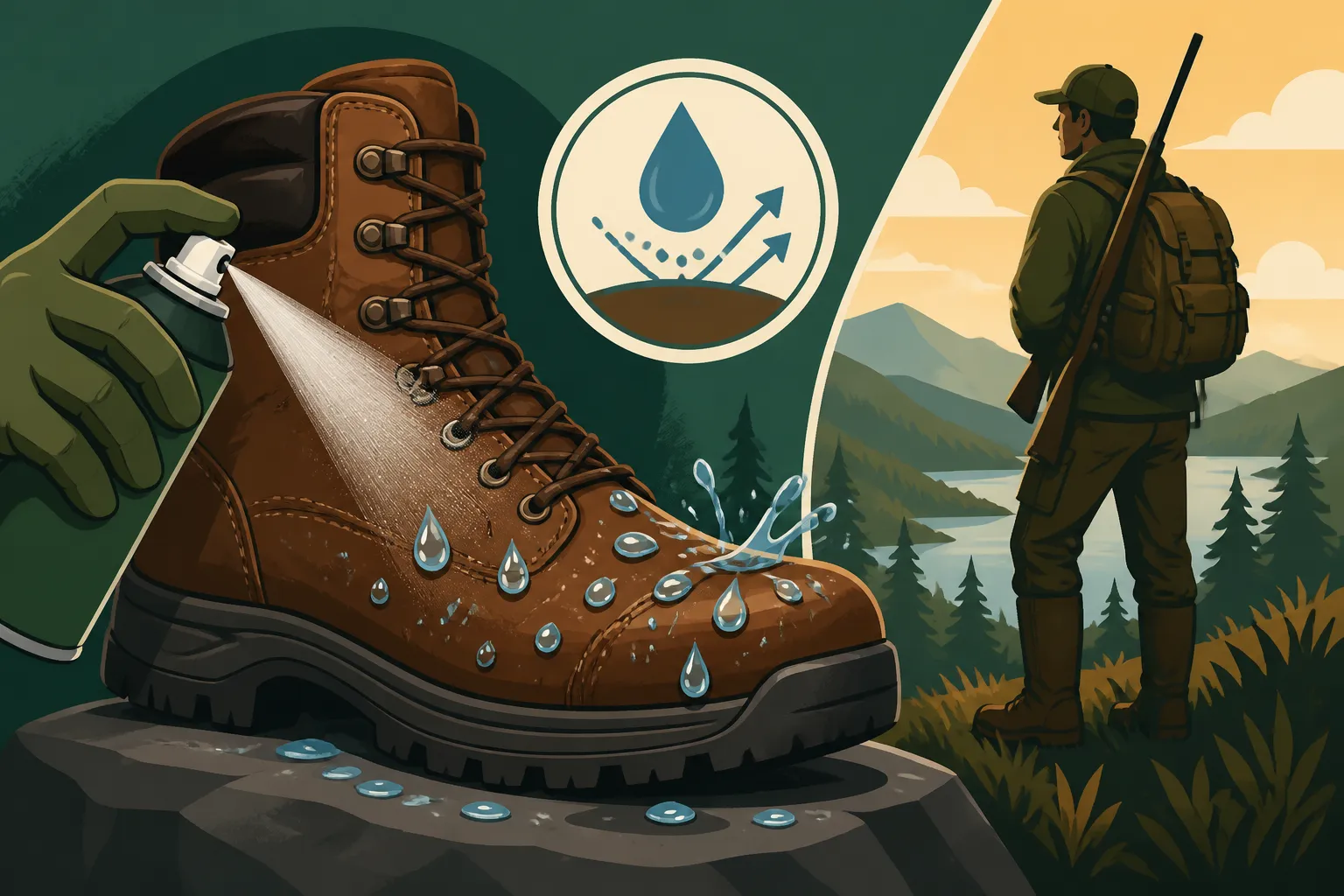
- For Sprays: Hold the spray bottle about 6-8 inches away from the boot and apply multiple, even coats, ensuring full coverage. You don't want to saturate the boot, but rather build up a light, even layer. Pay special attention to seams and creases. Let each coat dry for a few minutes before applying the next. This method is great for maintaining the look and breathability of nubuck and suede, or any boots where you want minimal aesthetic change.
Drying and Curing: Patience is a Virtue
After applying your chosen waterproofing agent, the final step is proper drying and curing. This is where many people rush, and it can compromise the effectiveness of your efforts. Always air dry your boots. Place them in a well-ventilated area, at room temperature, away from direct sunlight or any artificial heat sources. Direct heat can dry out the leather too quickly, causing it to crack, shrink, and become stiff, which undoes all your hard work and can permanently damage the boot. Depending on the product, especially waxes and greases, the curing process can take 24-48 hours. During this time, the waterproofing agents are fully penetrating and bonding with the leather fibers, creating that robust barrier. Resist the urge to use them too soon. A properly cured boot will perform much better and last longer in the field.
Common Mistakes and Advanced Tips for Boot Longevity
Even with the best intentions, it's easy to make mistakes that compromise your waterproofing efforts or shorten the life of your expensive hunting boots. Knowing these pitfalls and adopting some advanced care routines can make a significant difference.
Avoiding Heat Damage and Proper Storage
One of the quickest ways to ruin a pair of leather boots, even more so than constant wetness, is improper drying. We’ve all been there: coming back to camp after a soaking day, feet cold and tired, and the first instinct is to shove your boots right next to the roaring campfire or a heater. Don't do it. High heat causes leather to dry out too quickly, making it brittle, prone to cracking, and shrinking. This compromises the leather's natural integrity and can cause the sole to delaminate, ruining the boot's fit and function. Instead, remove laces and insoles, stuff the boots with newspaper (changing it out periodically), and let them air dry slowly at room temperature. If you're in a spike camp with limited options, place them under a vestibule or near the stove but far enough away that they only receive ambient warmth, not direct heat. Staying Dry in a Spike Camp is about more than just your sleeping bag; it applies to your footwear too.
When the hunting season is over, proper storage is crucial. Clean your boots thoroughly, apply a fresh coat of waterproofing and conditioner, and then store them in a cool, dry place. Avoid leaving them in direct sunlight for extended periods or in a damp basement, as both can degrade the leather and stitching. Using boot trees or stuffing them with newspaper helps maintain their shape and prevents creasing.
Don't Forget the Laces and Hardware
The main event is the leather, but don't overlook the smaller details. Laces, especially cotton or untreated synthetic ones, can soak up water like sponges and act as wicks, drawing moisture into the tongue area of your boot. Consider replacing standard laces with hydrophobic ones, or apply a waterproofing spray to your current laces. Periodically cleaning and treating the laces helps them last longer and perform better.
Also, pay attention to the metal hardware—the D-rings, eyelets, and hooks. While usually made of durable alloys, they can still corrode over time if constantly exposed to moisture and then neglected. A quick wipe-down with a dry cloth after a wet hunt, especially if you're in a salty coastal environment, can prevent rust and ensure your laces glide smoothly for years. This might seem minor, but a broken eyelet in the middle of a Packing an Elk Out of Washington's Backcountry trip can be a real headache.
Combining Treatments and Seasonal Strategies
Experienced Washington hunters often develop a nuanced approach to boot care, sometimes combining different treatments or adapting their strategy to the season. For example, some hunters will use a heavier wax or grease on the lower sections of their boots and around the seams for maximum protection against standing water and snow. Then, they might use a lighter cream or spray on the upper parts of the boot, or on areas where breathability is more critical. This layered approach leverages the strengths of different products.
For early-season hunts, especially when temperatures are mild but rain is a factor, a lighter, more breathable spray might be preferred. But come late fall or winter, when you’re facing freezing rain and deep snow, a robust wax treatment is going to be your best friend. GoHunt's community forums are often a goldmine for these kinds of specific, localized tips, with hunters sharing their tried-and-true methods for particular Washington units and conditions. Think about the conditions your boots will face – Boots for Washington's Eastside Rock and Westside Mud will endure different challenges than those worn in the rainforest. Tailoring your waterproofing strategy to these variables will keep your feet drier and your boots lasting longer through countless Washington adventures.
| Waterproofing Product Type | Best For | Pros | Cons | Application Method |
|---|---|---|---|---|
| Waxes/Greases | Full-grain leather | Maximum waterproof protection, durable | Can darken leather, reduces breathability | Warm leather, apply heavily, buff excess |
| Creams/Conditioners | Full-grain, some nubuck | Conditions leather, good water resistance | Less heavy-duty than waxes, moderate lifespan | Apply evenly, let soak, buff excess |
| Sprays (Water/Silicone) | Nubuck, suede, synthetics | Maintains breathability, no color change | Shorter lifespan, needs frequent re-apply | Multiple thin coats, air dry |
Disclaimer
This article is for general informational purposes only and does not constitute professional advice. Laws, prices and regulations vary by location and change over time. Consult a qualified professional for guidance on your specific situation.