Pack Volume for a Day Hunt
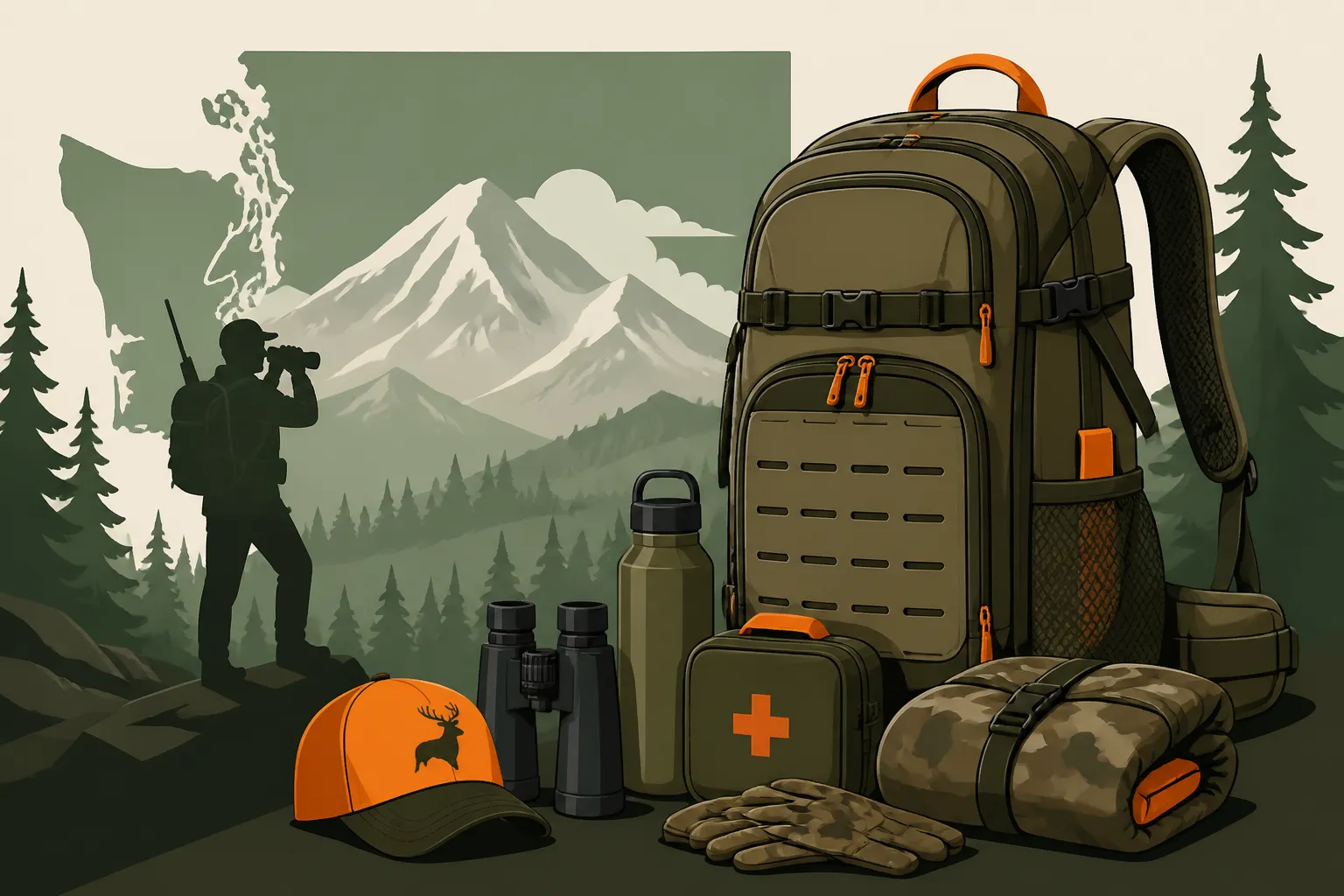
One of the trickiest parts of gearing up for a Washington day hunt, whether you're chasing blacktails in the thick timber or glassing for mule deer across eastern breaks, is figuring out what exactly to shove into your pack. It’s a constant battle between being prepared for anything the unpredictable Washington wilderness throws at you and not feeling like you’re hauling a sack of bricks up every ridge. Nobody wants to be caught miles deep with a blown out boot, an unexpected rain squall, or a downed animal and realize they left a crucial piece of gear back in the truck. This guide aims to help you strike that perfect balance, so you’re ready for whatever the day brings without overburdening yourself.
Defining a Washington Day Hunt
Before we even talk about what goes into your pack, we need to clarify what we mean by a "day hunt" in Washington. This isn't just a stroll around the local park; Washington's hunting lands, from the dense coastal rainforests to the rugged, steep slopes of the Cascades and the wide-open sagebrush of the Columbia Basin, present unique challenges. A day hunt here often means significant elevation changes, unpredictable weather, and potentially long distances from your vehicle or established camp.
Typical Distances and Durations
For many Washington hunters, a "day hunt" can range from a few hours of still-hunting a timber patch to a grueling 10-12 hour trek covering multiple miles. You might be pushing two or three miles into a Blacktail Deer Hunting in Western Washington Timber area, or hiking five-plus miles round trip to reach a vantage point for Glassing Eastern Washington Breaks for Mule Deer. The duration can stretch significantly if you're tracking an animal, field dressing, and then packing meat out, especially if you get a bull down deep in a canyon.
It's easy to underestimate the time and effort involved. What looks like a short distance on a map can become an all-day affair when you factor in dense brush, steep terrain, or unexpected snow. Always add extra time to your mental clock. That means packing enough water and snacks for longer than you anticipate, and certainly packing the right safety gear.
Terrain and Weather Considerations
Washington's diverse landscapes mean that a day hunt on the Olympic Peninsula is a vastly different experience from one in the Blue Mountains. Western Washington often means navigating wet, slippery terrain, dense undergrowth like salal and devil's club, and persistent rain. You'll be dealing with mud, slick logs, and very limited visibility in many areas. Rain Gear and Layering for Washington Hunts becomes not just important, but absolutely critical for comfort and safety.
On the other hand, Eastern Washington day hunts might involve steep, rocky slopes, dry sagebrush, and expansive views, often with extreme temperature swings from cold mornings to warm afternoons. The footing can be treacherous, and exposure to sun or wind is a major factor. You need to consider appropriate Boots for Washington's Eastside Rock and Westside Mud for these conditions. Regardless of which side of the state you're on, always check the weather forecast for your specific Washington Game Management Units Explained before heading out, and then pack for slightly worse conditions than predicted.
The Absolute Essentials for Every Day Hunt
When it comes to your day pack, there are certain items that should never be left behind, no matter how short or easy you expect your hunt to be. These are your non-negotiables, the things that keep you safe, hydrated, and able to react to the unexpected. Think of them as your personal survival kit in case things go sideways, which in Washington's backcountry, they absolutely can.
Safety and Navigation Must-Haves
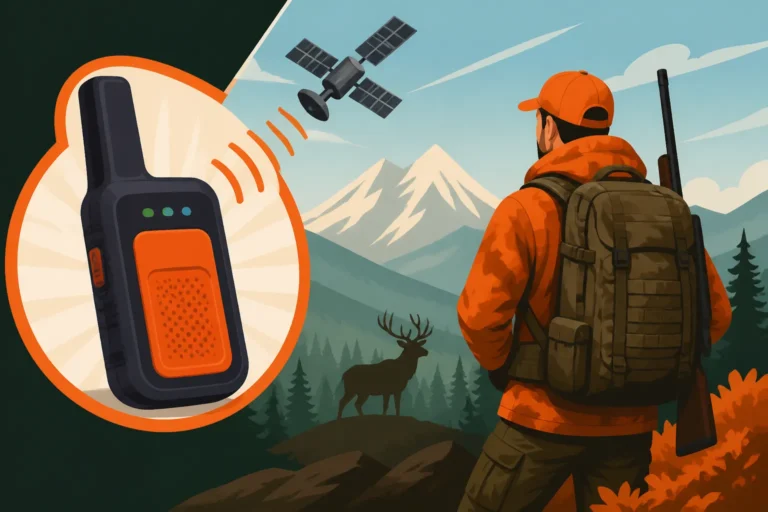
First and foremost, your personal safety comes before anything else. This means having reliable navigation tools. A fully charged phone with offline maps downloaded (like those available through apps often used for hunting research like GoHunt, which can help with layering public and private land data) is great, but it's not enough. Cell service is notoriously spotty in many of Washington's hunting units. You need a backup, whether that's a dedicated GPS unit or a physical map and compass, and knowing how to use them. For serious solo hunters, a satellite messenger is a fantastic investment for emergency communication. GPS Apps and Offline Maps for Washington Units is a fantastic resource for diving deeper into these tools.
Beyond navigation, a basic First Aid Kit for a Remote Hunt is non-negotiable. It doesn't have to be massive, but it should cover cuts, blisters, sprains, and minor aches. A whistle for signaling, a headlamp or small flashlight with spare batteries (even if you plan to be back before dark, things change!), and a fire starter (waterproof matches, lighter, or ferro rod) are also crucial. Lastly, always make sure your hunting license and tags are easily accessible and protected from the elements.
Water, Food, and Emergency Supplies
Dehydration and bonking are quick ways to ruin a hunt and impair your judgment. Always carry more water than you think you'll need. For a full day of hiking Washington's hills, that might be two to three liters, especially in warmer conditions or if you anticipate heavy exertion. A water filter or purification tablets are smart additions, especially if you're hunting near reliable water sources, allowing you to replenish without carrying excess weight from the start.
High-energy snacks are also vital. Think trail mix, energy bars, jerky, or fruit. Pack enough to sustain you through a longer-than-expected day, and throw in an extra emergency ration – something non-perishable you won't touch unless absolutely necessary. These small but crucial items can make all the difference if you get turned around or have an unexpected overnight stay.
Balancing Necessities with "Nice-to-Haves"
Once you've got the essentials covered, the real art of packing a day hunt backpack comes down to what else you bring. This is where personal preference, the specific type of hunt, and the conditions really dictate your choices. It's about optimizing for efficiency and preparedness without overloading.
Optics and Scouting Tools
For many Washington hunts, especially those in more open country on the Eastside, quality optics are a non-negotiable "nice-to-have" that often falls into the necessity category. A good pair of 10x binoculars is standard, allowing you to spot game, assess terrain, and identify potential hazards from a distance. If you're planning on covering vast areas or specifically Glassing Eastern Washington Breaks for Mule Deer, you might even consider a spotting scope, though that significantly adds to pack weight and is usually reserved for hunts where you'll be stationary for longer periods.
Beyond spotting game, optics help you scout. You can often save miles of walking by glassing an area thoroughly from a good vantage point. Many hunters utilize tools and platforms like GoHunt for their e-scouting, but having those physical optics in the field to confirm what you saw on a satellite map is invaluable. Make sure your rangefinder is always in your pack; knowing the exact distance can make or break a shot opportunity in steep, broken terrain.
Game Processing and Recovery Gear
Hopefully, your day hunt ends with success, and that means being prepared for game recovery. Even on a "day hunt," you need to be able to field dress and at least start the process of getting meat cooled. A sharp knife (or two, or a replaceable blade system) is absolutely essential. Don't forget a sharpener or spare blades. Knives, Game Bags and Meat Care Gear delves into this in detail.
Game bags are another crucial item. Even if you plan to quarter and pack an animal out over multiple trips (which often happens with an elk), having quality game bags to protect the meat from dirt and flies is paramount, especially in warmer early-season weather. A small cordage or rope can be useful for hanging quarters or securing gear. While you might not pack a full frame pack on a day hunt, considering a day pack with a meat shelf or external compression straps for a partial load is a smart move.
Adjusting Pack Volume for Specific Washington Scenarios
The ideal pack volume isn't static; it shifts dramatically based on where and when you're hunting in Washington, and what species you're pursuing. Tailoring your pack to the specific scenario is key to comfort and success.
Westside Timber vs. Eastside Breaks
Hunting the dense, often wet timber of Western Washington for Roosevelt elk or blacktails requires a different approach than chasing mule deer in the arid, open breaks of Eastern Washington. In the west, you might prioritize quieter rain gear, waterproof bags for electronics, and navigation tools that work well under dense canopy. Your pack might be slightly smaller, as long-range glassing isn't as prevalent, and shots are generally closer. The emphasis is on mobility and protection from the elements. Roosevelt Elk of Western Washington are often found in areas where a small, agile pack is a huge advantage.
Eastern Washington, with its expansive views, often necessitates larger packs to carry bulkier optics (spotting scopes, tripods), more water for dry conditions, and potentially more layers for temperature swings. The terrain can be rocky and unforgiving, so durable gear is key. You might be covering significantly more ground, often with less cover, so a pack that distributes weight well over long distances is critical. Considering your scouting approach using resources like GoHunt to understand terrain features will help you decide.
Early Season Warmth vs. Late Season Cold
The time of year makes a massive difference in your pack load. Early archery seasons for elk or deer, typically in September, can bring surprisingly warm temperatures, particularly on the eastside. This means less bulky clothing, but more water and possibly more emphasis on rapid meat cooling solutions. You might carry lighter layers but still need a rain shell for afternoon thunder showers. Field Dressing in Warm Early-Season Weather means thinking ahead about how you'll keep meat fresh.
As seasons progress into late fall and winter, especially for Late-Season Hunting in Washington Snow, your pack volume will inevitably increase. You'll need significantly more insulation, heavier rain gear, potentially snowshoes or microspikes, and emergency supplies for colder temperatures. Extra gloves, hats, and a warm thermos are common additions. The risk of hypothermia increases dramatically, so prioritizing warmth and emergency shelter becomes paramount.
Table: Recommended Pack Volumes for Washington Day Hunts
Here's a general guideline for pack volumes based on common Washington day hunt scenarios. Remember, these are starting points, and personal preference and specific gear choices will always influence your final decision.
| Hunt Scenario | Typical Duration | Terrain/Weather | Recommended Pack Volume (Liters) | Key Gear Considerations |
|---|---|---|---|---|
| Western WA Timber/Brush | 4-8 hours | Wet, dense, steep | 20-35 Liters | Waterproof shell, gaiters, basic first aid, water, snacks, fixed blade knife, game bags, quiet fabric. |
| Eastern WA Open Breaks/Foothills | 6-12 hours | Dry, rocky, exposed | 30-45 Liters | Binoculars (10x+), rangefinder, extra water, sun protection, layers for temp swings, sturdy boots. |
| Alpine/High Country | 8-14 hours | Steep, rugged, exposed | 35-50 Liters | Spotting scope, tripod, robust first aid, water filter, survival kit, warm layers, navigation suite. |
| Late Season (Cold/Snow) | 6-10 hours | Cold, potentially snow | 40-60 Liters | Extreme weather layers, emergency bivy, fire starter, hot thermos, extra food, hand warmers, headlamp. |
| Short, Local Property Hunt | 2-4 hours | Easier access, familiar | 15-25 Liters | Water, snack, license/tag, small first aid, knife. Minimalist, but still prepared. |
Ultimately, finding your perfect pack volume for a day hunt in Washington is an ongoing process. You'll refine your kit with every outing, learning what you truly need and what you can do without. It's better to be slightly overprepared than dangerously underprepared in Washington's beautiful, but challenging, wilderness. After a successful hunt, don't forget your Washington Harvest Reporting Requirements.
Disclaimer
This article is for general informational purposes only and does not constitute professional advice. Laws, prices and regulations vary by location and change over time. Consult a qualified professional for guidance on your specific situation.