Gifford Pinchot National Forest Units
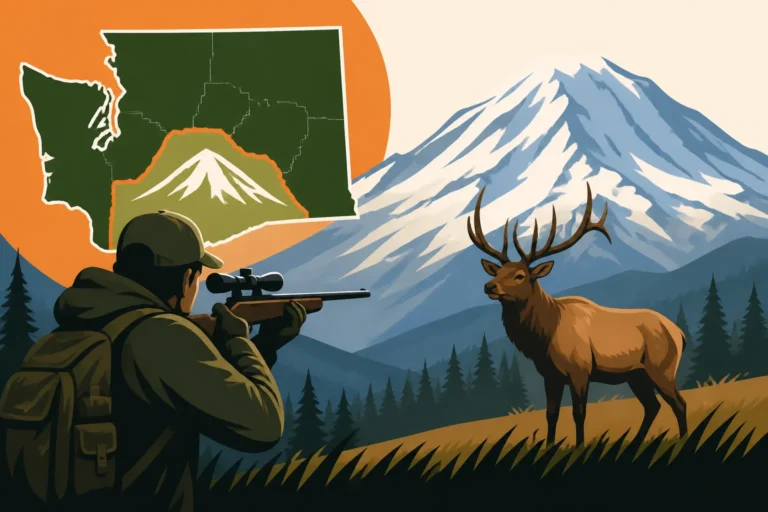
The vastness of Washington's Gifford Pinchot National Forest can feel overwhelming for hunters trying to pinpoint productive areas, leading to frustration and wasted time. This comprehensive guide will break down the diverse Game Management Units (GMUs) within the Gifford Pinchot, offering detailed insights into their unique landscapes, primary game species, access considerations, and effective hunting strategies, helping you navigate this incredible public land with confidence.
Understanding the Gifford Pinchot National Forest for Hunters
The Gifford Pinchot National Forest (GPNF) is a monumental piece of public land in southwestern Washington, stretching from the Columbia River northwards, encompassing everything from dense, moss-draped old-growth forests to the volcanic slopes of Mount St. Helens and high-alpine peaks. It's a land of incredible beauty, but also significant hunting challenges, primarily due to its rugged terrain, variable weather, and often-thick vegetation. For many Washington hunters, it represents the quintessential Westside experience – wet, wild, and full of Roosevelt elk.
A Vast and Diverse Landscape
Encompassing well over a million acres, the GPNF presents an astonishing array of habitats. On its western flanks, particularly closer to the Pacific, you'll find incredibly wet, dense timber stands, often a mix of mature Douglas fir and hemlock, interspersed with younger clearcuts and brushy reprod. The understory here is notoriously thick, dominated by salal, huckleberry, and the infamous devil's club, making travel difficult and visibility limited. This is prime habitat for Roosevelt Elk of Western Washington and blacktail deer, but they certainly don't make it easy for you to find them.
As you move eastward within the GPNF, especially toward the rain shadow of the Cascade crest, the landscape gradually shifts. While still heavily forested, the eastern portions can experience drier conditions and more open timber, with patches of Ponderosa pine and less dense undergrowth. Here, you might find a blend of Roosevelt and even some Rocky Mountain elk genetics, as well as blacktail and occasionally mule deer in the transitional zones. The topographical relief is immense, with deep river valleys and towering peaks, demanding significant physical exertion from anyone venturing off the beaten path. And, of course, the dramatic, recovering landscape around Mount St. Helens offers its own unique challenges and opportunities, a testament to the power of nature.
General Hunting Characteristics
Hunting in the Gifford Pinchot National Forest is largely a general season affair, though specific special permits exist for certain units or species. Most hunters pursue elk and deer with archery, muzzleloader, or modern firearm tags, depending on their season choice. Expect significant hunting pressure in easily accessible areas, especially during opening weekends. However, the sheer size and ruggedness of the GPNF means that if you're willing to hike in a mile or two (or five!), you can often find solitude and undisturbed game. This isn't a place for casual road hunting; success typically requires grit, physical fitness, and a willingness to embrace the forest on its own terms.
The blend of public National Forest land with interspersed private timber company holdings (like Weyerhaeuser and Hancock) adds another layer of complexity. Hunters must diligently check land ownership and access rules, which can change seasonally or require permits. Navigation tools like onX Hunt are absolutely indispensable here, helping you understand where you are and whose land you're on at all times. This forest demands diligent pre-season scouting, not just of game sign, but of access points, road statuses, and land boundaries. It’s a rewarding hunt, but rarely an easy one.
Key Game Management Units Within the Gifford Pinchot
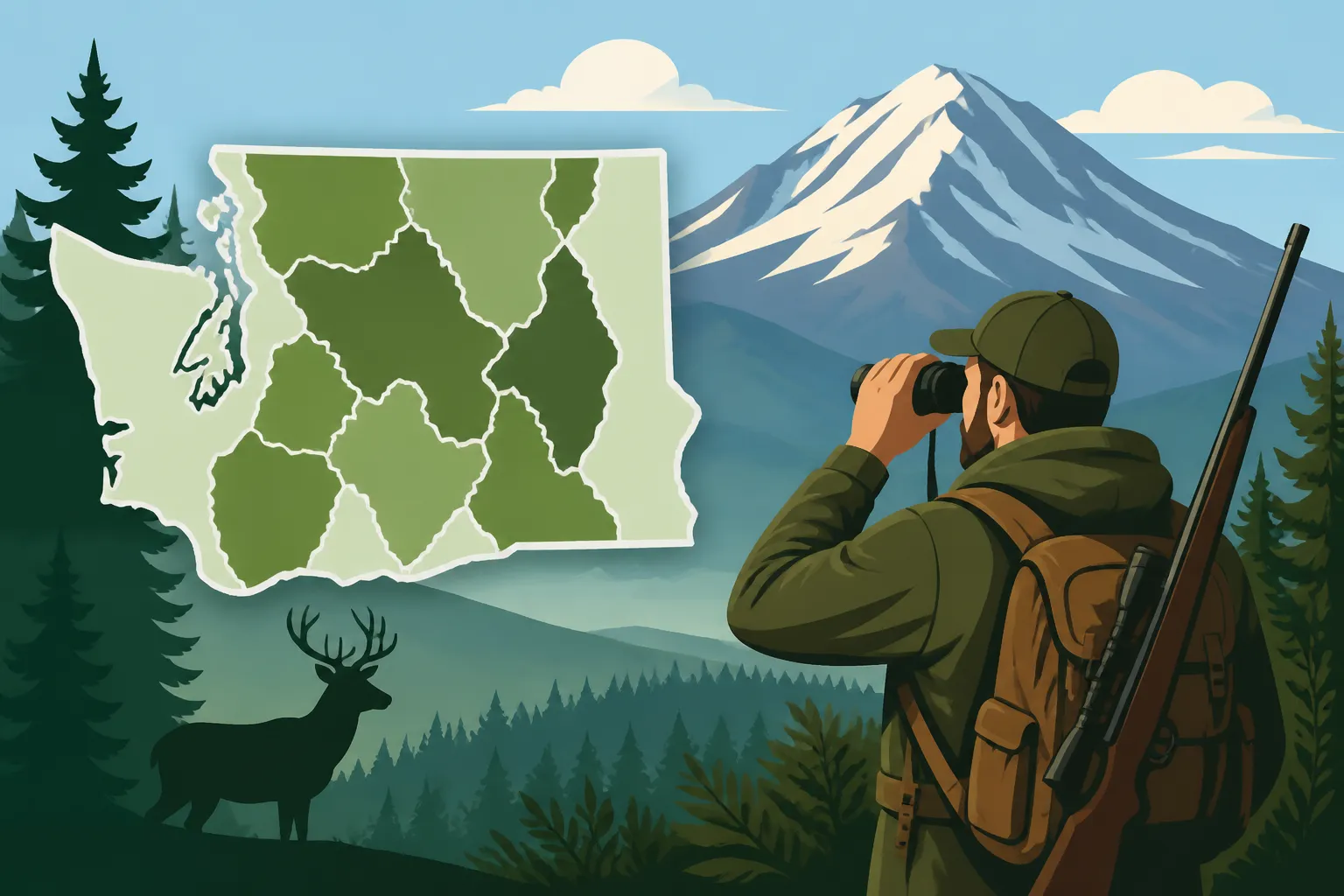
The Gifford Pinchot National Forest is home to numerous Game Management Units (GMUs), each with its own character and hunting prospects. Understanding the distinctions between these units is crucial for effective planning and increasing your odds of success. They generally fall into categories based on their geographic location within the forest and the dominant habitat types.
Western Slope GMUs: Dense Timber and Roosevelt Elk
The GMUs on the western slopes of the Gifford Pinchot are classic Westside Roosevelt elk country. Think units like Coweeman (554), Lewis River (560), Margaret (564), Siouxon (574), and Toutle (556). These areas are characterized by extremely dense forest, often with a mix of regenerating clearcuts and mature timber. The rainfall is abundant, contributing to lush undergrowth that provides excellent cover for elk, but notoriously poor visibility for hunters. These units are managed primarily for Roosevelt elk, and success often comes down to patience, quiet movement, and an intimate understanding of elk behavior in thick cover.
Hunters here should expect to spend their days still-hunting through thick reprod, navigating steep ravines, and listening intently for the subtle sounds of elk moving through the timber. Still-Hunting Blacktails in Wet Washington Brush techniques are highly applicable here for elk as well, focusing on slow, deliberate movement and using the wind to your advantage. Finding fresh sign – tracks, droppings, rubs, and wallows – is paramount, as seeing elk at any significant distance is rare. These units can be incredibly challenging, but the reward of a Roosevelt bull in their native habitat is a truly unique experience.
Eastern Edge GMUs: Transition Zones and Mixed Bag Opportunities
As you move further east within the GPNF, toward the drier side of the Cascades, you encounter units that act as transition zones, blending the characteristics of the wet west with the slightly more open east. Units like Yale (530), Mossyrock (530) (shared), and Winston (520) (especially its eastern fringes) often fall into this category. Here, you might find a mix of older growth timber, some drier ridge systems, and even some historical burn areas that have created new browse. These areas can offer opportunities for both Roosevelt elk and blacktail deer, and sometimes even hints of Rocky Mountain elk characteristics in the easternmost parts.
The hunting here can be a bit more varied. While still dense, some slopes might offer slightly better visibility, allowing for a bit more glassing if you find the right vantage point. Water sources can become more critical in the drier portions, concentrating game. It’s a landscape that rewards versatility, where you might adapt your strategy from tight-timber still-hunting to more open-country glassing depending on the specific terrain feature you're working. These units often experience significant pressure due to their accessibility from population centers, so finding forgotten pockets of cover is key.
High-Country and Wilderness Units: Remote and Rugged
The Gifford Pinchot also contains, or borders, significant high-country and designated wilderness areas, offering truly remote and physically demanding hunting experiences. While specific GMU numbers cover these zones, the actual hunting is defined more by the wilderness designation itself. Think of areas bordering the Goat Rocks Wilderness Hunting area or the higher reaches of the Dark Divide. These units are characterized by steep, often rocky terrain, high-elevation basins, and deep, roadless valleys. Access often involves long, strenuous hikes, sometimes with significant elevation gain, making multi-day packing trips a necessity.
Hunting in these areas is for the adventurous and well-prepared. Game, particularly elk, often reside in these remote sanctuaries to escape pressure. Strategies here revolve around extensive backpacking, spike camping, and covering vast amounts of ground. Backcountry Camps in Washington Wilderness are a common necessity, requiring careful planning for food, water, and shelter in often unpredictable alpine weather. While special permit opportunities for mountain goats and bighorn sheep are rare and highly sought after in Washington's high country, general season elk and deer tags can still lead to exceptional, though hard-earned, success in these rugged strongholds.
Here’s a quick overview of some GPNF GMUs:
| GMU Name | Number | Dominant Habitat | Primary Game | Access Notes | Key Challenge |
|---|---|---|---|---|---|
| Coweeman | 554 | Dense Timber, Reprod, Ravines | Roosevelt Elk, B-tail | Mix of Green Dot & private timber roads | Thick cover, limited visibility |
| Lewis River | 560 | Mixed Conifer Forest, Clearcuts | Roosevelt Elk, B-tail | Main roads good, many gated spurs | Steep terrain, wet conditions |
| Margaret | 564 | Volcanic Blown-Down, Regenerating F. | Roosevelt Elk, Bear | Access impacted by Mt. St. Helens closures | Navigation in recovery zone, thick blowdown |
| Siouxon | 574 | Old Growth Timber, Deep Drainages | Roosevelt Elk, B-tail | Limited main roads, extensive walk-in | Remote, steep, requires significant hiking |
| Yale | 530 | Transition Forest, Some Drier Ridges | B-tail, Roosevelt Elk | Good road access, some private land | Hunting pressure, understanding land status |
| Winston | 520 | Varied Forest, Alpine Fringes | Roosevelt/RM Elk, B-tail | Good road network, high elevation access | Rugged high country, weather sensitivity |
Hunting Opportunities and Strategies in the GPNF
The Gifford Pinchot National Forest offers a wealth of hunting opportunities for Washington's big game species, but success often hinges on employing specific strategies tailored to its unique environment. It's not enough to simply be in the woods; you need to understand how to hunt these woods.
Roosevelt Elk Hunting: The Dark Timber Challenge
Hunting Roosevelt elk in the GPNF is a true test of patience and woodsmanship. These elk are masters of the dense, wet timber, often holding tight in thick reprod, deep ravines, or the shadowed pockets of old-growth forests. Traditional glassing strategies that work on the east side are largely ineffective here. Instead, your primary tool becomes your feet, your ears, and your ability to move silently. Washington Elk Hunting Tactics by Weapon Season in the GPNF typically revolve around still-hunting. Move slowly, taking five steps and then stopping for several minutes to listen and scan. Every flicker of an ear, every subtle snap of a twig, could be an elk.
Calling can be effective, but often at close range. Loud, aggressive bugling might locate a bull, but more often, soft cow calls or chirps are better for drawing an elk into bow or rifle range in the thick stuff. Bugling and Cow Calling in Washington's Archery Elk Season focuses on using sound to pinpoint and entice these elusive animals. Always be mindful of the wind; Roosevelt elk have an incredible sense of smell, and a swirling wind can quickly give away your position. Focus on fresh sign, such as recent tracks, fresh rubs on small trees, and well-used game trails, indicating active elk movement. These animals are often moving from bedding areas to feeding areas within the thickest cover, so understand their patterns.
Blacktail Deer: Elusive Phantoms of the Forest
Blacktail Deer Hunting in Western Washington Timber is another GPNF specialty, and these deer are just as adept at hiding in the dense forest as their larger elk cousins. Blacktails are often found in regenerating clearcuts, especially those that are 5-15 years old, where browse is abundant, but cover is still substantial. They will also use the edges of older timber patches and thick riparian zones along creeks. Like elk, still-hunting is a highly effective tactic. Move slowly, pausing often, and constantly scanning the shadows and thickets for a patch of brown or a horizontal line that shouldn't be there.
Reading the landscape for blacktails means understanding their preferred habitat. Look for areas where clearcuts meet mature timber, or where dense reprod offers both food and bedding cover. Reading Clearcuts and Reprod for Blacktail Bucks delves into this in detail. During the rut, rattling and grunting can sometimes draw in a curious buck, but generally, it's a game of stealth and patience. They are incredibly wary animals, often melting away into the brush before you even know they were there. Focus on trails crossing saddles or benches, and be prepared for quick, close-range shots.
Bear and Cougar: Predator Pursuits
The Gifford Pinchot National Forest holds healthy populations of black bear and cougar, offering additional hunting opportunities. Bear seasons typically run in late summer and fall, coinciding with deer and elk seasons in some areas. Without the use of bait (which is illegal in Washington), bear hunting in the GPNF often involves Spot-and-Stalk Bear Hunting in Washington Without Bait. Look for bears on natural food sources like huckleberry patches, avalanche chutes, and logging units with abundant berries or succulent grasses, especially during the green-up period in spring and early summer or late summer when berries are ripe. Glassing these areas from a distance can be productive, but it requires patience and good optics.
Cougar hunting in Washington, particularly after the hound ban, is a challenging but rewarding endeavor. Cougar Hunting in Washington After the Hound Ban often involves covering a lot of ground, looking for fresh tracks in snow or soft dirt, especially along game trails or ridges. Setting up calling stands, using distress calls, can sometimes bring in a curious cat, but it requires extreme patience and knowledge of cougar behavior. These elusive predators are present throughout the GPNF, particularly wherever deer and elk populations are strong. Understanding their habits and signs is key to even having a chance at spotting one.
Navigating Access and Terrain Challenges
Hunting in the Gifford Pinchot National Forest is as much about navigating access and terrain as it is about finding game. This vast area presents unique challenges that require careful planning and a robust understanding of land ownership and road systems.
Public Land Access: Roads, Gates, and Wilderness
The GPNF is a checkerboard of accessible roads, gated spurs, and expansive roadless wilderness. The Green Dot road system is a critical component of access in many parts of Washington, including the GPNF. Washington Green Dot Road Systems designates roads open to vehicle traffic on specific dates or for specific purposes, while others are permanently closed to reduce habitat fragmentation and provide quality hunting experiences. Understanding these designations is vital. Many of the most promising areas for elk and deer are found behind gated forest roads, requiring a walk, bike, or e-bike to get in. These walk-in areas often lead to significantly less hunting pressure and more undisturbed game.
It's important to remember that not all "forest roads" are created equal. Some are maintained by the U.S. Forest Service, while others might be on private timber company land, even if they appear to lead into public ground. Always double-check your maps, especially with an app like onX Hunt, to confirm land ownership before venturing in. Wilderness boundaries also dictate access, as motorized vehicles and often even mountain bikes are prohibited beyond designated trailheads. Planning your approach to these areas means being ready for a true backcountry experience.
Private Timber and Industrial Lands
A significant portion of the land within and adjacent to the Gifford Pinchot National Forest is owned by private timber companies, such as Weyerhaeuser and Hancock Forest Management. These lands often intersperse with public national forest lands, creating a complex patchwork. Many of these timber companies have specific access policies that can change annually, seasonally, or even daily due to fire danger or logging operations. Some areas require paid permits for access, while others might offer free walk-in access behind specific gates. Timber Company Permits in Western Washington can be an annual cost, but often provide access to excellent hunting grounds with fewer hunters.
It’s absolutely crucial to do your homework before hunting private timberland. Check the company's website for their most current access policies, road closures, and permit requirements. Failure to do so can result in trespassing citations or even the loss of hunting privileges. Again, a GPS mapping app like onX Hunt that clearly delineates land ownership boundaries is your best friend here. Don't assume a gate being open one year means it will be open the next, or that a logging road on private land grants public access. Always verify.
Understanding the Steep and Wet Terrain
The terrain in the Gifford Pinchot National Forest is famously rugged and demanding. Expect steep slopes, deep ravines, and countless creek drainages. On the west side, especially, the ground is often wet, muddy, and slick, making footing treacherous. The undergrowth, as mentioned, is incredibly dense, creating a physical barrier that makes simply walking challenging, let alone still-hunting quietly. Elevations can range from a few hundred feet to over 6,000 feet, meaning significant climbs and descents are par for the course.
Physical conditioning is not optional; it's a prerequisite for hunting here effectively and safely. You need to be prepared for long days of hiking through difficult terrain, often in adverse weather. Investing in quality footwear, like the Boots for Washington's Eastside Rock and Westside Mud, designed for aggressive traction and waterproofing, is paramount. Trekking poles can provide much-needed stability on slick slopes or when crossing creeks. The GPNF will test your endurance, your navigation skills, and your resolve, but for those who embrace the challenge, it offers some of Washington's most wild and rewarding hunting experiences.
Essential Regulations, Permits, and Planning
Before you even set foot in the Gifford Pinchot National Forest, a thorough understanding of Washington's hunting regulations, permit processes, and diligent pre-season planning is non-negotiable. This forest is unforgiving of those who are unprepared or uniformed.
General Season vs. Special Permits
Most hunters in the GPNF will be pursuing big game during the general seasons, which are typically available with over-the-counter tags for deer (blacktail) and elk (Roosevelt). However, Washington also offers a special permit draw system for "quality" hunts, specific units, or antlerless opportunities. While many of these special permits are for the more open, high-odds areas of Eastern Washington, there are still quality hunts within or adjacent to the GPNF that may require a special permit. Washington Special Hunt Permits and How to Apply outlines the application process, deadlines, and how to maximize your chances.
It's vital to study the current WDFW hunting pamphlet for the most up-to-date regulations for each specific GMU you plan to hunt. Rules regarding antler points, antlerless permits, and season dates can vary significantly from one unit to the next, even within the GPNF. Don't assume; always check the specific rules for your chosen unit and species.
Weapon Choice and Specific Unit Rules
Washington state has clear regulations regarding weapon choice for big game, which are particularly important in the GPNF due to its diverse landscape and proximity to populated areas. Washington's Weapon Choice Rule for Deer and Elk dictates what you can carry during archery, muzzleloader, and modern firearm seasons. Archery hunters must use a bow meeting minimum draw weight and arrow weight specifications, and broadheads must meet specific cutting diameter requirements. Muzzleloader hunters also have strict rules regarding caliber, ignition type, and optics. Modern firearm hunters, while having the most flexibility in terms of weapon, must still adhere to caliber minimums.
Furthermore, some areas within or adjacent to the GPNF might have specific weapon restrictions, such as "shotgun-only" zones near urban interfaces, or areas that restrict centerfire rifles during certain periods. While less common in the deep GPNF, always check the GMU rules section of the WDFW pamphlet carefully. Understanding these nuances before you head into the field prevents serious legal trouble and ensures you're hunting ethically and legally.
Pre-Season Scouting and Planning Tools
Successful hunting in the GPNF relies heavily on meticulous pre-season preparation. Electronic scouting (e-scouting) has revolutionized this aspect. Utilizing tools like onX Hunt or the WDFW Hunt Planner map layers, you can spend hours analyzing satellite imagery, topographical maps, and public land boundaries from the comfort of your home. Look for old logging roads, clearcut edges, distinct drainages, saddles, and potential bedding areas. E-Scouting Washington GMUs Before the Draw is a fantastic resource for learning how to identify key features and potential game habitat remotely.
Beyond digital tools, make sure to thoroughly read the most current WDFW Big Game Hunting Seasons and Regulations pamphlet. This document is your bible for season dates, bag limits, and unit-specific rules. Websites like GoHunt also offer valuable insights, statistics, and articles specific to Washington hunting units, which can help inform your decision-making. Don't just pick a GMU at random; research its success rates, habitat types, and known challenges. Finally, always create a detailed trip plan and share it with someone reliable. Include your hunting area, expected return date, and emergency contacts. Cell service is notoriously spotty or non-existent in much of the GPNF, so communication devices like satellite messengers are critical for safety.
Preparing Your Gear and Mindset for the GPNF
The Gifford Pinchot National Forest demands specialized gear and a resilient mindset. It’s not a place for ill-prepared hunters; the challenging environment will quickly expose any weaknesses in your kit or your resolve.
Rain Gear and Layering: Staying Dry is Paramount
If you're hunting the western slopes of the GPNF, prepare for rain. It's not a possibility; it's a probability. And it's often a cold, soaking rain. High-quality rain gear is not just a comfort item; it's a safety essential to prevent hypothermia. Look for durable, waterproof-breathable fabrics that can withstand abrasive brush and constant moisture, and crucially, are quiet for still-hunting. Rain Gear and Layering for Washington Hunts will emphasize the importance of a shell system that keeps you dry without making you overheat. Don't skimp on this.
A proper layering system is equally important. Start with a moisture-wicking base layer (merino wool or synthetic) to pull sweat away from your skin. Add insulating layers (fleece or puffies) that retain warmth even when damp. Your outer shell then protects against wind and rain. Crucially, bring multiple sets of socks – wet feet are a fast track to misery and potential injury. Waterproof boots, preferably those broken in over many miles, and gaiters to keep water and debris out of your boots are also non-negotiable.
Navigation and Communication: Don't Get Lost
Getting disoriented in the GPNF's dense timber and complex terrain is a very real danger. Trusting your phone alone for navigation is risky, as battery life can plummet in cold weather and cell service is scarce. A dedicated GPS unit or a robust GPS app like onX Hunt on a fully charged phone (with extra power banks) is essential. Download offline maps for your entire hunting unit before you leave home, as you won't have service to do so in the field. Carry a physical map and compass as a backup, and know how to use them.
For communication, especially if you're hunting solo or splitting up with a group, a satellite messenger is a lifeline. Satellite Messengers for Solo Washington Hunts are vital for sending check-in messages or, more importantly, summoning help in an emergency from areas without cell signal. For group hunts, two-way radios can facilitate communication, but be aware of their limited range in mountainous, dense terrain. Always let someone back home know your detailed hunting plan and expected return time.
Packing Out and Meat Care: The Real Work Begins
Successfully harvesting an animal in the GPNF is only half the battle; getting the meat off the mountain is often the most grueling part. A sturdy frame pack is absolutely essential. Don't try to use a daypack to haul an elk quarter; you'll regret it quickly. Packs Sized for a Washington Elk Quarter are designed to distribute heavy, awkward loads efficiently and prevent injury. Be prepared for multiple trips if you harvest an elk, or if you're hunting solo.
Proper meat care, especially in Washington's often warm early seasons or wet conditions, is critical to preserving your harvest. Game bags are a must for keeping meat clean, cool, and protected from flies and debris. Game Bags for Warm-Weather Hunts are often made of breathable, synthetic materials that prevent spoilage. Learn the gutless method for elk and deer, as it allows you to break down an animal into manageable pieces without needing to open the body cavity, which can be faster and cleaner in the field. The Gutless Method on an Elk is an invaluable skill for the GPNF hunter. Have a sharp knife (and a backup) and a small sharpener. Rapid cooling of the meat is paramount, so consider your plan for getting quarters out of the woods and into coolers as quickly as possible, especially if temperatures are mild.
Disclaimer
This article is for general informational purposes only and does not constitute professional advice. Laws, prices and regulations vary by location and change over time. Consult a qualified professional for guidance on your specific situation.