Muzzleloader Hunting Washington’s Special Seasons
Stepping into Washington's muzzleloader special seasons can feel like navigating a maze, especially with the unique equipment requirements and the elusive nature of draw hunts. It’s easy to get overwhelmed by the specific dates, the rules on optics, and trying to decipher which unit might offer a genuine opportunity. This guide is designed to cut through that confusion, offering a comprehensive, realistic look at making your muzzleloader hunt in Washington a success, from the nitty-gritty regulations to advanced field tactics.
Understanding Washington's Muzzleloader Seasons and Regulations
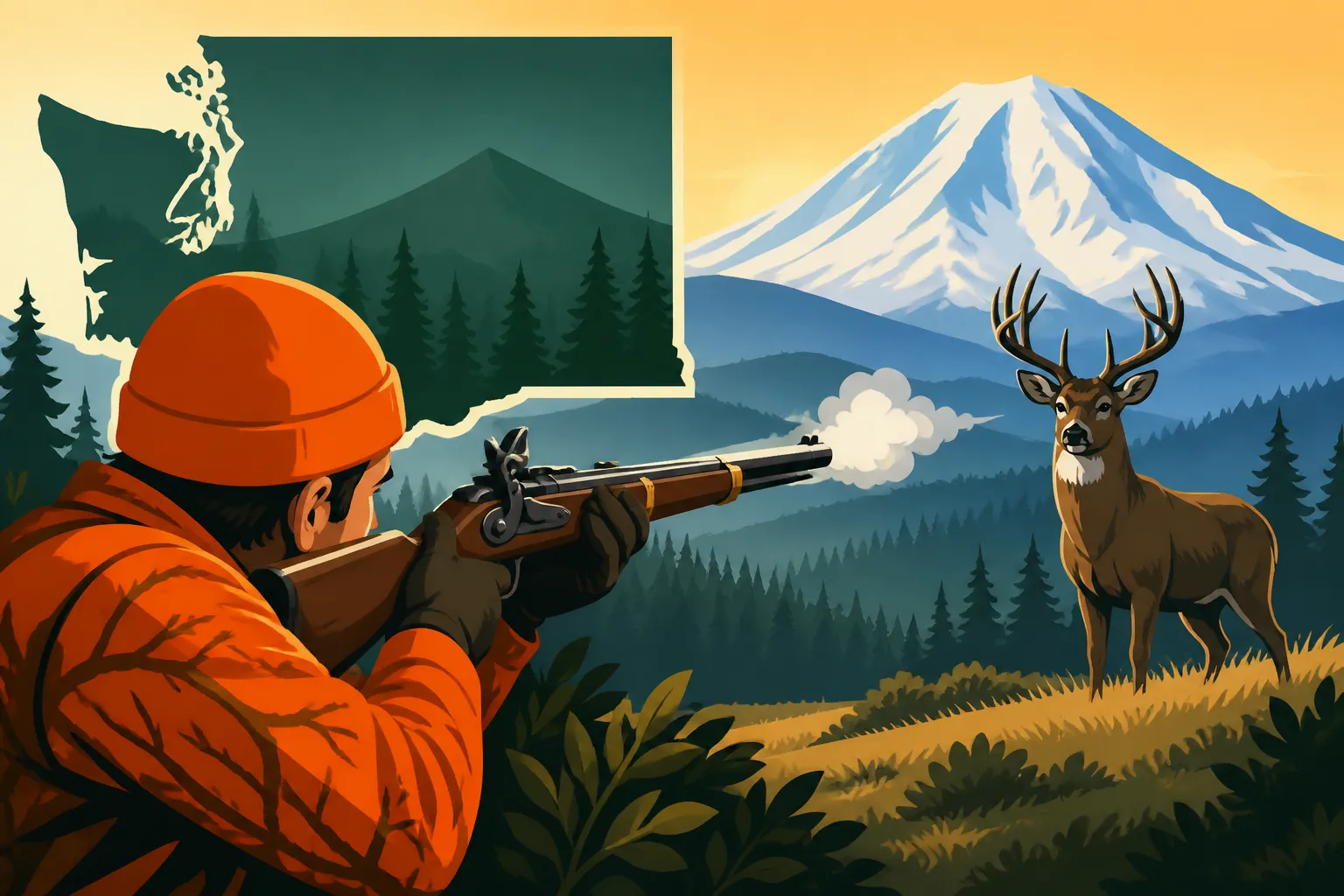
Washington state offers some incredible muzzleloader opportunities, but they come with a specific set of rules and seasons that are crucial to understand. Unlike modern firearm seasons where you might have more flexibility, muzzleloader hunting often takes place in unique windows, sometimes before general rifle seasons or during special permit hunts, offering a quieter, more primitive hunting experience. This specialized approach, while rewarding, demands a thorough grasp of the regulations.
General Season Versus Special Permit Hunts
Washington categorizes its big game seasons into "general seasons" and "special permit hunts." For muzzleloader hunters, this distinction is vital. General seasons are typically over-the-counter tags, meaning if you buy a valid hunting license and the correct tag, you're good to go, provided you stick to the specified Game Management Units (GMUs) and dates for your weapon type. These are often earlier or later than modern firearm seasons, capitalizing on different animal behaviors or weather patterns. You can check the annual WDFW Big Game Hunting Seasons & Rules pamphlet for the specific dates, but generally, muzzleloader general seasons for deer and elk occur in limited units, primarily in October.
Special permit hunts, on the other hand, are the golden tickets that many hunters dream of. These hunts are for specific GMUs, often with limited tags, and usually boast higher success rates or target trophy animals. They're allocated through a random draw system, and you apply for them during a specific application period, typically in spring. The appeal of a muzzleloader special permit hunt is undeniable; it often grants access to prime areas or allows hunting during peak rut periods, increasing your chances of a quality animal. Knowing how to apply for a Washington Special Hunt Permits and How to Apply is half the battle, and it involves careful planning and understanding your odds. Many of these special muzzleloader seasons fall outside the typical general season framework, sometimes extending into November or even early December, offering distinct weather and animal behavior challenges.
Critical Dates for Application and Hunt Periods
The Washington Department of Fish and Wildlife (WDFW) operates on a strict timeline, and missing a deadline can mean missing out on an entire season. For special permit hunts, the application window usually opens around April 20th and closes in late May. For instance, the deadline is often May 27th, but it's always best to verify the exact date each year. You submit your application online through your WILD account, selecting up to four choices for each species. While the draw itself is random, and Washington does not have a preference point system, careful unit research is key to making informed choices, even for muzzleloader-specific hunts.
Once special permit results are posted (typically by mid-June), you'll know if you've drawn one of those coveted tags. If you're planning for a general season muzzleloader hunt, these tags are often available over the counter, but it’s still wise to purchase them well in advance to ensure you have everything in order before the season begins. The actual hunt periods for muzzleloader seasons can vary greatly. Some general seasons might be a week or two in October, while special permits might be a three-day window or a multi-week stretch. It's imperative to consult the WDFW regulations pamphlet for the exact Washington Muzzleloader Season Structure for your chosen GMU and species, paying close attention to opening and closing dates, as these are non-negotiable and strictly enforced.
Specific Muzzleloader Equipment Rules
This is where Washington gets quite particular, and misunderstanding these rules can lead to a forfeited tag or even legal trouble. Washington's muzzleloader regulations are designed to maintain a primitive hunting experience, and as such, they restrict modern conveniences. The most critical rule is the Washington's .45 Caliber Muzzleloader Minimum for big game, meaning anything smaller than .45 caliber is not permitted. Beyond that, the rules delve into ignition types, projectiles, and optics.
For ignition, Washington typically permits percussion cap, flintlock, or electronic ignition systems. Inline muzzleloaders are common, but they must adhere to the other restrictions. The projectile must be a single, non-jacketed lead projectile, or an expanding point lead projectile, or a non-jacketed lead bullet with a plastic or synthetic sabot. This means no jacketed bullets, no multiple projectiles (like buckshot), and no bullets designed for modern firearms. For optics, this is a big one: Why Washington Restricts Muzzleloader Scopes to open, metallic sights or fiber optic sights, or sights that do not magnify. This means no magnified scopes whatsoever. This rule dramatically changes the game, requiring hunters to get much closer to their quarry and to practice extensively with their chosen sight system. It’s a challenge, but it truly embodies the spirit of primitive hunting.
Choosing Your Washington Muzzleloader Setup
Selecting the right muzzleloader setup for Washington's varied terrain and specific regulations is a critical step that can directly impact your success in the field. It’s not just about picking a cool-looking rifle; it’s about understanding the intricate dance between legal requirements, practical application, and personal proficiency. A well-matched setup will boost your confidence and effectiveness when that once-in-a-season opportunity presents itself.
Legal Ignition Types and Caliber Minimums
As we touched on, Washington maintains strict guidelines on what constitutes a legal muzzleloader. For ignition, percussion cap systems are perhaps the most traditional and widely used, relying on a small cap struck by the hammer to ignite the powder charge. Flintlocks, while historically significant, are less common among modern hunters due to their sensitivity to moisture and slightly more complex loading procedure, but they are absolutely legal. Electronic ignition systems, which use a small battery to ignite the charge, are also allowed and offer a higher degree of reliability in adverse weather conditions, though they do add a layer of electronic complexity. No matter which you choose, consistent ignition is paramount, especially in Washington's often-wet conditions.
The .45 caliber minimum for big game means you'll typically be looking at .50 caliber muzzleloaders, which are the most popular and readily available choice, as they easily meet and exceed this requirement. Some hunters might opt for a .54 caliber, especially if targeting elk, appreciating the extra punch, but .50 caliber is perfectly adequate for all big game in Washington. It’s a good idea to confirm with the latest WDFW regulations before making a purchase, as rules can sometimes be updated. This minimum caliber ensures sufficient energy for a humane harvest, reflecting a commitment to ethical hunting practices.
Powder, Bullet, and Sabot Considerations
The choice of powder is another vital component of your muzzleloader setup. Traditional black powder, while effective, is messy and corrosive, requiring meticulous cleaning after every shot, sometimes even in the field. More commonly, hunters opt for black powder substitutes like Pyrodex, Triple Seven, or Blackhorn 209. These substitutes are less corrosive and often easier to clean, making them a popular choice. Blackhorn 209 is particularly favored by many for its clean burn and consistency, especially in humid conditions, and it performs well with 209 primers. Always check the manufacturer's recommendations for charge weight and compatibility with your specific rifle.
For projectiles, the rule dictates non-jacketed lead or expanding point lead, or non-jacketed lead with a plastic sabot. This opens up options like traditional round balls (less common for big game due to limited energy transfer), conical bullets (like PowerBelts or Hornady's FPB), or saboted bullets. Sabots allow you to shoot a smaller diameter bullet (like a .45 caliber bullet) down a larger bore (like a .50 caliber barrel), often increasing accuracy. However, not all bullets perform well with sabots, and some rifles prefer certain combinations. For example, a heavy lead conical bullet like a No Excuses or a Buffalo Bullet can be devastating on an elk. You'll need to experiment with different powder charges and bullet combinations to find what shoots most accurately out of your specific rifle, keeping in mind the Muzzleloader Accuracy at 100 Yards that's achievable with open sights.
Optic and Sighting Limitations
This is perhaps the biggest differentiator for muzzleloader hunting in Washington: the complete restriction on magnified optics. You are limited to open, metallic, or fiber optic sights. This means you'll be sighting down a barrel, aligning a front post with a rear notch, or using a bright fiber optic post that gathers ambient light. This limitation significantly reduces your effective range compared to a modern firearm. While skilled marksmen might stretch an open-sight shot to 100 yards under ideal conditions, most hunters will be aiming for ethical shots within 50 to 75 yards.
This mandates a completely different approach to hunting. Instead of relying on long-range glassing and shooting, you become a master of stealth, tracking, and close-quarters engagement. Practicing extensively with your chosen iron sights is non-negotiable. Spend time at the range, not just shooting from a bench, but practicing different field positions – offhand, kneeling, using shooting sticks – to truly understand your limitations and build confidence. Many hunters will add a ramp-style rear sight and a fiber optic front sight for better visibility, especially in low-light conditions prevalent in Washington's dense forests. The challenge of hunting with these limitations isn’t just about the equipment; it's about embracing a more primal, intimate hunting experience where every step and every decision counts.
Navigating Special Permit Applications
Applying for special muzzleloader permits in Washington is a nuanced process that requires careful research, strategic thinking, and a healthy dose of patience. Unlike general season tags that you can simply purchase, special permits are highly sought-after and allocated through a lottery system. Understanding this system and how to leverage available information can significantly improve your chances, or at least help you manage your expectations.
How the Washington Draw System Works for Muzzleloader
Washington operates on a true random draw system, which means there are no preference points or bonus points that accumulate year after year. Every applicant starts fresh each year, with an equal chance of drawing a permit for a particular hunt choice. This can be both a blessing and a curse; it means a first-time applicant has the same odds as someone who has applied for twenty years. This also means that for highly desirable units or hunts, the odds can be incredibly low, sometimes less than 1%.
When you apply, you can typically select up to four choices for each species (deer, elk, bear, etc.). These choices are ranked from your first preference down to your fourth. The WDFW draw system processes applications by first choice, then second, and so on. If your first choice is drawn, you receive that permit, and your other choices are dropped. If your first choice isn't drawn, your application moves to your second choice, and so forth. This system makes the order of your choices incredibly important. While you might be tempted to put all your hopes into a single, high-odds unit, it's often more strategic to mix high-quality, low-odds hunts with more accessible, higher-odds hunts across your choices to maximize your chances of drawing something. For muzzleloader-specific hunts, these permits are typically fewer in number compared to rifle permits, making the draw even more competitive.
Researching Units and Hunt Choices
Before you even think about putting pen to paper (or fingers to keyboard) for your application, extensive research into potential GMUs is paramount. You need to identify units that align with your hunting goals (e.g., trophy potential, high success rates, proximity, specific species) and that offer muzzleloader seasons. The WDFW provides hunt pamphlets, harvest reports, and GMU maps, all of which are invaluable resources. Pay close attention to historical harvest data, bull/buck-to-cow/doe ratios, and success rates for muzzleloader seasons specifically. Sometimes, a general season unit might have surprisingly good opportunities if it holds a healthy population and sees less pressure during the muzzleloader window.
Utilizing modern scouting tools can give you a significant edge. Platforms like GoHunt, for instance, compile WDFW data into user-friendly interfaces, allowing you to filter by weapon type, species, and historical draw odds. They can provide insights into unit boundaries, land ownership, and even topographical features, helping you make informed decisions about your application choices. Don't underestimate the power of E-Scouting Washington GMUs Before the Draw. Combine this digital reconnaissance with physical scouting if possible, exploring potential access points, terrain, and game concentrations. Talking to local hunters or WDFW biologists (when appropriate) can also provide invaluable insights into current herd conditions or specific challenges in a GMU.
Maximizing Your Odds and Realistic Expectations
Given Washington's random draw system, "maximizing your odds" isn't about gaming a preference point system, but rather making smart, informed choices. This means:
- Understand the Numbers: Look at the draw odds. If a hunt has 0.5% odds, understand that it's a long shot. Balance these with hunts that might have 5-10% odds or even higher, if available for muzzleloader.
- Apply Annually: The only way to win is to play. Apply every year, even if you feel the odds are against you.
- Consider Secondary Species: If elk muzzleloader permits are too competitive, perhaps a deer muzzleloader permit offers better odds and a great hunting experience.
- Target Less Popular Hunts: Sometimes, hunts with slightly lower historical success rates, or those in more remote, difficult-to-access areas, might have better draw odds simply because fewer people apply for them. This is where your fitness and willingness to pack into tough country can pay off.
- Be Flexible: Don't set your heart on one specific unit or hunt. Have backup plans and be willing to consider different areas or even different species if the draw doesn't go your way.
Ultimately, drawing a special muzzleloader permit in Washington is often about luck. However, by thoroughly researching your options, understanding the draw mechanics, and making strategic choices, you can increase your chances of success. Be realistic about the odds, especially for the high-demand hunts, and view the application process as part of the overall hunting adventure. Even if you don't draw, the general season muzzleloader opportunities are always there as a backup plan.
Scouting and Preparation for Muzzleloader Hunts
Preparation is the bedrock of any successful hunting trip, and it's especially true for muzzleloader hunting in Washington's special seasons. With limited shots, closer ranges, and often challenging terrain, thorough scouting and physical readiness can make or break your hunt. Don't just show up to the unit on opening day; truly immerse yourself in the preparation process.
E-Scouting and Physical Reconnaissance
Long before you ever set foot in your chosen GMU, your scouting begins from home. E-scouting using satellite imagery and mapping software is an indispensable tool. Programs like onX Hunt, BaseMap, or even Google Earth allow you to pour over terrain features, identify potential bedding areas, feeding zones, water sources, and most importantly, access routes. Look for pinch points, saddles, benches, and thick timber that elk or deer might use for cover or travel. Note old logging roads, clearcuts of various ages, and potential natural openings where animals might feed or stage. For Finding Old Logging Roads on Satellite, this kind of software is invaluable, often revealing forgotten pathways that could provide crucial access.
Once you’ve identified promising areas digitally, it’s time for physical reconnaissance if possible. During the off-season, hike into these areas. Confirm what you saw on the map. Are those "trails" actually game trails, or just old logging scars? Is that creek flowing year-round? Are there signs of elk or deer activity – rubs, scrapes, droppings, or old beds? Pay attention to prevailing wind directions in specific valleys or drainages. This "boots on the ground" approach helps you build a three-dimensional understanding of the landscape that no map can fully replicate. If you can't physically scout, utilize user-generated content on forums, local hunting reports, or even WDFW field reports to fill in the gaps.
Essential Gear for a Muzzleloader Hunt
Muzzleloader hunting gear shares many similarities with other big game hunting, but a few items are absolutely critical. Beyond your muzzleloader itself, you'll need all the components for loading: powder, primers (209s are most common), bullets/sabots, a bullet starter, and a ramrod that's easily accessible. A small "possibles bag" or a dedicated pouch on your pack for these items is a must, allowing for quick reloading. Keeping your primers and powder dry is paramount, so waterproof containers or sealed plastic bags are essential. Consider carrying a spare ignition system if possible, and definitely a cleaning jag and patches for quick bore swabbing between shots if you plan multiple.
Beyond the firearm itself, consider:
- Optics: Even without a magnified scope on your rifle, a good pair of binoculars (10×42 is a great all-around choice) is vital for scanning distant terrain and identifying game. Since you need to get close, spotting game from afar and planning your stalk is key.
- Navigation: GPS device or a reliable phone app with downloaded offline maps (like onX Hunt) is crucial, especially in Washington's vast public lands. This helps with tracking your movements, marking sign, and avoiding private land boundaries.
- Rain Gear & Layers: Washington weather is notoriously unpredictable. Quality Rain Gear That Survives a Washington Westside Season is a non-negotiable. Layering allows you to adapt to changing temperatures and activity levels.
- Backpack: A capable daypack or a larger pack with a frame, depending on how deep you plan to go, is needed for your gear and for packing out meat.
Practice and Proficiency with Your Muzzleloader
This cannot be stressed enough: practice, practice, practice. Muzzleloader hunting with open sights demands a higher level of shooting proficiency than modern scoped rifles. You need to be intimately familiar with your rifle's capabilities and limitations.
- Range Time: Spend significant time at the range, not just shooting from a bench, but from various field positions: kneeling, standing, prone, and using shooting sticks. Understand your rifle's point of impact at different ranges – 25, 50, 75, and 100 yards.
- Loading Practice: Practice loading quickly and efficiently, even under pressure. Time yourself. Can you reload cleanly if you need a follow-up shot? Can you do it in the dark or in the rain?
- Ignition Reliability: Test your ignition system. Ensure your primers are seating correctly and that your powder is igniting consistently. A misfire when the game of a lifetime is in front of you is heartbreaking.
- Simulated Hunting Scenarios: If possible, set up targets in a simulated hunting environment. Walk a few hundred yards, get your heart rate up, then quickly get into a shooting position and take a shot. This replicates the real-world conditions you'll encounter.
Remember, with a muzzleloader, you often get one, maybe two, ethical shots. Making those count requires deep familiarity and confidence in your equipment and your abilities. This meticulous practice is what transforms a challenging hunt into a rewarding success.
Muzzleloader Hunting Tactics for Washington Big Game
Muzzleloader hunting, particularly in Washington's diverse and often challenging terrain, requires a specialized approach. The inherent limitations of a single-shot, open-sighted firearm mean that your tactics must prioritize stealth, patience, and impeccable shot execution. It’s a hunt of inches, where every movement and decision carries significant weight.
Approaching Deer and Elk with a Muzzleloader's Limitations
The 50-75 yard effective range of most open-sighted muzzleloaders dictates a "get close or go home" mentality. This means mastering the art of still-hunting and stalking.
- Wind is King: Always pay attention to wind direction. Elk and deer have an incredible sense of smell, and a shift in wind can blow your entire stalk. Use a wind checker constantly. For Still-Hunting Blacktails in Wet Washington Brush or approaching a Rocky Mountain bull, the wind dictates your approach.
- Slow Down: A muzzleloader hunt is not about covering miles quickly. It's about covering inches silently. Take one slow, deliberate step at a time, pausing often to scan, listen, and glass. Use natural cover – thick timber, draws, ridges – to break up your silhouette and mask your movement.
- Understand Their Senses: Deer and elk rely heavily on their sense of smell, but also hearing and sight. Hunt into the wind, move quietly, and use binoculars to identify parts of an animal before moving into full view. Look for horizontal lines, patches of contrasting color, or flicking ears that betray an animal's presence.
- Patience is a Virtue: Often, the best approach is to find a vantage point overlooking a promising area (like a feeding bench or a bedding thicket) and simply sit and observe. Let the animals come to you or reveal their position before planning your final approach. For Setting Up on a Herd Bull in Dark Timber, this patience is crucial.
For elk, consider using calls, but understand the muzzleloader context. A bugle or cow call might bring a bull in, but if he hangs up at 150 yards, you're out of luck. Calls are best used to locate or to coax an animal into your effective range. If you draw a special permit for an elk rut hunt, knowing the Best Bugle Sequence for Early September might help you pull a bull closer, but be prepared for a quick, close-range shot.
Reading Sign and Tracking in Diverse Terrain
Washington's landscape presents a variety of challenges for tracking and reading sign, from the dense, wet forests of the west side to the dry, rocky breaks of the east.
- Freshness Counts: Learn to differentiate between fresh and old sign. Fresh tracks, shiny rubs, strong-smelling droppings, and warm beds indicate an animal is (or was very recently) nearby. In Western Washington's rainforests, tracks and droppings can quickly disappear or be washed away by rain, so freshness is even more critical.
- Patterning Movement: Look for patterns. Are rubs concentrated along a particular ridge? Are tracks consistently leading to a specific water source or feeding area? Animals are creatures of habit. For Tracking Bucks in Fresh Eastern Washington Snow, the snow can reveal entire daily routines.
- Rub Lines and Scrapes: Especially during the rut (which some special muzzleloader seasons might overlap with), rub lines and scrapes are clear indicators of a buck or bull's presence and activity. Following these can lead you directly to the animal.
- Elevation and Aspect: Pay attention to how game uses elevation and aspect (which way a slope faces). In colder weather, south-facing slopes get more sun and can be feeding or bedding areas. In warmer weather, north-facing slopes and dense timber provide cool relief. For elk, especially, they often use thermal currents to their advantage, moving up or down slopes as temperatures change. Understanding Elk Behavior in Deep Snow can be critical for late-season muzzleloader hunts.
Shot Placement and Follow-Up for Muzzleloader Harvests
When you finally get that animal in your effective range, shot placement is paramount. With a single, heavy, slow-moving projectile, accuracy is everything.
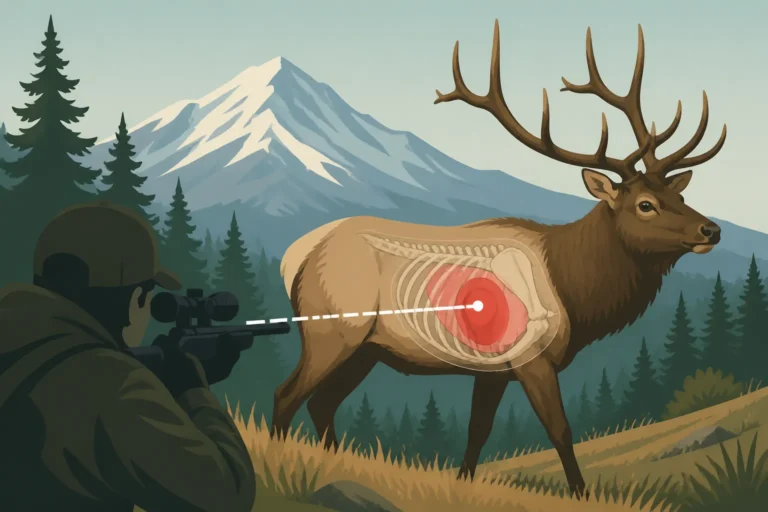
- The Kill Zone: Aim for the "boiler room" – the heart and lungs. This area is typically just behind the shoulder, slightly low. Avoid shoulder shots on larger animals like elk, as a heavy bone might deflect your slow projectile, especially if you're not using a premium, heavy conical bullet. For Shot Placement on a Quartering Elk, remember that the vitals will be further forward.
- Hold Steady: With open sights, any wobble is magnified downrange. Take a deep breath, control your trigger, and follow through. If possible, use shooting sticks, a downed log, or even your pack for a rest to steady your aim.
- The Smoke Screen: Be prepared for the cloud of smoke. After the shot, you'll likely lose sight of the animal for a few seconds. Do not move immediately. Remain still, listening for the sound of a crash or the direction the animal fled. This moment of disorientation is where many hunters make critical mistakes.
- Mark the Spot and Follow Up: After the smoke clears and you've noted the animal's direction of travel, immediately mark your shooting position and the last spot you saw the animal. Then, reload your muzzleloader. It's not uncommon for a muzzleloader hit to take an animal some distance, so having a follow-up shot ready is crucial. Begin your blood trail search slowly and methodically. Even with a good hit, a muzzleloader often leaves less of a blood trail than a high-velocity rifle, especially in thick cover.
This methodical approach to shooting and follow-up is critical for a humane harvest and ensures you recover your hard-earned game.
Field Care and Packing Out Your Muzzleloader Harvest
Successfully harvesting an animal with a muzzleloader in Washington is a monumental achievement, but the work isn't over. Proper field care is crucial for preserving the meat, and getting that animal out of the backcountry, especially a large elk, is a significant physical challenge. Being prepared for this demanding phase is just as important as the hunt itself.
Gutless Method and Rapid Cooling
Once your animal is down, the clock starts ticking, particularly if you’re hunting during warmer early muzzleloader seasons or during the day in more temperate periods. The goal is to cool the meat as rapidly as possible to prevent spoilage. The "gutless method" is an invaluable technique, especially for large animals like elk, and for hunters who might be solo or in areas where traditional gutting is difficult.
- The Gutless Method Explained: Instead of opening the body cavity, you skin one side of the animal, bone out the quarters, remove the backstraps, tenderloins (accessed through the back of the animal, under the spine), and neck meat. Then, you flip the animal and repeat on the other side. This method is cleaner, keeps the gut pile intact, and eliminates the need to pack out the entrails. It also allows for quicker cooling of the meat by breaking down the carcass into smaller, more manageable pieces. The Gutless Method on an Elk can be a game-changer for backcountry hunters.
- Getting Carcass Cooled Fast: After breaking down the animal, it's vital to get air circulating around the meat. Hang game bags in the shade, if available, or spread them out on clean tarps or dry vegetation, off the ground. Avoid piling meat bags on top of each other. If it’s warm, consider placing ice packs (if feasible to pack in) in the body cavity before skinning to jumpstart cooling, or, if in cold weather, just ensure good air flow.
Packing Logistics in Washington's Backcountry
Packing an animal out of Washington's steep, often roadless terrain is arguably the hardest part of the hunt. An adult elk can weigh 600-800 pounds live, translating to several hundred pounds of meat and bone. A deer is more manageable, but still a heavy load.
- Breaking Down the Load: For an elk, plan on multiple trips, even with a strong partner. A mature bull elk will yield 150-250 pounds of boned-out meat, plus cape and antlers. This typically translates to 3-5 trips for one hunter, or 2-3 trips for two hunters, carrying loads of 50-80+ pounds each. Ensure you have a quality frame pack designed for hauling heavy loads. For Packing an Elk Out of Washington's Backcountry, a robust pack frame is indispensable.
- Route Planning: Before you even make the first cut, assess the best route out. Is there a downhill path to a road? Is there a game trail that’s less steep? Will you be navigating dense blowdowns or crossing streams? The shortest distance on a map isn't always the easiest or safest path.
- Safety First: Heavy loads on uneven terrain are a recipe for injury. Take your time. Use trekking poles for stability. Drink plenty of water and snack frequently. If you're alone, be extra cautious, and always carry a satellite messenger or two-way radio for emergencies. If you're Packing Meat Out After Dark, a reliable headlamp with spare batteries is a must.
Meat Care Post-Hunt and Reporting
Once you've safely transported your meat from the field, proper care continues.
- Cooler Management: In warmer weather, pack your meat into coolers with plenty of ice. Drain water from the coolers regularly to prevent the meat from soaking. For Field Dressing in Warm Early-Season Weather, getting ice on the meat quickly is vital.
- Processing: Decide if you’ll process the meat yourself or take it to a butcher. If butchering yourself, ensure you have a clean workspace, sharp knives, and knowledge of anatomy. If using a butcher, call ahead, especially during hunting season, as they get extremely busy.
- Harvest Reporting: Don't forget the final, crucial step: reporting your harvest to WDFW. This is a mandatory requirement for all big game hunters in Washington, even if your tag goes unfilled. You can do this online through your WILD account or by mail. Failing to report can result in penalties and impact your ability to purchase tags in subsequent years. Reporting an Unfilled Washington Tag is just as important as reporting a successful harvest. This data is critical for WDFW to manage wildlife populations and set future hunting seasons.
Common Challenges and Troubleshooting for Muzzleloader Hunters
Muzzleloader hunting is not without its unique set of challenges, from unpredictable weather to tricky access. Embracing these obstacles as part of the experience, and having a plan to troubleshoot them, can turn potential frustrations into minor hurdles. It’s all part of the primitive hunting adventure.
Dealing with Wet Weather and Misfires
Washington is renowned for its wet weather, especially on the west side and during the later special muzzleloader seasons. Rain, fog, and dampness are constant threats to a muzzleloader's reliability. A misfire when you have an animal in your sights is gut-wrenching, but often preventable.
- Waterproofing is Key: Your powder, primers, and the bore of your rifle must stay dry. Use waterproof containers for powder and individual primers. Many hunters will wrap the breach and percussion cap/primer area of their rifle with electrical tape or use a rubber "nipple protector" to keep moisture out. Keep the bore capped when not actively hunting to prevent rain or snow from entering.
- Proper Loading: Ensure your bullet is seated firmly against the powder. Any air gap can lead to an unsafe condition or inconsistent ignition. Use a bullet starter to get it going, then your ramrod to seat it with consistent pressure.
- Troubleshooting a Misfire: If you pull the trigger and get a "click" instead of a "boom," do not immediately open the breach. Hang fire (a delayed ignition) can occur. Keep the rifle pointed in a safe direction for at least 30-60 seconds. If it still doesn't fire, carefully remove the primer (if using a 209 system) and try a fresh one. If that fails, it’s often best to discharge the load safely back at camp. This is where Muzzleloader Loading and Ignition in Rain becomes a critical skill to master. Practice this procedure safely on the range.
Navigating Access and Public Land Nuances
Washington offers a wealth of public lands for hunting, including National Forests, DNR lands, and Wildlife Areas. However, access can be complicated by private timber holdings, "Green Dot" road systems, and wilderness area restrictions.
- Green Dot Roads: These WDFW-managed roads on public lands are often open to vehicles, but sometimes seasonally restricted. Familiarize yourself with the "Green Dot" map for your GMU, understanding which roads are open and which are closed to protect wildlife or prevent resource damage. What a Green Dot Road Means in Washington can literally determine your access.
- Timber Company Lands: Large portions of Western Washington (and some Eastern) are owned by private timber companies like Weyerhaeuser or Hancock. Many of these lands require permits or have restricted access. Check their websites well in advance of the season, as permits can be expensive and sell out quickly. Sometimes, these lands offer valuable muzzleloader opportunities due to less pressure. For Timber Company Permits in Western Washington, always check the current year's rules.
- Wilderness Areas: Washington has numerous wilderness areas where motorized access is strictly prohibited. If your muzzleloader hunt takes you into one of these, you'll need to be prepared for a foot-powered, self-supported hunt. Remember, even bicycles are often prohibited. Understand Washington Wilderness Rules on Motorized Carts before you plan your trip.
- Landlocked Public Land: Be aware of private property boundaries. Sometimes, public land can be completely surrounded by private parcels, effectively "landlocking" it. Use a GPS with land ownership overlays to ensure you're always on legal ground. Finding Legal Access in Washington is a constant challenge.
The Mental Game of Single-Shot Hunting
Beyond the physical and technical challenges, muzzleloader hunting brings a significant mental component, especially with the "one shot" reality. This can be exhilarating but also stressful.
- Embrace the Challenge: Understand that missing or not getting a shot opportunity is part of the game. It happens to everyone. The beauty of muzzleloader hunting lies in the extra effort, the closer encounter, and the heightened sense of accomplishment when it all comes together.
- Manage Expectations: Don't go into a muzzleloader hunt expecting instant success or a trophy on every tag. Focus on the experience, the solitude, and the connection to a more traditional form of hunting.
- Confidence Through Practice: The best way to combat mental stress is through meticulous preparation and practice. Knowing your rifle, knowing your capabilities, and having confidence in your shot will help you remain calm when that bull steps out.
- Patience and Persistence: Muzzleloader hunters are often defined by their patience. You might pass on many animals that are just outside your ethical range, waiting for that perfect, close-quarters opportunity. This persistence is what ultimately leads to success in special muzzleloader seasons.
These challenges, rather than being deterrents, are what make muzzleloader hunting in Washington such a deeply rewarding and authentic experience. They force you to be a better, more prepared, and more thoughtful hunter.
Disclaimer
The information provided in this guide is for general informational purposes only and is subject to change. Hunting regulations, season dates, and access rules in Washington state are managed by the Washington Department of Fish and Wildlife (WDFW) and can be updated annually or more frequently. It is the sole responsibility of every hunter to consult the most current WDFW Big Game Hunting Seasons & Rules pamphlet and all relevant state laws before engaging in any hunting activities. Always verify all regulations and land access requirements directly with official WDFW sources or land managers.