Choosing a Weapon Season for a Washington Elk Tag
Deciding which weapon season to pursue for your Washington elk tag can feel like navigating a dense, fog-shrouded forest without a compass. It’s a huge decision that shapes not just when you hunt, but how you hunt, influencing everything from the gear you pack to the very strategies you employ in the field. This guide aims to clear that fog, helping you understand the nuances of each weapon season so you can confidently choose the path that best aligns with your skills, goals, and definition of an epic Washington elk hunt.
Washington's Elk Seasons: A Weapon-Specific Breakdown
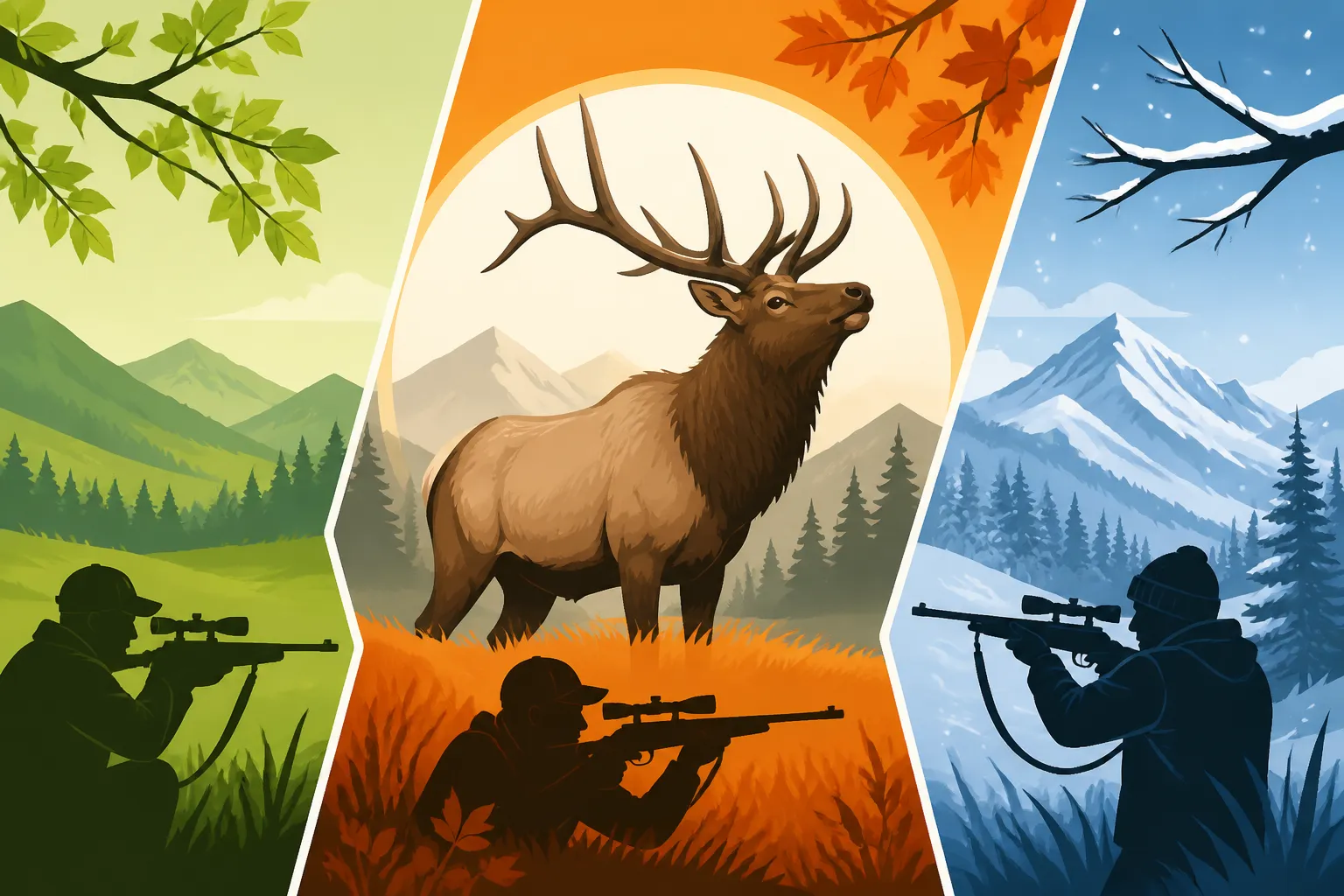
Washington offers distinct elk hunting opportunities tailored to archery, muzzleloader, and modern firearm enthusiasts. Each season presents a unique set of challenges and rewards, shaped by timing, elk behavior, and the specific regulations governing each weapon. Understanding these fundamental differences is the first step in making an informed choice.
Archery: The Early Rut and Backcountry Challenge
Archery season, typically kicking off in early September, is often synonymous with the rut in many Washington elk units. This is arguably the most exciting, and often the most demanding, time to chase elk. Hunters brave enough to wield a bow during this period are often treated to the sounds of bugling bulls echoing through timbered canyons, offering a chance at close-range encounters that are truly unforgettable. However, it's also a physically grueling hunt, requiring significant preparation, stealth, and a deep understanding of elk behavior. The weather can be a mixed bag, too – blazing hot days turning into crisp, wet mornings, especially in Western Washington's rainforests.
For those dreaming of calling in a bull or stalking through dark timber, archery season is prime. The focus is on getting intimate with the elk, often requiring you to cover serious ground on foot, delve deep into roadless areas, and master the art of calling. If you're considering this path, you'll definitely want to dive into the specifics of Archery Elk Hunting in Washington's September Season to prepare for the unique demands and opportunities this early season provides. Furthermore, knowing how to effectively use Bugling and Cow Calling in Washington's Archery Elk Season can be the difference between hearing a bull and sealing the deal.
Muzzleloader: Bridging the Gap with Traditional Spirit
Muzzleloader season in Washington typically falls into two distinct periods: a short window in late September/early October, and often a later, more challenging hunt in November or even early December, depending on the Game Management Unit (GMU). This weapon choice strikes a unique balance, offering more range and knockdown power than a bow but demanding a higher degree of discipline and skill than a modern firearm. It's a fantastic option for hunters who appreciate a more traditional approach, the satisfying "thump" of a single shot, and the extended season opportunities it can provide.
The challenges with a muzzleloader are distinct. You're dealing with limited shots, often a shorter effective range compared to a rifle, and the ever-present concern of weather impacting your powder and primer. Keeping your muzzleloader dry and functional in Washington's notoriously damp environment, especially on the west side, is paramount. These seasons often take place after the peak of the rut, meaning elk are less vocal and might be moving into more secluded areas. For a deep dive into what it takes, exploring Muzzleloader Hunting Washington's Special Seasons will give you a solid foundation, and you'll want to pay close attention to tips on Muzzleloader Loading and Ignition in Rain to ensure your hunt isn't dampened by the elements.
Modern Firearm: Accessibility and Power
Modern firearm season, colloquially known as rifle season, is by far the most popular choice for elk hunters in Washington. These seasons generally run throughout October and into November, offering a wide array of dates and GMUs across the state. This popularity stems from the undeniable advantages of a modern rifle: superior range, potent knockdown power, and a relatively straightforward learning curve compared to archery or muzzleloader hunting. It's the go-to for many hunters, from seasoned veterans to those embarking on their very first elk adventure.
However, with popularity comes increased hunter pressure. Expect more orange in the woods, especially on accessible public lands. Elk will be more alert, more prone to seeking refuge in dense cover, and often less vocal than during the rut. Success in rifle season often hinges on keen scouting, patience, and the ability to navigate crowded areas or trek into less-pressured terrain. Setting up your rifle properly is crucial, and you'll find invaluable advice in our guide to Rifle Setup for Washington Elk and Deer to ensure your equipment is dialed in for the shot opportunities this season might present.
Deciphering the Trade-offs: Skill, Conditions, and Crowds
Choosing an elk weapon season isn't just about weapon preference; it's a holistic decision that involves honestly assessing your skill level, anticipating the conditions you’re willing to face, and understanding the hunter density you’ll encounter. Each variable plays a significant role in your overall hunting experience and success potential.
Matching Your Skill Set to the Weapon
Every weapon type demands a different set of skills and preparation. Archery hunting, for instance, requires an incredible amount of dedicated practice to achieve pinpoint accuracy with a broadhead, often under stressful field conditions. You need to be proficient with a rangefinder, master different calling techniques, and develop the patience and stealth to get within mere yards of a wary elk. It's a high-skill, high-reward endeavor. If you're serious about archery, consistent Archery Practice for Wet Coastal Conditions is non-negotiable, especially given Washington's climate.
Muzzleloader hunting, while not requiring the same close-range finesse as archery, demands its own unique proficiencies. You must be intimately familiar with your specific powder charge, bullet type, and the trajectory of your projectile. The reloading process is slower, and the margin for error is smaller. There's an art to keeping your powder dry in adverse weather, ensuring your cap fires reliably, and making that single shot count. For modern firearm hunters, the emphasis shifts slightly. While accuracy is always paramount, the ability to make longer shots responsibly, understand bullet ballistics, and manage recoil are key. It’s not just point and shoot; it’s knowing your weapon’s limitations and your own.
Navigating Washington's Diverse Hunting Environments
Washington's landscape is incredibly varied, from the dense, wet rainforests of the Olympic Peninsula to the sagebrush-covered coulees and timbered breaks of Eastern Washington. Your chosen weapon season will dictate the conditions you're most likely to face, and how effectively you can hunt them. Early archery seasons, particularly on the west side, often mean navigating thick, wet brush and potentially warm temperatures, demanding lightweight, quick-drying gear and a strategy focused on still-hunting or calling in dense cover. The elk might be in higher, cooler elevations or tucked into heavy timber.
Later muzzleloader and rifle seasons, especially in Eastern Washington, can bring everything from crisp, sunny days to blizzards. Elk might be migrating, grouping up, or heading for lower elevation winter range, making glassing vast areas a more viable tactic. The terrain can be steep and rocky, demanding different footwear and physical endurance. Understanding these environmental differences and how your chosen weapon performs in them is critical. A short-range muzzleloader in wide-open eastern breaks might be less effective than a rifle, while a rifle in dense western timber can be overkill where close-range shots are the norm.
Hunter Density and Opportunity
One of the most significant factors influencing your hunt is hunter pressure. Modern firearm seasons typically see the highest concentration of hunters, especially on easily accessible public lands. This means more competition for prime spots, more spooked animals, and often more noise in the woods. While success rates might be statistically higher due to the weapon's inherent advantages, you might work harder to find undisturbed elk.
Archery seasons generally boast fewer hunters, and those who do participate are often spread out across more challenging terrain, including wilderness areas. This can lead to a more solitary, immersive experience. Elk during the rut can also be more susceptible to calling, offering unique opportunities. Muzzleloader seasons fall somewhere in the middle; pressure is usually less than rifle season but more than archery, depending on the specific dates and GMU. If you cherish solitude and a less pressured hunting environment, archery or a remote muzzleloader hunt might be more appealing, even if it means a steeper personal challenge to fill your tag.
Essential Gear and Regulatory Adherence
Beyond the philosophical choice of weapon season, there are tangible gear requirements and strict legal regulations that every Washington hunter must understand and follow. Your weapon choice directly dictates much of your packing list and your pre-hunt preparation.
Understanding Washington's Weapon-Specific Rules
Washington has specific regulations governing each weapon type, designed to ensure ethical hunting and fair chase. For archery, this means strict rules on broadhead width (a minimum of 7/8 inch), arrow or bolt weight (minimum of 350 grains), and the prohibition of any electronic devices attached to the bow that aid in aiming (e.g., lighted pins are okay, but laser sights are not). These rules are in place to ensure a clean, humane kill with primitive equipment. You absolutely need to know Washington's Legal Equipment Rules by Weapon inside and out before you ever step foot into the woods with your bow or any other hunting implement.
Muzzleloader rules are equally specific. You're typically looking at a minimum .45 caliber for elk. Washington often restricts the use of modern optics on muzzleloaders during special seasons, often limiting hunters to open, peep, or dot sights. There are also rules concerning powder types and ignition systems. Modern firearm seasons have fewer specific restrictions beyond caliber minimums (typically .24 caliber for elk) and a general understanding of safe firearm handling and ammunition choice. Neglecting these detailed regulations can lead to a forfeited tag, fines, or worse, so it’s crucial to verify the current WDFW pamphlet.
Equipping for Success in Washington's Landscape
Your weapon choice is just the starting point for your gear list. For an archery hunt, especially in the early season, you'll need lightweight, breathable clothing, an excellent navigation system (GPS or detailed maps), and potentially a sturdy pack frame to haul out meat from deep in the backcountry. Good quality rain gear is essential for virtually any Washington hunt, but particularly for the west side, where moisture is a constant companion.
Muzzleloader hunters need to prioritize weatherproofing for their firearm, carrying additional cleaning supplies, and potentially having a backup ignition source. Since shots are typically within 100-150 yards, a good set of binoculars and a rangefinder are vital. Modern firearm hunters will want to invest in quality optics, including a reliable riflescope that performs well in low light, and a rangefinder with angle compensation for Washington's steep terrain. Regardless of weapon, a solid pair of waterproof boots, a capable pack for carrying essentials and game, and proper layering for unpredictable mountain weather are non-negotiables. Don't skimp on essentials like a sharp knife, game bags, and a first-aid kit, as these are critical for any successful and safe hunt.
Strategic Planning and Tag Application
Choosing your weapon season is intrinsically linked to the Washington Department of Fish and Wildlife (WDFW) tag application process. Understanding the difference between general seasons, special permits, and multi-season tags will significantly influence your odds and opportunities.
General Season Versus Special Permit Tags
In Washington, most hunters participate in general seasons, where you purchase an over-the-counter tag for a specific species (like elk) and then select a GMU and weapon choice (archery, muzzleloader, or modern firearm) within the published regulations. These tags are widely available, but they often correspond to hunts with higher hunter pressure and sometimes lower success rates, especially for branch-antlered bulls.
Alternatively, many hunters apply for special permit hunts. These are limited-entry draws that offer exclusive opportunities, often in units with higher elk populations, better bull-to-cow ratios, or longer seasons. Your weapon choice is often declared during the application process for these permits. Applying for a special permit hunt, regardless of weapon, drastically increases your odds of a quality hunt, but the draw odds can be challenging. For those serious about drawing one of these coveted tags, it's essential to understand Washington Special Hunt Permits and How to Apply and the fundamental differences between Washington General Season Versus Special Permit Hunts. Many experienced hunters use tools like GoHunt to analyze past draw odds and unit reports, helping them make smarter choices for these valuable applications.
Strategic GMU Selection and Draw Odds
Your chosen weapon season heavily influences which GMUs are even available to you. Some units might be open only for archery, or have separate early and late muzzleloader seasons, while others are designated for modern firearms. For instance, many of Washington's more remote or wilderness units might primarily offer archery opportunities, appealing to those seeking a true backcountry experience. Conversely, some easily accessible units might only be open during the general modern firearm season.
Researching specific GMUs becomes critical. You need to look at elk population trends, harvest statistics, and success rates for your chosen weapon. Online mapping tools, WDFW’s own hunt planner, and platforms like GoHunt are invaluable for this research, allowing you to filter by weapon type and understand the lay of the land from your computer screen. Learning how to effectively utilize resources for E-Scouting Washington GMUs Before the Draw can give you a significant advantage in finding the right unit for your chosen weapon. This strategic research allows you to align your weapon choice with the specific unit's characteristics and available opportunities.
The Appeal of a Multi-Season Tag
For hunters who can't decide on just one weapon or who want to maximize their time in the field, Washington offers the Multi-Season Tag. This special, limited-draw tag (you apply for it separately during the special permit application period) allows you to hunt deer or elk with any legal weapon during any general season for that species. This means if you draw a multi-season elk tag, you could potentially hunt during archery season, then switch to muzzleloader, and then finish up during modern firearm season – all with one tag, provided you haven't filled it.
This option provides unparalleled flexibility and significantly increases your overall time in the field and your chances of success. It's an incredible advantage, allowing you to adapt to changing elk patterns or weather conditions throughout the fall. However, multi-season tags are extremely popular and therefore have very challenging draw odds. Understanding the rules for Washington Multi-Season Deer and Elk Tags is key to even considering this option, and many hunters apply for it annually, knowing the long odds, but recognizing the immense value if they're lucky enough to draw.
Crafting Your Ideal Elk Hunting Adventure
Ultimately, the best weapon season for your Washington elk tag isn't about what's easiest or most popular; it's about what resonates with you as a hunter. It's about personalizing your experience to maximize enjoyment, challenge, and the likelihood of achieving your hunting goals.
Personal Style and Physical Demands
Consider your personal hunting style. Are you someone who thrives on the intimate challenge of calling an animal into close range, relying on stealth and patience? Then archery season during the rut might be your calling. Do you prefer to cover vast amounts of ground, glassing for animals, and making calculated shots from a distance? Modern firearm season might be a better fit. Perhaps you enjoy the quiet solitude and traditional feel of a single-shot muzzleloader, seeking a blend of challenge and opportunity.
Your physical fitness also plays a huge role. Archery hunting, especially in mountainous, roadless areas or in the dense, steep terrain of Western Washington, is incredibly demanding. You'll hike miles, often uphill, with a heavy pack, and need the endurance to stalk and retrieve an animal. Muzzleloader and modern firearm seasons can be equally physical, especially if you're venturing into backcountry. Be honest with yourself about your current fitness level and how it aligns with the demands of your chosen weapon and the units you plan to hunt. If you're planning on Packing an Elk Out of Washington's Backcountry, regardless of weapon, you need to be in shape.
The Balance of Challenge, Reward, and Ethics
Every hunter defines success differently. For some, it's about the ultimate challenge of a bow hunt and the profound satisfaction of harvesting an elk with traditional equipment. For others, it's about the reliability and effective range of a modern rifle, providing confidence in making a clean kill. There's no right or wrong answer here, only what feels right for you.
Ethical considerations are paramount regardless of weapon choice. This includes practicing diligently to ensure you can make a clean, humane shot, being prepared to follow up on a wounded animal, and knowing your limits. Whether you’re sending an arrow, a sabot, or a bullet, proper Shot Placement on a Quartering Elk is crucial for a quick and ethical harvest. Choosing a weapon season is a deeply personal decision, one that should blend your aspirations, abilities, and commitment to ethical hunting. Take the time to reflect on what you truly want from your Washington elk hunt, and then choose the weapon season that will bring that vision to life.
| Weapon Type | Primary Season Timing | Typical Hunter Pressure | Primary Hunting Style | Key Challenge | Success Rate (General) | Notes |
|---|---|---|---|---|---|---|
| Archery | Early September (Rut Focus) | Low to Moderate | Spot & Stalk, Calling, Still-hunting | Close range, physical demand | Lower | High reward, intimate hunt; gear-specific rules (broadheads, arrow weight) |
| Muzzleloader | Late Sept/Early Oct, Nov/Dec | Moderate | Stalking, Ambush, Calling (lesser) | Limited range, weather impact | Moderate | Traditional feel; specific caliber & sight rules |
| Modern Firearm | October/November (General) | High | Glassing, Spot & Stalk, Ambush | Crowds, pressured elk | Higher | Most accessible; minimum caliber rules; reliable range |
Disclaimer
The information provided in this guide is for general educational purposes only and is not intended as legal advice. Hunting regulations, seasons, and licensing requirements can change frequently. Always consult the most current Washington Department of Fish and Wildlife (WDFW) hunting regulations pamphlet and official WDFW resources before planning and undertaking any hunting activity.