Where Blacktails Bed in Reprod
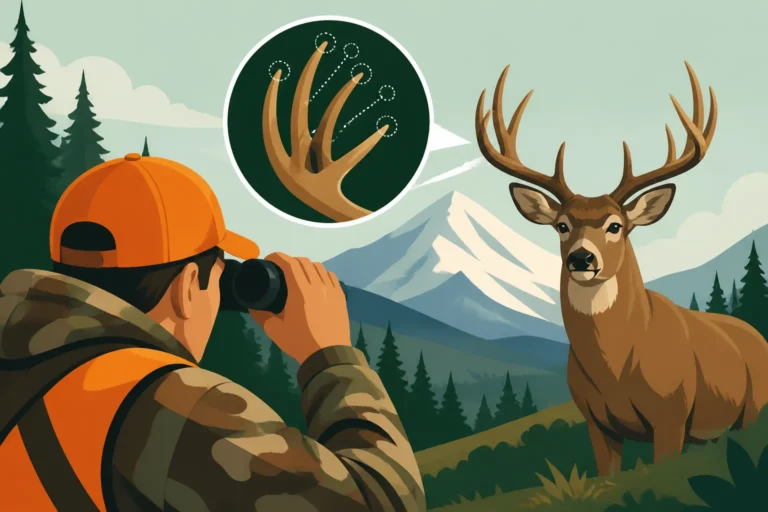
Trying to pin down a mature blacktail buck in Washington's vast timber country can feel like searching for a needle in a haystack, especially when they disappear into those dense, young stands of conifer and brush known as "reprod." It's incredibly frustrating to know they're there, but seemingly vanish as soon as you enter their domain. This guide is dedicated to demystifying blacktail bedding habits in these thick replanted areas, helping you understand where they choose to rest, why they pick those spots, and how you can improve your chances of finding them.
Understanding Blacktail Bedding Habits in Reprod
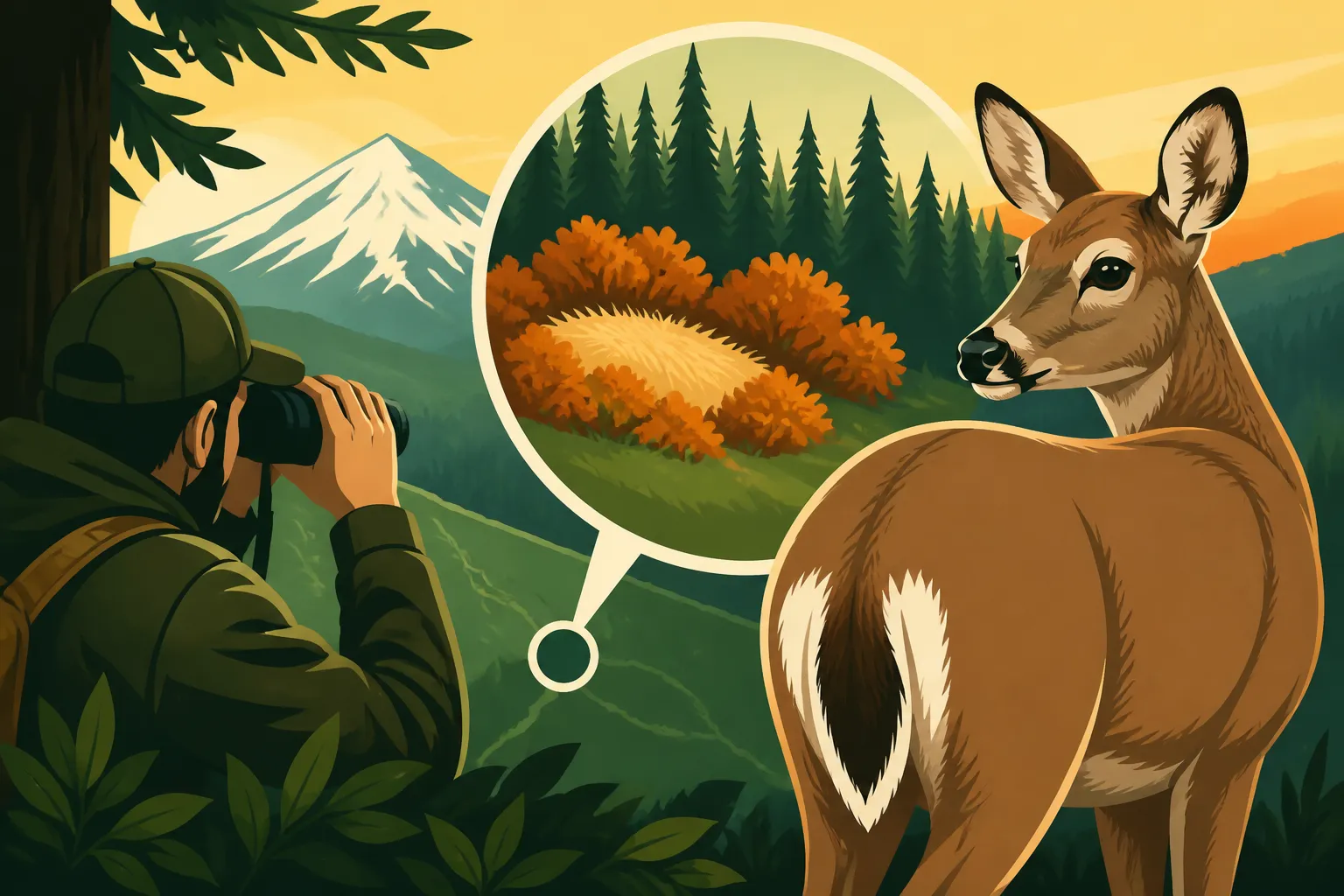
Blacktail deer are masters of concealment, and the dense "reprod" – areas of young, regenerating forest growth, often clearcuts from years past – is their sanctuary. These areas might seem impenetrable to us, but for a blacktail, they offer everything they need to feel safe and comfortable.
Why Reprod is Prime Blacktail Real Estate
Reprod offers a multi-layered defense system for blacktails. Firstly, the sheer density of young trees, often Douglas fir or western hemlock, creates an incredibly effective visual barrier. A deer can be literally feet away from you and remain completely unseen, blending seamlessly into the shadows and intricate network of branches. This security is paramount for a species that relies on stealth and hiding from predators like cougars and coyotes.
Beyond visual cover, reprod provides excellent thermal regulation. On a hot, sunny day, the thick canopy offers deep shade, allowing deer to stay cool without expending excess energy. Conversely, on a cold, windy, or wet Washington day, the tight stands of trees break the wind and can even offer a surprising amount of protection from rain and snow, helping them conserve body heat. It's a natural shelter, perfectly adapted to the often-unpredictable weather of Western Washington. This habitat is crucial, as the Blacktail Deer Density in Washington Timber is directly related to the availability and quality of such areas.
The Importance of Micro-Terrain and Aspect
While any dense reprod offers some level of security, blacktails are picky about their specific bedding sites within these zones. They don't just flop down anywhere. They actively seek out micro-terrain features that enhance their security and comfort. Imagine a slight rise, a small bench on a hillside, or even just a subtle fold in the ground – these minor undulations can provide a better vantage point, a clearer escape route, or better wind protection.
Aspect, or the direction a slope faces, also plays a critical role. On colder days, especially in late season, a south-facing slope might catch more sun, warming the ground and providing a more comfortable bed. During warmer early seasons, a north-facing slope, often holding more moisture and shade, would be preferred. They'll use wind direction to their advantage too, bedding in a spot where their back is to the wind, allowing them to detect danger approaching from downwind with their nose, and danger approaching from upwind with their eyes and ears. These subtle choices are what separate a random patch of reprod from a consistent blacktail bedding area.
Key Indicators for Identifying Blacktail Bedding Areas
Finding blacktails in reprod often comes down to detective work – piecing together the subtle clues they leave behind. You're looking for areas that scream "deer highway" and "deer bedroom."
Reading the Sign: Tracks, Scrapes, and Rubs
When you venture into reprod, your eyes should be peeled for fresh sign. Tracks are probably the most obvious. Look for clear, sharp hoof prints in the softer ground or mud, especially along deer trails winding through the thick timber. Are the edges crisp, or are they softened by rain or dried dirt? Fresh tracks, particularly those of a larger deer, are a major indicator. If you're seeing multiple fresh tracks converging into a particular section of reprod, you're likely on the edge of a bedding area. Knowing how to interpret these prints is vital, and resources like Tracking a Buck After a Fresh Snow can further refine your skills, even if you're not in the snow.
Beyond tracks, look for scrapes and rubs. While scrapes are more common during the rut, an active scrape in or near reprod indicates a buck is using that area. Rubs, where bucks have rubbed their antlers on small trees, are even more telling. If you find several rubs, especially fresh ones with sap still oozing from the bark, leading into a dense thicket of reprod, you've likely found a mature buck's core area, which includes his bedding grounds. The intensity and freshness of these signs are key; a series of fresh rubs confirms consistent usage.
Food and Water Proximity
Blacktail deer are efficient creatures; they want to minimize energy expenditure. This means their bedding areas are almost always strategically located close to food sources and, often, water. In reprod, this could mean bedding just inside the tree line, adjacent to a more open clearcut where succulent browse like huckleberry, salal, or various forbs are abundant. They might also bed near the edges of recent burns or areas where logging has created new growth.
Water is another crucial element, especially during drier periods of the season. Even small seepages, wet depressions, or ephemeral streams can draw deer. If you're scouting an area of dense reprod, mentally (or physically) map out nearby food sources and water. A bedding area that offers both security and easy access to sustenance is a high-percentage spot. Tools like GoHunt can be incredibly useful for overlaying satellite imagery with topographical maps to pinpoint these natural transitions and potential water sources, helping you identify areas where blacktails will bed close to their needs. You might find more insight by studying Water Holes That Hold Deer in Dry Country if you're in a particularly dry region.
Here's a quick summary table of reprod characteristics and blacktail bedding preferences:
| Reprod Characteristic | Blacktail Bedding Preference | Why It Matters |
|---|---|---|
| Density | Very thick, impenetrable | Maximum visual security from predators and hunters. |
| Age | 5-15 years old (chest to head high) | Perfect height for concealment while allowing movement underneath. |
| Understory | Moderate, edible browse | Easy access to food without exposing themselves. |
| Terrain | Small benches, subtle rises, windbreaks | Offers better vantage, wind protection, and escape routes. |
| Aspect | North-facing (warm weather), South-facing (cold weather) | Thermal regulation for comfort, sun exposure for warmth. |
| Proximity to Openings | Edges of clearcuts, forest roads, natural meadows | Quick access to primary feeding areas. |
| Water Source | Near small seeps, springs, or drainages | Essential for hydration, especially in dry conditions. |
Strategies for Still-Hunting and Glassing Reprod Bedding
Hunting blacktails in reprod demands a very different approach than glassing open hillsides. It's an intimate, slow game that tests your patience and observation skills.
Mastering the Still-Hunting Pace
Still-hunting is perhaps the most effective method for tackling dense reprod, but it requires extreme discipline. It's not about walking; it's about pausing, observing, and moving only when necessary. Your pace should be agonizingly slow – think five steps, then stop and scan for five minutes. This allows you to scrutinize every shadow, every cluster of branches, for the telltale outline of a deer. Still-Hunting Pace in Wet Brush elaborates on this, but in reprod, it's even slower.
When you do move, do so quietly. Pick your footfalls carefully, avoiding snapping twigs or rustling dry leaves. Use the wind to your advantage, always moving into it or with a crosswind, so your scent isn't blowing directly into potential bedding areas. Focus on the ground ahead, looking for horizontal lines (a deer's back) amidst the vertical trees. A flick of an ear, a patch of off-color fur, or the horizontal line of a deer's back can reveal their presence. Remember, they are often bedded down, so you might only see a small portion of their body.
Utilizing Elevated Positions and Wind
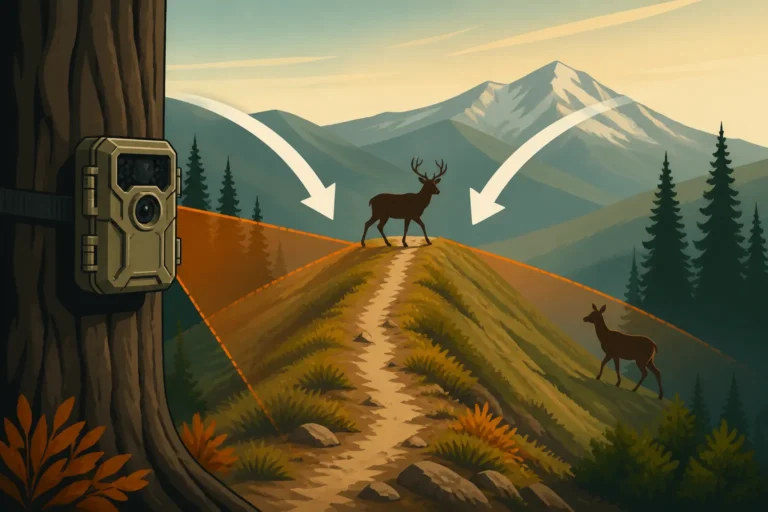
While reprod is notoriously difficult to glass into, elevated positions on the edges can still be hugely beneficial. Before diving into the thick stuff, take time to find a vantage point – a knoll, a rock outcrop, or an old logging road grade – that overlooks the reprod. Use your binoculars or a spotting scope to scan for deer feeding on the edges, or for any movement deeper inside. This is where GoHunt or other mapping tools really shine, allowing you to identify potential vantage points and plan your approach.
Understanding wind is non-negotiable. Blacktails rely heavily on their sense of smell. As mentioned, they will bed with the wind at their back, watching their downwind approach. This means you generally want to approach a suspected bedding area from downwind, letting the wind carry your scent away from the deer. However, thermals complicate things, especially in the mountains. In the mornings, air flows downhill; in the evenings, it flows uphill. Your approach needs to factor in both prevailing wind and thermal drafts. A strategic approach will have you moving in a way that keeps your scent out of their nose, allowing you to get close without them knowing you're there. This is a critical component of Public Land Scouting in Washington Before Opening Day.
Seasonal Variations and Time of Day
Blacktail bedding habits aren't static; they shift with the seasons, weather, and even the time of day. Being aware of these changes can significantly increase your success rate.
Bedding Patterns Through Early, Mid, and Late Season
In the early archery season (September), when temperatures can still be quite warm, blacktails often seek out the densest, coolest reprod on north-facing slopes or deep in shaded drainages. They're focused on browsing and staying out of the heat. As the season progresses into the general firearm season (October-November), temperatures drop, and the rut begins. During this time, you might find bucks bedding in slightly more open areas, or even just off active travel corridors, as they move between doe groups. The drive to breed can make them a bit less cautious, but they still prefer thick cover for their core bedding. Understanding Blacktail Rut Timing in Western Washington is crucial during this period.
By the late season, when snow might be on the ground or temperatures are consistently cold and wet, blacktails will prioritize thermal cover. South-facing reprod, especially on benches that catch what little sun there is, becomes more appealing. They'll also seek out reprod that offers the best windbreak. Snow depth will also influence where they bed, as deep snow can make movement difficult, forcing them to lower elevations or less exposed areas. Consider how a Reading a Three-Year-Old Clearcut for Bucks might differ in these various seasons.
Daylighting Deer in Their Beds
One of the biggest frustrations for hunters is that blacktails often become largely nocturnal during hunting season, especially mature bucks. They move and feed primarily under the cover of darkness. However, they still have to bed somewhere during the day. This is where still-hunting reprod comes into its own. The mid-day hours, when many hunters are back at camp or eating lunch, can be prime time to catch a blacktail buck bedded down.
If you know a specific area of reprod holds deer, a slow, methodical still-hunt through it between 10 AM and 2 PM can be highly effective. The deer are likely settled in their beds, confident in their cover. Your job is to move slowly enough that you don't spook them, but also quickly enough to cover ground. You're trying to walk up on them before they detect you. This often means getting within very close range – sometimes just feet – before they explode from their beds. It's a heart-pounding experience that requires nerves of steel and quick reactions. Keep an eye on how conditions like fog and rain impact visibility and sound, as detailed in Hunting Blacktails in Fog and Rain, which can both help and hinder your efforts. For scouting purposes, GoHunt can provide historical weather data that might influence a buck's choice of bedding.
Disclaimer
Hunting in Washington state, particularly in dense timber and reprod, carries inherent risks. Always prioritize safety, adhere to all Washington Department of Fish and Wildlife (WDFW) regulations, and be aware of your surroundings and other potential outdoor enthusiasts. The information provided here is for educational purposes only and should not replace proper hunter education or professional guidance. Always check current regulations before heading afield.