Washington Raffle Permits for Moose, Sheep and Goat
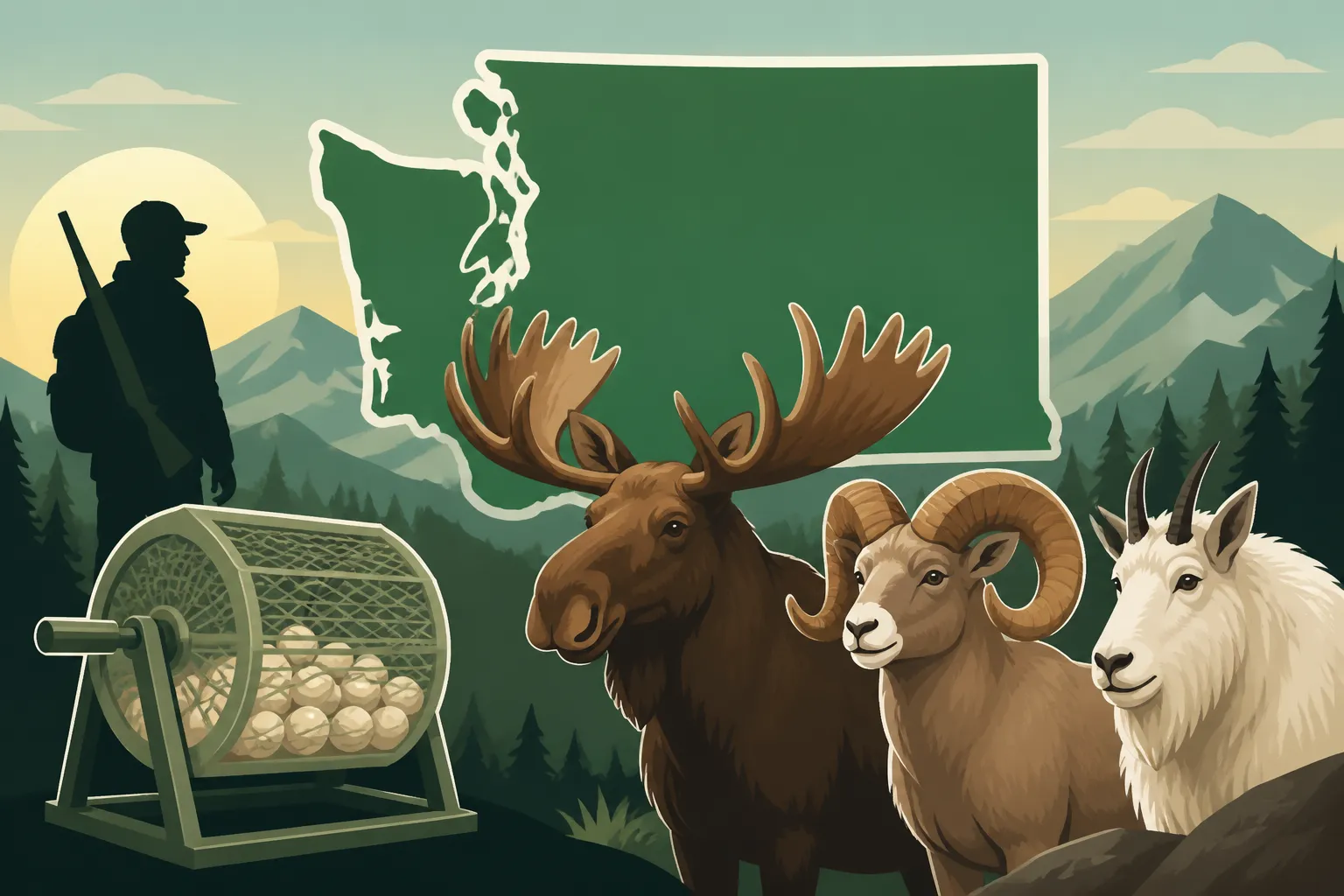
It's no secret that drawing a special permit for Washington's most coveted big game species like moose, bighorn sheep, or mountain goat can feel like winning the lottery itself. The odds are astronomically low for the general draw, leaving many hunters disheartened year after year. This comprehensive guide will pull back the curtain on Washington's unique raffle permit system, offering a different, albeit still challenging, path to pursuing these incredible, often once-in-a-lifetime hunting opportunities.
Understanding Washington's Raffle Permit System for Premier Species
For many hunters, the thought of pursuing a Washington moose, bighorn sheep, or mountain goat remains a distant dream, year after year applying in the general special permit draw with little to show for it. While the traditional draw system certainly has its place, Washington offers an alternative, yet equally exciting, avenue for these premier tags: the raffle permit system. This distinct program provides a separate pool of tags, often for some of the state's best units, giving hunters another shot at these elusive opportunities while simultaneously contributing to vital conservation efforts.
What Exactly Are Raffle Permits?
Unlike the regular WDFW special permit draw, where a random number generator picks winners from a massive pool of applicants who each get a single "chance" per application, raffle permits operate on a different principle. Think of it like a fundraising event where you purchase tickets to enter a drawing. The more tickets you buy, the higher your individual statistical probability of winning. These permits are specifically designated for conservation fundraising, meaning every dollar spent on a raffle ticket directly supports Washington's wildlife and their habitats.
Historically, WDFW, in partnership with conservation organizations, has offered a limited number of these highly desirable raffle permits. They are typically for a single, high-quality tag per species, such as a statewide moose permit, an "any lawful weapon" bighorn sheep tag in a top unit, or a similar once-in-a-lifetime mountain goat opportunity. The sheer exclusivity and potential for a truly exceptional hunting experience are what make these raffles so appealing. It's not just about getting a tag; it's about getting a tag that often comes with immense flexibility and access to prime hunting grounds, far removed from the more restrictive general season dates and unit boundaries.
The Species You Can Hunt Through Raffle
While the main focus of this discussion is on the truly premier, once-in-a-lifetime species, it's worth noting that WDFW often offers raffle permits for a broader range of big game. However, the true gems of the raffle program are almost always:
- Moose: Imagine the thrill of drawing a Washington moose tag. These majestic animals are a symbol of the wild, and their populations, primarily concentrated in the Selkirk Mountains of northeast Washington, offer some of the most unique hunting experiences in the state. A raffle moose tag often provides incredible flexibility, sometimes covering multiple units or even offering an extended season. This allows the fortunate winner to meticulously plan their hunt for a true bull of a lifetime.
- Bighorn Sheep: Hunting bighorn sheep in Washington is the pinnacle for many. With two subspecies, the California Bighorn Sheep in Washington and Rocky Mountain Bighorn Herds in Washington, these hunts take place in rugged, breathtaking landscapes. Raffle tags for bighorns are exceedingly rare and highly sought after, often granting access to premier units known for producing exceptional rams. The physical challenge and the stunning beauty of these hunts create memories that last a lifetime, and a raffle tag can make that dream a reality for one lucky hunter.
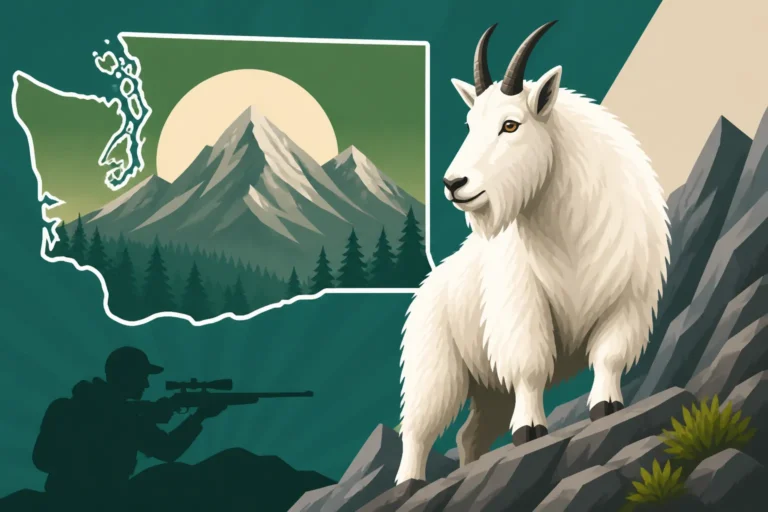
- Mountain Goat: For sheer adventure and physical demand, a Washington mountain goat hunt stands alone. These hardy animals inhabit the highest, most precipitous peaks of the Cascades. Like bighorns, mountain goat permits are once-in-a-lifetime opportunities, meaning if you harvest a goat through any means, you cannot draw another permit. A raffle permit for Washington Mountain Goat Herds grants access to some of the most wild and remote corners of the state, providing an unparalleled backcountry experience.
In addition to these, raffle permits for other big game species like deer and elk might also be offered, but it's the moose, sheep, and goat tags that truly embody the "dream hunt" aspect of the raffle system, attracting hunters from across the country. These opportunities are not just hunts; they are expeditions into some of Washington's wildest country, and the funds raised ensure these landscapes and their inhabitants continue to thrive.
How Raffle Permits Benefit Washington Wildlife
The most critical distinction of raffle permits, beyond the opportunity they provide, is their direct and substantial contribution to wildlife conservation. Every single dollar generated from the sale of these tickets is earmarked for specific projects that directly benefit the species for which the permits are issued, or for broader habitat initiatives that support a variety of game and non-game animals. This makes participating in the raffle more than just a shot at a tag; it's an investment in the future of Washington's wildlife.
For example, funds raised through moose raffle tickets might go towards moose research, habitat improvements in the Selkirks, or even land acquisition to protect critical winter range. Similarly, sheep and goat raffle proceeds could fund disease monitoring programs (a major concern for bighorns), habitat restoration in alpine environments, or efforts to mitigate human-wildlife conflicts. This direct funding mechanism ensures transparency and accountability, allowing hunters to see the tangible results of their contributions. Conservation organizations, often partners in these raffle programs, play a crucial role in administering these funds and ensuring they are deployed effectively. By purchasing a raffle ticket, you're not just hoping for a dream hunt; you're actively becoming a part of the conservation solution, which is a powerful and rewarding aspect of the program.
Navigating the Application Process and Timeline
Embarking on the journey to secure one of Washington's coveted raffle permits requires understanding a unique application process that diverges from the standard special permit draw. It's less about accumulating preference points (because Washington doesn't have them for special permits anyway) and more about strategic ticket purchases within a specific timeframe. Knowing the ins and outs of when and how to engage with this system is crucial for any hunter hoping to land one of these extraordinary tags.
When and How to Purchase Raffle Tickets
The timing for purchasing Washington raffle permits often aligns closely with the general special permit application window, typically in the spring. You’ll want to keep a close eye on the Washington Department of Fish and Wildlife (WDFW) website and official publications, particularly the Big Game Hunting pamphlet, usually released in the spring. This pamphlet will detail the specific species offered in the raffle, the number of permits, and the critical dates for ticket sales. The window generally opens around April and closes in May, mirroring the deadline for Washington Special Hunt Permits and How to Apply.
Tickets are primarily purchased online through the WDFW licensing system, often referred to as the WILD system. You'll navigate to the permits or raffle section, select the species you're interested in, and then choose the quantity of tickets you wish to buy. While rare, some authorized vendors or conservation partners might also offer tickets, but the WDFW online portal is the most common and convenient method. Be sure to have your Washington hunting license readily available, as you'll need your WILD ID to complete the purchase. It's a straightforward process, but acting promptly once the sales window opens is always a good idea, as it sets the stage for your participation.
Understanding Raffle Ticket Pricing and Packages
The cost of Washington raffle tickets varies depending on the species and, sometimes, on package deals. Unlike general draw applications which might be a flat fee per application, raffle tickets are priced per entry. For the premier species like moose, bighorn sheep, and mountain goat, individual tickets are often more expensive than for deer or elk, reflecting the rarity and value of the hunt. You can expect to pay anywhere from $25 to $100 or more per ticket for these highly sought-after species.
WDFW and its conservation partners sometimes offer tiered pricing or package deals. For instance, you might find a discount for purchasing multiple tickets for the same species, or a bundle that includes tickets for several different raffle species. For example, the Washington Raffle Ticket Prices by Species often show how individual tickets might be $50, but you could buy three for $125, offering a slight incentive to increase your chances. It's a balancing act: you want to maximize your odds, but you also need to budget realistically. Review the pricing carefully each year, as it can fluctuate. Consider what you can comfortably spend, knowing that every ticket contributes to conservation and gives you another chance at that dream tag.
Drawing Dates and Notification for Winners
Once the ticket sales close, the anticipation builds. The drawing for Washington raffle permits typically takes place later than the general special permit draw results, often in late June or early July. The exact Washington Draw Results Posting Date will be announced by WDFW, usually coinciding with their official draw results for all special permits. Winners are generally notified directly via email or phone, so it's critical that your contact information in your WILD account is current and accurate.
In addition to direct notification, WDFW usually publishes a list of raffle winners on their website, often within their special permit results portal. If you’re one of the fortunate few, you’ll receive detailed instructions on how to validate your win and claim your tag. This will often involve confirming your acceptance and ensuring all your licensing requirements are met, as detailed in the Washington Big Game Licence and Tag Costs guide. Remember, winning a raffle tag is just the first step; understanding the next administrative moves is key to fully realizing your hunting opportunity.
Strategies to Maximize Your Odds (Without Preference Points!)
The allure of Washington's raffle permits lies in the dream of hunting a truly special animal, but the reality is that the odds, while better than some lotteries, are still slim. However, unlike states with complex preference or bonus point systems, Washington's random draw for raffle permits means every ticket has an equal shot. This simplifies the strategy: more tickets genuinely mean better odds. It's about smart investment and informed decision-making, rather than years of accumulated points.
The Power of Multiple Tickets
It's simple math: if there's one moose raffle permit and you buy one ticket, your odds are 1 in X (where X is the total number of tickets sold). If you buy ten tickets, your odds become 10 in X. While still a long shot, you have statistically increased your chances tenfold. There's no secret formula or hidden preference system; each ticket you purchase is a fresh entry into the random draw.
This means that while the dream of a moose, sheep, or goat tag can be intoxicating, a realistic budget is crucial. Many hunters decide how much they are willing to invest in raffle tickets each year, treating it as an annual contribution to conservation with the added bonus of a dream hunt opportunity. Instead of putting all your eggs in one basket, consider spreading your purchases across different raffle species if your budget allows, or focus heavily on one species you desire most. For example, if you're truly passionate about mountain goats, allocating a larger portion of your budget to multiple goat raffle tickets might be your best bet, understanding that it's still a game of chance.
Researching Raffle Opportunities
While there are no historical draw odds for raffle permits in the same way there are for general special permits, smart research can still inform your decisions. Start by reviewing WDFW's big game hunting pamphlets from previous years. These often list the units where raffle tags were offered, which can give you an idea of the quality and location of the hunts. For example, a moose raffle tag might specify the Selkirk units, giving you a general idea of the terrain and type of hunt to expect if you win.
Additionally, while not directly related to raffle odds, resources like GoHunt, which analyze general draw odds and unit quality, can be incredibly valuable. While GoHunt primarily focuses on preference point states and general draw odds, their detailed unit profiles and harvest success data can give you an excellent understanding of the potential quality of the hunt you might win. If a raffle offers a "statewide" or "any unit" tag, using GoHunt's data to identify high-potential GMUs (Game Management Units) can help you decide if that raffle is worth the investment, particularly if you're weighing it against other raffle options. Understanding the general biology and habitat preferences of species like Washington Moose in the Selkirks or California Bighorn Sheep in Washington can also guide your enthusiasm for a particular raffle.
Considering the "Once-in-a-Lifetime" Rule
For Washington's most coveted species—moose, bighorn sheep, and mountain goat—a critical rule applies: these are considered Once-in-a-Lifetime Species in Washington. This means that if you successfully harvest one of these animals using any type of permit, whether it's a general draw special permit or a raffle permit, you are generally no longer eligible to apply for or harvest that same species again in Washington. This rule is designed to distribute these extremely rare opportunities among as many hunters as possible over time.
It's vital to confirm the specifics of this rule each year in the official WDFW hunting regulations, as details can sometimes vary or be interpreted differently for raffle permits versus general draw permits, especially concerning future application eligibility. However, for harvest purposes, a raffle tag typically counts towards this lifetime limit. Knowing this can influence your strategy. If you've already harvested a Washington bighorn, for instance, you'd likely focus your raffle ticket purchases on moose or mountain goat. Conversely, if you've never had the opportunity to hunt any of these, a raffle ticket could be your quickest path to achieving that once-in-a-lifetime dream, making the decision of which species to pursue even more significant.
Planning Your Hunt After Winning a Raffle Tag
Congratulations, you've beaten the odds and drawn a raffle permit for a Washington moose, sheep, or goat! The hard part of winning is over, but the real work of planning your dream hunt is just beginning. Unlike general season tags that might be for a specific, well-defined unit and short season, raffle tags often come with broader privileges. This flexibility is a tremendous asset but also demands meticulous planning to ensure a successful and unforgettable experience in Washington's wild landscapes.
Understanding the Scope of a Raffle Tag
One of the greatest advantages of winning a raffle permit is the enhanced flexibility it often provides. Many of these tags are "any lawful weapon" permits, meaning you aren't restricted to archery, muzzleloader, or modern firearm seasons, which greatly extends your hunting window and choice of equipment. Furthermore, they frequently cover larger areas, sometimes even statewide for species like moose, or offer access to premier units that have very limited general draw permits. This means you have more time to hunt and more ground to cover, increasing your chances of finding a trophy animal.
However, this broad scope also presents a challenge: where do you even begin? With a statewide moose tag, for example, deciding between the Selkirks, the Blues, or areas along the Canadian border requires significant research into herd populations, access, and terrain. For a sheep or goat tag, understanding the specific mountain ranges and identifying key drainages becomes paramount. The sheer freedom requires a deep dive into WDFW's GMU (Game Management Unit) information, historical harvest data, and a clear understanding of the species' habits within Washington's diverse ecosystems. This is where your research shifts from how to win the tag to how to make the most of it.
Essential Scouting and Preparation
Once you have that prized raffle tag in hand, the real scouting begins. The generous season length and broad unit allowances of a raffle permit mean you can dedicate substantial time to preparation, a luxury often not afforded to general season hunters. Start with intensive e-scouting from home, utilizing tools like WDFW's hunt planner and satellite imagery from platforms like onX. Focus on identifying potential habitat, travel corridors, bedding areas, and access points. For bighorns and goats, this means poring over topographical maps to find steep, rocky terrain, basins, and saddles that these animals frequent. The guide on E-Scouting Washington GMUs Before the Draw is an excellent starting point, even though you’ve already drawn.
After the digital reconnaissance, physical scouting is non-negotiable, especially for challenging species in rugged terrain. Multiple trips to your chosen areas before the season opens are invaluable. This allows you to learn the land, identify water sources, observe animal patterns, and confirm access. For high-country hunts, consider summer scouting trips to acclimate to the elevation and assess routes, as outlined in Public Land Scouting in Washington Before Opening Day. Physical conditioning is also paramount, particularly for sheep and goat hunts, which can demand days of strenuous hiking in steep, unforgiving landscapes. Start training well in advance to ensure your body is ready for the rigors of a mountain hunt.
Gear and Logistical Considerations for a Trophy Hunt
A raffle tag, especially for moose, sheep, or goat, often represents a once-in-a-lifetime investment, and your gear should reflect that. This is not the time to cut corners. Your optics are paramount for these hunts; a high-quality pair of binoculars and a spotting scope are essential for locating animals in vast landscapes. Consult guides like Optics for Washington Elk and Deer Hunting which will provide insights applicable to spotting moose on distant hillsides or glassing sheep on a far-off cliff face. A reliable Rifle Setup for Washington Big Game capable of accurate shots at varying distances, chosen for power and precision, is also critical.
For logistics, planning for an extended backcountry trip is often necessary. This means investing in durable, comfortable Boots and Packs for Washington Backcountry. A quality pack system capable of hauling heavy loads will be your best friend when it comes time to pack out meat and a trophy. For spike camps, refer to guides on Backcountry Camps in Washington Wilderness to ensure you have the right shelter, sleeping system, and food plan for remote locations. Don't forget your meat care essentials; the guide on Quartering and Packing an Elk Solo offers invaluable advice that applies equally to a large moose or a prized bighorn. Given the value and difficulty of these hunts, many raffle winners consider hiring a reputable, experienced guide who specializes in these species. While an added expense, a guide's local knowledge, experience, and logistical support can significantly increase your chances of success and safety.
The Appeal and Ethics of Raffle Hunting
Winning a raffle permit in Washington is more than just securing a hunting tag; it's an entry into an elite circle of opportunity. These permits carry a unique appeal, promising not just a hunt, but an adventure often reserved for a very few. Yet, with such privilege comes a heightened sense of ethical responsibility, a recognition that this rare chance is intertwined with broader conservation values. Understanding both the allure and the ethics of raffle hunting elevates the experience beyond simply harvesting an animal.
The Unique Appeal of Raffle Hunts
The primary draw of raffle hunts is, without a doubt, the unparalleled opportunity they present. For species like moose, sheep, and goat, which have incredibly limited general draw permits and notoriously difficult odds, a raffle ticket offers a tangible path to a dream. These permits often come with extended seasons, sometimes stretching for months, and provide access to premier units or even a statewide hunting area. This freedom allows hunters to pursue animals at their peak, in optimal conditions, and often away from the crowds of general seasons. The reduced hunter density means a quieter, more intimate experience in the wilderness, allowing for a deeper connection with the landscape and the animal.
Furthermore, these hunts often represent a chance at a truly exceptional animal. The WDFW and partner organizations often select raffle tags for areas known to produce mature, high-scoring individuals. For many, it's the opportunity to pursue a record-book animal or simply to experience a species they might never encounter otherwise. The stories, the challenge, the beauty of the habitat—all contribute to an experience that transcends a typical hunt. It's an investment in a memory, a personal challenge, and a rare privilege that many hunters spend their entire lives chasing.
Ethical Considerations and Fair Chase
With the immense privilege of a raffle tag comes a profound responsibility to uphold the highest standards of ethical hunting and fair chase. A raffle permit often provides advantages in terms of season length, weapon choice, and unit access, but these advantages should never compromise the principles of ethical conduct. Fair chase dictates that the hunter gives the animal a reasonable chance to escape, ensuring the pursuit is challenging and respectful. This means avoiding tactics that give an undue advantage or diminish the wild nature of the hunt.
For example, even with an "any lawful weapon" tag, consider the spirit of the hunt. While technology can aid in finding animals, the actual stalk and shot should be challenging. Respect for the animal extends to shot placement, minimizing suffering, and diligent tracking. It also means respecting the habitat, leaving no trace, and being a good ambassador for hunting. Other hunters and outdoor enthusiasts encountered in the field deserve courtesy and respect, regardless of your special tag. The prestige of a raffle tag should reinforce, not diminish, your commitment to ethical hunting practices. Your actions in the field reflect not just on you, but on the entire hunting community and the conservation efforts that made your hunt possible.
Contributing to Conservation
Perhaps the most significant ethical consideration for raffle permit winners, and indeed for anyone purchasing a ticket, is the direct contribution to wildlife conservation. As discussed earlier, the funds generated from these raffle tickets are specifically allocated to vital WDFW programs and conservation projects. This mechanism transforms a personal hunting pursuit into a collective benefit for wildlife.
When you purchase a raffle ticket, you're not just buying a chance at a hunt; you're investing in habitat restoration, scientific research, wildlife monitoring, anti-poaching efforts, and land preservation. This financial support helps ensure that future generations will also have the opportunity to experience Washington's rich wildlife heritage. Embracing this role as a conservationist, beyond simply a hunter, deepens the meaning of the hunt. It aligns your passion with a greater purpose, making the potential reward of a tag even more meaningful, knowing that your participation has a positive, lasting impact on the very species you seek to pursue.
Detailed Species Breakdowns for Raffle Hunters
While the general excitement around Washington's raffle permits is high, successful planning requires a deeper understanding of the specific challenges and rewards associated with moose, bighorn sheep, and mountain goat hunts. Each species demands unique preparation, knowledge, and physical readiness. For the fortunate raffle winner, delving into these specifics is the crucial next step in transforming a dream into a successful reality.
Washington Moose Hunting by Raffle
A Washington moose raffle permit opens up a truly special hunting experience, predominantly in the northeastern corner of the state where the Washington Moose in the Selkirks thrive. While moose populations are expanding into other areas of Washington, the Selkirks remain the stronghold. A raffle tag often grants broad flexibility, allowing you to hunt across multiple units within the primary moose range, or sometimes even a statewide permit. This means you can focus your efforts on areas with the highest potential for a mature bull, taking into account factors like accessibility, timber conditions, and historical observations.
Moose hunts, while physically demanding in terms of tracking and packing, are often less about extreme elevation and more about navigating dense timber, swamps, and creek bottoms. Their diet consists largely of aquatic vegetation and woody browse, so focusing your scouting on areas with willow thickets, clearcuts, and marshy zones will be key. Typical season structures for raffle tags are often generous, providing an extended window from early fall into late fall, which allows you to adapt to changing moose behavior. The reward for a successful moose hunt is not only an impressive trophy but also a substantial amount of delicious wild game meat; a mature bull can yield upwards of 500-700 pounds of boned-out meat, making the logistics of Quartering and Packing an Elk Solo highly relevant for a moose.
Bighorn Sheep Raffle Permits
Winning a bighorn sheep raffle permit is arguably the most sought-after tag in Washington, offering an unparalleled challenge and an iconic trophy. Washington is home to two distinct subspecies: the California Bighorn Sheep in Washington, found in the drier, more open ranges of the central and eastern Cascades, and the Rocky Mountain Bighorn Herds in Washington, primarily in the Blue Mountains. Regardless of the subspecies, these hunts are physically brutal, demanding peak physical conditioning, mental toughness, and exceptional glassing skills.
Sheep hunting is largely a game of optics and elevation. Hunters spend countless hours behind binoculars and spotting scopes, systematically picking apart mountain faces, rocky outcrops, and high basins to locate rams. The terrain is often steep, unstable, and unforgiving, requiring specialized footwear and a tolerance for exposure. Recognizing a legal ram and judging its age and horn quality from a distance is a critical skill that comes with experience. Often, raffle permits for bighorns offer an extended season, giving you the time needed to wait for ideal conditions or to cover extensive ground. The satisfaction of a successful bighorn hunt is immense, a testament to endurance, patience, and a deep appreciation for mountain wilderness.
Mountain Goat Raffle Hunts
For hunters seeking the ultimate alpine adventure, a mountain goat raffle permit is the pinnacle. These majestic animals inhabit Washington Mountain Goat Herds in the highest, most rugged peaks of the Cascade Range. A mountain goat hunt is a true test of physical and mental fortitude, taking place in extreme vertical environments where weather can change in an instant, and every step is a calculated risk.
The challenges of a mountain goat hunt are numerous: extreme elevation gain, negotiating treacherous scree fields and cliff bands, unpredictable weather, and the sheer remoteness of their habitat. Effective glassing is crucial here as well, often spotting tiny white specks against vast, rocky backdrops. Identifying a legal animal and, importantly, Telling a Billy From a Nanny can be surprisingly difficult in the high country, even for experienced hunters, and is essential to avoid mistakes. The season for goat raffle tags often spans several months in the late summer and early fall, taking advantage of more stable weather windows before heavy snows set in. Safety is paramount on a goat hunt; often, a climbing harness, ropes, and the knowledge of how to use them are not just recommended, but essential. While physically punishing, the reward of a successful mountain goat hunt—a truly unique trophy and an unforgettable wilderness experience—is unmatched for those who answer the call of the high peaks.
| Species | Primary Habitat | Physical Challenge | Trophy Potential | Typical Raffle Hunt Scope |
|---|---|---|---|---|
| Moose | Northeastern forests, swamps | Moderate to high; dense timber, heavy lifting for pack-out | Large antlers, unique experience | Extended season, broad unit options (often statewide or region) |
| Bighorn Sheep | Steep, rocky desert ranges | Extremely high; high elevation, rugged, unstable terrain | Iconic curl, rare, requires exceptional glassing | Extended season, specific high-quality unit(s) or regional access |
| Mountain Goat | Alpine peaks, cliffs | Extremely high; extreme elevation, treacherous terrain | Unique horns, often challenging recovery | Extended season, specific high-alpine unit(s) |
Disclaimer
The information provided in this guide is for general informational purposes only and is subject to change. Hunting regulations, season dates, and permit details are established by the Washington Department of Fish and Wildlife (WDFW) and can be modified annually. Always consult the most current official WDFW hunting regulations and pamphlets before planning any hunt or purchasing any permits or licenses. Hunters are solely responsible for understanding and adhering to all applicable laws and regulations.